











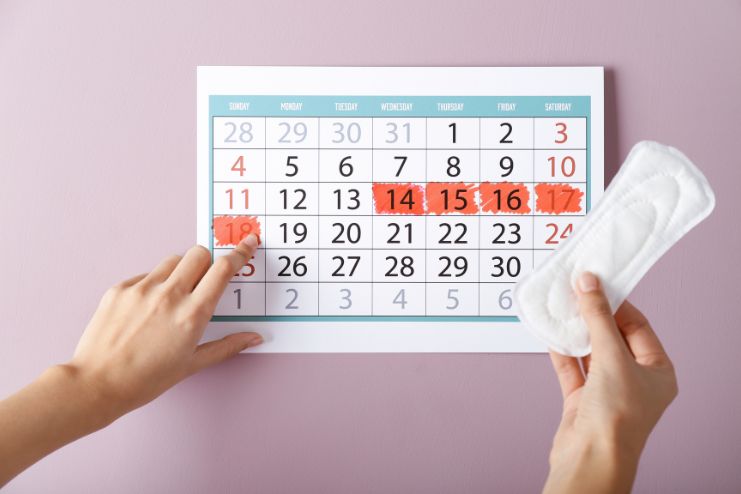
If you’ve ever noticed that your PMS comes with a side of sneezing, headaches, bloating, or even itchy skin, you’re not imagining things. Many women experience a range of unusual or unexplained symptoms before or during their periods that go far beyond typical menstrual discomfort. For some, these symptoms can feel like allergic reactions, and that’s no coincidence.
What you might be dealing with isn’t just “normal hormones” or random PMS; it could be histamine intolerance. Histamine is a chemical involved in your immune response, digestion, and even brain activity. But when it builds up in the body, it can cause a cascade of inflammatory and allergic-type symptoms. Around your period, hormonal shifts, especially changes in estrogen and progesterone, can create the perfect storm for a histamine flare.
In this article, we’ll explore what histamine intolerance really is, how it interacts with your menstrual cycle, why symptoms worsen during certain phases, and what you can do to manage the discomfort. From cyclical migraines to hives and anxiety, understanding this hormonal-histamine connection can change the way you care for your body throughout the month.
What Is Histamine Intolerance?
Histamine is a naturally occurring chemical in the body. It helps regulate many important functions, from triggering immune responses to supporting digestion and brain health. When you’re exposed to allergens, your immune system releases histamine to fight off what it perceives as a threat. But even in the absence of true allergies, histamine can accumulate and cause symptoms if your body can’t break it down efficiently.
This is where the DAO (diamine oxidase) enzyme comes in. DAO is responsible for breaking down excess histamine in your gut. When DAO activity is low, whether due to genetics, gut health, or hormonal imbalances, histamine builds up. This condition isn’t a true allergy but rather an overreaction, meaning your body struggles to metabolize histamine effectively.
Symptoms of histamine intolerance can include headaches, rashes, fatigue, digestive issues, and anxiety. Unlike classic allergies, these symptoms may appear hours after eating or worsen at certain times, such as during your menstrual cycle. Understanding the root of this reaction is essential for identifying triggers and finding relief.
Dr. Lara Briden, Naturopathic Doctor & Women’s Hormone Expert says, “Histamine intolerance isn’t a true allergy, it’s more like your body hitting its histamine limit.’ If you’re not breaking it down efficiently, it builds up and causes symptoms that look like allergies, mood swings, or digestive issues.”
Why Histamine Intolerance Flares Around Your Period
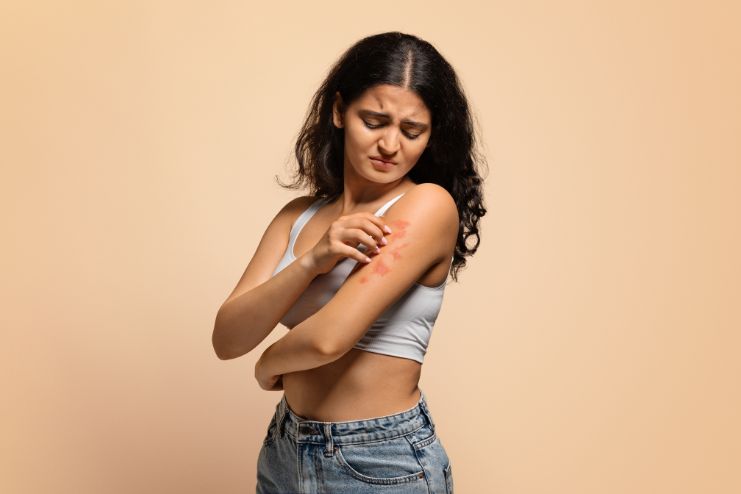
Many women notice that their histamine-related symptoms, like headaches, rashes, or anxiety, worsen around their menstrual cycle. This isn’t just a coincidence or typical PMS. Hormonal fluctuations, especially involving estrogen and progesterone, directly impact how your body handles histamine.
Here’s how it works:
Estrogen Boosts Histamine
Estrogen levels naturally rise during certain phases of your cycle, particularly in the late follicular and luteal phases.
- Estrogen activates mast cells, which release histamine into the body.
- At the same time, estrogen reduces DAO (diamine oxidase) enzyme activity, making it harder for your body to break down histamine.
- This creates a vicious cycle:
- More estrogen – More histamine
- More histamine – Further estrogen stimulation
This feedback loop is especially strong in women with estrogen dominance (high estrogen relative to progesterone). It can lead to:
- Cyclical migraines
- Hives or skin irritation
- Mood swings and anxiety
These aren’t just typical PMS signs; they’re signals of a hormonal-histamine response.
Dr. Jolene Brighten, Functional Medicine NMD & Author of “Beyond the Pill,” emphasizes, “Estrogen is known to activate mast cells and stimulate histamine release, creating a feedback loop that can increase both estrogen and histamine in the body. This can worsen PMS and inflammatory symptoms.”
Progesterone Drops Before Your Period
During the luteal phase, progesterone rises and plays a balancing, calming role:
- It helps reduce inflammation
- It supports DAO activity to clear histamine
But just before your period, progesterone levels drop sharply, which:
- Reduces DAO activity further
- Removes the anti-inflammatory balance to estrogen and histamine
- Triggers a spike in histamine-related symptoms
Even if your diet or habits stay the same, this hormonal shift alone can make you feel worse just before your period.
In short, your menstrual cycle plays a big role in how your body handles histamine. Rising estrogen increases histamine, and dropping progesterone makes it harder to clear, leading to symptom flare-ups. Understanding this hormonal connection can help you better manage your cycle and histamine intolerance together.
The Link Between Histamine Intolerance and Mental Health During Your Cycle

Hormonal shifts affect far more than just your physical state; they can influence your emotions, cognition, and even your sense of control. If you’ve ever felt unusually anxious, irritable, restless, or down in the days leading up to your period, histamine could be playing a bigger role than you think. Histamine intolerance isn’t just about hives and headaches; it can quietly disrupt your mental health, too.
Histamine acts as a neurotransmitter in the brain, directly impacting alertness, motivation, and anxiety levels. When estrogen spikes and DAO enzyme activity drops, common in the premenstrual and menstrual phases, histamine isn’t broken down efficiently.
This overactivity can overstimulate the nervous system, leading to:
- Cyclical anxiety or panic attacks.
- Irritability or mood swings that feel “bigger than PMS”.
- Difficulty falling or staying asleep.
- Racing thoughts or restlessness.
- Heightened sensitivity to stress or noise.
To reduce the mental toll, your strategy should support both your brain and your biochemistry:
- Load up on calming nutrients like magnesium (glycinate) and vitamin B6, which support neurotransmitter balance and DAO production.
- Include anti-inflammatory fats (omega-3s), herbs like ashwagandha, or L-theanine to promote relaxation.
- Use tools like cycle tracking, guided breathwork, or journaling to spot patterns and shift your habits before the emotional wave hits.
Read More: Drink These 5 Smoothies to Ease Period Symptoms and Boost Hormonal Health
Understanding the connection between histamine intolerance and mood helps bring clarity to feelings that are often dismissed as “just hormonal.” It’s not in your head, it’s chemical, cyclical, and something you can work with.
Dr. Amy Myers, MD, Functional Medicine Physician, says, “Histamine plays a role in the brain as a neurotransmitter. When it spikes, it can trigger anxiety, panic, and sleep disturbances, especially if estrogen is dominant and DAO is low.”
Common Histamine Intolerance Symptoms Around Menstruation
The symptoms of histamine intolerance are often mistaken for allergies or intensified PMS, but timing and presentation offer clues. These symptoms typically appear during the late luteal phase, the week before your period, and may ease once menstruation begins and hormone levels reset.
Here are some of the most common histamine symptoms during the period:
- Migraines or tension headaches, often triggered by hormonal shifts and worsened by histamine-rich foods.
- Itchy skin, rashes, or hives with no clear cause.
- Anxiety, irritability, or restlessness that feels out of proportion.
- Digestive issues like bloating, nausea, diarrhea, or even acid reflux.
- Nasal congestion, sneezing, or asthma-like symptoms without a cold or flu.
- Dizziness, fatigue, or brain fog, particularly in the premenstrual window.
These symptoms may fluctuate depending on diet, stress, and hormone balance, making it even harder to pin down the root cause. But if they reappear predictably before your period, histamine may be the missing link.
High-Histamine Foods That May Worsen Symptoms
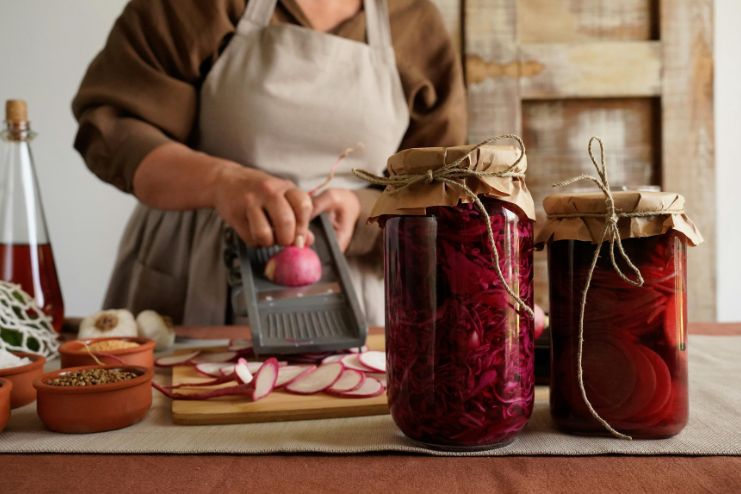
Histamine levels aren’t just influenced by your body; they’re also impacted by your diet. Certain foods are naturally high in histamine, while others trigger the release of histamine or block DAO enzyme activity, making it harder to break it down.
Common histamine-rich foods include:
- Aged cheese, wine, and cured meats
- Fermented foods like sauerkraut, kombucha, and yogurt
- Chocolate, spinach, tomatoes, avocados, eggplant
- Shellfish, nuts, and processed or leftover foods.
These foods might be perfectly tolerable during other phases of your cycle, but can provoke flare-ups just before your period when your histamine load is already high.
If you’re sensitive, try reducing or eliminating high-histamine foods during your late luteal phase, roughly 5–7 days before your period. Track how your body responds and note any symptom relief. Your cycle may not require a full elimination diet, just smart, cyclical adjustments.
Read More: 26 Things You Should Avoid During Periods
How to Manage Histamine Spikes Before and During Your Period
Managing histamine intolerance around your period involves a mix of nutritional, hormonal, and lifestyle strategies. The goal is to support your body’s ability to break down histamine and regulate estrogen and progesterone.
Support DAO Enzyme Naturally
- Boost vitamin B6, vitamin C, and copper intake, all of which help DAO function.
- Try DAO-supportive supplements (with professional guidance) if food isn’t enough.
- Avoid alcohol and gut irritants that reduce DAO activity.
Balance Estrogen
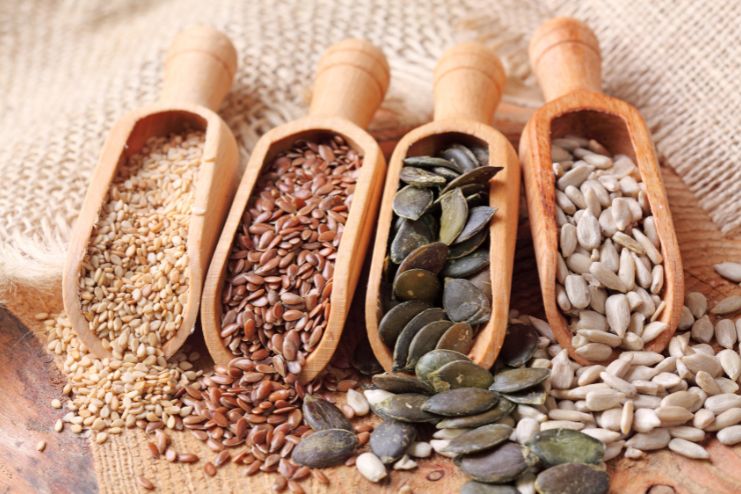
- Practice seed cycling (e.g., flax and pumpkin seeds in the first half, sesame and sunflower in the second).
- Eat cruciferous vegetables (broccoli, kale, cauliflower) to aid estrogen detox.
- Increase fiber to help the body eliminate excess estrogen through the bowels.
- Manage chronic stress, which can worsen estrogen dominance and histamine issues.
Track Your Cycle and Symptoms
- Use an app or journal to identify your symptom window, usually days 21–28 of your cycle.
- Reduce histamine-rich foods during this phase.
- Adjust workouts, meal planning, and social events based on your body’s needs.
Anti-Inflammatory Lifestyle Tips
- Focus on gentle movement (yoga, walking) during flare-up phases.
- Eat natural antihistamine foods like onions (quercetin), turmeric, and ginger.
- Prioritize hydration and sleep to reduce systemic inflammation.
These steps won’t eliminate histamine intolerance overnight, but they can significantly reduce flare-ups. Small, consistent changes throughout the cycle make a big impact over time.
When to Seek Medical Advice
While many women can manage symptoms with lifestyle shifts, some cases require professional support, especially if histamine symptoms are severe, frequent, or affecting daily life.
You should consider talking to a doctor if:
- Symptoms mimic allergies but don’t respond to typical allergy treatments.
- You suspect mast cell activation syndrome (MCAS), a more serious histamine-related condition.
- You have unexplained food sensitivities, rashes, or cyclical migraines.
- Your PMS is debilitating or worsens with certain foods.
An integrative or functional medicine provider can test for DAO enzyme activity, evaluate hormone balance, and guide a personalized plan. They can also rule out other issues like food intolerances, gut dysbiosis, or autoimmune conditions.
Exercise, Movement and Histamine Regulation

Movement isn’t just about staying fit; it plays a powerful role in managing inflammation, hormone balance, and even histamine clearance. But when you’re dealing with histamine intolerance, not all workouts are created equal. For some women, high-intensity exercise around their period can make symptoms worse, while others feel better with the right kind of movement at the right time.
Exercise increases circulation and lymphatic flow, which can help your body clear excess histamine more efficiently. It also supports estrogen detoxification through sweat and bowel regularity. However, overly intense workouts (like HIIT or long cardio sessions) may trigger histamine release from mast cells, especially during the luteal phase when your body is already under hormonal stress. That’s why tuning into your cycle is key.
Try incorporating movement styles that support your body without overstimulating it:
- Luteal and menstrual phase: Focus on low-impact activities like walking, pilates, restorative yoga, or stretching.
- Follicular phase (after your period): This is when you’re naturally more resilient, moderate strength training or cardio is better tolerated.
- Anti-inflammatory bonus: Rebounding (mini-trampoline), breathwork-based movement, or swimming can also improve circulation without adding physical stress.
Above all, the goal is to stay consistent with movement without pushing your system into a stress response. When done right, exercise becomes a tool to support your hormones, reduce histamine symptoms, and leave you feeling more grounded, not drained.
Dr. Stephanie Estima, Neurotoxicologist & Creator of ‘The Estima Diet’, says, “While movement is essential, over-exercising during your luteal or menstrual phase can worsen histamine symptoms. Tune into your body and adjust intensity with your cycle.”
Final Thoughts
Histamine intolerance is often overlooked, especially when its symptoms are mistaken for “just PMS” or dismissed as anxiety, allergies, or digestive trouble.
From migraines to mood swings, bloating to brain fog, the signs are often there, but rarely connected. Once you begin to track your symptoms and see the patterns, it becomes easier to step into a proactive role. Supporting DAO enzyme activity, balancing estrogen, and making smarter choices around food, movement, and lifestyle can dramatically reduce the severity of your monthly flare-ups.
More importantly, this knowledge gives you power, the power to stop doubting yourself, to stop chalking it up to “being emotional,” and to finally treat the root cause, not just the symptoms. If your period feels like a monthly battle, it’s not in your head; it’s in your biochemistry. And with awareness, compassion, and the right support, it’s manageable.
References
- https://my.clevelandclinic.org/health/diseases/histamine-intolerance
- https://www.healthline.com/health/histamine-intolerance
- https://pmc.ncbi.nlm.nih.gov/articles/PMC11054089/
- https://www.webmd.com/diet/foods-high-in-histamine
- https://www.medicalnewstoday.com/articles/322543
- https://www.apollohospitals.com/diseases-and-conditions/all-you-need-to-know-about-histamine-intolerance
- https://pubmed.ncbi.nlm.nih.gov/38674909/
- https://www.sciencedirect.com/science/article/pii/S0002916523280533
- https://www.benenden.co.uk/be-healthy/nutrition/foods-to-avoid-histamine-intolerance/
- https://www.verywellhealth.com/high-histamine-foods-5223261
In this Article