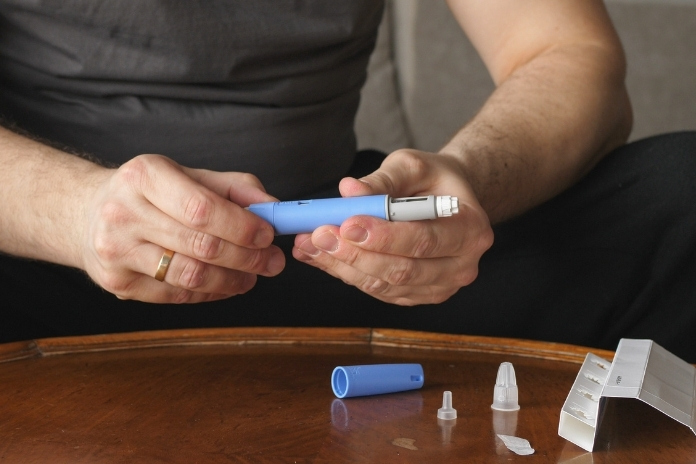














Although kidneys are highly susceptible to diabetes, doctors sometimes fail to diagnose their deterioration until serious harm occurs.
Some people with diabetes develop diabetic kidney disease, which is a decline in kidney function. This shows that your kidneys are losing efficiency in removing waste products and excess fluid from the body. Your body may accumulate these waste products, which might harm other organs.
The kidneys filter waste and excess water from your blood to produce urine. Additionally, your kidneys produce the hormones your body needs to function properly and aid in blood pressure regulation.
Waste products can accumulate in your body when your kidneys are damaged because it is unable to filter blood as effectively. Other health issues might also result from kidney impairment.
The first step to safeguarding these essential organs and preserving long-term health is recognizing the subtle link between diabetes and kidney health.
Read More: Kidney Stones in Women: Why They’re Often Misdiagnosed as UTIs
How Healthy Kidneys Work
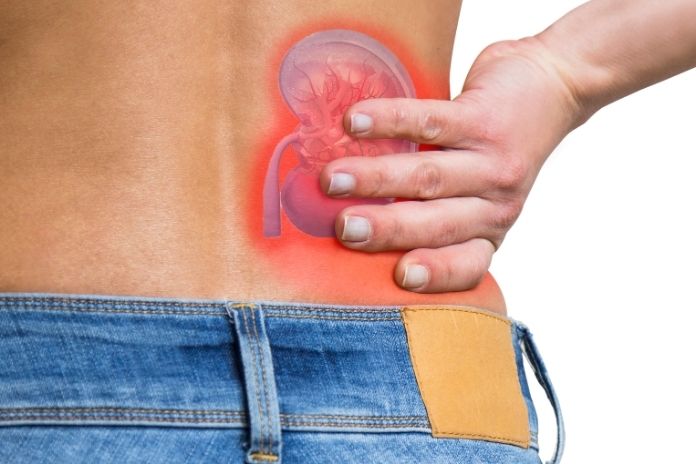
Each kidney is around the size of a hand and has a bean-like shape. They are situated directly below the rib cage on either side of your spine.
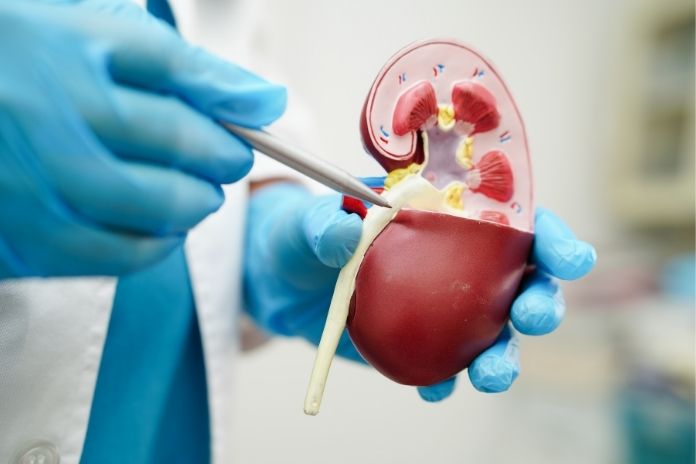
Healthy kidneys filter nearly half a cup of blood each minute, removing waste and extra water to produce urine. The ureters, which are tiny muscular tubes on either side of the bladder, carry urine from the kidneys to the bladder. Your bladder stores urine. The urinary system is made of the kidneys, ureters, and the bladder.
Our kidneys eliminate the excess fluid and waste from our bodies. Your kidneys not only eliminate acid produced by the body’s cells but also regulate the balance of fluids, salts, and essential minerals such as sodium, potassium, calcium, and phosphorus in the blood. They are located just under the rib cage, with one on each side of the spine.
Each kidney contains up to a million microscopic structures called nephrons that filter and clean your blood. The kidneys filter the blood, send the waste products—now in the form of urine—into the bladder, and return the cleansed blood to the body. The step-by-step filtration procedure for healthy kidneys is as follows:
- Blood reaches to kidneys from the heart via an artery.
- Millions of microscopic blood filters clean the blood.
- The bladder functions as a reservoir for urine, which travels to it through the ureters.
- Veins return freshly cleaned blood to the circulation.
- When the bladder reaches its capacity, urine is discharged from the body through the urethra.
How Diabetes Harms the Kidneys

High levels of blood sugar, also known as elevated glucose, can damage the blood vessels in your kidneys. Damage to the blood vessels impairs their functionality. High blood pressure is standard among people with diabetes, and it can harm your kidneys as well.
Your kidneys are susceptible to excessive blood sugar (glucose) because they contain tiny filters called nephrons. Damage to the nephron and blood vessels may result from this over time. The kidneys’ ability to function might be hampered by restricted and blocked blood arteries. Nephrons may finally stop functioning entirely as a result of hyperfiltration, a disease that makes the kidneys work harder than usual.
“When these blood vessels become damaged, the kidney begins to leak proteins called albumin,” says nephrologist Kathleen Borghoff, MD. “The more protein leakage, the worse the kidney disease progresses. Excessive glucose also causes toxins to build up in the kidneys, which causes inflammation and cell stress. This cell stress and damage can lead to kidney cell death.”
Read More: Kidney-Approved Mediterranean Chicken Bake: Flavorful & Healthful
What Is Diabetic Kidney Disease (Diabetic Nephropathy)?
A dangerous side effect of both type 1 and type 2 diabetes is diabetic nephropathy. The diabetic renal disease is another name for it. Diabetic nephropathy affects approximately one in three diabetics in the US.
Diabetic nephropathy impacts the kidneys’ normal function of eliminating any waste materials and excess fluid from the body. Living a healthy lifestyle and managing high blood pressure and diabetes is the most excellent strategy to avoid or postpone diabetic nephropathy.
Diabetic nephropathy gradually deteriorates the kidneys’ filtration system over time. Early treatment can prevent this disorder, slow its progression, and reduce the likelihood of complications.
Diabetes is one of the most prevalent causes of end-stage renal disease (ESRD), according to the CDC. About 26 million Americans were estimated to have diabetes in 2011, and over 200,000 individuals with diabetes-related end-stage renal disease (ESRD) were receiving chronic renal dialysis or had received a kidney transplant. Both type 1 and type 2 diabetes can lead to diabetic nephropathy, but type 1 diabetes carries a higher risk of progressing to end-stage renal disease (ESRD).
Experts believe hypertension, or high blood pressure, is the diabetes complication that most directly impacts diabetic nephropathy. They also link hypertension to both the development of diabetic nephropathy and the damage it causes. Increased blood pressure is frequently the result of physical changes in the kidneys when renal disease worsens.
Uncontrolled hypertension may accelerate the development of stage five diabetic nephropathy.
Symptoms and Early Warning Signs

There are early indications that diabetic kidney disease may not exhibit any signs. However, there will be slight warning indications once the kidneys begin to fail. They are:
- Protein in Urine (Albinuria): This is one of the best and earliest indicators of kidney damage from diabetes. A urine test can tell you this, even when you don’t show any signs.
- Edema (Swelling): You notice swelling around your eyes, hands, ankles, or feet. It occurs because the kidneys can no longer remove enough excess fluid and salt from the body’s drainage.
- Fatigue and Weakness: Fatigue and illness can prevail after an inability to filter out toxins by damaged kidneys causes a build-up in the bloodstream.
- Foamy or Bubbly Urine: The urine can frequently look foamy or bubbly, which is usually an obvious indicator that too much protein in the urine is signaling problems with the kidneys.
- Decreased Appetite and Nausea: When waste products accumulate in the bloodstream, it may lead to nausea, reduced appetite, or a metallic taste in the mouth.
- Difficulties in Concentrating: When kidney disease worsens, toxic chemicals can build up in the brain, causing fogginess or inability to concentrate.
Read More: The Link Between Hypertension and Kidney Health: What You Need to Know
How Doctors Diagnose Kidney Problems in Diabetes
To detect renal illness, medical professionals employ
Test for Urinary Albumin. This test helps detect the presence of albumin, a protein from the blood, in the urine. Typically, albumin is not removed from blood by the kidneys. Your kidneys may not be functioning correctly if there is an excessive amount of albumin in your urine.
Ratio of Albumin to Creatinine. Healthy kidneys remove the chemical waste product creatinine from the blood. A urine sample’s albumin/creatinine ratio indicates how much albumin there is in relation to creatinine. It displays the kidneys’ level of function.
Glomerular Filtration Rate (GFR). Doctors gauge how rapidly the kidneys filter blood by measuring the creatinine level in a blood sample. The glomerular filtration rate is the term for this. A low rate indicates poor kidney function.
If you have kidney disease, your doctor will repeat the same tests to track its progress and confirm that your treatment is working.
Additional diagnostic tests might consist of:
Biopsy of the Kidneys. This process involves obtaining a kidney tissue sample for laboratory analysis. It uses a local anesthetic, which is a numbing drug. A tiny needle extracts kidney tissue fragments.
Read More: 12 Ways To Maintain Good Kidney Health – Know The Dos!
How to Protect Your Kidneys if You Have Diabetes
Proactive treatment and lifestyle control are the first steps in kidney protection. Let’s examine some crucial actions to take:
Manage your Blood Sugar: Ensure that your blood sugar (glucose) levels remain within the range that you have set. You and your general practitioner or practice nurse will have decided on your goal range. Maintaining adequate blood sugar management reduces the risk of kidney disease worsening if you already have it.
Take Kidney-Friendly Drugs: Doctors frequently prescribe drugs such as ACE inhibitors or ARBs to people with diabetes because these medications not only control blood pressure but also protect kidney function.
Quit Smoking if you Smoke: Smoking increases the risk of lung disease, cancer, heart disease, stroke, and kidney disease complications. Although quitting smoking might be challenging, you can seek assistance from your general practitioner or practice nurse.
Eat a Kidney-Friendly Diet: Avoid processed foods, excessive protein, and high salt intake. If your doctor recommends it, concentrate on foods low in potassium and phosphorus, fresh vegetables, and whole grains.
Keep as active as possible: “For people with diabetes, regular exercise is as effective as almost any other treatment,” says Professor Jeremy Levy, Consultant Nephrologist, Imperial College Healthcare NHS Trust. “It improves blood sugar control, can help with weight loss, improves blood pressure control, and prevents the risk of progression of kidney disease.”
Keep Yourself Hydrated: Drinking enough water aids in the kidneys’ removal of toxins. Unless otherwise instructed, try to consume 6–8 glasses of water each day.
New & Emerging Treatments
SGLT2 inhibitors are now available. The diabetic recommendations state unequivocally that if you have heart failure or renal disease, you should likely take them at the same time as metformin. It’s okay if you start taking metformin to regulate your blood sugar. The first line of treatment for the renal disease or heart failure should include SGLT2s.
This newly discovered class of non-steroidal mineralocorticoid receptor antagonists [MRAs] consists of one approved and three additional developmental agents. Japan has also approved esaxerenone for blood pressure. Esaxerenone has antihypertensive properties. On the other hand, finerenone is not. It has no known effect on blood pressure. However, this one is. They also reduce albuminuria, a condition other research is studying.
Read More: Novel Drug Developed That Reduces Risks Of Kidney Disease In Diabetics, New Study Finds
Conclusion
Even though diabetes remains one of the leading causes of kidney disease worldwide, early action can often prevent the consequences. The most dangerous yet treatable result of diabetes is diabetic kidney disease. Preventive care and early awareness are paramount. If you have diabetes, make kidney health a routine part of your health checks, even if your blood sugar levels seem stable.
Persistent tiredness, noticeable changes in urination, and swelling in different parts of the body can serve as early warning signals. By prioritizing kidney health in your diabetes management, you preserve a vital organ and maintain your independence, health, and quality of life moving forward. And remember that if you stay ahead of the curve today, you will protect your kidneys tomorrow.
References
- https://www.kidney.org/kidney-topics/kidney-function
- https://www.niddk.nih.gov/health-information/kidney-disease/kidneys-how-they-work
- https://www.niddk.nih.gov/health-information/diabetes/overview/preventing-problems/diabetic-kidney-disease
- https://www.kidney.org/kidney-topics/diabetes-and-kidney-disease-stages-1-4
- https://www.nebraskamed.com/health/conditions-and-services/kidney-failure-disease/how-does-diabetes-affect-the-kidneys
- https://www.nebraskamed.com/doctors/kathleen-a-borghoff
- https://www.urmc.rochester.edu/encyclopedia/content
- https://www.hopkinsmedicine.org/health/conditions-and-diseases/diabetes/diabetic-nephropathy-kidney-disease
- https://www.mayoclinic.org/diseases-conditions/diabetic-nephropathy/symptoms-causes/syc-20354556
- https://www.hopkinsmedicine.org/health/conditions-and-diseases/diabetes/diabetic-nephropathy-kidney-disease
- https://www.urmc.rochester.edu/encyclopedia/content
- https://lifeoptions.org/learn-about-kidney-disease/causes-and-stages
- https://doralhw.org/impact-of-diabetes-on-kidney-health/
- https://www.aafp.org/pubs/afp/issues/2019/0615/p751.html
- https://www.niddk.nih.gov/health-information/kidney-disease/chronic-kidney-disease-ckd/tests-diagnosis
- https://www.mayoclinic.org/diseases-conditions/diabetic-nephropathy/diagnosis-treatment/drc-20354562
- https://kidneycareuk.org/kidney-disease-information/living-with-kidney-disease/kidney-disease-caused-by-diabetes-your-questions-answered/7-ways-to-look-after-your-kidney-health-if-you-have-diabetes/
- https://www.imperial.nhs.uk/consultant-directory/jeremy-levy
- https://www.tandfonline.com/doi/abs/10.1080/14728214.2022.2155632
- https://www.yashodahospitals.com/lps/chronic-kidney-disease/
- https://www.ajmc.com/view/emerging-therapies-for-chronic-kidney-disease
- https://diabetes.org/about-diabetes/complications/chronic-kidney-disease/diabetes-high-blood-pressure-chronic-kidney-disease
In this Article