













In this hyperconnected fast-paced world stress has become a constant companion. Work deadlines, financial pressures, health concerns, and constant notifications all add up to an invisible, chronic tension many carry with them every day. While stress in small doses is a normal part of life and can be beneficial, chronic stress is an entirely different animal- one that can have potentially damaging effects on the brain.
The Brain-Stress Connection
Your brain is the command center of your body, operating everything from thoughts and memories to emotions and decision-making. But when under constant stress, this vital organ begins to suffer. Mounting research shows that chronic stress can cause brain shrinkage, affecting your memory, emotions, focus, and long-term mental health.
In this article, we’ll explore:
- The biological mechanisms linking chronic stress and brain shrinkage
- The long-term cognitive consequences of prolonged stress
- Practical measures to reverse brain damage caused by stress
- The contributions of nutrition, supplements, and neuroplasticity for brain recovery.
When you are stressed, your body engages the hypothalamic-pituitary-adrenal (HPA) axis, releasing the stress hormone cortisol. Cortisol enables you to respond rapidly in emergencies in small amounts. However, when cortisol is chronically elevated, it is neurotoxic.
Chronic exposure to cortisol can:
- Interfere with synaptic regulation
- Cause damage to neurons
- Inhibit neurogenesis (new brain cell formation)
- Reduce the size of some areas of the brain
Read More: 6 Best Vitamins To Improve Your Brain Health
Key Brain Areas Affected
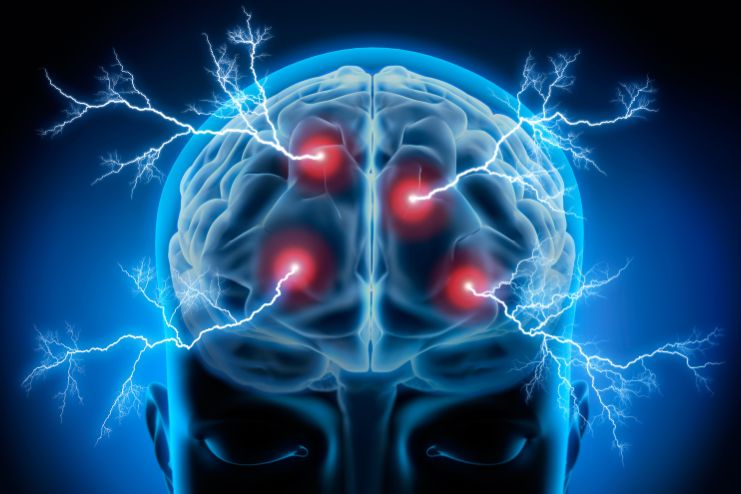
- Hippocampus (Learning and Memory):
Chronic stress shrinks the size and volume of the hippocampus, the memory center of the brain. It results in loss of memory, inability to recall new information, and disrupted learning.
- Prefrontal Cortex (Decision-making and Concentration):
High cortisol damages the prefrontal cortex, the area that controls judgment, planning, and impulse. The consequence is the foggy brain, poor decision-making, and lack of concentration.
- Amygdala (Fear and Emotional Balance):
In contrast to the prefrontal cortex and hippocampus, the amygdala increases in size with chronic stress. This amplifies emotional reactions, enhances fear-related responses, and promotes anxiety and emotional dysregulation.
The Science Behind Stress and Brain Shrinkage
MRI scans show decreased hippocampal volume in chronically stressed individuals.
One of the first papers published in Nature Reviews Neuroscience called out how stress rewires the brain, downgrading connectivity within the prefrontal cortex and enhancing circuitry within the amygdala.
A study in Neurobiology of Stress reveals that elevated cortisol levels are associated with faster brain aging and a higher risk of cognitive impairment.
The Long-Term Effects of Chronic Stress on Cognitive Function

If not treated, chronic stress can lead to cumulative and possibly permanent effects on mental functioning and mood.
- Memory Decline and Brain Fog:
You might experience forgetfulness, difficulty concentrating, and inability to process new information, traditional symptoms of stress-induced memory loss. Gradually, such mental fogginess can affect work, relationships, and overall well-being.
- Reduced Emotional Regulation:
Since the amygdala becomes hyperactive and the prefrontal cortex deteriorates, it is more challenging to control emotions. This usually results in:
- Irritability
- Mood swings
- Anxiety and depression
- Lower Cognitive Performance:
Mental agility takes a hit. You may find it harder to plan, multitask, or make rational decisions. Executive dysfunction is a hallmark sign of chronic stress on the brain.
- Increased Risk of Neurodegenerative Diseases:
Chronic stress leads to oxidative stress, neuroinflammation, and cellular aging, all risk factors for diseases such as Alzheimer’s and dementia. Certain research even indicates that chronic stress can lead to the early onset of these diseases through shrinking the hippocampus and compromising neuronal repair.
Read More: Glymphatic Drainage – The Nighttime Brain Detox You Didn’t Know About
How to Reverse Stress-Induced Brain Shrinkage
The good news? Your brain is astonishingly resilient. Thanks to neuroplasticity, it can repair and rewire itself when given the right environment. Here’s how to start healing.
1. Lifestyle Changes to Reduce Cortisol

Regular Exercise:
Physical activity is one of the most powerful ways to reduce cortisol and regenerate brain cells. Aerobic exercise (like walking, swimming, cycling) boosts brain-derived neurotrophic factor (BDNF), a protein that stimulates brain growth.
Strength training and yoga decrease stress hormones and enhance mood.
Optimizing Sleep:
Get 7–9 hours of quality sleep every night. Sleep cleanses the brain and fixes itself.
- Cut back on blue light from screens an hour before sleep.
- Keep your sleep and wake times consistent.
- Take magnesium or melatonin supplements (under direction).
Mindfulness and Meditation:
Daily mindfulness practices reduce cortisol and build the prefrontal cortex.Meditation increases gray matter density in the hippocampus.
Methods such as box breathing, alternate nostril breathing, and guided imagery can rebalance your nervous system.
2. Nutrition for Brain Protection
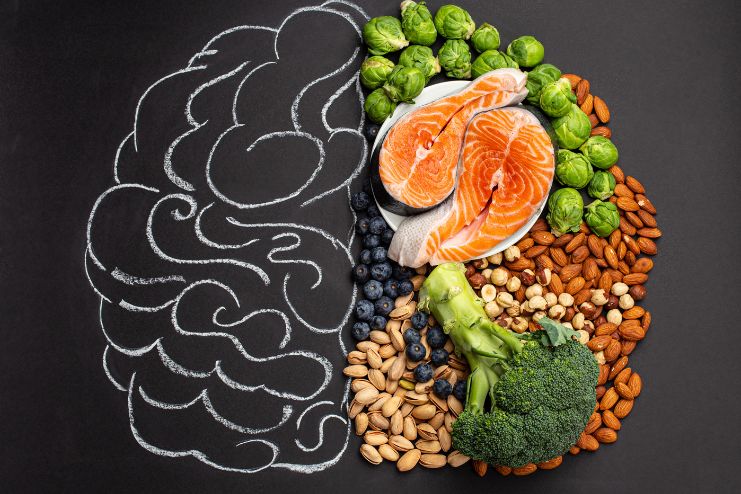
Brain-Boosting Foods
What you eat has a direct impact on your brain’s capacity to heal. Here’s what to eat for good brain health:
- Omega-3 fatty acids (in salmon, chia seeds, and walnuts) prevent brain inflammation.
- Antioxidant-rich foods such as blueberries, dark chocolate, and green tea neutralize free radicals that destroy neurons.
- Magnesium-rich foods like avocados, greens, and almonds calm the nervous system.
Avoid Brain-Shrinking Foods
Refined sugars, trans fats, and ultra-processed foods cause inflammation and further worsen your brain health. Excessive caffeine and alcohol interfere with sleep and raise cortisol levels, leading to further damage.
3. Mental Training and Cognitive Resilience

Neuroplasticity Exercises
Stressing your brain stimulates new pathways.
- Try learning a new language or musical instrument.
- Play memory games or logic problems.
- Journal, reflect, and create goals.
Gratitude and Positive Psychology
Gratitude stimulates the reward centers of the brain and makes people more resilient.
- Write in a daily gratitude journal.
- Think about 3 good things daily.
Social Connection
Social bonding decreases stress and improves brain health. Here’s how to build social connections to keep stress at bay:
- Spend time with nurturing friends and relatives.
- Do things in groups or volunteer.
- Laughter enhances dopamine and shields the brain from stress changes.
Adaptogens and Supplements for Brain Recovery
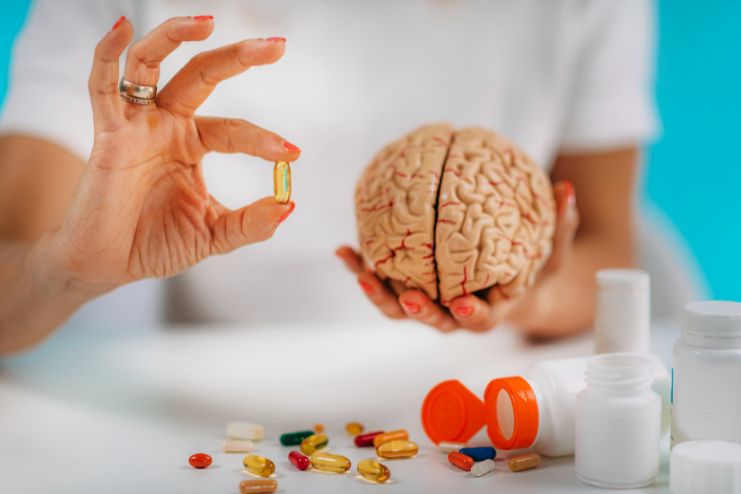
Here are a few adaptogens and supplements you can try for brain recovery.
Ashwagandha and Rhodiola Rosea
These adaptogenic herbs lower cortisol levels and enhance mental clarity. Ashwagandha promotes adrenal health and lowers anxiety levels. Rhodiola improves mental functioning during stress.
L-Theanine
This amino acid, contained in green tea, causes relaxation without sedation and enhances alpha brain wave activity, which is linked to focused relaxation.
B Vitamins and Magnesium
B6, B9, and B12 play essential roles in neurotransmitter synthesis and stress response. Magnesium glycinate or threonate supports relaxation and may aid memory and cognitive function.
Always consult with a healthcare professional before starting supplements.
Read More: Why More People Are Turning to Ashwagandha Gummies for Stress Relief
Key Takeaways: Can You Regrow a Stressed Brain?
- Chronic stress leads to physical brain changes, including shrinkage of the hippocampus and prefrontal cortex, and enlargement of the amygdala.
- Emotional and cognitive impacts involve memory loss, anxiety, mood swings, and increased risk of dementia.
- The brain is capable of healing and regrowing through lifestyle changes, nutrition, mental stimulation, and stress-reduction methods.
- Adopting a practice involving exercise, sleep, mindfulness, and supportive relationships can engage the brain’s self-healing mechanisms.
- Adaptogens, nootropics, and neuroprotective nutrients can further support brain recovery when used judiciously.
Final Thoughts
Stress may be a fact of life, but damage to your brain has no place in the equation. It is possible to protect further damage and even actually rebuild and strengthen your brain with the right tools and approach.
Your brain is not fixed; it’s fluid, dynamic, and ready to adapt. Whether you’re bouncing back from burnout or simply seeking sharper mental clarity, every small, consistent step toward stress management is a step toward brain regeneration—and a healthier, more resilient you.
References
- https://pmc.ncbi.nlm.nih.gov/articles/PMC6405479
- https://www.moneycontrol.com/health-and-fitness/eat-walnuts-almonds-avocado-and-other-magnesium-rich-foods-to-combat-fatigue-and-weakness-photo-gallery-12918974.html
- https://pmc.ncbi.nlm.nih.gov/articles/PMC2805706
- https://ahead-app.com/blog/anxiety/the-science-of-box-breathing-your-brain-s-natural-reset-button-20250219-060647
- https://pmc.ncbi.nlm.nih.gov/articles/PMC10932589
In this Article