











Your 30s might bring career success, growing families, or newfound fitness goals—but they also bring something less welcome: hormonal changes. And if you think your 30s were eventful, hormonally speaking, wait until you hit your 40s.
Here’s the thing: hormones are your body’s chemical messengers, controlling everything from your energy levels and mood to your sleep quality, metabolism, and fertility. Most women start noticing hormonal shifts in their 30s, though the changes are often subtle at first. By the time you reach your 40s, these changes become much more obvious—and sometimes more challenging to manage.
Understanding what’s happening in your body during these pivotal decades isn’t just interesting—it’s empowering. When you know what to expect, you can take proactive steps to support your hormonal health and feel your best, no matter what age you are.

Hormonal Landscape in Your 30s
The Calm Before the Storm—With Some Warning Signs
In your 30s, your hormones are still relatively stable. Most women continue to ovulate regularly and have predictable menstrual cycles. But don’t let this fool you—subtle changes are happening behind the scenes.
You might notice that your PMS symptoms are becoming more pronounced. Maybe you’re
experiencing stronger mood swings, increased breast tenderness, or more bloating than you remember from your 20s. These aren’t signs that something’s wrong—they’re early indicators that your estrogen and progesterone levels are starting to fluctuate.
Other warning signs might include:
- Feeling more tired than usual, even with adequate sleep
- Occasional adult acne (hello, chin breakouts!)
- Changes in your sleep patterns
- Increased sensitivity to stress
These symptoms often point to changes in your thyroid function, adrenal glands, or overall stress levels—all of which are intimately connected to your hormonal health.
Your Fertility: Still Strong, But Starting to Shift
Here’s a reality check: while many women successfully get pregnant in their 30s, fertility does begin to decline after age 32. This happens for two main reasons:
Egg Quality and Quantity: Your ovaries start releasing fewer high-quality eggs with each passing year. It’s a gradual process, but it’s real.
Progesterone Decline: This hormone, essential for maintaining pregnancy, can start decreasing in your 30s. When progesterone drops, you might notice shorter luteal phases (the time between ovulation and your period), which can make conception more challenging.
Your lifestyle plays a huge role here. Chronic stress, poor sleep, and inconsistent eating habits can throw your hormones out of whack, affecting your menstrual cycle, ovulation, and overall fertility.
Common Hormonal Issues That Surface in Your 30s
Several hormonal conditions often make their debut—or become more noticeable—during this decade:
- Polycystic Ovary Syndrome (PCOS): This shows up as irregular periods, persistent acne, or unwanted hair growth. PCOS affects up to 10% of women of reproductive age.
- Thyroid Problems: Hypothyroidism (underactive thyroid) can cause fatigue, unexplained weight gain, and mood changes. Many women are diagnosed with thyroid issues in their 30s.
- Adrenal Fatigue: Chronic stress can overwhelm your adrenal glands, leading to that “tired but wired” feeling or complete burnout.
- Estrogen Dominance: This occurs when estrogen levels are high relative to progesterone. Signs include heavy periods,breast tenderness, and increased irritability.
Read More: 8 Period Symptoms That Might Actually Be a Thyroid Issue
What Changes in Your 40s

Welcome to Perimenopause—The Prequel to Menopause
Perimenopause is the transition period before menopause, and it can start as early as your late 30s, though it typically begins in your 40s. Think of it as your body’s dress rehearsal for menopause—and it can last anywhere from 4 to 10 years.
During perimenopause, your hormone levels become unpredictable. Progesterone is usually the first to decline, leading to shorter or lighter luteal phases. Estrogen levels also start fluctuating wildly—sometimes spiking high before crashing down, which explains those sudden mood swings and physical discomfort.
Most women in their 40s start experiencing:
- Irregular periods: Your cycle might become shorter, longer, heavier, or lighter
- Hot flashes and night sweats: These can range from mild to disruptive
- Sleep problems: Difficulty falling asleep or staying asleep becomes more common
- Anxiety and irritability: Your emotional regulation might feel off
- Brain fog: That frustrating feeling of mental cloudiness or forgetfulness
These aren’t just “getting older” symptoms—they’re your body’s response to changing hormone levels.
Metabolism, Mood, and Muscle Mass Take a Hit
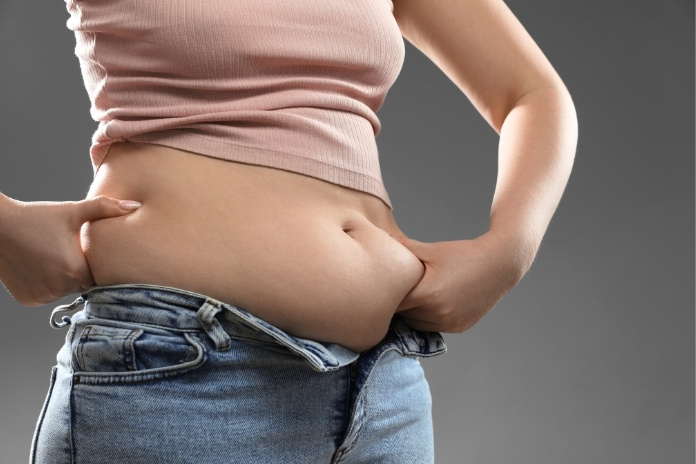
One of the most frustrating changes in your 40s is a slower metabolism. This happens partly because of declining estrogen and thyroid hormone levels. You might find that the same diet and exercise routine that worked in your 30s no longer keeps the weight off. Many women notice weight gain around their midsection, even without changing their lifestyle.
Insulin resistance also becomes more common, making it harder for your body to process sugar effectively. Combined with naturally decreasing muscle mass and collagen production, these changes can significantly affect your body composition, strength, and skin elasticity.
Sleep, Libido, and Skin Changes Become More Noticeable
Cortisol, your primary stress hormone, tends to become more imbalanced in your 40s. This can disrupt your sleep patterns, making it harder to fall asleep or stay asleep through the night. Poor sleep then affects everything else—your mood, energy, and even your appearance.
Declining estrogen and testosterone levels can also impact your libido and cause vaginal dryness. These changes are completely normal but can affect your quality of life and relationships.
Your skin might become drier, thinner, or develop more noticeable wrinkles. While these are natural effects of hormonal changes, they can be managed with the right approach to lifestyle and nutrition.
Read More: Breaking Taboos: Candid Conversations About Women’s Sexual Health
How to Support Hormonal Health in Both Decades
Nutrition: Your Foundation for Hormonal Balance
What you eat plays a crucial role in maintaining hormonal balance at any age. In both your 30s and 40s, focus on anti-inflammatory, hormone-supportive foods:
- Eat the Rainbow: Include colorful vegetables in every meal, especially cruciferous vegetables like broccoli, kale, and Brussels sprouts. These help your body metabolize estrogen more effectively.
- Healthy Fats Are Essential: Your body needs fats to produce hormones. Include avocados, olive oil, nuts, seeds, and fatty fish in your diet regularly.
- Fiber Is Your Friend: Whole grains, fruits, and vegetables provide fiber that helps your body eliminate excess hormones. Aim for 25-35 grams per day.
- Protein Stabilizes Everything: Include lean protein sources to maintain muscle mass and stabilize blood sugar levels.
Targeted Supplement Support
While food should be your primary source of nutrients, certain supplements can provide additional support:
- Magnesium: Helps with PMS symptoms and promotes better sleep. Most women are deficient in this crucial mineral.
- Vitamin D and K2: Support immune function and hormonal balance. Many people don’t get enough vitamin D, especially during winter months.
- B-Complex Vitamins: Essential for energy production and hormone synthesis.
- Omega-3 Fatty Acids: Reduce inflammation and support brain health and mood stability.
- Adaptogens: Herbs like ashwagandha, rhodiola, and maca can help your body manage stress more effectively.
Always consult with a healthcare provider before starting any supplement regimen to ensure it’s appropriate for your individual needs.
Read More: 5 Essential Nutrients for Women’s Bone Health After 40
Lifestyle Adjustments That Help at Any Age
- Strength Training Is Non-Negotiable: Lifting weights 2-3 times per week helps build and maintain lean muscle mass, which supports metabolism and insulin sensitivity. This becomes increasingly important as you age.
- Manage Your Stress: Chronic stress wreaks havoc on your entire endocrine system. Find stress-reduction techniques that work for you—whether it’s meditation, yoga, journaling, or spending time in nature.
- Prioritize Sleep: Aim for 7-8 hours of quality sleep each night. Create a consistent bedtime routine and limit blue light exposure in the evening.
- Track Your Cycle: Use apps, monitor your basal body temperature, or keep a symptom diary. This information becomes invaluable as your cycles begin to change, helping you and your healthcare provider identify patterns and potential issues.
- Stay Active: Regular movement improves circulation, reduces cortisol levels, and supports overall hormonal balance. Find activities you enjoy—whether it’s dancing, hiking, swimming, or yoga.
When to See a Hormone Specialist
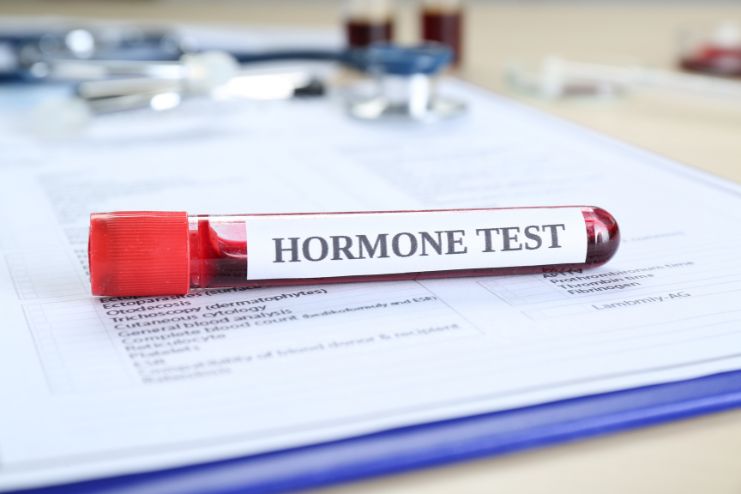
While lifestyle changes can address many hormonal issues, some situations require professional support. Consider seeing a hormone specialist if you’re experiencing:
- Persistent fatigue that doesn’t improve with better sleep and nutrition
- Severe mood swings or anxiety that interfere with daily life
- Very irregular periods or periods that stop completely
- Significant changes in libido
- Unexplained weight gain or difficulty losing weight
- Severe PMS or menopausal symptoms
Comprehensive Testing Can Include:
- Hormone panels to assess estrogen, progesterone, testosterone, and DHEA levels
- Thyroid function testsincluding TSH, Free T3, and Free T4
- Cortisol testingto evaluate your stress hormone patterns throughout the day
- Nutrient panelsto check vitamin D, B12, and iron levels
These tests provide valuable insights into what your body needs and help create a personalized treatment plan.
Frequently Asked Questions
Is hormonal imbalance inevitable as I age?
Not necessarily. While hormone levels naturally change with age, significant imbalances can often be prevented or managed with proper nutrition, lifestyle support, and proactive healthcare. The key is understanding what’s normal for your age and what might need attention.
Can I enter perimenopause in my 30s?
Yes, some women begin perimenopause in their late 30s, especially if there’s a family history of early menopause or certain health conditions like autoimmune disorders. If you’re experiencing symptoms, don’t dismiss them just because of your age.
What’s the best diet for hormone balance in my 40s?
Focus on whole foods, plenty of fiber, healthy fats, and lean protein. Reduce sugar, processed foods, and alcohol, which can disrupt hormonal balance. Consider working with a nutritionist who specializes in women’s health for personalized guidance.
Conclusion – Stay Connected to Your Body’s Wisdom
Your 30s and 40s are transformative decades for your hormonal health. While these years bring physical and emotional changes, they also offer incredible opportunities for self-awareness and proactive wellness.
The most important thing you can do is stay tuned in to your body’s signals. Pay attention to subtle changes, track your symptoms, and don’t hesitate to seek support when you need it. By making thoughtful adjustments to your diet, sleep habits, stress management, and exercise routine, you’re building a strong foundation for wellness that will serve you well into your 50s and beyond.
Remember: you don’t have to suffer through hormonal changes. With the right knowledge, support, and approach, you can navigate these decades feeling strong, energized, and confident in your body.
References
- https://orangecountylabs.com/product/female-hormone-panel-cortisol-estrogen-e2-progesterone-dhea-s-testosterone/
- https://www.ncbi.nlm.nih.gov/books/NBK278995/
- https://true-elements.com/blogs/blogs-by-nutritionists/nutrient-needs-for-women-in-their-20s-30s-and-40s
- https://www.aurorahealthcare.org/services/sleep-disorders/types-of-sleep-disorders
- https://familydoctor.org/40-womens-nutrition-metabolism-needs/
- https://www.careinsurance.com/blog/health-insurance-articles/perimenopause-panic-how-to-deal-with-its-signs-stages-and-symptoms
- https://www.va.gov/WHOLEHEALTHLIBRARY/tools/estrogen-dominance.asp
- https://pmc.ncbi.nlm.nih.gov/articles/PMC7614476/
In this Article