







Did you know that simply increasing your protein intake could be the key to unlocking sustainable weight loss, stronger muscles, and better overall health? While many people focus on cutting calories alone, the secret lies in choosing the right types of calories—specifically, high-protein, low-calorie foods that work with your body’s natural processes rather than against them.
Why High-Protein, Low-Calorie Foods Matter
Protein serves as a fundamental building block for tissues, organs, muscles, and hormones throughout your body. It’s essential for proper growth, development, and optimal bodily function. Consuming a protein-rich diet not only prevents protein deficiency but also supports your overall nutritional needs. This is why incorporating high-protein, low-calorie foods into your diet is so important.
A protein-rich diet offers numerous health benefits, including weight loss support, blood sugar stabilization, improved focus and concentration, and stronger muscles and bones. Protein also plays a crucial role in boosting your energy levels. By choosing the best high-protein, low-calorie foods and following a structured protein diet, you can support healthy weight management and promote overall body development.
Read More: The Power of Macronutrients: Understanding Proteins, Carbs, and Fats in Your Diet
How Much Protein Should You Eat?
Talking about high-protein, low-calorie foods, registered nutritionist Clarissa Lenherr says,” The foods in this group are uber-nutritious and come with plenty of health benefits,’’
She further adds, “They help keep you fuller for longer, support muscle maintenance, and stabilise blood sugar, all while keeping calorie intake in check. This makes them great for weight management and energy balance.”
Your protein needs depend on several factors: body weight, gender, activity level, and age. It’s important to choose foods that are high in protein but low in fats, particularly saturated fats. According to nutrition experts, the recommended daily protein intake is 56 grams for men and 46 grams for women.
These amounts represent the minimum you should consume daily if you’re moderately active. Following a well-designed diet plan will help you meet your protein requirements.
A protein-focused diet for weight loss can be particularly beneficial, as it helps eliminate excess body weight. Since obesity is a major contributing factor to various diseases, maintaining a healthy weight is crucial for overall health.
Do High-Protein Diets Really Work?
Absolutely. Consuming high-protein, low-calorie foods provides numerous benefits for your body. These foods support body development in multiple ways. Here are the key advantages:
1. Promotes Muscle Mass

Adequate protein intake is essential for maintaining healthy muscle mass and supporting tendons, ligaments, and other body tissues. Protein plays a vital role in repairing muscle tissue that may be damaged during exercise. Research shows that consuming protein before and after workouts supports proper muscle development, which is why high-protein, low-calorie foods are popular among bodybuilders and fitness enthusiasts.
2. Supports Weight Management
While researchers continue to study protein’s exact role in weight loss, protein offers significant advantages for weight management by promoting satiety and keeping you feeling full longer. Consuming protein alongside low-calorie foods provides proper nutrition without triggering weight gain.
Protein creates a greater feeling of fullness compared to fats or carbohydrates, helping prevent overeating. It also boosts thermogenesis—the process by which your body burns more energy to digest food—further supporting weight management goals.
Read More: Replenish Your Energy: 6 Best Protein Powders for Men’s Muscle Recovery
3. Maintains Stable Blood Sugar Levels

Insulin is the key component your body uses to break down fats, carbohydrates, and proteins. High-sugar foods cause blood sugar spikes due to their high glycemic index. However, high-protein foods require less insulin for breakdown than fats or carbohydrates. Additionally, insulin helps reduce sugar absorption from food, contributing to more stable blood sugar levels.
4. Strengthens Bones
Multiple studies have established a clear connection between high-protein food consumption and bone strength. A protein-rich diet provides essential nutrients that help heal fractures and prevent bone weakness. Protein enhances calcium absorption and supports bone metabolism.
Conversely, low protein intake leads to reduced insulin levels in the body, negatively impacting calcium and phosphate absorption—both crucial for bone health.
5. Improves Mood and Mental Well-being

Amino acids found in certain proteins help balance hormones naturally. Beyond reducing anxiety, protein helps regulate mood by supporting neurotransmitter function and synthesizing important hormones like serotonin and dopamine. Since protein also helps stabilize blood glucose levels, it prevents mood swings, cravings, and irritability that can result from blood sugar fluctuations.
6. Improves Heart Health
High-protein diets have traditionally been recognized as a natural remedy for high blood pressure, making protein valuable for improving heart health and function. Protein helps reduce LDL (bad) cholesterol levels. Since protein diets don’t provide excess sugar to the body, they help prevent obesity and diabetes, both risk factors for heart disease.
Best High-Protein, Low-Calorie Foods
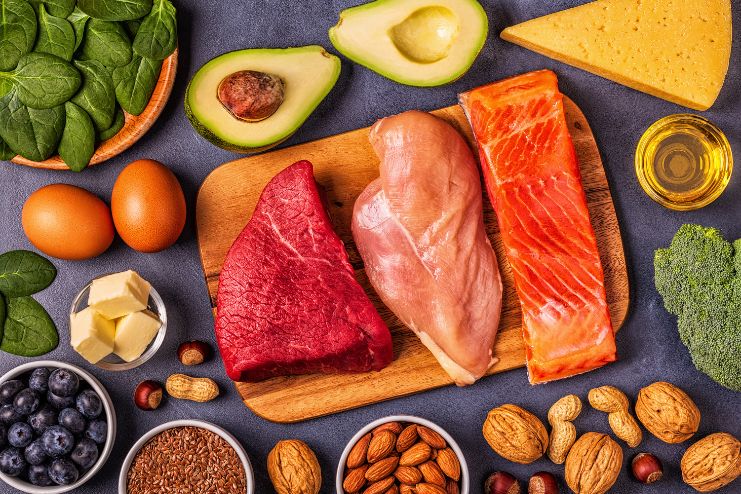
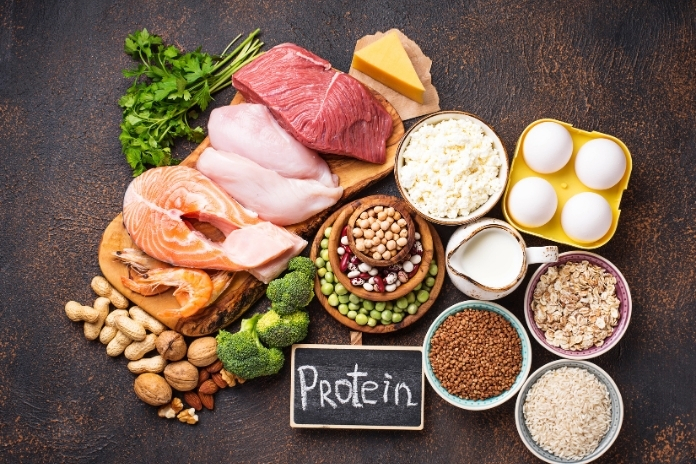
You don’t always need to consume animal products to get adequate protein, although they are excellent protein sources. You can create low-carb, high-protein snacks using various recipes to meet your protein needs. Here are the top foods that boost protein consumption:
Plant-Based Proteins:
- Soy (tofu, tempeh, edamame)
- Lentils
- Oats
- Brown rice
- Quinoa
- Avocado
- Broccoli
- Peas
- Brussels sprouts
- Mushrooms
- Seeds (chia, pumpkin, hemp, and flax)
- Nuts (almonds, pistachios, cashews, and peanuts)
- Legumes (black beans, lima beans, pinto beans, and chickpeas)
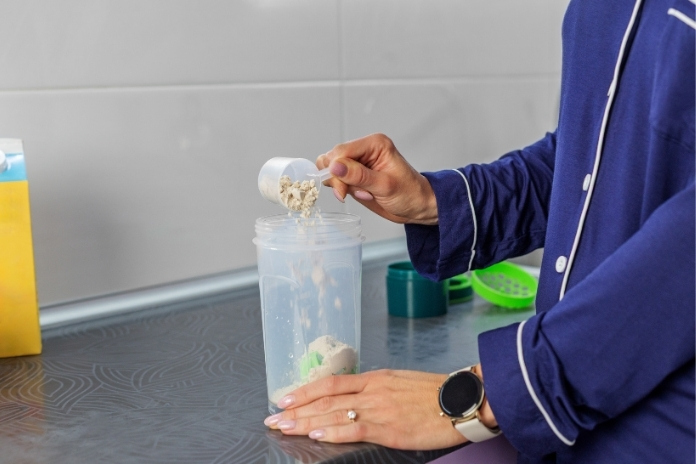
Protein Supplements: Hemp protein powder is an excellent option, containing all 20 beneficial amino acids. This powder is completely safe and healthy for consumption and also provides omega-3 fatty acids along with iron, magnesium, calcium, and potassium.
High-Protein Recipe Ideas:
- Chicken ot tofu tikka masala
- Turmeric eggs
- Cilantro salmon burgers
- Keto smoothies
Read More: 8 Best Plant-Based Proteins for Muscle Building
Final Thoughts
Consuming high-protein foods is essential for obtaining various important health benefits. A lack of low-fat, high-protein foods can lead to protein and amino acid deficiencies, potentially causing various health issues. The best sources for a low-carb, high-protein diet include eggs, yogurt, cheese, almonds, and protein powder made from bone broth.
By incorporating these high-protein, low-calorie foods into your daily routine, you’ll support your body’s nutritional needs while maintaining a healthy weight and promoting overall wellness.
Ready to transform your health? Start by adding just one high-protein, low-calorie food to each meal today. Your body will thank you for making this simple yet powerful change. Consult with a healthcare professional or registered dietitian to create a personalized protein plan that fits your specific needs and goals.
Frequently Asked Questions
How much protein do I need per day?
The general recommendation is 56 grams daily for men and 46 grams for women, but individual needs vary based on activity level, age, and health goals. Active individuals may need 0.8-1.2 grams per kilogram of body weight.
Can I get enough protein from plant-based sources alone?
Yes, plant-based proteins like lentils, quinoa, nuts, and seeds can provide complete amino acid profiles when combined properly. However, you may need to eat larger portions compared to animal proteins to meet your daily requirements.
Will eating too much protein damage my kidneys?
For healthy individuals, moderate to high protein intake is generally safe. However, those with existing kidney disease should consult their healthcare provider before significantly increasing protein consumption.
What’s the best time to eat protein for muscle building?
Research suggests consuming protein within 2 hours after exercise is optimal for muscle recovery and growth. However, total daily protein intake matters more than precise timing.
Are protein supplements necessary?
Most people can meet their protein needs through whole foods. Supplements can be convenient for athletes or those with higher protein requirements, but they’re not essential for the average person.
Can high-protein foods help with weight loss?
Yes, protein increases satiety, reduces appetite, and boosts metabolism through thermogenesis, making it easier to maintain a caloric deficit for weight loss.
How do I know if I’m eating enough protein?
Signs of adequate protein intake include stable energy levels, good muscle recovery after exercise, healthy hair and nails, and feeling satisfied after meals. A food diary can help track your intake.
What are the best high-protein snacks under 200 calories?
Great options include Greek yogurt (100-150 calories), hard-boiled eggs (70 calories), cottage cheese with berries (120-180 calories), and a small handful of almonds (160 calories).
References
- https://pmc.ncbi.nlm.nih.gov/articles/PMC6566799/
- https://pmc.ncbi.nlm.nih.gov/articles/PMC4848650/
- https://pubmed.ncbi.nlm.nih.gov/15466943/
- https://pmc.ncbi.nlm.nih.gov/articles/PMC7539343/
- https://pubmed.ncbi.nlm.nih.gov/18469289/
- https://pmc.ncbi.nlm.nih.gov/articles/PMC7155358/
- https://www.health.harvard.edu/mind-and-mood/serotonin-the-natural-mood-booster
- https://www.health.harvard.edu/blog/nutritional-psychiatry-your-brain-on-food-201511168626
- https://www.mayoclinic.org/healthy-lifestyle/nutrition-and-healthy-eating/expert-answers/high-protein-diets/faq-2005820
In this Article