














We rarely think of “balanced nutrition” when we think about “fast food,” and for all the good reasons. These meals, often loaded with sodium, unhealthy fats, and refined carbohydrates, lack many of the nutrients our bodies need. But sometimes, when we are busy, travelling, or have a long workday ahead, fast food may be our only real choice.
The good news is that fast food doesn’t have to derail your protein intake. With the right kind of choices, it may still support your muscle maintenance, bone health, and longer-lasting fullness, helping curb unnecessary snacking later in the day. Protein becomes especially important when you’re eating on the go, as quick meals are often low in it.
Most nutrition experts recommend around 1 gram of protein per kilogram of body weight, which means people need between 50 and 100 g daily. Knowing this usually makes fast-food ordering smarter and easier.
In this article, we’ll explore how to spot high-protein fast-food options, choose better menu items, avoid common pitfalls, and balance convenience with nutrition when time is tight.
Read More: High-Protein Beans: Top Varieties, Benefits, and How to Use Them
Why Protein Matters When Eating Fast Food
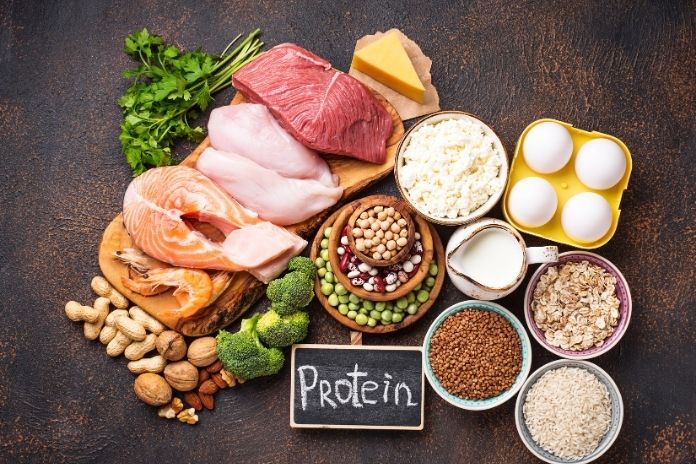
When eating fast food, protein becomes even more critical than usual. Satiety is one of the main advantages of protein. It prolongs feelings of fullness and satisfaction.
Protein is essential for building blood, muscle, and bones, but most Americans currently consume more than enough, according to research.
Derrek Eby, CEO of Hercules Nutrition & Training, says, “Not all protein sources are created equal. High-quality proteins, like meat, eggs, and whey, give your body the most benefit.”.
The order you place will determine this. As a category, fast food is a simple source of protein. The fact that most fast food menus offer a wide variety of selections that are complete sources of protein, including all nine essential amino acids, such as meat, chicken, fish, eggs, and dairy, is one advantage.
That said, fast food restaurants usually cut corners on ingredient quality to keep costs down. Meaning, it’s very rare to find organic, pasture-raised meat, eggs, or dairy, which may pack more vitamins and minerals than their grain-fed counterparts.
Additionally, protein is very essential for maintaining energy levels following fast food. Carbohydrate-heavy alternatives can cause rapid blood sugar spikes and drops, leading to fatigue and cravings. Adding enough protein helps reduce absorption, promotes steady energy, and makes fast food meals more sustaining rather than just temporarily satisfying.
What Makes a Fast Food Meal High in Protein
A fast food meal is considered high in protein based on how much usable protein it supplies, not because it simply encompasses meat or dairy. Protein per serving, indicating the number of grams of protein per meal, is one factor to consider.
Protein density is just as important as protein content. Grilled chicken bowls usually have a higher protein density than chicken sandwiches because they provide the same amount of protein but far fewer calories than bread chicken sandwiches with heavy sauces.
The kind of protein also matters. Lean protein options, such as grilled chicken, turkey, egg whites, fish, or legumes, provide protein without excessive saturated fat or extra calories. Conversely, highly processed proteins, such as sausages, fried meats, or severely breaded patties, frequently contain harmful fats, refined carbohydrates, and excess sodium.
High-Protein Fast Food Categories That Work Best
These are a few of the fast food menu items that are high in protein and healthy:
Grilled Chicken–Based Meals
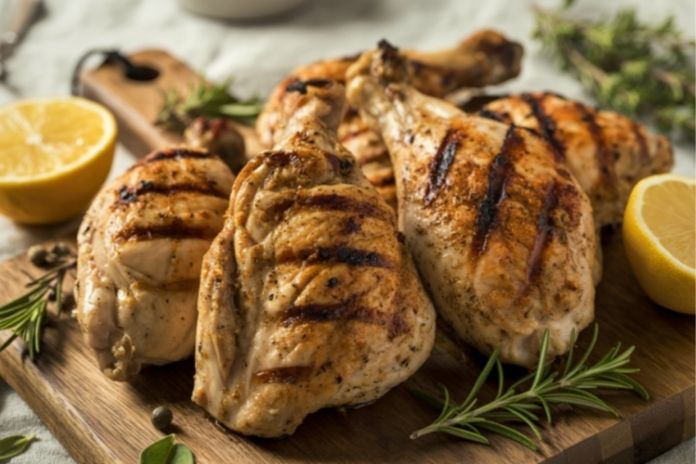
One of the greatest low-calorie, high-protein fast meal options is grilled chicken. It is because lean protein has been directly linked to stronger bones and muscles and is a considerably healthier alternative to red meat.
Grilled chicken sandwiches and wraps, which contain 25-40 grams of protein per serving, are available at many fast-food restaurants. You can benefit from chicken’s high protein content without consuming the fat and calories that are often associated with chicken-based menu items by avoiding fried chicken sandwiches at fast-food restaurants.
These low-calorie, high-protein fast food options are a great choice because they offer a much healthier balance of flavor and nutrition.
Egg-Based Fast Food Options
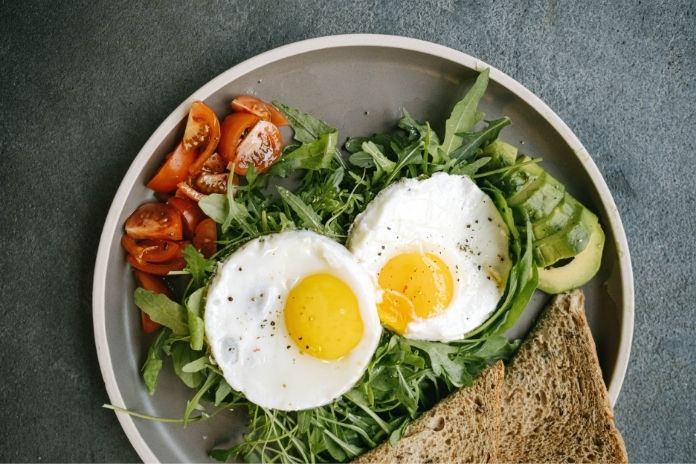
Fast-food options based on eggs, particularly for breakfast, can provide a significant amount of protein in a small meal. Eggs are a high-quality source of protein that helps promote a feeling of fullness and supports muscle maintenance.
Eggs often have fewer calories than alternatives that are high in meat. In certain circumstances, an egg-based meal is much superior to meat-based meals, since they are less processed and easier to control the amount of food consumed.
Burger and Sandwich Options (Smart Picks)
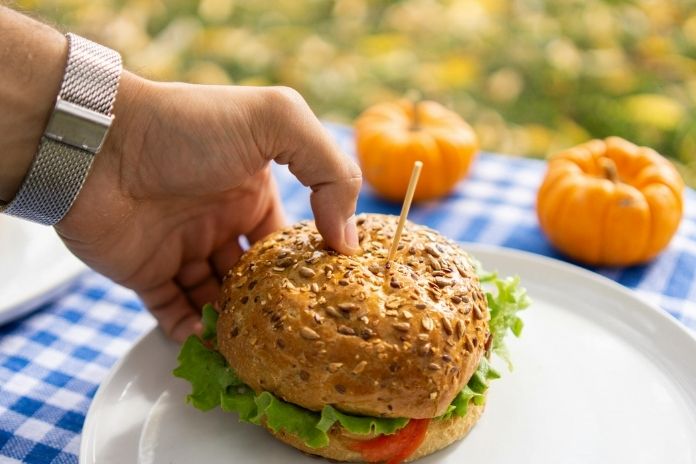
Sandwiches and burgers can be protein-dense if carefully chosen. The secret is to select patties having higher protein content, such as plant-based patties made with protein-rich ingredients, or you can use beef or chicken patties.
Buns often provide more calories than protein, so bun replacements, smaller buns, or open-faced options help balance calories with protein. Portion control also matters. Interestingly, a double patty without extra toppings might sometimes be more protein-efficient than using a single patty, which is filled with sauces and cheese.
Bowl-Style and Salad-Based Meals
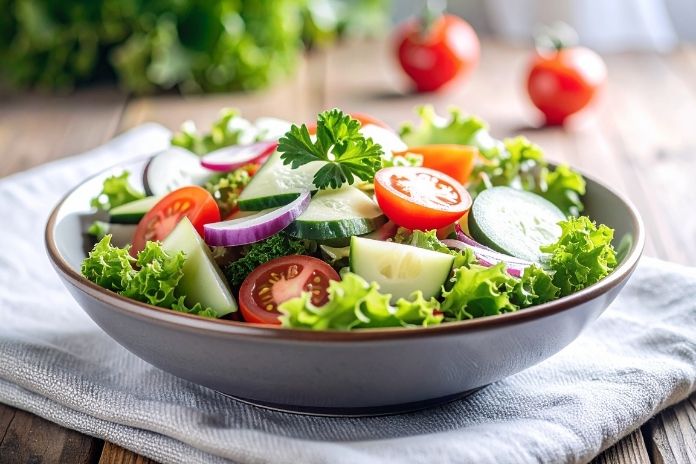
When appropriately prepared, salad-based and bowl-style fast food dishes are often high in protein. Bowls with grilled meats, beans, eggs, or tofu typically provide a substantial amount of protein without being overly high in refined carbohydrates.
Salads, however, aren’t automatically high in protein and rely mainly on greens and garnishes with limited protein content. The base and add-ins make the difference.
Read More: Protein Powder in Coffee: How to Do It, Why It Works, and What to Watch Out For
Vegetarian and Plant-Based High-Protein Fast Foods
Plant-based and vegan diets have grown in popularity as a means of improving animal welfare, sustainability, and overall health. Although, what’s the difference? All animal products, like meat, dairy products, eggs, and honey, are off-limits to vegans. Though some people still use small amounts of animal products, plant-based eating is a bit more inclusive and emphasizes meals made from whole, minimally processed plants.
Both types of eating have been linked to health benefits like lower risk of heart disease, lower cholesterol levels, and improved body weight, according to the Mayo Clinic. By reducing your carbon footprint and conserving resources, plant-based diets could help build a more sustainable food system.
Legume- and soy-based foods such as bean bowls, lentil fillings, tofu, tempeh, and soy-based burgers are among the most reliable alternatives. These foods naturally contain more protein than many other plant ingredients and typically have extra fiber, which helps with fullness and digestion.
It’s also crucial to know that plant-based doesn’t always guarantee nutrition. Vegetarian alternatives at many fast food restaurants are nevertheless highly processed, using chemicals, salt, and refined oils to simulate the sensations of meat. You can maintain protein quality by paying attention to ingredient cues and prioritizing simpler preparations.
High-Protein Fast Foods for Specific Goals
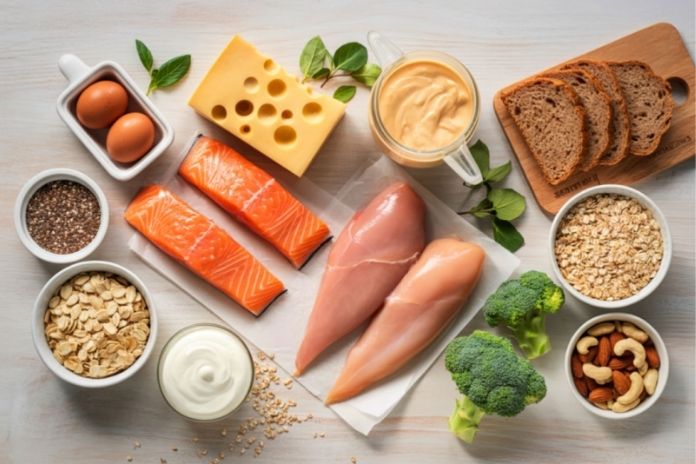
When choosing healthy fast-food protein options, you must be careful. A balance between your protein intake and meal plan will help you achieve these goals. Consider what type of protein your body needs at this moment in time and how much protein you need to achieve your goals.
For weight management, protein helps you feel full and curbs mindless eating later in the day. Focus on fast-food meals that fill you up without a ton of calories, and prioritize protein such as grilled chicken, eggs, or beans without a side of a thick sauce.
Protein helps to maintain blood sugar stability by slowing digestion and preventing abrupt energy spikes and falls. In fast food, meals that are high in protein and low in refined carbohydrates, like a sandwich without the bun, breakfast with eggs, or meals containing legumes, provide more consistent energy and help regulate blood sugar levels.
Read More: Shrimp vs Chicken for Weight Loss: Which Protein Is Better?
What to Watch Out for With High-Protein Fast Foods
Fast food high in protein is undoubtedly the most convenient, but it often comes with many compromises that are easy to overlook. One of the most important is excess sodium.
Many protein-rich options, including grilled meat, sandwiches, and bowls, are heavily seasoned or marinated, sending sodium levels well beyond the daily recommendation in just one serving. Too much sodium leads to bloating, water retention, and even long-term heart health risk.
Another major violator is processed food like bacon, deli-style slices, and sausages, even plant-based patties. Foods that are high in protein and low in carbohydrates or both can make your diet a minefield of sodium, saturated fat, and preservatives. Constantly straying out of bounds can ruin your diet, no matter how much protein you eat.
How to Build a More Balanced High-Protein Fast Food Meal
To improve the calorie intake, you can order à la carte products or skip part of your meal. Additionally, there are occasions when you want to order a whole meal without sacrificing any of the ingredients that contribute to its flavor. Here are a few easy guidelines to improve the nutritional profile of your fast-food.
Try to Aim for at Least 20 to 40 g of Protein: Eat at least 20 to 40 gms of protein at a meal to maximize muscle building. This amount of protein can help you maintain a healthy body weight, promote satiety, and support muscle recovery.
Look for Fiber: Fiber improves digestive health, helps manage blood sugar levels, and contributes to fullness. The USDA advises that men need at least 38 g of fiber a day, and women 25 grams, but most of us fall short.
Reduce Fat: Fast-food meals often contain more than 50 grams of fat. On a 2,000-calorie-per-day diet, that comes to around 44-77 grams of fat per day. Meaning that you could easily get all of the necessary fat for the day in one meal.
Limit Added Sugar: Too much added sugar may lead to weight gain, increased risk of heart disease, and other health problems. Fast-food items, from soda to salad dressing, are usually swimming in added sugar. Men should consume not more than 36g of added sugar in a single day, while women should consume no more than 25g.
Are High-Protein Fast Foods Healthy Long-Term?
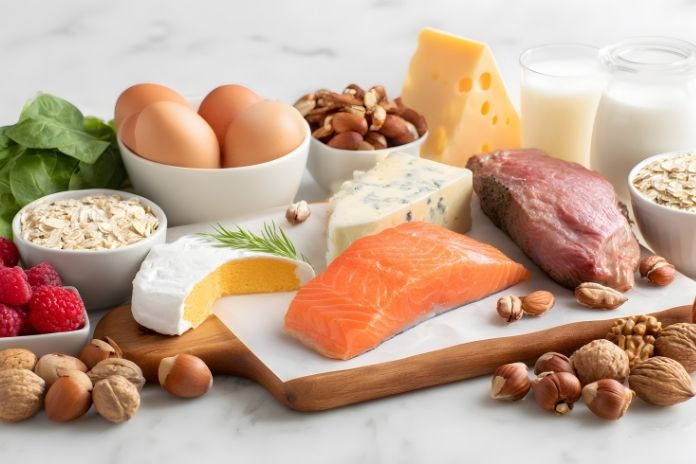
In healthy individuals, high-protein diets have not been linked to health issues. But there is a vast range of these types of diets. The carnivore diet, which substitutes animal-based foods for nearly all carbs, is one extreme example. All the food groups can be included in a high-protein diet, though.
In general, a high-protein diet will help with short-term weight loss by making you feel fuller. However, there are certain health risks associated with a long-term high-protein diet. Researchers are still investigating the long-term dangers of high-protein, carbohydrate-restricting diets.
Specific high-protein diets, particularly extremely restrictive ones like the carnivore diet, restrict carbohydrates to such an extent that you may not obtain enough fiber or nutrients, which can lead to symptoms such as bad breath, headaches, and constipation.
Some high-protein diets allow red meat, processed meat, and other kinds of foods that are high in saturated fat. These foods may increase your risk of heart disease. Additionally, they can raise your “bad” cholesterol, or low-density lipoprotein (LDL).
Read More: Turn Your French Toast Into a Protein Powerhouse
Conclusion
There are more high-protein options in fast food nowadays than ever before. You have to know where to look and where to modify.
You typically have more freedom when ordering fast food online or via an app, choosing the components you like and excluding those you don’t. It is a game-changer that allows active people to design a meal to help them meet their macros.
The temptation to eat more meat or double up on protein is advised if you have high protein goals, such as during a cutting cycle or after an injury. It can help you meet your needs and improve the overall satisfaction with your meal.
References
- Amanda Mactas. (2025, November 3). The best high-protein fast food orders in America right now, according to a nutritionist.
- Bueckert, S. (2024, April 12). 20 healthy(ish) high-protein fast food orders that win lunch hour.
- Destini Moody, RD, CSSD, LD. (April 22, 2024). Busy Day? Try One of These RD-Approved High-Protein Fast Food Meals.
- Mia Pettigrew. (January 9, 2026). Protein push: Why grocery stores and fast food chains are going high-protein.
- Ben’s Fast Food. The Ultimate Guide to Vegan & Plant-Based Eating at Ben’s Fast Food.
In this Article