















As the weekend draws to a close, Sunday evenings often arrive with an undercurrent of tension. Many people experience a phenomenon known as the “Sunday Scaries”, a wave of anxiety that builds as Monday looms. This psychological response stems from the pressure of unpreparedness and the shift from relaxation to routine. It’s not just in your head; studies show that anticipatory stress peaks on Sunday evenings, affecting both mood and sleep.
Wellness experts, however, see this transition differently. To them, Sunday night isn’t an ending but a powerful beginning. It’s a strategic pause to reset the mind, restore the body, and realign emotionally before the demands of a new week. Rather than dread the week ahead, they intentionally use Sunday to prepare for it.
This article dives deep into the rituals and routines that top wellness coaches, therapists, and holistic experts swear by. From mental decluttering to physical recovery and emotional grounding, we’ll explore how to structure your Sunday nights for success, peace, and performance. Let this guide transform your Sundays from stressful to sacred.

Mental Reset Rituals

The first layer of a truly restorative Sunday wellness routine doesn’t start with skincare or smoothies; it starts in the mind. For many wellness experts and high performers, mental clarity on Sunday sets the tone for a more focused, intentional, and emotionally balanced week. It’s about slowing down just enough to become aware of what’s working, what isn’t, and what matters most.
This isn’t about creating a Pinterest-perfect day. It’s about small, thoughtful habits that anchor you mentally before the pace of Monday begins.
Journaling or Intention Setting
Instead of waiting until chaos hits on Monday morning, many experts carve out 10–15 minutes on Sunday evening for light journaling or intention setting. This isn’t the heavy, emotional kind of journaling; no need to spiral into over-analysis. Think of it as a reset: a chance to briefly review the week, acknowledge progress, and refocus on what matters.
A simple and highly effective framework they often use includes:
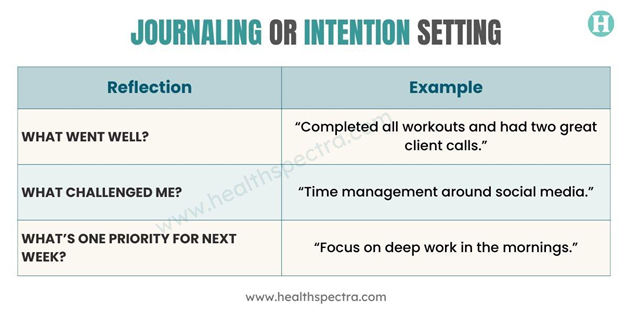 This type of reflection brings clarity, celebrates small wins, and prevents the mental overload that often creeps in when the week begins without a plan. It’s like mentally decluttering your desk before sitting down to work.
Digital Detox
By Sunday evening, most people have consumed hours of content, from mindless scrolling to constant notifications. That’s why many wellness professionals establish a clear boundary with technology by unplugging around 8 or 9 PM.
They might:
- Switch their phone to airplane mode.
- Leave devices charging in another room.
- Use a real book or journal to wind down instead of a screen.
Reducing blue light exposure helps the brain naturally produce melatonin, the hormone responsible for restful sleep. But it’s not just about sleep; this break also allows your mind to settle without distraction. Many use this window for mindful activities: gentle stretching, sipping tea, a face massage, or simply breathing deeply in silence.
It’s a conscious pause from the noise, and it makes a massive difference in how rested you feel on Monday morning.
Visualization
This final mental habit is subtle but powerful. Instead of falling asleep to a chaotic to-do list, many experts take a few quiet minutes to visualize the week ahead. This isn’t about wishful thinking; it’s a proven cognitive strategy often used by athletes, public speakers, and creatives to rehearse success mentally.
Here’s how they do it:
- Sit or lie down comfortably with your eyes closed.
- Imagine walking into Monday with calm and confidence.
- Picture key tasks getting done smoothly.
- Visualize positive conversations and outcomes.
This short visualization exercise primes the brain to look for opportunities, stay grounded under pressure, and approach challenges with intention. It replaces anxiety about the unknown with a grounded sense of preparedness.
READ MORE: World Mental Health Day: Practical Strategies to Prioritize Mental Wellness
Physical Wellness Practices

Resetting the body is just as essential as clearing the mind. A physically aligned body supports better sleep, sharper focus, and steadier moods throughout the week. Sunday evenings offer a valuable pause, a moment to check in, nourish the body, and gently prepare it for what’s ahead. Instead of drastic routines or rigid regimens, wellness experts focus on small, intentional habits that offer restoration and momentum.
Whether you’ve spent the weekend overcommitted or overly sedentary, these physical wellness practices can help you recalibrate.
Gentle Movement or Stretching
The body holds stress just like the mind does. Long hours of sitting or even a hectic weekend of errands and socializing can build up tension. That’s why wellness professionals often start with gentle mobility to reconnect with the body in a restorative way, not to burn calories or “undo” weekend indulgences.
Recommended movements include:
- 10 minutes of restorative yoga: Legs-up-the-wall, child’s pose, and supine twists help release lower back tension and calm the nervous system.
- A 15-minute walk outdoors: A slow, mindful walk in natural light can realign circadian rhythms and boost serotonin.
- Foam rolling or fascia release: Using a foam roller or lacrosse ball on the calves, glutes, or upper back can reduce muscle tightness and improve circulation.
These movements aren’t about performance; they’re about stimulating lymphatic flow, activating the parasympathetic nervous system, and supporting a smoother transition into rest and sleep.
Meal Prep or Grocery Planning
Physical wellness begins in the kitchen, and Sunday is the ideal time to establish a nutritional foundation for the week. Instead of full-blown meal prepping, many experts keep it light and functional. The focus is on prepping enough to reduce weekday stress and ensure consistent, nourishing choices.
Here’s how they simplify the process:
- Wash and chop vegetables for quick salads, stir-fries, or snacks.
- Batch-cook one protein like roasted tofu, grilled chicken, or chickpeas.
- Prep 3–5 meals or at least a few lunch boxes to avoid midweek takeout traps.
- Take stock of pantry staples and schedule a quick grocery delivery if needed.
This small window of preparation saves hours during the week and reduces food decision fatigue, which can often lead to anxiety or poor eating patterns.
Sleep Hygiene Tweaks
A good week begins with good sleep, and Sunday night can be a gentle reset button for your sleep environment. Experts often use this evening to optimize their bedroom and evening rituals to promote high-quality rest.
Common practices include:
- Lowering the thermostat to around 68°F (20°C), which helps signal to the body it’s time to sleep.
- Switching overhead lights for warm, low lighting to support natural melatonin production.
- Taking magnesium glycinate, a mineral supplement known to support muscle relaxation and deeper sleep.
- Playing binaural beats or ambient sounds (like rain or ocean waves) to calm brain activity and reduce nighttime restlessness.
These sleep hygiene rituals not only improve Sunday night rest but also set a calming rhythm for the rest of the week. It’s not just about how many hours you sleep; it’s about how deeply and restfully your body is allowed to restore.
Emotional and Spiritual Practices

Just as the body and mind need attention, so does the heart. Emotional and spiritual well-being often sets the tone of the week, influencing how we relate to ourselves and others. Experts agree that the emotional atmosphere you create on Sunday, peaceful, connected, and grateful, has a powerful ripple effect. It can soften stress, restore energy, and provide the inner calm needed to navigate whatever the week may bring.
This part of a Sunday wellness routine doesn’t require hours or rituals; it simply asks for presence, reflection, and intention.
Gratitude Rituals
Gratitude isn’t about forced positivity; it’s about gently shifting your focus to what is working, even in small ways. Many wellness experts end their Sundays by jotting down three simple things they’re thankful for. It could be as small as a warm cup of tea or as meaningful as reconnecting with a friend.
This practice doesn’t need to be elaborate:
- Write in a journal or simply think through your list before bed.
- Focus on sensory, emotional, or relational moments.
- Let the act of gratitude calm your thoughts before sleep.
Consistently practicing gratitude helps regulate emotions, reduce anxiety, and foster a more balanced outlook for the week ahead.
Spiritual Resets
Spirituality means different things to different people. For some, it’s rooted in religion; for others, it’s a quiet sense of inner alignment or connection to the universe. What matters most is creating space to slow down, listen inwardly, and reconnect with your values or higher self.
Common spiritual resets include:
- Prayer or silent reflection to reconnect with faith or purpose.
- Breathwork, chanting, or mantras to clear mental clutter.
- Meditation or mindfulness to return to presence and peace.
Whether five minutes or thirty, these practices offer emotional grounding and help you carry intention into the week, not just tasks.
Unplugged Time with Loved Ones
While Sundays are often treated as solo reset days, many experts emphasize the importance of relational wellness. True emotional nourishment also comes from feeling connected, seen, and supported. That’s why intentional, tech-free time with loved ones is a non-negotiable for many.
Some ways this shows up:
- Cooking or eating dinner with a partner, with phones tucked away.
- Playing with your kids, doing crafts, or taking a short walk.
- Calling a parent, friend, or sibling just to talk, without multitasking.
This emotional check-in with others strengthens bonds and leaves you feeling more centered, loved, and ready to give and receive support throughout the week.
Planning and Productivity Without the Pressure

Sunday planning doesn’t have to feel rigid, stressful, or overwhelming. In fact, wellness experts often emphasize a gentle, no-pressure approach to productivity, one that feels like self-support, not self-surveillance. The goal isn’t to micro-manage every hour of the coming week, but to simply reduce decision fatigue and create mental spaciousness.
With just a few intentional steps, your Sunday night can transition from “overthinking everything” to feeling prepared but peaceful.
Brain Dump or To-Do Review
Instead of mentally juggling a dozen unfinished thoughts, many experts start by externalizing everything into a journal, planner, or digital tool. This quick brain dump helps separate what truly needs attention from what’s just background noise.
Here’s how it works:
- List out everything on your mind, no filtering or organizing at first.
- Then group tasks under categories like Work, Home, or Personal.
- Finally, highlight 3 key priorities for Monday to focus your energy.
This process takes just 10–15 minutes but offers huge mental relief. It allows you to sleep better, feel in control, and hit Monday with clarity instead of chaos.
Time Blocking and Calendar Sync
Once the task list is out of your head, it’s time to look at the structure of your week. Many experts review their calendars on Sunday evening to loosely block time for deep work, meetings, rest, and even personal tasks. This isn’t rigid hour-by-hour scheduling; it’s about giving your brain a preview of what’s ahead.
They often:
- Color-code work vs. personal blocks for visual clarity.
- Leave buffer time between commitments for breaks or catch-ups.
- Align their calendars with family members or teammates to prevent overlap.
This kind of flexible planning helps reduce surprises and makes space for flow, not just function.
Resetting Physical Spaces
Mental clarity is often tied to your physical surroundings. That’s why many wellness-focused individuals build in a 15–30 minute home reset as part of their Sunday wind-down. You don’t need to deep clean your entire house, just refresh the key areas that support your productivity and calm.
Here’s a simple reset checklist:
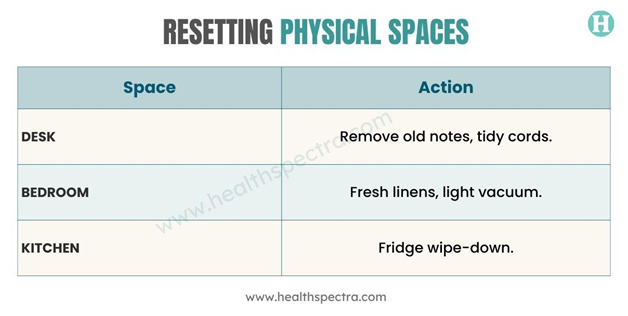 When your physical space feels clean and organized, your brain follows suit. It’s a small ritual that signals, I’m ready for the week ahead.
Expert Tips You Can Try Tonight

You don’t need a two-hour ritual or expensive tools to feel grounded. Most wellness experts agree: the best routines are the ones that are simple, flexible, and doable, especially on busy nights. Even 15 intentional minutes can shift your mood and energy, setting the tone for better rest and a more mindful tomorrow.
Favorite Tools That Actually Work
These expert-recommended tools are low-effort but high-impact. You don’t need all of them; just start with one that resonates.
- Lavender essential oil: Dab on wrists or diffuse to promote calm and relaxation.
- Blue light glasses: Wear after sunset to protect your circadian rhythm.
- Guided meditation apps: Try Headspace, Insight Timer, or Calm for quick wind-down sessions.
- Journals or planners: The Five Minute Journal and Notion are popular for quick reflections and intention setting.
A Beginner-Friendly 15-Minute Routine
If you’re not sure where to start, here’s a mini wellness routine that anyone can try, no fancy gear or pressure required.
- 5 min Journal: Write 1–2 lines about what you learned this week and name your #1 focus for tomorrow.
- 5 min Stretch or breathe: Do a few slow neck rolls, legs-up-the-wall, or try 4-7-8 breathing to calm your system.
- 5 min Prep & unplug: Set your phone to Do Not Disturb, lay out one outfit, or prep one lunch box.
Customize It to Fit Your Life
Wellness doesn’t come from copying someone else’s routine; it comes from creating one that feels good to you. Experts emphasize consistency over complexity. If yoga feels awkward, skip it. If writing feels like a chore, talk through your intentions aloud.
The point is to build a ritual that supports your version of a grounded, intentional life, and to make it something you look forward to, not something you dread.
Read More: Best Mindfulness Journals for Anxiety and Self-Reflection
Common Mistakes to Avoid
While Sundays are meant for rest and gentle preparation, many people unintentionally turn them into another workday. In the name of productivity, they overschedule, overstimulate, and forget to actually recharge. Wellness experts agree, Sunday should feel like an exhale, not a deadline. Here’s what to watch out for if you want your reset to truly restore.
- Overscheduling Everything: Trying to cram laundry, cleaning, meal prep, and goal-setting into one night creates overwhelm. Experts recommend limiting yourself to just 1–2 core tasks and letting the rest wait.
- Staying on Screens Until Bedtime: Doomscrolling kills the calm. Blue light overstimulates the brain and delays sleep, so many experts unplug early and turn to offline activities like books, light journaling, or music.
- Using Sunday Only to Catch Up: If Sunday becomes your “makeup day” for an unproductive week, it loses its power as a reset. Protect at least part of the evening for unwinding, not just catching up.
- Trying to Perfect the Routine: You don’t need the perfect playlist, tea, and outfit to reset. Waiting for everything to align perfectly creates pressure; progress comes from consistency, not perfection.
- Skipping Rest in the Name of Prep: Prepping for the week ahead is great, but not if it comes at the cost of your energy. The best routines leave you feeling refreshed, not more drained than when you started.
Final Takeaway
The power of a Sunday wellness routine lies not in how perfect it looks, but in how intentional it feels. You don’t need elaborate rituals, expensive tools, or a flawless plan. What you truly need is space, to breathe, to reflect, to reconnect with yourself before the world asks for more.
When approached mindfully, Sunday night becomes something sacred. It’s not a time to fix everything you didn’t finish; it’s a quiet invitation to begin again, gently and with clarity. This is what wellness experts understand: Sunday isn’t for catching up on life. It’s for preparing to live it more fully.
So when Sunday comes, don’t rush. Light a candle. Slow your steps. Let stillness speak. Even the smallest acts, stretching, journaling, and making tea, can shift your energy and reshape your week.
Your week doesn’t start on Monday morning. It starts the moment you decide to honor your Sunday night. So give it meaning. Make it yours. And let it carry you forward, rested, ready, and rooted.
References
- https://www.scentered.com/blogs/news/quick-and-easy-2-minute-mental-reset-ritual
- https://www.cahreewellness.com/post/scent-rituals-for-stress-relief
- https://www.linkedin.com/pulse/create-reset-ritual-mental-clarity-3-steps-jessica-genius-butler-7xjie
- https://lightworktr.com/self-care-sundays/
- https://www.calm.com/blog/how-to-bring-meaningful-rituals-into-your-daily-life
- https://atmantan.com/blog/8-emotional-healing-therapies-for-better-health-wellbeing/
- https://www.snsociety.org/spirituality-and-emotion
- https://www.ramdass.org/using-emotions-on-the-spiritual-path
- https://www.quora.com/What-are-some-spiritual-practices-that-help-us-to-control-our-mind-emotions-and-heart
- https://www.frontiersin.org/journals/psychology/articles/10.3389/fpsyg.2014.00215/full
- https://medium.com/@zain_ul_abdeen/common-mistakes-people-often-make-and-how-to-avoid-them-e832f86c55bb
- https://www.sleephealthfoundation.org.au/sleep-topics/sleep-mistakes
- https://mysleepwell.com/blog-details/6-things-you-should-never-do-when-you-cant-sleep/219
In this Article