











After a tough workout, your body isn’t just tired, it’s in full-on recovery mode. Muscles are worn down, glycogen stores are drained, and your system is looking for fuel to rebuild, repair, and come back stronger. This is where carbs come in, not as the enemies of fitness, but as key allies.
Here’s the thing: carbs have gotten a bad rap, especially in circles obsessed with keto, fasting, or low-carb everything. But post-workout, they’re essential. When you exercise, especially at high intensity, your muscles burn through glycogen, your body’s preferred source of quick energy. Without replenishing those stores, recovery slows, fatigue lingers, and your next session can suffer.
So no, carbs aren’t “bad.” What matters is quality, timing, and pairing. The right carbs, especially whole, nutrient-dense ones, can help drive protein into muscles, reduce cortisol (your stress hormone), and kick-start the repair process. And when paired with protein, they work even better.
Whether you’re lifting heavy, sprinting hard, cycling long, or just walking out of a sweaty yoga class, what you eat after matters. A lot. And carbs should be part of that equation.
In this article, we’ll break down exactly why carbs matter after exercise, which kinds to prioritize, and how to pair them for better results. Plus, we’ve got five quick and easy post-workout recipes that are as practical as they are powerful.
Let’s get into it.
Why Carbs Are Crucial After Exercise

When you train hard, whether it’s lifting, sprinting, or grinding through a long cardio session, your muscles burn through stored glycogen (the form of glucose your body saves for moments like this). By the time you finish, those glycogen reserves are low, and your muscles are essentially running on empty. That’s where post-workout carbs step in.
Eating carbs after exercise isn’t just helpful, it’s essential. They play a central role in refueling your body and kickstarting recovery. Here’s what they do:
- Replenish depleted glycogen stores: This helps restore your energy levels, so you’re not dragging through the rest of your day or underperforming in your next workout.
- Support muscle repair, especially when paired with protein: Carbs stimulate insulin, a hormone that not only transfers glucose into cells but also helps amino acids (from protein) get absorbed into muscle tissue for repair and growth.
- Reduce post-workout fatigue and soreness: Quick glycogen replenishment can help reduce delayed onset muscle soreness (DOMS) and that wiped-out feeling.
- Prep your body for your next session: If you’re training again within 24 hours or doubling up on workouts, carbs help speed up recovery so you’re ready to go again.
A 2025 systematic review and meta‑analysis in Frontiers in Nutrition (Cheng et al.) provides strong evidence that rapid nutrient timing post-exercise improves recovery from fatigue and enhances repeated-performance capacity.
To get the most out of your post-workout meal or snack, timing and ratios matter. Most sports nutrition experts recommend a 3:1 carbohydrate-to-protein ratio. That means if you’re getting about 15–20 grams of protein, you’ll want 45–60 grams of carbs alongside it. This combo doesn’t just refill glycogen; it creates the perfect internal conditions for muscle repair, adaptation, and growth.
This becomes even more important after:
- Resistance or strength training (like weightlifting or bodyweight circuits).
- High-intensity interval training (HIIT).
- Long-duration cardio (running, cycling, swimming).
- Back-to-back or twice-a-day sessions.
Skipping carbs during this recovery window doesn’t just slow down recovery; it can lead to increased muscle breakdown, prolonged fatigue, poor performance in your next session, and a higher risk of injury or burnout.
A 2021 two-part systematic review and meta‑analysis (Craven et al.) confirmed that CHO+PRO ingestion improves muscle protein synthetic rate and recovery outcomes, versus carbs alone, especially after intense activity.
Bottom line: carbs aren’t a cheat, they’re a tool. Used right, they help you bounce back faster, build more muscle, and train harder.
Read More: The Power of Macronutrients: Understanding Proteins, Carbs, and Fats in Your Diet
Best Types of Carbs to Eat After a Workout

Let’s be clear, not all carbs are the same. Some are slow and steady, giving you longer-lasting energy. Others hit fast, refilling your glycogen stores almost instantly. Both types have their place in your recovery plan. What matters is choosing the right carb for your workout intensity, timing, and goals.
Here’s a breakdown of the best options:
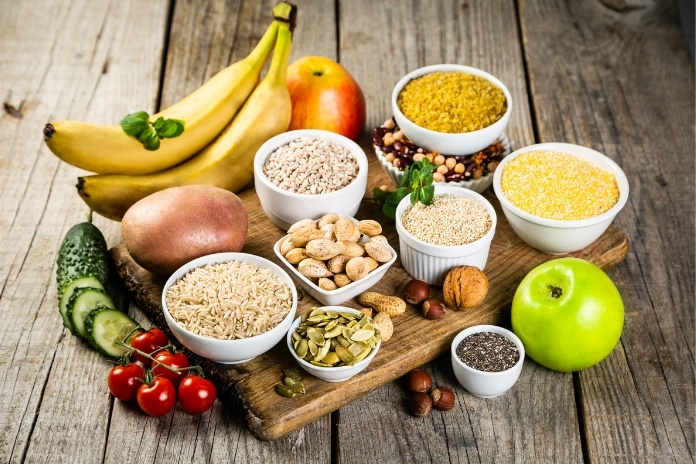
a. Whole Grains
Examples: Brown rice, quinoa, oats, whole wheat pasta
Whole grains are the backbone of smart post-workout meals, especially when you’re looking at long-term recovery and muscle repair. They’re packed with complex carbs, fiber, B vitamins, magnesium, and plant-based antioxidants. They digest more slowly than simple carbs, giving you steady energy without a crash.
Why they work:
- Restore glycogen steadily over time.
- Support muscle repair through micronutrient delivery.
- Keep digestion smooth thanks to fiber.
Best for: Strength training days, heavy lifting sessions, and long cardio where you don’t need to recover immediately but still need solid fuel for muscle recovery and energy levels.
Dr. Nancy Cohen, MD, Professor of Nutrition at the University of Massachusetts Medical School, emphasizes that “Complex carbohydrate sources such as whole grains, legumes, and starchy vegetables provide not only sustained glycogen replenishment after training but also essential micronutrients that support muscle recovery and metabolic health.”
b. Fruits
Examples: Bananas, berries, pineapple, mangoes, dates
Fruits are nature’s fast fuel. They contain natural sugars (like glucose and fructose) that get absorbed quickly, perfect for refilling glycogen stores. But they also pack vitamins, minerals, hydration, and inflammation-fighting antioxidants, especially berries and citrus fruits.
Why they work:
- Quick glycogen replenishment.
- Hydration support (due to water content).
- Reduces inflammation and oxidative stress after intense effort.
Best for: Early morning workouts, cardio-heavy sessions, or when you need quick recovery on the go.
c. Starchy Vegetables
Examples: Sweet potatoes, beets, squash, corn
Don’t sleep on starchy veggies. They’re often underrated but incredibly useful. Sweet potatoes are loaded with complex carbs, beta-carotene (a precursor to Vitamin A), and potassium. Beets can enhance nitric oxide production, which helps blood flow and muscle oxygenation.
Why they work:
- Nutrient-dense, filling, and naturally sweet.
- Help replenish glycogen while supporting immune and cardiovascular health.
- Easier to digest than some grains, especially post-workout.
Best for: Evening workouts, endurance athletes, and those focused on muscle gain or balanced post-training meals.
d. Legumes (If Light Workout or Long Recovery Window)
Examples: Chickpeas, lentils, black beans, kidney beans
Legumes are a slow burn. They’re high in complex carbs, protein, and fiber, but they take longer to digest. That makes them better suited for lower-intensity workouts or meals eaten hours after training, not immediately after a high-intensity session.
Why they work:
- Offer a steady stream of energy and plant-based protein.
- Keep you full longer.
- Ideal for recovery meals when you’re not in a rush to refuel.
Best for: Recovery days, light yoga or walks, or post-workout meals 1–2 hours after training, especially for vegetarians or vegans.
e. Simple Carbs (When You Need Recovery, Fast)
Examples: White rice, rice cakes, toast with honey, fruit juice
This is where fast-acting carbs come in. After intense or double training sessions, your body is screaming for immediate fuel. Simple carbs are absorbed quickly, spike insulin (which helps shuttle nutrients into muscles), and get the recovery process rolling fast.
Why they work:
- Rapid glycogen replenishment.
- Ideal for short recovery windows or back-to-back workouts.
- Can be paired with protein for quicker muscle repair.
Best for: Athletes training multiple times a day, high-volume endurance training, or those with limited time between sessions.
Final tip: No single carb source is perfect for everyone or every workout. The sweet spot is pairing your carbs with a solid protein source and matching the carb type to your recovery timeline. Fast carbs for fast recovery. Complex carbs for sustained repair. Get that right, and you’ll feel the difference in your energy, soreness, and performance.
Healthy Post-Workout Carb-Rich Recipes
You’ve trained hard. Now it’s time to refuel smart. The key? Meals that combine quality carbs with enough protein to jumpstart muscle repair, plus a few extras for flavor, balance, and real-world ease.
Here are five post-workout recipes that deliver everything your body needs to recover well and come back stronger.
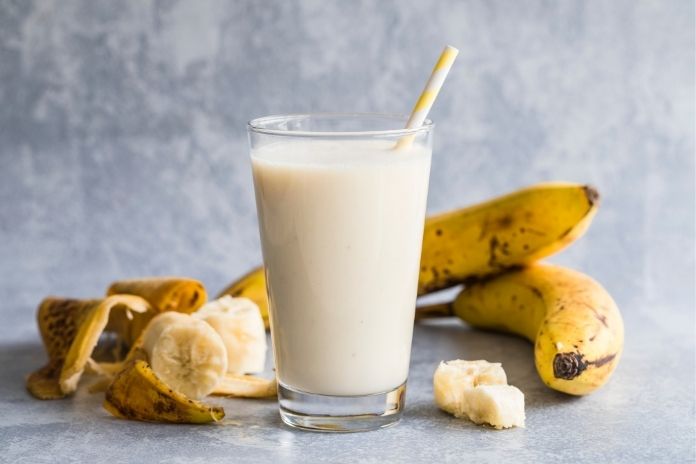
1. Banana-Oat Protein Smoothie
Ingredients:
- ½ cup rolled oats
- 1 ripe banana
- 1 scoop vanilla protein powder
- 1 cup unsweetened almond milk (or any milk you prefer)
- ½ tsp cinnamon
- Ice cubes (optional)
Why it works: This smoothie hits both fast and slow carb angles: bananas give a quick glucose hit, while oats provide longer-lasting fuel. Add protein powder and you’ve got a compact recovery meal you can sip right after your session.
Upgrade it: Toss in a spoonful of nut butter, flaxseeds, or chia for healthy fats and extra staying power.
When to drink: Perfect after morning workouts, cardio sessions, or when you’re too wiped to cook but need serious recovery fuel.
2. Quinoa Chickpea Power Bowl
Ingredients:
- ½ cup cooked quinoa
- ½ cup roasted chickpeas
- A handful of baby spinach
- Chopped cucumber, tomatoes, red onion
- 2 tbsp lemon-tahini dressing
Why it works: This bowl is light, fresh, and nutrient-dense. Quinoa gives you complete plant-based protein and complex carbs. Chickpeas add fiber, extra protein, and iron. The veggies and tahini bring in antioxidants and healthy fats.
Make it heartier: Add half an avocado or a boiled egg on top. Or both.
When to eat: Ideal for post-yoga, moderate weight training, or lunch after a mid-morning sweat session.
3. Grilled Chicken with Sweet Potato and Broccoli
Ingredients:
- 1 grilled chicken breast
- 1 cup roasted sweet potato chunks
- 1 cup steamed or sautéed broccoli
- Drizzle of olive oil, sea salt, pepper, and garlic powder
Why it works: This is your no-nonsense, high-protein, high-carb recovery plate. Sweet potatoes refill glycogen without spiking blood sugar. Chicken gives you lean, complete protein. Broccoli adds fiber, folate, and a solid micronutrient boost.
Meal prep hack: Roast sweet potatoes and grill a few chicken breasts in bulk on Sunday. Your future self will thank you.
When to eat: After strength training, leg day, or when you’re truly hungry post-session and want something real and satisfying.
4. Greek Yogurt Parfait with Berries and Honey
Ingredients:
- 1 cup plain Greek yogurt (full-fat or low-fat, your call)
- ½ cup mixed berries (blueberries, strawberries, raspberries)
- 1 tbsp raw honey
- ¼ cup granola (optional for crunch and carbs)
- A sprinkle of chia or flax seeds
Why it works: Fast-digesting carbs from berries and honey give your body quick fuel. Greek yogurt delivers a solid protein punch. Together, they make for a perfect light recovery meal, especially if you’re not in the mood for a full lunch or dinner.
Bonus: This one doubles as a great gut-health snack thanks to probiotics.
When to eat: After light cardio, pilates, or as a recovery breakfast after an early-morning session.
5. Peanut Butter Rice Cakes with Sliced Banana
Ingredients:
- 2 plain or lightly salted rice cakes
- 2 tbsp natural peanut butter
- ½ banana, thinly sliced
- Optional: Sprinkle of chia seeds or hemp hearts
Why it works: This combo is pure convenience: simple carbs from rice cakes and a banana for a quick energy boost, protein and healthy fats from peanut butter to keep you going. It’s not fancy, but it works, and it travels well.
Power tip: If you’re training again in a few hours, this snack is perfect for that short recovery window.
When to eat: Right after a gym session if you’re headed to work, class, or errands. Also great as a pre-dinner recovery bite if you plan to eat a full meal later.
Final Word: Post-workout nutrition doesn’t need to be complicated. Stick to real food, aim for that 3:1 carb-to-protein ratio, and eat within 30–60 minutes of training if possible. These meals check all the boxes: they’re balanced, easy to prep, and tasty enough to look forward to.
Recovery starts in the kitchen. Feed your muscles what they’ve earned.
Timing: When to Eat Carbs After a Workout
Dr. Stacy Sims, PhD, Exercise Physiologist & Nutrition Scientist, suggests, “Ideally, aim to eat within 30–45 minutes after finishing your workout. If you delay nutrient intake, you remain in a catabolic breakdown state and impede your body’s ability to shift into recovery and repair.”
Why this window matters:
- Maximizes glycogen synthesis.
- Reduces cortisol levels (your body’s stress hormone).
- Accelerates recovery and performance.
For intense workouts or multi-hour training sessions, it’s even more crucial to eat sooner rather than later. Waiting longer than two hours can blunt your body’s ability to efficiently restock fuel and repair damage.
If you’re not hungry immediately, a liquid shake (like the Banana-Oat Smoothie) is a great interim solution before a full meal.
Do’s and Don’ts of Post-Workout Carbs

When it comes to recovery, carbs can either be your best friend or a missed opportunity. The difference lies in how you use them. Here’s a quick breakdown of what to do and what to avoid, so you get the benefits your workout earned.
Do:
- Pair carbs with protein
A post-workout snack or meal should always include both. The sweet spot? A 3:1 carb-to-protein ratio. That means if you’re getting 20 grams of protein, aim for around 60 grams of carbs. This pairing helps replenish glycogen while triggering muscle repair and growth.
- Hydrate well
Carbs need water to be properly stored as glycogen. Plus, sweat loss can impact recovery more than you think. Replenish with water, electrolytes, or a low-sugar sports drink if you’ve had an intense sweat session.
- Prioritize whole foods
Whenever possible, go for unprocessed, nutrient-dense carbs, think oats, quinoa, fruit, sweet potatoes. They don’t just refuel you, they come with fiber, vitamins, and minerals your body craves post-exercise.
- Adjust based on workout intensity
A chill yoga flow and an all-out HIIT class aren’t in the same league when it comes to energy demand. The harder and longer you train, the more carbs your body will need to recover. Use your workout as a guide.
Don’t:
- Skip carbs altogether
Especially if you’re focused on muscle gain, recovery, or endurance. Skipping carbs post-workout can slow down muscle repair, leave you fatigued, and increase stress hormone levels like cortisol.
- Rely on sugary junk
Sure, quick carbs are helpful, but candy, soda, or overly processed snacks spike your blood sugar without offering anything useful for recovery. You’ll crash, feel bloated, and likely stay hungry.
- Wait too long to eat
There’s a critical window, about 30 to 60 minutes post-exercise, where your muscles are most receptive to nutrients. Delaying your meal can blunt glycogen replenishment and protein synthesis. Even a small snack is better than nothing.
- Ignore your overall intake
Your post-workout meal matters, but it’s part of the bigger picture. Consistency across your day and week matters more than nailing one perfect shake. Don’t over-rely on recovery meals to do all the heavy lifting.
Bottom line: Carbs aren’t something to fear after a workout. They’re part of a smart, balanced recovery plan. Use them right, pair them well, and stay consistent, and your body will thank you in strength, stamina, and long-term gains.
Final Thoughts
Let’s stop villainizing carbs and start seeing them for what they are: fuel. After a workout, your body is running low on energy, on nutrients, on reserves. Carbs step in to refill the tank, repair the wear and tear, and get you ready for the next round. Without them, recovery drags. Progress stalls. Fatigue creeps in.
This isn’t about mindlessly eating pasta or chasing sugar highs. It’s about choosing smart, nutrient-rich carbs that work with your body, not against it. A banana-oat smoothie. A bowl of quinoa and chickpeas. Grilled chicken with roasted sweet potato. These aren’t just meals, they’re recovery tools.
What you eat after a workout isn’t just about satisfying hunger; it’s about shaping results. Stronger muscles. Better endurance. Less soreness. More energy for your next session. Every post-workout bite is an investment in how you’ll show up tomorrow.
So here’s the bottom line: carbs aren’t the problem. They’re part of the solution. The goal isn’t to cut them out, it’s to choose the right ones, at the right time, for the right reason.
Fuel smart. Recover better. And never fear a carb that helps you come back stronger.
References
- https://www.herbalife.com/en-in/wellness-resources/articles/carbohydrates-exercise
- https://www.healthline.com/nutrition/eat-after-workout
- https://www.herbalife.com/en-us/wellness-resources/articles/carbohydrates-and-exercise-why-you-need-carbs-if-you-are-active
- https://pmc.ncbi.nlm.nih.gov/articles/PMC4727532/
- https://www.precisionhydration.com/performance-advice/nutrition/should-you-use-carbohydrates-or-protein-for-recovery
- https://www.bhf.org.uk/how-you-can-help/events/nutrition-for-sporting-events/carbohydrates-and-exercise
- https://pmc.ncbi.nlm.nih.gov/articles/PMC5794245/
- https://www.betterhealth.vic.gov.au/health/healthyliving/sporting-performance-and-food
- https://www.healthline.com/nutrition/eat-after-workout
- https://www.onepeloton.com/blog/what-to-eat-after-a-workout
- https://www.cleaneatingmag.com/clean-diet/15-best-post-workout-carbs/
- https://www.heart.org/en/healthy-living/healthy-eating/eat-smart/nutrition-basics/food-as-fuel-before-during-and-after-workouts
- https://www.webmd.com/fitness-exercise/ss/slideshow-foods-for-workout
- https://diabetes.org/health-wellness/fitness/eating-tips-before-after-exercise
- https://www.yahoo.com/lifestyle/15-best-post-workout-carbs-143112384.html
In this Article