














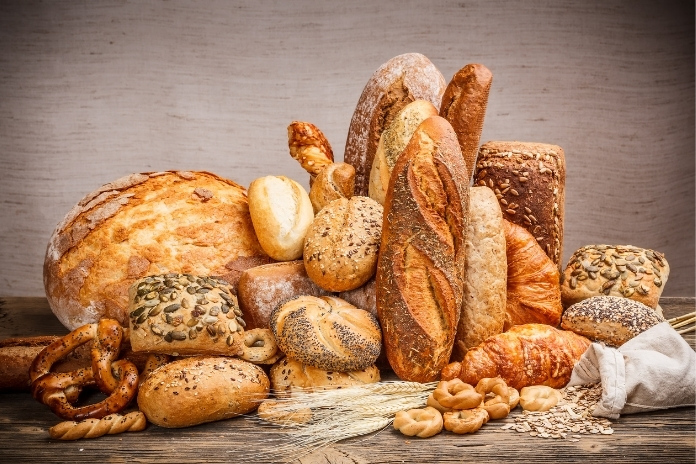
Bread is one of the most loved staples around the world, soft, versatile, and comforting. Yet it’s also one of the most misunderstood foods when it comes to digestion. Many people blame bread for bloating, sluggishness, or constipation, leading to the belief that it’s better avoided altogether. But the reality is more nuanced: the impact of bread on your gut depends heavily on the type you choose.
The kind of flour used, how the dough is fermented, and whether the bread contains fiber all shape how your body responds. Whole-grain and sourdough varieties, for example, can provide slow-release energy and even act like prebiotics, feeding the good bacteria in your gut. On the other hand, highly refined white breads or ultra-processed loaves can spike blood sugar, slow digestion, and throw off the balance of your microbiome.
So, instead of writing off bread completely, it’s about knowing which kinds can support gut health and which are worth limiting. In this guide, we’ll unpack what science says about bread and digestion, what to choose, what to skip, and how to make bread work for your body rather than against it.
Why Bread Affects Digestion

Not all bread hits your gut the same way, and that’s because what’s inside the loaf and how it’s made directly influences how your digestive system responds. From fiber content to gluten sensitivity and fermentation, the qualities of bread can mean the difference between supporting gut health and leaving you feeling bloated and uncomfortable. Let’s break down the main factors that explain why bread impacts digestion so differently.
1. Fiber Content
Fiber is the biggest link between bread and gut health. Whole-grain breads tend to support digestion, while refined varieties often do the opposite.
- Whole-grain breads contain both soluble and insoluble fiber.
- Insoluble fiber adds bulk to stool, helping prevent constipation.
- Soluble fiber feeds beneficial gut bacteria and reduces inflammation.
- White breads are low in fiber, usually less than 1g per slice.
- Whole-grain breads often deliver 3–5g per slice, making them far better for regularity.
2. Gluten and Sensitivity
Gluten is harmless for most, but some people react poorly to it. How your body responds to gluten can make a big difference in how bread affects your digestion.
- People with celiac disease must avoid gluten completely.
- Non-celiac gluten sensitivity can still cause bloating, pain, or diarrhea.
- Many people digest gluten without any issues.
- Sourdough and sprouted breads may be easier on the gut.
- Gluten-free options are essential for those with medical sensitivities.
3. Fermentation and Prebiotics
The fermentation process in breads like sourdough changes how your gut handles them. This can make certain breads not only easier to digest but also beneficial for your microbiome.
- Fermentation breaks down complex carbs and proteins, easing digestion.
- It reduces FODMAPs, which can trigger gas and bloating in some people.
- Partially digests gluten, making bread gentler for sensitive individuals.
- Creates compounds that act like prebiotics, feeding good gut bacteria.
- Supports a healthier, more balanced digestive system overall.
Dr. Vanessa Kimbell, an authority on sourdough, explains: “The wild yeast and lactobacillus in sourdough neutralise the phytic acid in whole wheat, making bread easier to digest. Long, slow fermentation also means the bread acts more gently in the gut, and many people who suffer with bloating or IBS find sourdough far more tolerable than commercial loaves.”
The Healthiest Breads for Gut Health

Bread often gets a bad reputation when it comes to digestion, but not all loaves are created equal. Some breads are loaded with refined flours and added sugars that disrupt the gut, while others can actually nourish your digestive system, support your microbiome, and improve bowel regularity. The key lies in choosing varieties that retain natural fiber, encourage healthy fermentation, and provide nutrients your body can absorb easily.
Let’s break down the top bread options that truly benefit gut health.
1. Whole Grain Bread
Whole-grain bread is one of the most gut-friendly options because it includes all three parts of the grain: the bran, germ, and endosperm. This combination delivers fiber, nutrients, and slow-digesting carbohydrates in every slice.
- Rich in fiber– Typically 3–5g per slice, supporting bowel regularity.
- Nutrient-dense– Provides B vitamins, magnesium, and iron.
- Helps satiety– Fiber slows digestion, keeping you full longer and reducing overeating.
- Digestive health link– Diets rich in whole grains are associated with increased stool bulk and improved transit time.
A 2019 study in Nutrients found that diets rich in whole grains increase stool weight and decrease transit time, directly improving digestive health.
2. Sourdough Bread
Sourdough stands out because of its fermentation process, where natural lactobacilli and wild yeasts pre-digest much of the gluten and carbs. This not only enhances flavor but also makes it easier on the gut.
- Easier digestion– Lower FODMAP content helps those sensitive to bloating or IBS.
- Supports microbiome– Acts as a prebiotic, encouraging growth of good bacteria.
- Boosts nutrients– Fermentation improves absorption of minerals like zinc and magnesium.
- Gentle on sensitive stomachs– Many people tolerate sourdough better than standard bread.
Dr. Ulysses Wu, MD, says: “The long fermentation process partially breaks down gluten and phytic acid, a compound that could block mineral absorption. For many people, that makes sourdough easier on the stomach.”
Read More: Is Sourdough Bread Good for You? Benefits, Nutrition, and How It Compares to Other Breads
3. Sprouted Grain Bread
Sprouted breads (like Ezekiel bread) are made from whole grains that have already started to germinate. This small change unlocks big nutritional benefits.
- Nutrient activation– Sprouting reduces antinutrients such as phytates.
- Better digestibility– Enzymes formed during sprouting break down starches.
- More fiber & protein– Higher levels compared to standard whole wheat bread.
- Enhanced bioavailability– Improves absorption of amino acids and minerals.
A 2019 paper in the Journal of Food Science and Technology found sprouting enhances amino acid and mineral bioavailability while reducing digestion inhibitors.
4. Rye Bread
Rye is darker, denser, and naturally higher in soluble fiber than wheat, which means it behaves differently in the digestive system.
- Gut-friendly fiber– Soluble fiber feeds good gut bacteria and helps produce short-chain fatty acids (SCFAs) like butyrate.
- Supports satiety– Creates a greater feeling of fullness compared to wheat bread.
- Regulates blood sugar– Slows glucose absorption, easing digestive stress.
- Unique fermentation benefits– Rye’s fiber profile fuels different bacteria than wheat, diversifying the microbiome.
Dr. Will Bulsiewicz, gastroenterologist, said: “Whole-grain rye bread is one of the most gut-friendly bread options. It’s high soluble fiber supports production of butyrate, which feeds colon cells, balances microbiota, and helps improve stool regularity.”
5. Oat Bread
Oat-based breads combine whole oats or oat flour with wheat or other grains. Thanks to the soluble fiber beta-glucan, oats bring distinct gut benefits.
- Beta-glucan boost– Helps regulate digestion while lowering cholesterol.
- Stool consistency– Improves bowel regularity and comfort.
- Gentle on digestion– Oats are often easier to tolerate for those sensitive to wheat.
- Dual benefits– Supports gut health and heart health together.
Bottom line: The best bread for your gut is one that’s rich in fiber, minimally processed, and in some cases, fermented. Whole grain, sourdough, sprouted, rye, and oat breads all stand out as healthier choices that nourish digestion and support a thriving microbiome.
Breads to Limit or Avoid for Digestive Health
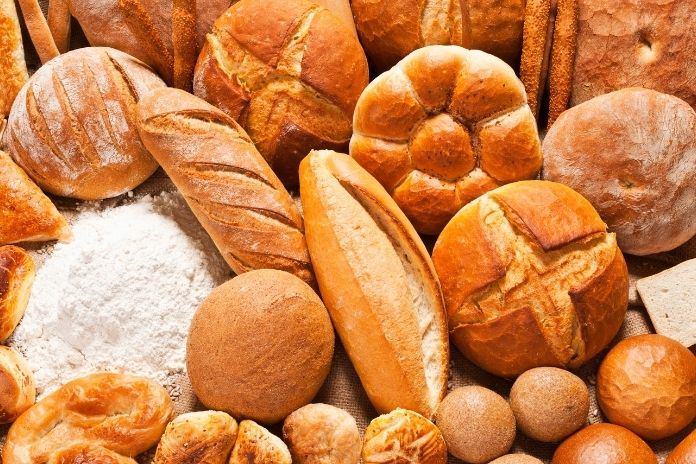
Not all breads are created equal when it comes to your gut. Some types may taste comforting or convenient, but they lack the nutrients and fibers your digestive system thrives on. In fact, certain breads can slow down digestion, feed the wrong kind of gut bacteria, or even trigger uncomfortable symptoms like bloating and constipation.
Here are the main types of breads worth limiting or avoiding if you’re aiming for better gut health:
1. White Bread and Refined Breads
White bread is the most common example of a refined product. It’s made from flour where the bran and germ have been stripped away, leaving mostly starch. That means very little fiber and far fewer nutrients.
- Low in fiber– Usually less than 1g per slice, offering no real support for bowel regularity.
- Blood sugar spikes– Rapid glucose absorption can leave you feeling sluggish after meals.
- Constipation risk– Without fiber bulk, stool moves more slowly through the gut.
- Minimal nutrients– Compared to whole grain bread, it lacks B vitamins, magnesium, and iron.
The American Journal of Gastroenterology notes that low-fiber diets are strongly linked to constipation and IBS flare-ups.
2. Highly Processed Breads
Packaged breads from supermarket shelves often look soft and stay fresh unnaturally long because they’re loaded with additives. Preservatives, emulsifiers, and gums can interfere with the balance of bacteria in your gut.
- Gut disruption– Emulsifiers like carboxymethylcellulose may disturb gut barrier integrity.
- Empty calories– Provide little real nutrition while filling space in your diet.
- Hidden extras– Added sodium, sugars, and oils often lurk on the ingredient list.
- Microbiota imbalance– Over time, these ingredients can shift gut bacteria in a way that worsens digestive symptoms.
A study published in 2019 discusses the effects of carboxymethylcellulose (CMC) on gut health. The study, titled “Food Additives: Assessing the Impact of Exposure to Emulsifiers and Other Additives on Gut Health,” explores how emulsifiers like CMC can disrupt the intestinal barrier and alter the gut microbiota, potentially leading to adverse digestive symptoms.
3. Sweetened Breads
Sweetened breads, such as cinnamon raisin loaves, brioche, or dessert-style breads, may feel like a treat but aren’t friendly to digestion. The added sugars can do more harm than good.
- Feeds harmful bacteria– Excess sugar encourages the growth of gut microbes and yeast that disrupt balance.
- Bloating trigger– High sugar content can ferment quickly in the gut, leading to discomfort.
- Low fiber payoff– Despite being calorie-dense, these breads usually provide little digestive support.
- Microbiome stress– Diets high in added sugar are linked to reduced diversity of beneficial gut bacteria.
While bread doesn’t have to be eliminated from your diet, it’s worth being selective. Limiting refined, overly processed, and sugar-laden breads can prevent sluggish digestion, reduce bloating, and protect your gut microbiome. Choosing whole, fiber-rich, and minimally processed varieties instead is the smarter move for digestive health.
How to Choose the Best Bread for Digestion

With so many options on supermarket shelves, picking the right bread for your gut can feel overwhelming. But if you focus on a few key criteria, you can quickly spot the loaves that actually support digestion instead of working against it. Think of it as a simple checklist for your gut health.
- Fiber First: Fiber is the backbone of digestive health, so bread should deliver at least 3g of fiber per slice. This ensures you’re getting enough bulk to keep things moving regularly and enough soluble fiber to feed beneficial bacteria. Anything less than this, and the bread is likely to behave more like white bread, filling in the moment but offering little support for your gut.
- Whole Grains as the Base: The label should clearly state “100% whole grain” or “100% whole wheat” as the first ingredient. This guarantees that the bread includes all three parts of the grain, bran, germ, and endosperm, retaining the fiber, vitamins, and minerals your digestion needs. Be cautious of labels that simply say “wheat bread” or “multigrain,” as these can still be made mostly with refined flour.
- Minimal Additives: The shorter the ingredient list, the better. Stick to breads that include familiar basics like flour, water, yeast, and salt. Skip those with gums, emulsifiers, preservatives, or “dough conditioners,” since these additives can alter the gut microbiome and don’t add any nutritional value. If the label reads more like a science project than a loaf of bread, leave it on the shelf.
- Low in Added Sugar: Sugar may improve taste and softness, but too much of it disrupts digestion. Choose breads with less than 2g of added sugar per slice. Sweetened breads like brioche or raisin bread may be fine as an occasional treat, but they shouldn’t be your daily staple if gut health is the priority.
- Look for Fermentation or Sprouting: Fermented breads like sourdough and sprouted grain breads have an edge when it comes to digestibility. Sourdough fermentation reduces FODMAPs and partially breaks down gluten, making it gentler for sensitive stomachs. Sprouted grains activate enzymes that break down starches and increase nutrient availability. Both options also tend to support the growth of beneficial gut bacteria.
If you’re aiming for digestive comfort, don’t just grab the bread that looks healthiest on the surface. Read labels closely, prioritize fiber and whole grains, avoid unnecessary additives, keep sugars in check, and, when possible, choose breads that are fermented or sprouted. Small shifts like these can make a big difference in how your body feels after every slice.
Special Considerations
Low-FODMAP diets can help manage symptoms. Some sourdough breads, spelt, or gluten-free options are better tolerated. Nutritional benefits of sourdoughs: A systematic review shows sourdough fermentation reduces FODMAP content and may help with abdominal discomfort in people with IBS.
People with celiac must choose certified gluten-free breads, ideally made with whole grains like brown rice, quinoa, or buckwheat, to support digestion.
For those managing blood sugar, high-fiber whole grain breads combined with protein or healthy fat slow digestion and improve glycemic control. The American Diabetes Association recommends ≥3g fiber per serving.
Conclusion
Bread often gets unfairly blamed for every digestive woe, but the reality is more nuanced. The way bread affects your gut depends less on the fact that it’s bread and more on what it’s made of and how it’s processed. Strip away the fiber, nutrients, and natural structure, as with white or heavily refined breads, and you’re left with little more than starch that can spike blood sugar, slow digestion, and contribute to constipation.
But keep the grain intact, allow natural fermentation, or sprout the seeds, and suddenly bread transforms into a food that feeds beneficial bacteria, improves regularity, and supports gut health. The science is clear: fiber, fermentation, and whole grains are the real difference makers. Whole-grain breads bring bulk and nutrients. Sourdough and sprouted options improve digestibility and nutrient absorption.
Rye and oat breads add unique fibers that actively nourish your microbiome. On the other hand, processed and sugar-heavy breads bring little to the table beyond empty calories and digestive discomfort. Understanding these contrasts can help you choose a loaf that fuels your body instead of draining it.
What this really means is that you don’t have to avoid bread to care for your gut; you just have to be selective. Check labels, prioritize fiber, and keep an eye out for fermentation or sprouting. Bread can either work against your digestion or become a steady ally in supporting regularity, microbial balance, and long-term gut resilience.
At the end of the day, bread isn’t the problem; it’s the kind of bread you choose. And once you know what to look for, every slice can become an opportunity to nourish your body, not burden it.
References
- https://www.puratos.com/blog/bread-and-digestibility0
- https://pubmed.ncbi.nlm.nih.gov/26522233/
- https://www.sciencedirect.com/science/article/pii/S0022316623135619
- https://www.medicalnewstoday.com/articles/295235
- https://www.hopkinsmedicine.org/health/wellness-and-prevention/5-foods-to-improve-your-digestion
- https://www.medicoverhospitals.in/articles/bread-digestion-time
- https://www.eatingwell.com/article/8008233/what-happens-to-your-body-when-you-eat-bread-every-day/
- https://www.sciencedirect.com/science/article/pii/S0963996923002776
- https://www.puratos.in/en/blog/bread-and-digestibility
- https://www.sciencedirect.com/science/article/pii/S0963996923002776
- https://www.tandfonline.com/doi/full/10.1080/10408398.2024.2428593
- https://pubs.acs.org/doi/10.1021/acs.jafc.9b01847
- https://www.manhattangastroenterology.com/10-worst-foods-digestive-health/
- https://www.frontiersin.org/journals/nutrition/articles/10.3389/fnut.2023.1230043/full
- https://www.medicalnewstoday.com/articles/319947
- https://www.mdpi.com/2304-8158/10/3/514
- https://nutritionsource.hsph.harvard.edu/carbohydrates/carbohydrates-and-blood-sugar/
- https://www.quora.com/Is-white-bread-bad-for-digestion
- https://blog.davincilabs.com/blog/five-best-and-worst-foods-for-gut-health
- https://www.yahoo.com/lifestyle/health-experts-reveal-3-packaged-223026420.html
- https://ift.onlinelibrary.wiley.com/doi/10.1111/1541-4337.12728
In this Article