















Why Your Frozen Foods Look Weird (and What That Frost Means)
It happens to almost every person. You open your freezer, and you hope to get chicken for dinner or maybe that tub of ice cream that you put in last week. But what you see looks weird – those grey patches on meat, dry white spots on fish, or even crystals scattered on the top of your ice cream. That, right there, is freezer burn.
Despite the alarming look, freezer burn is not an actual “burn.” There’s no heat involved. It is simply what happens when frozen food loses moisture and gets exposed to air inside the freezer. The result? Texture changes, dull flavour, and that feeling that your food has aged inside the cold.
This is really important, more than people think. While freezer-burned food is generally safe to eat if kept frozen properly, its quality and taste decline significantly. Families end up throwing away food that’s technically safe – just not appetising. This article explores: what freezer burn really is, how it forms, why it doesn’t always mean spoilage, and the exact steps that help prevent it completely.
Quick Summary: What You’ll Learn
- What really causes freezer burn – sublimation, air exposure, or even moisture loss?
- How does it show up differently across meats, vegetables, ice creams, and baked goods?
- Freezer burn is a qualityissue, not usually a safety
- Practical storage and packaging strategies that really prevent freezer burn.
- When to salvage food and when to finally let it go.
The Science Behind Freezer Burn – How Your Freezer Changes Food
What’s Happening at the Molecular Level
When you freeze food, the water inside it turns into ice crystals. But freezing doesn’t pause time. Over days or weeks, tiny ice molecules migrate from the food’s surface toward colder areas inside the freezer – or straight into the air. This process is called sublimation, when ice changes directly into water vapour without melting first.
If the packaging allows air contact, the vapour escapes, leaving the food’s surface dry. Over time, this leads to rough textures and pale, uneven patches. Each time the freezer’s temperature fluctuates – for example, when the door opens often – those ice crystals melt slightly, then refreeze larger and sharper, damaging the food’s cell walls.
So, freezer burn is not just dryness; it’s a slow, structural breakdown caused by misplaced moisture.
Why Moisture Loss + Air = Texture and Flavour Problems
Water loss also brings oxidation. Air in the freezer contains oxygen, which reacts with fats and pigments. That’s why meat turns grey-brown and ice cream loses its creamy smoothness. Vegetables shrivel up because their cell walls collapse after dehydration.
None of this means bacteria have grown; it’s purely a physical and chemical change. Still, once this happens, you can’t reverse it – only minimise further damage.
Freezer Burn vs Spoilage – What’s Safe, What’s Not
Here’s the good news: food with freezer burn is not unsafe if it’s been kept frozen solid at 0°F (-18°C) the whole time. No harmful microbes can grow there. But the bad news is quality – taste, aroma, texture – all deteriorate.
If the food was thawed and refrozen repeatedly, or stored in fluctuating temperatures, that’s when safety becomes questionable. In those cases, freezer burn may appear with spoilage, and the smell will tell you.
Identifying Freezer Burn – Signs & Diagnostic Checklist
Here are some visual and texture clues in different food categories:
Meats/poultry/fish
You’ll usually see those pale, dull white or grey-brown spots. The surface can feel a little tough or leathery when you touch it. Sometimes you’ll notice random ice crystals stuck on the food or even on the inside of the packaging.
Fruits and vegetables
You’ll see faded colour, dryness, or clusters of thick ice. The produce might become rubbery after thawing.
Ice cream/desserts
You start seeing large ice chunks stuck to the lid or along the sides. The scoop feels grainy instead of smooth, and the flavours go weird – like the chocolate may sink or the vanilla just smells bland.
How Long Is Too Long? Storage Time Thresholds and Risk Zones
Even with perfect packaging, frozen food is not eternal. Time inside the freezer matters. Roughly:
- Meats: best within 2–3 months
- Fish: 3–6 months
- Vegetables and fruits: 3–4 months(if properly blanched and dried)
- Ice cream: 2–3 months for peak texture
After these durations, moisture migration accelerates – freezer burn becomes almost unavoidable.
When It’s Just Cosmetic vs When It’s Too Far
If only small areas are affected, just remove that portion. Put the rest into something like a soup, curry, stew, or something else – basically anything where you’re not relying on perfect texture.
If large portions are dry, fibrous, or give off an oxidised smell after thawing, it’s time to discard them.
Read More: 10 Best Fat Freezing Machines 2021
The Impact of Freezer Burn on Food Quality – Why It Matters
Freezer burn may affect food quality in many ways:
Texture Changes
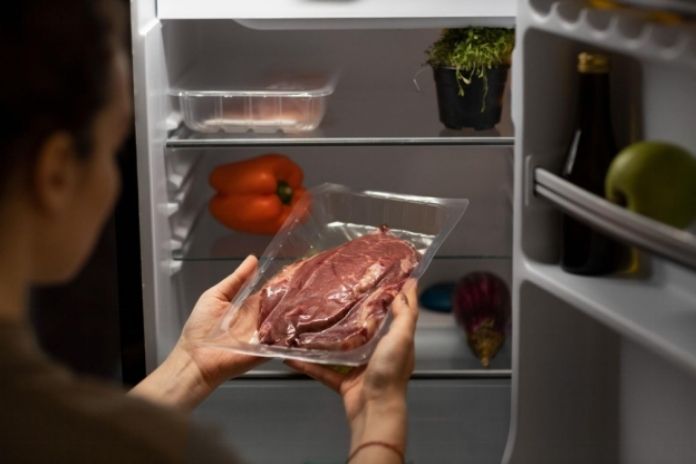
Texture is the first casualty. Chicken breast, for example, can become up to 30% tougher after prolonged freezer exposure without airtight sealing. The fibres dry and tighten. Fish may flake unevenly, and ice cream becomes sandy because ice crystals puncture fat globules.
Flavour and Nutritional Implications
Oxidation of fats gives off “cardboard” or “stale” flavours, especially in meat or dairy. Nutrient loss is relatively minor – vitamins remain stable at freezing – but the enjoyment disappears. Even reheating cannot restore lost juiciness once dehydration has occurred.
Food Waste and Cost Implications
Every year, households throw discard kilos of freezer-burned food – meat, bread, frozen fruits – still safe but unappetizing. Preventing freezer burn is never just about quality; it’s about reducing waste and cost. One small habit, like double wrapping or vacuum sealing, can save far more than people realise.
Safety Considerations
Again, freezer burn by itself isn’t the “danger.” But if food is thawed and refrozen, or stored above 0°F (-18°C), bacteria may multiply once thawed. The burn spots are just the surface drying – the real question is whether the freezer actually stayed cold the whole time.
Read More: Cryotherapy for Anti-Aging: Can Cold Therapy Keep You Young?
Prevention Strategies
Here are some smart ways to store frozen foods:
Proper Packaging and Removing Air
Air is the main enemy. Use:
- Vacuum sealers– when possible.
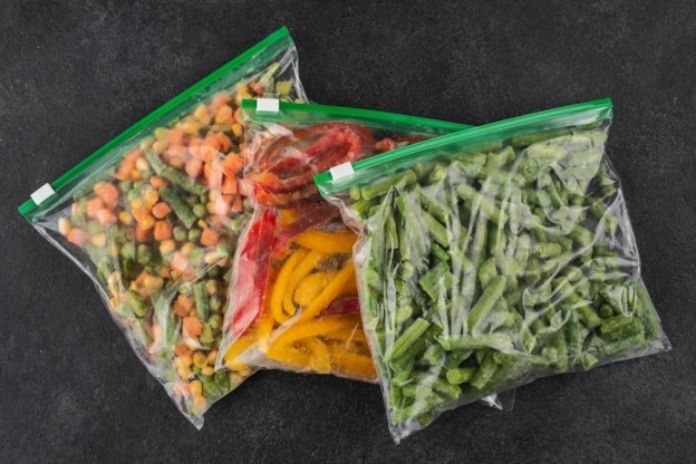
- Freezer-grade zip bags with air pressed out before sealing.
- Double wrapping– original packaging + an extra freezer bag or foil.
Flatten bags before freezing; it helps reduce trapped air and freezes faster, preventing large crystal formation. Always label and date items – out-of-sight food gets forgotten fastest.
Freezer Temperature and Environment
A reliable freezer stays at 0°F (-18°C) or below. Avoid overloading – cold air must circulate. On the other hand, don’t leave the freezer almost empty either – when it’s at least half full, it keeps the cold steadier.
And if you’ve got one of those frost-free/self-defrost freezers, wrap food extra tight. They warm up a little during their defrost cycles, which can dry things out faster.
Portioning and Early Freezing
Freeze food while still fresh. Divide large batches into meal-sized portions. That way, you don’t need to thaw and refreeze big packs repeatedly – which is one of the fastest routes to freezer burn.
Suitable Freeze Times by Food Type
Keep these general timelines in mind for the best quality:
- Chicken or red meat: 6–8 months
- Fish:3–6 months
- Vegetables (blanched): up to 12 months
- Cooked dishes or soups: 2–3 months
- Baked goods or bread: 2–4 months
Tips for Specific Food Items
- Meats/fish: Pat dry before freezing, remove air, and keep in flat packs.
- Soups and liquids: Leave 1–2 cm headspace for expansion, seal tightly.
- Vegetables: Always blanch, then dry fully before packing. Water droplets turn to large ice crystals otherwise.
Managing Existing Freezer Burn
Avoid grilling or roasting freezer-burned meat; it becomes harder and drier.
Read More: Understanding Frostbite: Symptoms, Prevention, and Effective Treatment
Common Mistakes That Lead to Freezer Burn
Some small actions may seem harmless, but they create conditions where sublimation speeds up and food quality drops rapidly.
- Too full or too empty freezer: Both disturb air circulation and temperature balance.
- Relying only on store packaging: Retail wrap is often thin and not air-tight for long storage.
- Repeated thaw and refreeze: Each cycle causes water movement and ice crystal damage.
- Not rotating stock: Follow “first in, first out.” Older food should be used first.
- Frequent door opening: Every open door introduces warm air and moisture fluctuations.
Read More: The Top 7 Cold Therapy Machines for Effective Cryotherapy Relief
Final Thought
Freezer burn isn’t a failure of your freezer; it’s just chemistry not managed correctly. It tells us that cold alone doesn’t preserve food – air control does. Understanding the small science of water movement inside frozen food can completely change how you handle your freezer.
When stored properly – sealed tight, labelled, rotated, and kept cold – your frozen meals can taste nearly as fresh as the day they went in. It’s not complicated; just a few disciplined habits. No more frost-covered regrets waiting behind the ice tray.
FAQs
Q1. Is freezer-burned food safe to eat?
Yes, as long as it’s been frozen solid at 0°F (-18°C). The appearance and taste may suffer, but it won’t cause illness.
Q2. Can freezer burn cause food poisoning?
No. Food poisoning is caused by bacteria or toxins, not dehydration. Only temperature abuse – not freezer burn itself – can make food unsafe.
Q3. Does freezer burn affect nutrient content?
Hardly. Nutrients stay locked in frozen food; only flavour and texture change.
Q4. How do I know if meat with freezer burn is still okay to cook?
If the smell is neutral and the texture isn’t slimy after thawing, trim off dry parts and cook it in moist dishes. If the odour is off, discard.
Q5. Does vacuum sealing really prevent freezer burn?
Yes. By removing air completely, vacuum sealing eliminates the main cause – sublimation and oxidation. It’s the single best protection you can invest in.
References
- https://www.cfs.gov.hk/english/whatsnew/whatsnew_fst/whatsnew_fst_Freezer_Burn_of_Meat.html
- https://www.fda.gov/consumers/consumer-updates/are-you-storing-food-safely
- https://www.food.gov.uk/safety-hygiene/how-to-chill-freeze-and-defrost-food-safely
- https://www.loc.gov/everyday-mysteries/food-and-nutrition/item/what-is-freezer-burn/
- https://www.fsis.usda.gov/food-safety/safe-food-handling-and-preparation/food-safety-basics/freezing-and-food-safety.
In this Article