








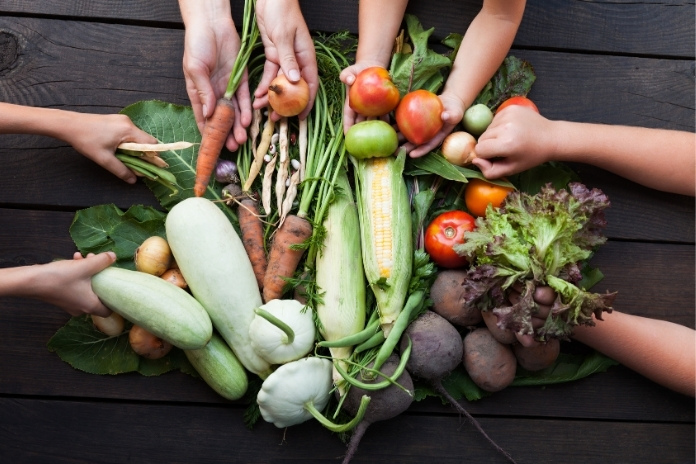
Cooking isn’t about labeling foods as “good” or “bad”; it’s about understanding the trade-offs that happen in the kitchen. Heat, water, and oxygen can degrade some nutrients, but they can also make others more available for your body to use. The key is knowing which foods benefit from gentle treatment, which thrive with a little heat, and how to use simple techniques to preserve nutrients without sacrificing flavor.
Even small adjustments, like cutting vegetables into larger pieces, minimizing water, or keeping lids on pots, can make a meaningful difference. Some nutrients, like water‑soluble vitamins C and B‑complex, are fragile and easily lost during long cooking or boiling, while fat‑soluble vitamins (A, E, K) and carotenoids such as lycopene and beta‑carotene often become more absorbable when lightly cooked with a bit of oil.
In this guide, you’ll get practical, food-specific strategies that help you cook smarter, not less. Whether your goal is to maximize vitamins, retain flavor, or boost absorption, these simple tweaks will let you get the most from every meal without turning cooking into a science experiment.
Foods That Commonly Lose the Most (and What to Do)
Not all foods are equally resilient when it comes to heat and water. Some hold on to their nutrients no matter how you cook them, while others are much more fragile. The biggest culprits for nutrient loss are vegetables that are high in water-soluble vitamins like C and B-complex.
These vitamins dissolve easily into cooking water and break down under high heat, meaning your healthy greens can lose a big portion of their nutritional punch if you’re not mindful. The good news? With a few small adjustments, you can preserve more of what matters and even unlock certain nutrients at the same time.
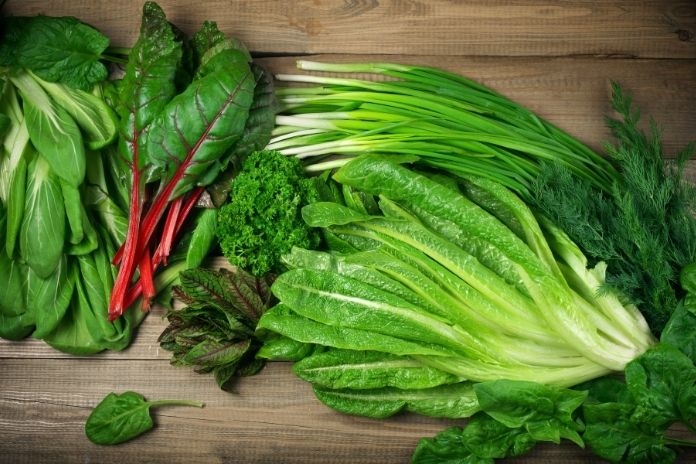
Leafy Greens (Spinach, Chard, Kale)
Leafy greens are notorious for losing vitamin C and folate via leaching and oxidation. A 2017 study showed boiling chard destroyed vitamin C, and even in spinach, retention dropped to around 58% when blanched, whereas steaming and microwaving retained over 90% in many cases.
Smart cooking tips:
- Steam or sauté quickly: 2–3 minutes under a tightly covered lid is enough to soften without stripping nutrients.
- Keep leaves in larger pieces: More surface area means more exposure to oxidation and nutrient loss.
- Finish smart: A drizzle of olive oil or avocado oil enhances the absorption of fat-soluble vitamins like K and carotenoids.
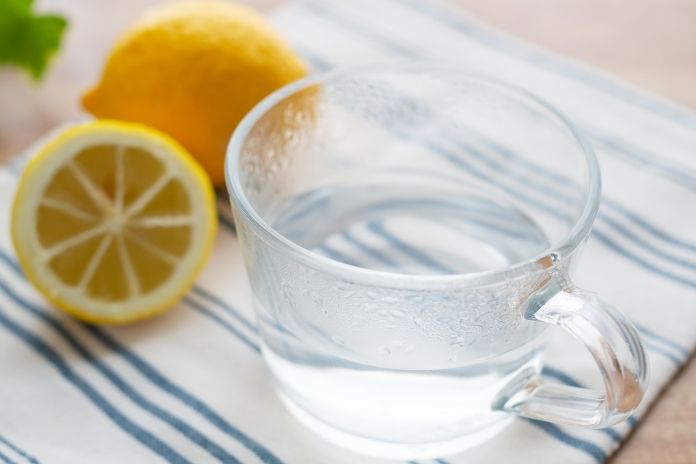
- Brighten with citrus: Adding lemon juice not only boosts flavor but also helps preserve vitamin C and aids iron absorption from greens.
- Skip the drain: If you must boil, use the cooking liquid in soups, stews, or sauces so you reclaim those lost nutrients.
Cruciferous Vegetables (Broccoli, Brussels Sprouts, Cauliflower)
Broccoli and similar veggies are rich in vitamin C and sulforaphane (via the enzyme myrosinase), but heat can degrade both. A 2009 analysis found steaming preserves vitamin C, glucosinolates, chlorophyll, proteins, and sugars far better than boiling or stir‑frying. Additional research warns that boiling stops sulforaphane formation due to inactivated myrosinase.
Smart cooking tips:
- Light steam (5–7 minutes): Enough to soften texture and mellow bitterness while preserving vitamin C and sulforaphane precursors.
- Microwave smartly: Add just a splash of water, cover tightly, and cook briefly; this protects both water-soluble vitamins and antioxidants.
- Reignite sulforaphane power: If you cook broccoli or cauliflower, sprinkle a little raw mustard powder or toss in some finely chopped raw cruciferous veggies (like cabbage, arugula, or radish) afterward. These contain active myrosinase, which can help restore sulforaphane formation.
- Don’t overdo it: Mushy, olive-green broccoli isn’t just unappetizing, it’s usually a sign that most of its fragile compounds are long gone.
Vitamin-C–Rich Vegetables (Bell Peppers, Cabbage)
Vitamin C is one of the most heat-sensitive nutrients, which means bell peppers, cabbage, broccoli, and similar vegetables can lose a large portion of their benefits if cooked for too long or at high temperatures. Boiling, in particular, causes vitamin C to leach into the water, which is often discarded.
How to preserve it best:
- Quick sautéing or stir-frying: Expose the vegetables to high heat for only a short time. This softens them slightly but keeps most of their vitamin C intact.
- Add them at the end: If you’re making soups, stews, or curries, toss in bell peppers or shredded cabbage just before finishing the dish rather than letting them simmer for long.
- Microwave with little or no water: Microwaving is surprisingly effective at nutrient preservation, since it uses shorter cooking times and minimal water.
- Raw when possible: A salad, slaw, or even a crunchy topping of raw bell pepper slices ensures you get the maximum vitamin C without any loss.
Alliums (Garlic, Onion)
Allicin in garlic and onions (known for health-promoting activity) forms when the clove is crushed, but it is heat-sensitive. Immediate heating reduces allicin production.
Smart cooking tips:
- Crush or chop and rest: After chopping or crushing garlic, let it sit for about 10 minutes before adding it to a pan. This resting period allows the enzymatic reaction to fully generate allicin, ensuring you maximize its health potential.
- Add raw or near the end: Tossing in garlic toward the end of cooking or sprinkling raw minced garlic over finished dishes preserves both flavor and bioactive compounds.
- Pair with healthy fats: Allicin and other sulfur compounds are fat-soluble, so cooking garlic briefly in olive oil or finishing dishes with a drizzle of oil can enhance absorption without degrading the compound.
- Gentle heat when possible: Low to medium heat cooking preserves more of the delicate compounds than high-heat frying or prolonged roasting.
Legumes (Beans, Lentils)
Legumes, beans, lentils, and chickpeas are nutritional powerhouses, packed with protein, fiber, minerals, and B vitamins. But they’re also prone to nutrient losses during cooking, particularly the water-soluble B-vitamins, which leach into cooking water.
Smart cooking tips:
- Use minimal water or a pressure cooker: Cooking legumes in just enough water to prevent sticking, or using a pressure cooker, reduces nutrient leaching and preserves water-soluble vitamins.
- Reserve the cooking liquid: Instead of discarding the water in which you have cooked beans, use the water for soups, stews, or sauces. This way, you reclaim vitamins and minerals that would otherwise be lost.
- Soak, then discard the soaking water: Soaking beans before cooking reduces antinutrients and phytic acid, which can interfere with mineral absorption. Always discard the soaking water and rinse the legumes to maximize digestibility without losing too much nutrition.
- Cook just until tender: Overcooking beans can break down delicate vitamins and reduce overall nutritional value, so aim for a texture that’s tender but not mushy.
Potatoes and Starchy Foods
Potatoes, sweet potatoes, and other starchy vegetables are dietary staples for many, providing energy, fiber, and key nutrients like vitamin C and B-complex vitamins. However, these water-soluble vitamins are vulnerable during cooking, especially when boiled in large amounts of water. Nutrient losses can be significant if the cooking water is discarded, and overcooking can reduce both flavor and texture.
Smart cooking tips:
- Steam or roast with the skin on: Keeping the skin intact acts as a natural barrier against nutrient loss. Steaming or roasting preserves vitamins while enhancing flavor and texture.
- If boiling, retain the water: Use the cooking liquid for mashed potatoes, soups, or stews to reclaim vitamins that leached into the water. This simple step prevents unnecessary nutrient waste.
- Cool and reheat: Letting potatoes cool after cooking and then reheating them increases resistant starch. This form of starch acts like fiber, feeding beneficial gut bacteria and supporting digestive health.
- Avoid overcooking: Overcooked potatoes become mushy and lose more vitamins, so cook just until tender.
Mushrooms
Mushrooms are a unique vegetable-like food, prized for their umami flavor, fiber, antioxidants, and B vitamins. However, like many water-soluble nutrients, B-vitamins are sensitive to heat and water, meaning long boiling or overcooking can diminish their levels.
Smart cooking tips:
- Sauté or grill with minimal water: Quick, dry-heat methods preserve B-vitamins while enhancing flavor and texture. Avoid long simmering or boiling, which leaches nutrients.
- UV-exposed mushrooms: If your mushrooms have been treated with UV light, cooking won’t significantly affect their vitamin D₂ content, so you can enjoy both their nutrient and flavor benefits.
- Avoid overcrowding the pan: Mushrooms release water when cooked. Sauté in batches if needed to prevent steaming, which can dilute nutrient density.
- Add fats wisely: Cooking mushrooms with a small amount of healthy oil helps absorb fat-soluble antioxidants like ergothioneine and supports flavor development.
Fish and Lean Meats
Fish, chicken, turkey, and other lean meats are excellent sources of high-quality protein, B vitamins, and essential minerals like zinc and selenium. However, water-soluble B-vitamins, especially B6, B12, niacin, and thiamine, are sensitive to heat and liquid.
Smart cooking tips:
- Baking, steaming, or en papillote: These gentle, dry, or semi-dry cooking methods minimize nutrient loss while keeping meat moist and tender. Cooking en papillote, wrapping fish or chicken in parchment with vegetables and seasonings, traps juices, flavors, and water-soluble vitamins.
- Use pan juices: If you do poach or braise, retain and consume the liquid in soups, sauces, or gravies to reclaim lost nutrients.
- Avoid overcooking: Overheating not only dries out meat but also destroys sensitive B-vitamins. Use a food thermometer to ensure your protein reaches the safe minimum internal temperature, no more, no less.
- Pair with vegetables or healthy fats: Combining lean meats with vitamin-rich vegetables and a drizzle of olive oil can enhance nutrient absorption and create a well-rounded meal.
Fortified Grains (Enriched Rice, Pasta)
Rinsing or draining grains after cooking can wash away water-soluble vitamins, undermining the point of enrichment. Even seemingly small losses add up over time, especially for those relying on fortified grains as a key nutrient source.
“Rinsing rice before cooking has a ‘minimal effect’ on arsenic levels, but instead washes away nutrients like iron, folate, thiamine, and niacin.” – Isabel Maples, MEd, RDN, spokesperson for the Academy of Nutrition and Dietetics
Smart cooking tips:
- Pilaf-style cooking: Measure water carefully and cook so the grains absorb most or all of it. This eliminates the need to drain excess water, keeping B-vitamins in the dish.
- Avoid unnecessary rinsing: Only rinse grains when absolutely needed for texture or to remove excess starch; otherwise, skip it to preserve added nutrients.
- Use cooking water in dishes: If you must boil with extra water, consider using the cooking liquid in soups, sauces, or gravies to reclaim lost vitamins.
- Combine with nutrient enhancers: Tossing cooked grains with vegetables, healthy oils, or herbs can improve both nutrient absorption and flavor.
Cooking Methods Ranked by Nutrient Retention

Not all cooking methods are created equal when it comes to preserving nutrients. While some techniques lock in vitamins, minerals, and antioxidants, others can leach or degrade them, especially the fragile water-soluble types like vitamin C and B vitamins. Understanding how heat, water, and cooking time affect nutrient retention can help you make smarter choices in the kitchen without sacrificing taste or convenience.
Best Methods for Preserving Nutrients:
- Microwaving: Surprisingly efficient, microwaving uses minimal water and short cooking times, helping retain most vitamins and phytonutrients. It’s particularly effective for vegetables.
- Steaming: Steaming gently cooks food while keeping nutrients intact, especially water-soluble vitamins and delicate antioxidants.
- Quick stir-fry or sauté with a bit of oil: High heat for a brief time softens food while preserving nutrients, and the small amount of oil can aid absorption of fat-soluble compounds.
- Gentle roasting: Slow, low-heat roasting preserves many nutrients, though watch for overcooking or charring that can degrade sensitive vitamins.
Dr. Anthony L. Komaroff, MD (Editor-in-Chief, Harvard Health Letter): “Microwaving and steaming are among the gentlest ways to cook. They preserve nutrients because they use little or no water and cook food quickly. In contrast, boiling vegetables in large amounts of water and discarding that water is a sure way to lose vitamins. Using gentler methods or incorporating the cooking liquid into your meal helps safeguard both flavor and nutrition.”
Moderate Retention Methods:
- Roasting or baking at higher temperatures: These methods are generally safe but can reduce heat-sensitive nutrients if food is left too long in the oven or cooked unevenly.
Methods to Use with Caution:
- Boiling in large amounts of water and discarding it: Water-soluble vitamins leach out and are lost if the cooking liquid isn’t used.
- Long braising: Nutrients can degrade over prolonged cooking unless the liquid is incorporated into the final dish, such as in soups or stews.
A 2023 study confirmed microwaving as the top method for retaining nutrients in vegetables, with steaming a strong second choice. The takeaway: shorter cooking times, minimal water, and gentler heat preserve more of what your body needs.
Applying these strategies across all your meals can significantly boost the nutritional value of the foods you eat daily, turning ordinary cooking into a simple yet effective health hack.
Practical Rules to Keep More Nutrients
Maximizing nutrient retention isn’t about perfect precision; it’s about a few smart, consistent habits in the kitchen. Small adjustments can make a big difference in how much vitamins, minerals, and antioxidants you actually get from your meals.
Smart habits to follow:
- Cut larger, peel less: Many fruits and vegetables have nutrients concentrated in or just beneath the skin. Leaving skins intact preserves fiber, phytonutrients, and antioxidants, while larger cuts reduce surface exposure to oxygen and heat.
- Cook with the lid on: Covering pots or pans shortens cooking time and reduces exposure to oxygen, which can degrade heat- and air-sensitive vitamins like vitamin C and folate.
- Use cooking liquids: Water-soluble vitamins often leach into cooking water. Rather than discarding it, incorporate the liquid into soups, stews, sauces, or gravies to reclaim lost nutrients.
- Pair with healthy fats: Adding a small amount of olive oil, avocado oil, or butter enhances absorption of fat-soluble nutrients such as vitamins A, D, E, K, and carotenoids.
- Add acidic touches near the end: Lemon juice, vinegar, or tomatoes can help preserve color and flavor and may offer some protection for heat-sensitive vitamins.
- Store and use produce wisely: Nutrient levels, particularly vitamin C, decline over time. Buy fresh when possible, store properly, and aim to use fruits and vegetables within a few days of purchase.
These simple practices turn ordinary cooking into a strategy for retaining maximum nutrition. By thinking a little differently about prep, heat, and storage, you can make every meal count, both for flavor and health.
Read More: Must-Have Kitchen Gadgets for Nutritious Meals
When Cooking Improves Nutrition or Safety
While raw foods often retain more heat-sensitive vitamins, cooking isn’t always a disadvantage. In fact, certain methods can unlock nutrients, improve bioavailability, and enhance safety. Understanding when and how to cook strategically helps you get the most out of your meals.
Key examples:
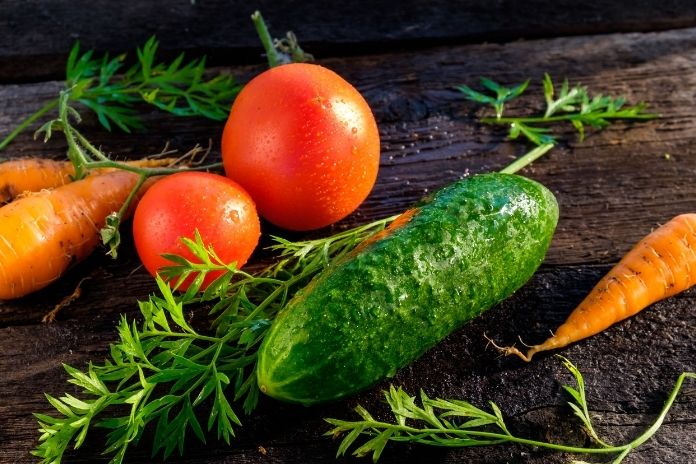
- Tomatoes, carrots, and other carotenoid-rich vegetables: Heat breaks down cell walls, releasing compounds like lycopene and β-carotene, which become more bioavailable after cooking. Adding a small amount of healthy oil further boosts the absorption of these fat-soluble antioxidants, enhancing their health benefits.
- Oxalate-rich greens (spinach, Swiss chard, beet greens): Oxalates can bind minerals like calcium and magnesium, reducing absorption. Light cooking significantly lowers oxalate content, making these minerals more bioavailable without destroying other nutrients.
- Legumes and grains: Cooking not only softens these foods but also neutralizes antinutrients like phytic acid, improves protein digestibility, and ensures food safety by destroying harmful pathogens. Proper cooking is essential to reap their nutritional benefits while minimizing digestive discomfort.
Dr. Rui Hai Liu, MD, PhD (Professor of Food Science, Cornell University): “Cooking substantially raises the levels of bioavailable lycopene in tomatoes, even though it reduces vitamin C. This means heat can actually make certain antioxidants more usable by the body. Cooking doesn’t always diminish nutrition; sometimes it enhances it.”
The takeaway: Cooking isn’t inherently “bad” for nutrients. Done thoughtfully, it can enhance certain compounds, improve mineral absorption, and make foods safe to eat. Pairing the right techniques with an awareness of nutrient sensitivities allows you to maximize both flavor and nutritional value in every meal.
Max-Nutrient Playbook: Quick Cooking Wins
Putting all these nutrient-preservation principles into practice can feel overwhelming, but it doesn’t have to be. This mini playbook gives simple, actionable methods for common foods, showing you how to maximize nutrients while keeping meals tasty and convenient. Think of it as a blueprint: short cooking times, minimal water, gentle heat, and smart finishing touches.
Mini-Recipes for Maximum Nutrients:
- Broccoli: Microwave for 3–4 minutes, then drizzle with olive oil and sprinkle a pinch of mustard powder to enhance sulforaphane retention and fat-soluble nutrient absorption.
- Spinach: Sauté lightly for 2–3 minutes, finishing with lemon juice and garlic that’s been pre-crushed and rested for 10 minutes to preserve allicin and vitamin C.
- Carrots: Roast lightly with a touch of oil, avoiding deep browning to maintain β-carotene levels and antioxidant integrity.
- Beans: Pressure cook just until tender, store with the cooking liquid, and fold into soups or stews to reclaim B-vitamins and minerals.
- Potatoes and Other Starchy Vegetables: Steam whole with the skin on, then cool and reheat to increase resistant starch, supporting gut health while preserving B-vitamins.
This playbook isn’t about perfection; it’s about easy wins that stack up over time. Using these methods consistently ensures that the foods you love deliver the maximum nutritional punch, supporting both health and flavor in every meal.
Read More: Healthy Cooking Made Easy: 10 Must-Have Cookbooks
FAQs: Nutrient Preservation Made Simple
Does boiling destroy vitamins?
Boiling primarily affects water-soluble vitamins like C and B-complex, which can leach into the cooking water. The longer and hotter the boil, the greater the loss. Using minimal water or steaming instead helps preserve nutrients. If you do boil, retain the cooking liquid for soups or sauces. This way, you don’t waste the vitamins that escape into the water.
Is microwaving bad for nutrients?
Not at all, microwaving is often the best way to preserve vitamins and antioxidants. It uses short cooking times and very little water, which limits nutrient loss. Microwaving is especially effective for vegetables with heat-sensitive compounds. It also keeps flavor and texture intact. Overall, it’s a quick, efficient, and nutrient-friendly cooking method.
Raw vs. cooked, what’s healthier?
Both raw and cooked foods have unique benefits. Raw foods retain heat-sensitive vitamins like vitamin C and folate. Cooking can enhance the bioavailability of certain nutrients, such as lycopene in tomatoes or β-carotene in carrots. A balanced diet that combines both raw and cooked produce gives the broadest nutritional advantage. Variety ensures you get the most out of each food.
Conclusion: Cook Smart, Eat Well
Smart cooking isn’t about perfection or avoiding heat; it’s about making intentional choices that maximize both nutrition and flavor. Shorter cooking times, minimal water, and gentle heat protect delicate vitamins, while using your cooking liquid ensures nothing goes to waste. Pairing foods with healthy fats or a splash of acid can further boost nutrient absorption and preserve color, taste, and aroma.
Small shifts, steaming instead of boiling, retaining juices, lightly sautéing instead of overcooking, or adding oil and lemon at the right moment, stack up over time. These simple practices turn everyday meals into nutrient-dense, delicious experiences.
What this really means is that cooking well is a blend of science and creativity: you protect what’s valuable, enhance what’s beneficial, and enjoy the process along the way. By applying these strategies consistently, every meal becomes an opportunity to nourish your body, delight your senses, and make healthy eating effortless.
References
- https://pmc.ncbi.nlm.nih.gov/articles/PMC5315033/
- https://traya.health/blogs/hair-vitality/foods-that-cause-hair-loss
- https://www.hairdoctors.com.au/blog/foods-that-can-cause-hair-loss-or-prevent-it/
- https://www.sparshhospital.com/blog/common-eating-habits-that-lead-to-excessive-hair-fall/
- https://www.pantene.in/en-in/hair-fall-problems-and-hair-care-solutions/hair-fall-causing-food
- https://www.manipalhospitals.com/blog/7-common-eating-habits-that-lead-to-excessive-hair-fall/
- https://www.chp.gov.hk/en/static/90027.html
- https://ods.od.nih.gov/factsheets/VitaminC-HealthProfessional/
- https://vims.ac.in/vims-hospital/fruits-and-vegetables-rich-in-vitamin-c-list-and-health-benefits/
- https://www.icicilombard.com/blogs/health-insurance/mb/which-vegetables-have-vitamin-c
In this Article