














Pregnancy is such a cherished phase for almost all women. And so is childbirth. But one thing we often miss discussing is the time after that. The time when we get the baby home, away from the nurses and doctors’ supervision. That’s when the real life with the baby starts.
We all know that leaving the hospital is one of the best moments. It marks the end of one journey and the start of another. While pregnant, you’ve spent days imagining life with your baby. However, the process of stepping through your front door with this tiny person you created can feel surreal.
Many new parents, including me, describe the first 24 hours as a blur. It is a mix of joy, exhaustion, and uncertainty all packed in one. You feel proud, nervous, and completely in awe of this new life. And it’s okay to feel all of it. These first hours aren’t about being perfect; they’re about learning to respond, rest, and spend time as a new family.
This article covers what to expect during the first 24 hours at home with your newborn, including both major events and smaller details of care and adjustment. This can be from sleep and feeding to diaper changes, health monitoring, and self-care. We have discussed it all, so that you can walk into day one feeling confident and relaxed.
Getting Your Space Ready for the Arrival of Baby

This is a no-brainer. Preparation is key when you bring your baby home. Having a well-prepared plan helps you focus on the most important thing: bonding and sleep.
- Keep Essentials Handy:
You must create a small baby-care station with diapers, wipes, burp cloths, swaddles, and a change of clothes. Place it near your baby’s crib or bassinet so you can find it easily in the dark. Also, keep a cozy blanket for skin-to-skin cuddles and a trash bin close by.
- Set up a Sleep Area:
In the initial weeks, your baby will be sleeping most of the time. So ensure that their space is safe and tidy at all times. Always place them on a firm mattress with a tight-fitting sheet only.
Remember, no pillows, toys, or loose blankets must be kept near the baby. Leave it close to your bed for convenient night feedings. A cozy room temperature (68–72°F / 20–22°C) and dim lighting will keep the baby and the new mother at ease.
- Have Postpartum Supplies Ready:
As much as the baby, new moms need care too. Keep nursing pads, lanolin cream, comfortable underwear, maternity pads, and a large water bottle handy. A nursing chair with back support can make feeding easier. Healthy snacks that include a trail mix, fruit, and granola bars are great options when you’re too tired to cook.
A peaceful, organized space won’t make baby care easy, but it will make you feel less irritated when everything’s so new.
Read More: How Many Baby Bottles Do I Really Need? A Practical Guide for New Parents
Baby Care in the First 24 Hours
On bringing home the baby after delivery, Dr. Vinod K. Bhutani, MD, FAAP, professor of pediatrics at Lucile Packard Children’s Hospital at Stanford University School of Medicine, shares his thoughts. He says, “Every baby needs to be seen by a pediatrician on day three, four, or five, it’s a must.”
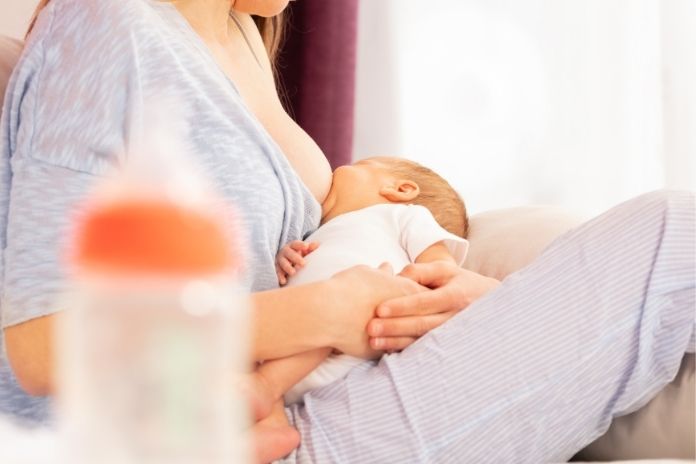
Feeding is one of the first big adjustments in your and the baby’s life. New babies feed every 2–3 hours, or 8–12 times in 24 hours, because their stomachs are about the size of a marble at birth. Here’s how to plan things in the first 24 hours after childbirth:
If you’re breastfeeding:
- At the very start, your baby drinks colostrum, a thick, golden milk packed with antibodies and nutrients. Even tiny drops make a huge difference.
- Aim for a deep latch. Your baby’s mouth should cover most of the areola, and not just the nipple. You’ll hear gentle swallowing (suckling) when the latch is correct.
- Remain properly hydrated and eat nourishing foods; your body needs fuel to produce milk and to heal.
- Don’t hesitate to call a lactation consultant or nurse hotline if in doubt. This is because early counselling can make all the difference.
If formula-feeding:
- Ensure to use sterilized bottles and nipples and follow proper instructions to prepare formulas.
- Hold the baby close during feeding. Eye contact with the baby promotes bonding even when not nursing.
- Do not forget to burp gently halfway through and at the end to reduce gas, flatulence, and fussiness.
Track feeds and diapers. As a new mom, I struggled to keep a count of wet diapers and diaper changes. That’s when I decided to maintain a simple log. This diary had the diaper change time, duration, and number of diapers changed. It will make sure your baby is feeding adequately and is wonderful data for your pediatrician.
Read More: Postpartum Depression vs. Baby Blues: Understanding the Differences
Newborn Sleep Habits — What to Anticipate

Your baby will sleep plenty both day and night. This is usually 16–18 hours a day, but not consecutively. You must be ready for several wake-ups for feedings every 2–3 hours, both day and night.
Safe sleep basics:
- Always ensure to place your baby on his or her back to sleep.
- Use a firm, flat mattress without soft bedding or stuffed animals. This prevents the risk of suffocation.
- Share a room, not a bed. Having a baby near you, in the same room, allows you to respond quickly to hunger or discomfort.
Knowing sleep cues:
The babies yawn, rub their eyes, or start getting fussy when they are sleepy. Attending these signs before crying puts the baby off to a good start and settles him down more easily.
Parent sleep survival strategies:
- Sleep when the baby sleeps. This advice works well, as even a short break for rest can work.
- Trade night shifts with your partner so that both of you have at least one solid block of sleep.
- Keep the lights dim and create an ambient atmosphere at night. This not only helps the baby to sleep, but also helps them understand the difference between day and night.
Sleep deprivation can feel challenging, but this is quite temporary. Remember, you’re not doing anything wrong; newborn sleep simply has its own schedule.
Read More: Preparing for Parenthood: Essential Items for Your Baby Registry
Diaper Changes, Poop, and Pee — What to Expect
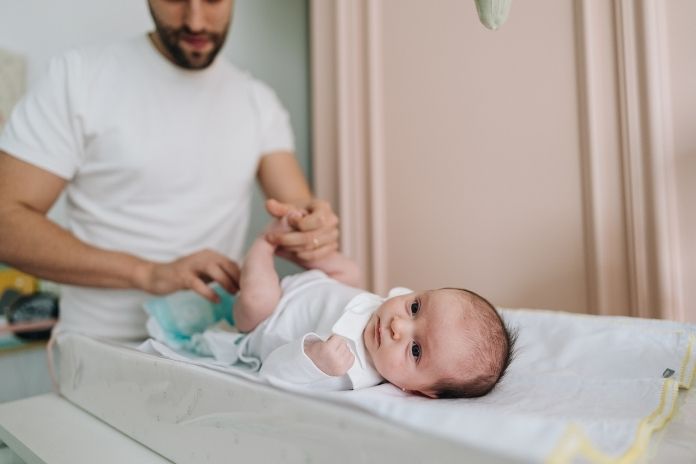
As a new parent, this one is of great help to know if the baby is satiated. Keeping track of diapers is one of the easiest ways to know if your baby is feeding well.
Within the first 24 hours, expect to have at least a wet diaper and one or two stools of meconium, which will be dark, tar-colored, and sticky.
Within the following few days, you will observe:
- Pee: 1 wet diaper per day you have been alive (day 1 = 1 wet, day 2 = 2 wet, etc.) until about day 5–6, when it’ll be up to 6+ wet per day.
- Poop: Stool changes from dark meconium to greenish, mustard-yellow, and seedy (for breastfed babies).
Sensitive diaper care tips:
- Always wipe front to back with warm water or gentle wipes.
- Allow the skin to dry before putting on a new diaper.
- Do not forget to put on a thin layer of barrier cream to prevent a rash.
Call the pediatrician when:
- If the baby does not pass urine after more than 12 hours.
- There is no stool after 2–3 days.
- You see that there is redness, rash, or oozing at the umbilical site.
Every diaper change is practice in hearing your baby’s signals.
Baby’s First Health and Safety Checks
Your newborn may have seemed to be under round-the-clock observation at the hospital, but home safety is important, too.
Here’s what to monitor:
- Temperature: The normal temperature of the baby must be 7–100.3°F (36.5–37.9°C). If the baby has chronic fever or chills, call your doctor.
- Respiration: New babies breathe in an uneven rhythm, but longer pauses of over 20 seconds or grunting noises need immediate attention.
- Skin Color: Baby’s feet and hands may be blue at first, and that’s okay. But if you see blue or discoloration of pale lips, call the doctor.
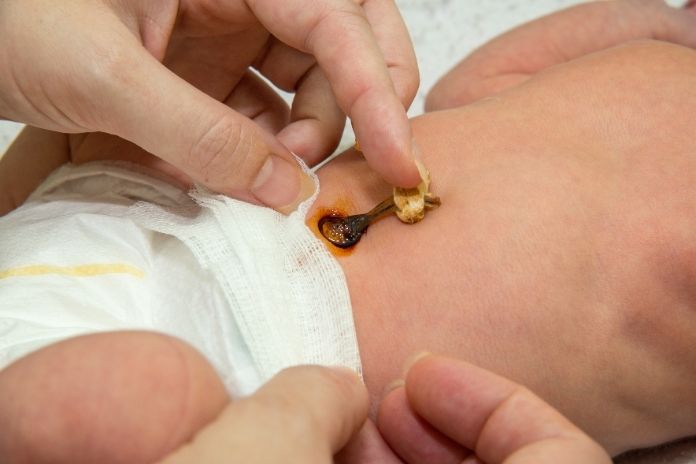
- Umbilical Cord: Leave the umbilical cord dry and clean. It will fall off on its own in 1–3 weeks. Check for foul odor or pus around that area.
- Eyes and Feeding: If the baby refuses to feed, has yellow skin, or has murky discharge, consider these as red flags.
Your pediatric follow-up:
Schedule your baby’s initial visit within the first days after release. Bring your feeding and diaper log-in; it helps your pediatrician assess hydration and growth.
Taking Care of Yourself as a New Parent
A healthy mom equals a healthy baby. As we have mentioned already, taking care of yourself as a new parent is equally important. Between the diaper changing and feedings, it is easy to lose sight of the one responsible for making this life possible: you.
- Physical Recovery:
As a new mother, you might experience soreness, bleeding, or engorged breasts. Try to rest as much as possible, even if there is laundry waiting. Drink plenty of fluids and eat well-balanced meals rich in protein, iron, and fiber to help heal.
- Emotional Recovery:
It’s normal to be tearful or anxious, and those are the “baby blues.” But if the blues get worse, you feel cut off from your baby, or you have suicidal thoughts, seek help immediately. This can be postpartum depression, which is not unusual and can be treated with help.
- Have a Support System:
Dividing your chores among family or friends is never a bad idea. Let loved ones prepare meals, clean, or tend the baby so you can rest. Even small amounts of rest will give you energy.
- Go Slowly:
If your physician is okay with it, taking a few minutes to stretch or taking a slow walk can lift your mood and get the blood flowing.
Taking care of yourself isn’t selfish; it’s essential to taking care of your baby.
Read More: Top 9 Baby Products Every New Parent Needs: Essentials for Baby Care
Partner’s Role and Family Adjustment
The homecoming day with the baby is a team effort. Your partner or support person plays a key role in maintaining the balance in life.
- Share the Load:
Take turns with diapering, feeding preparation, and cuddling. Partners may help by recording feedings, sterilizing bottles, or rocking the baby while feeding.
- Bond through Touch:
Skin-to-skin contact for both you and your partner helps the baby maintain body heat and creates an emotional connection. Soft talk or humming will also calm your newborn.
- Stay Connected:
Catch up with each other often. A few minutes about how you’re doing can prevent resentment and strengthen your partnership.
- Time Limit for Visitors:
It’s all right to say “not yet.” Too many visitors can overwhelm the baby and parents. Keep visitors to short visits and let them know ahead of time when you need time to rest.
Final Thoughts
Your initial 24 hours home with your baby are more about finding your rhythm as a unit and less about doing everything flawlessly. Focus on bonding, rest, and observation. Your instincts will grow more powerful with every passing hour.
Perfection isn’t the goal, presence is. Each diaper change, feeding, and cuddle is part of the beautiful family-building process.
FAQs
How frequently should the newborn be fed on the first day at home?
Every 2–3 hours, or 8–12 times in 24 hours. Even if your baby is sleepy, wake them up for feeds to ensure they stay hydrated and blood sugar stable.
How much should a newborn sleep within 24 hours?
Newborns sleep 16–18 hours per day, in clusters of short, frequent 1–3 hour sleep periods. Waking regularly to feed is totally normal.
How many diapers should I have on day one?
One or more wet diapers a day, increasing each day. On day five, six or more wet diapers in 24 hours.
How do I know my baby is getting enough to eat?
You should be able to hear the sucking and swallowing sounds during feeding, see regular diaper output, and notice your baby acting calm and satisfied after eating. Weight gain is the best long-term indicator.
When do I call the pediatrician within the first 24 hours at home?
Call immediately if your baby has no urine in 12 hours, continues to vomit, has a bluish color, is having difficulty breathing, is very lethargic, or refuses food. Call if, as a parent, you are experiencing heavy bleeding, fever, or overwhelming depression.
References
- https://www.thebump.com/a/babys-first-day-home
- https://womenshealth.gov/mental-health/mental-health-conditions/postpartum-depression
- https://www.stanfordchildrens.org/en/topic/default?id=the-new-mother-taking-care-of-yourself-after-birth-90-P02693
- https://pharmeasy.in/blog/child-care-normal-body-temperature-for-babies-a-complete-guide-for-parents/
- https://www.thebump.com/a/babys-first-day-home
In this Article