















- Recognize early warning signs like shivering, confusion, or numbness, which may signal hypothermia or frostbite.
- Dress in layered clothing, stay dry, and limit outdoor exposure during severe wind chill.
- Stay safe in extreme cold by preparing your home. You can do this by using heaters safely, preventing carbon monoxide poisoning, and keeping an emergency kit ready.
While extreme winter weather in North America can be breathtaking, it can also be fatal. Every year, cold wind chill and winter storms result in hospitalizations, power outages, carbon monoxide poisoning, and cold-related deaths. It is not only important but also crucial to know how to stay safe in extreme cold weather.
Extreme cold safety tips include understanding how the body responds to freezing temperatures, recognizing early symptoms of frostbite or hypothermia, dressing correctly, preparing your home, and knowing what to do in case of an emergency. When awareness and preparation come together, most cold-related injuries can be prevented.
In this article, we will learn more about extreme cold weather safety, how to dress for freezing weather, wind-chill emergency preparedness, and situations such as carbon monoxide poisoning. We will also discuss how the vulnerable population can prepare for cold-weather safety and share a few frostbite prevention tips.
Read More: Feeling Tired This Winter? Common Causes and How to Boost Your Energy Naturally
Why Extreme Cold Is Dangerous
Cold weather harms the body gradually and silently. The biggest danger is that symptoms often appear late, when the body has already lost too much heat.
How the Body Regulates Temperature
Our bodies are designed to maintain a constant temperature of 98.6°F (37°C). But when wind chill strikes, our body responds to the challenge by activating mechanisms to protect itself: shivering to produce more heat and vasoconstriction to prevent the heat from escaping the core.
Vasoconstriction reduces the diameter of the blood vessels close to the skin’s surface, resulting in less heat escaping. This is helpful in preserving the body’s vital organs but also leads to reduced blood flow to the body’s extremities. The fingers, toes, ears, and nose are the first to be affected.
When the cold exposure persists, body temperature regulation becomes essential. This is because the rate of heat loss may exceed the rate of heat production, and the body may enter a life-threatening condition known as hypothermia.
The Wind Chill Effect

Wind chill causes you to lose heat quickly. When the wind blows, it carries away the thin layer of warm air close to your skin. Freezing can occur in a matter of minutes. This is why weather reports inform about wind chill alerts when it is cold as part of winter preparedness.
Why Wetness Makes It Worse
Water is 25 times more effective at removing heat from the body than air. If your body endures constant dampness, or there is sweat, rain, or melting snow, you can lose heat quickly even if the air temperature is just above freezing. In fact, many hypothermia deaths occur in damp or windy conditions, not just in extreme cold.
Health Risks Associated With Extreme Cold
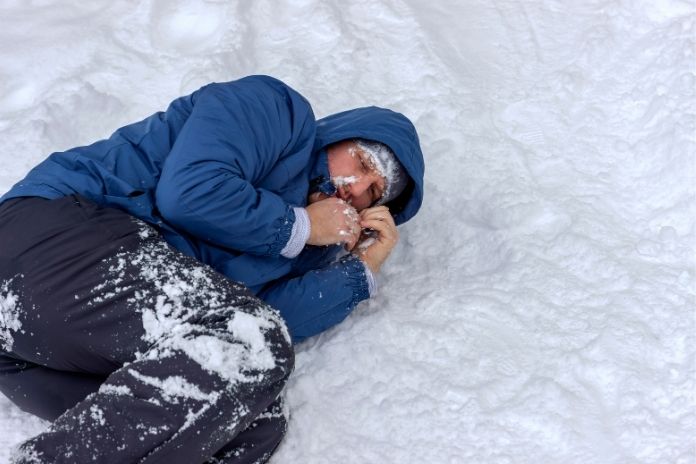
Cold exposure can affect every organ system. Some of the most serious risks include hypothermia, frostbite, cardiovascular strain, and carbon monoxide poisoning.
Hypothermia
Hypothermia happens when the body’s core temperature falls below 95°F (35°C). It usually comes on gradually, with very little warning.
At first, you may notice constant shivering, confusion, exhaustion, and a sort of clumsiness. As it progresses, you may have trouble speaking, a foggy mind, and loss of coordination. In the most extreme cases, the shivering may cease, breathing may slow, and you may lose consciousness.
Many people don’t know that hypothermia doesn’t only happen in freezing temperatures. It can happen even if the temperature is above freezing, especially if you are wet, tired, malnourished, or intoxicated.
Senior citizens are a particularly vulnerable population because their bodies produce less heat and they don’t feel the cold as much, which is a warning sign that can go unnoticed or often overlooked.
Frostbite
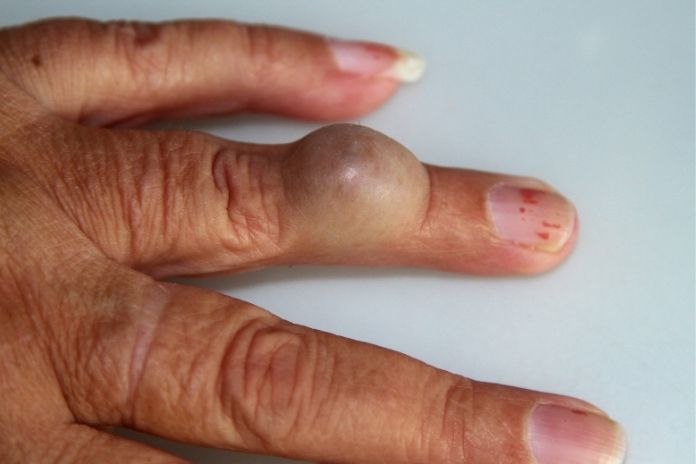
Frostbite occurs when the skin and underlying tissue freeze. Ice crystals form within cells, damaging blood vessels and killing tissue. The affected areas include fingers, toes, ears, nose, and cheeks, which have reduced blood flow.
Symptoms include tingling, numbness, and pale or waxy-looking skin. More severe frostbite can cause the skin to turn gray or black, with the formation of blisters. In severe cases, frostbite may need to be amputated if it is not treated in time.
Increased Cardiovascular Strain
Cold weather causes the heart to work harder to pump blood. The blood vessels constrict, which increases blood pressure. A heart attack or stroke becomes a possibility due to high blood pressure or heart disease. Even the simplest task of snow removal can trigger a heart attack in a person at risk, as it involves hard work along with the cold weather.
Carbon Monoxide Poisoning
Winter storms cause power outages, and people resort to using generators, gas heaters, or even grills inside their homes. This increases the possibility of carbon monoxide (CO) poisoning, a colorless and odorless gas that prevents red blood cells from releasing oxygen throughout the body.
According to studies, CO poisoning sends around 40000 people to emergency rooms every winter. Symptoms of carbon monoxide poisoning include headaches, dizziness, nausea, confusion, chest pain, and passing out. The truth is that carbon monoxide does not smell, and it can be dangerous before you realize it.
Read More: Traveling This Winter? Back Pain Tips for Long Car Rides and Flights
Who Is Most at Risk?
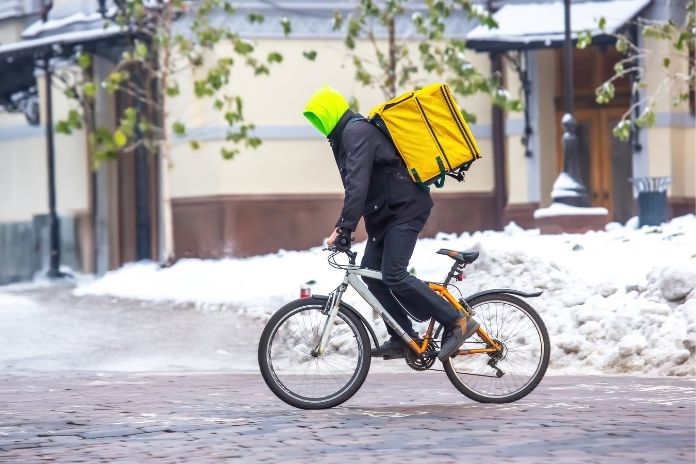
Though cold-related illnesses can occur in anyone, some people are more susceptible to them. Older people tend to have poor circulation and lower heat production. Infants and toddlers lose heat quickly because of their small body size. People with chronic illnesses such as diabetes or heart disease are more susceptible.
Those who work outdoors, such as construction workers, delivery personnel, and farmers, spend extended periods of time outside. Homeless people may not have many places to go for shelter. Pets are not immune to the cold either. Hence, many vets recommend keeping pets inside during extreme cold warnings.
How to Dress in Extreme Cold

Knowing how to dress in freezing weather can make the difference between safety and an emergency.
The Science of Layered Clothing
Trapping heat means keeping warm but also allows the escape of moisture. A good system would include layering a bottom layer that wicks away moisture to keep the body dry, a middle insulating layer of fleece or down, and an outer layer that protects against the wind and water.
The importance of moisture-wicking fabrics comes into play because sweat can quickly cool the body.
Protecting Extremities
A significant amount of heat is lost from the head and limbs, so these areas must be well-insulated. Insulating layers such as gloves, socks, scarves, and hats will all help to retain this heat.
In windy conditions, face masks become a necessity, as frostbite usually affects areas of the body that are exposed to the elements, such as the cheeks and nose. Avoid constricting footwear at all costs, as poor circulation can only increase the risk of frostbite.
Staying Safe Outdoors
If you must venture out into the deep freeze, plan it out first:
- Reduce the time you spend outside and take warm-up breaks indoors.
- Stay dry and prevent yourself from sweating by dressing in layers.
- Keep your emergency numbers on hand and check the forecast before you go out.
- While driving, keep an emergency kit in your car, including a blanket, flashlight, phone charger, and some snacks.
Furthermore, don’t drink alcohol before you go out. It may temporarily make you feel warm, but it actually increases blood vessel dilation and accelerates heat loss.
Read More: 18 Ways To Stay Healthy This Winter – Align Your Focus!
Staying Safe Indoors During Extreme Cold
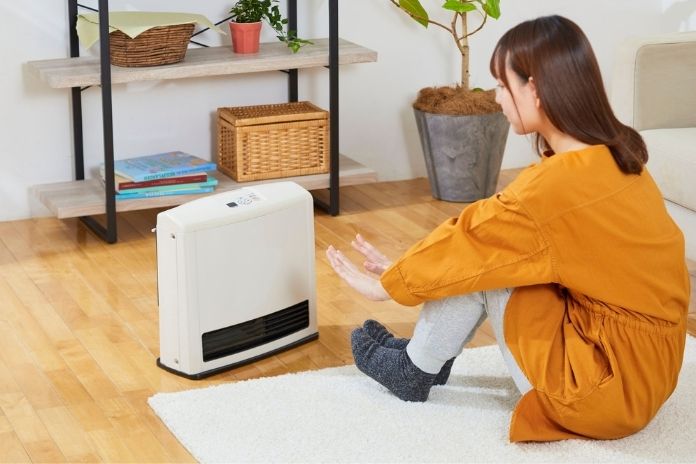
Cold waves can drive the power grid to its maximum capacity and cause power outages, making it imperative to stay safe indoors. The American Red Cross recommends a few easy measures, including installing carbon monoxide detectors, using heaters properly, and preparing emergency kits.
Do not use ovens, grills, or generators inside the house. Keep space heaters away from any flammable material and turn them off when they are not in use. Frozen pipes are another concern during cold weather. A small drip faucet and adequate insulation of exposed pipes can prevent a lot of headaches and expenses.
It is always a good idea to have a supply of non-perishable food items, water, medicines, light sources, and warm blankets before the onset of a storm.
What to Do If You Suspect Hypothermia or Frostbite
Quick action can prevent permanent injury.
First Aid for Hypothermia
If someone or you gets exposed to the cold, get them to a warm area as soon as possible. Remove wet clothing and put blankets on them. Warm them up slowly, but do not use hot baths or hot water.
If they are conscious and can swallow, give them warm fluids. Call emergency medical services as soon as possible.
First Aid for Frostbite
If areas of the body are involved, immerse them in lukewarm water (not hot). Do not rub the skin, as this will make it worse. Do not use heating pads or open flames. Consult a doctor for severe cases of frostbite, especially if there are blisters.
How to Prepare Before a Cold Snap
The key to being ready for the cold is to be prepared. Keep an eye on weather warnings and wind chill alerts, and make sure that emergency kits are in place at home and in each car. Make sure to have extra medications and batteries on hand.
Check on pets and senior neighbors, as it may help them survive the harsh weather. Families will have a plan in place for alternative heating sources and practice drills in case the power goes out or the temperature drops.
The Bottom Line
Extreme cold is not only an uncomfortable situation but may also be life-threatening. Yet most cold-related injuries can be prevented. Understanding how the body loses heat, dressing correctly, recognizing warning signs, and preparing your home can help protect your family from winter storms.
Stay informed, prepared, and safe. When the temperature drops, knowledge and preparation are your best protection.
References
- Better Health Channel. (n.d.). Hypothermia. Victorian State Government.
- American Red Cross. (n.d.). Frigid temperatures threaten millions across U.S.: 10 cold weather safety tips.
- Hampson, N. B. (2023). Carbon monoxide toxicity. In StatPearls. StatPearls Publishing.
- Max Healthcare. (n.d.). Cold impacts on heart health.
- Princeton University Environmental Health & Safety. (n.d.). Hypothermia and cold exposure.
- Xu, R., et al. (2022). Associations between cold exposure and cardiovascular outcomes: A review. Frontiers in Cardiovascular Medicine, 9, Article 9518606.
In this Article