











I never thought twice about slipping into my favorite pair of jeans, tightening a snug belt, or throwing a heavy bag over my shoulder. But soon, I realized that these mistakes can turn harmful in the long run. After all, clothes should make you feel confident and put together, and not injure you. However, the truth is that some of our daily habits will eventually work against us.
Tight clothes, man-made fabrics, and the wrong shoes might feel harmless at first, but over months and years, they can disrupt your body’s natural balance and function. The problem is that while you feel “comfortable” in these restrictive habits, they will compress your body. It will affect your circulation, your organs, your skin, and maybe even your posture.
So, let’s take a closer look at these dressing habits — to find out whether they’re quietly undermining your body and health, and more importantly, how you can fix them.
In this article, we will understand some everyday clothing habits that can be harmful to our health in the long run.
Read More: 10 Everyday Triggers of Atopic Dermatitis (Eczema) Flare-Ups—and How to Avoid Them
1. Wearing Tight Clothes Every Day

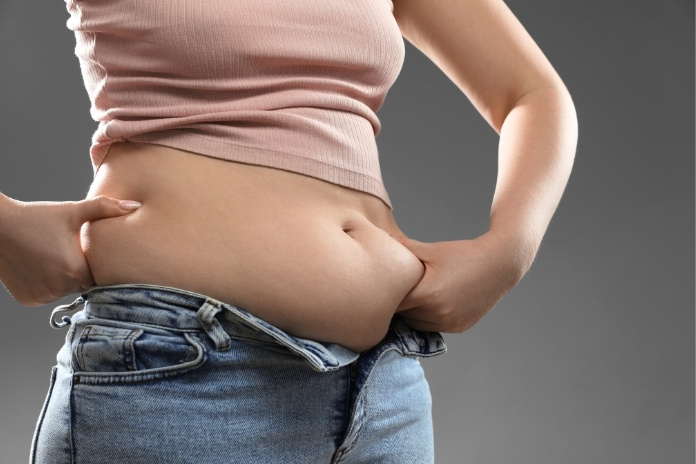
This is a habit we can all relate to. We don’t mind putting on a pair of jeans that are a bit tight or squeezing into some form of shapewear to appear “fitted.” Wearing tight clothes as a regular habit causes extra physical stress on the body.That outfit might look irresistibly cute and feel comfy at first — but don’t overlook the pressure it puts on your nerves, leaving your thighs tingling or even going numb.
You may also have added pressure in your abdomen, as tight clothes can lead to acid reflux or some bloating post a meal, or even prevent proper absorption of supplements. Above all, it also strains your muscles, forcing them to stay tense just to hold on.
Tip: Choose breathable fabrics and slightly looser fits that let your body move and circulate freely. If you love a fitted look, go for stretchable materials that give a snug feel without compressing your muscles or restricting blood flow.
2. Wearing Heavy Bags on One Shoulder
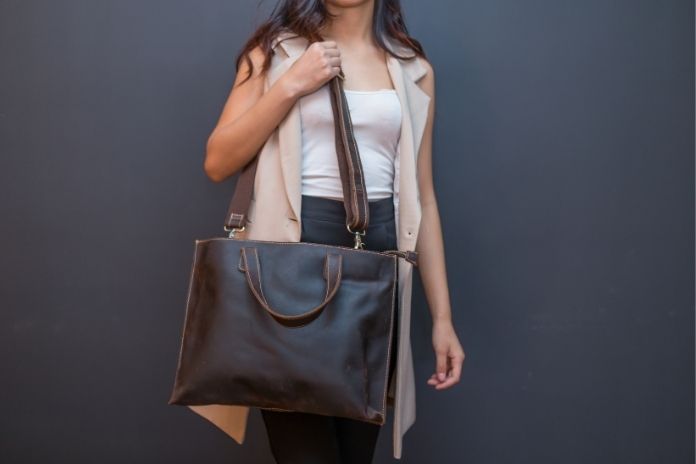
Your fashion-forward favorite oversized tote can be fabulous, but your back doesn’t agree. When you always wear a heavy bag on one shoulder, your body compensates by leaning to the other side and creating muscle imbalances. This imbalance strains your neck, shoulder, and upper back, and even leads to headaches or mild spinal misalignment in the future.
Think about it: you’re having one half of your body do all the lifting, every day. And in the long run that mounts up to chronic stiffness and posture changes you hardly even realize until your body aches.
Tip: Switch shoulders often, take a lighter load, or wear a wide, padded backpack strap to better distribute weight.
3. Wearing High Heels Too Often
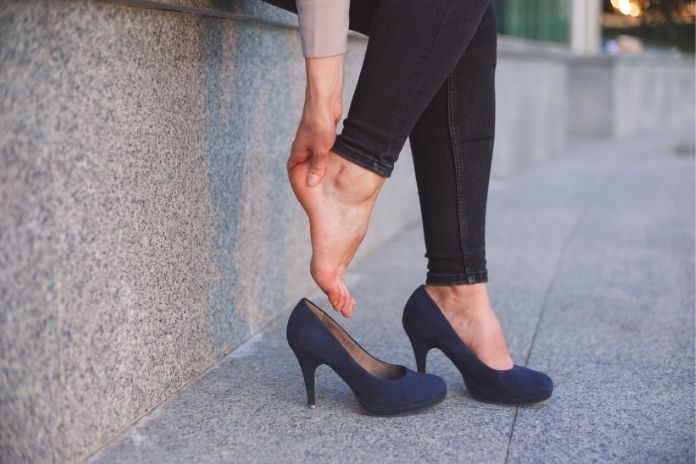
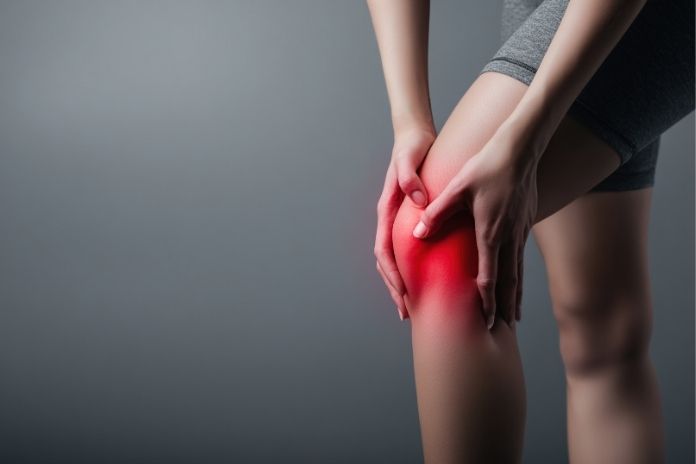
Heels may make your legs look longer, but they reduce your pain tolerance. Wearing them constantly shifts the weight of your body to your toes and places normal pressure on the front of your foot. This can cause bunions, hammertoes, knee pain, and strain on your lower back over time.
The altered balance from high heels doesn’t just affect your feet. It travels up your body, throwing your posture off and tightening your calf muscles. Long-term use can even shorten your Achilles tendon, making flat shoes uncomfortable.
Tip: Alternate between heels and supportive footwear, stretch your calves daily, and keep heel height under two inches when possible.
Read More: 8 Everyday Habits That Are Secretly Damaging Your Joints
4. Choosing Non-Breathable Fabrics
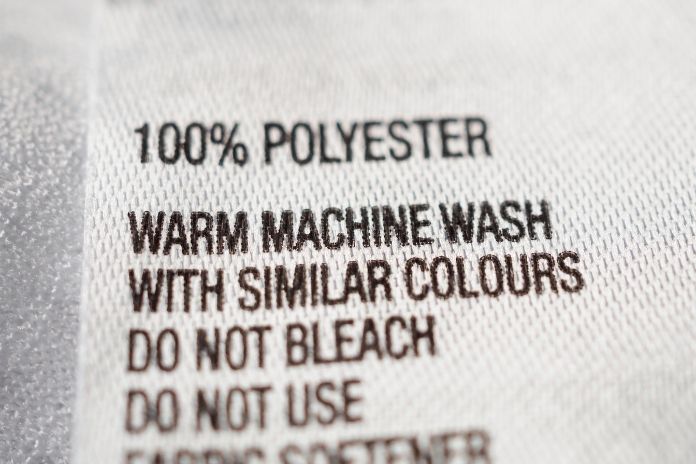
Non-breathing fabrics, such as polyester, nylon, or rayon, can be stylish but might be harsh on your skin. These fabrics retain heat, moisture, and bacteria, potentially setting the stage for fungal infections, body odor, or rashes. When air doesn’t circulate, sweat is trapped against your skin, causing irritation and breakouts, particularly in humid conditions.
Breathable fabrics, on the other hand, control body temperature and don’t chafe. Your skin, the largest organ in your body, needs airflow just like your lungs need oxygen.
Tip: Use natural fabrics like cotton, bamboo, or linen, especially for inner garments and undergarments.
5. Wearing Tight Bras or Shapewear for Extended Periods
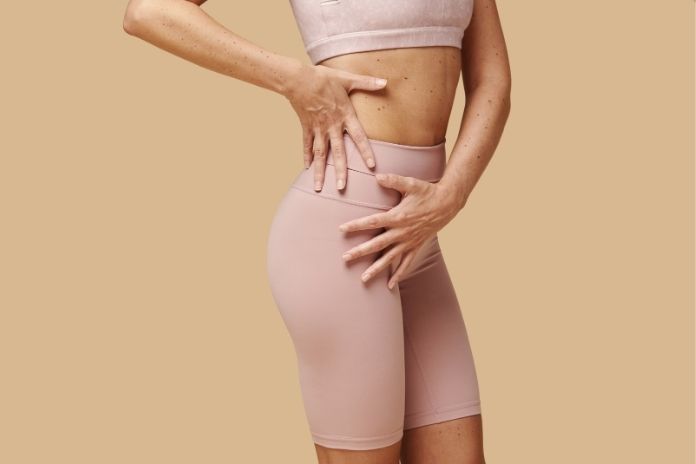
Shapewear will define your shape, but your internal organs pay the price later when long hours are spent in it. Tight underwear can restrict lymphatic flow, hindering circulation and your body’s ability to eliminate toxins. They also compress the diaphragm, which can make deep breathing harder and sometimes even cause heartburn or exhaustion.
Extended pressure can even lead to skin irritation or inflammation close to the chest and rib cage. Your body isn’t made to be “shaped” during the day; your body is made to move comfortably.
Dr Raashi Khatri-Panjabi, a specialist in orofacial pain, says, “Most women wear improperly fitted bras, and this is a major contributor to shoulder/arm complaints; tension across the shoulders and neck, headaches, cervical spine problems, and also lower back pain.”
Tip: Choose breathy, well-fitted bras and give your body regular breaks from compression wear.
Read More: Can Tight Underwear Affect Male Fertility? Here’s What Research Says
6. Ignoring Footwear Support
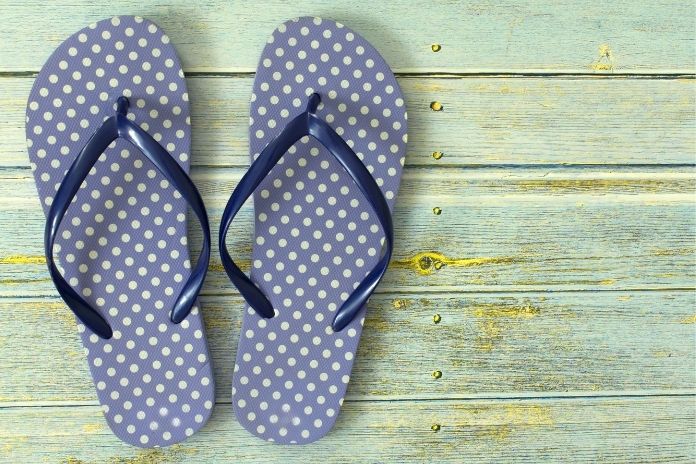
Cute but unsupportive shoes, such as ballet flats or flip-flops, aren’t necessarily doing your joints any favors. Without proper cushioning in the arch and heel, your feet get all the impact of walking, leading to issues like plantar fasciitis, Achilles tendon strain, or joint pain.
Improperly fitting shoes alter your gait after a while, which also affects your knees and hips. Don’t forget your feet are supporting your whole body weight; they need to be better treated than with a piece of flimsy rubber.
Tip: Switch footwear styles, try shoes with cushioned soles or built-in arch support, and regularly swap old ones.
7. Wearing Wet Workout Gear For Longer Than Necessary
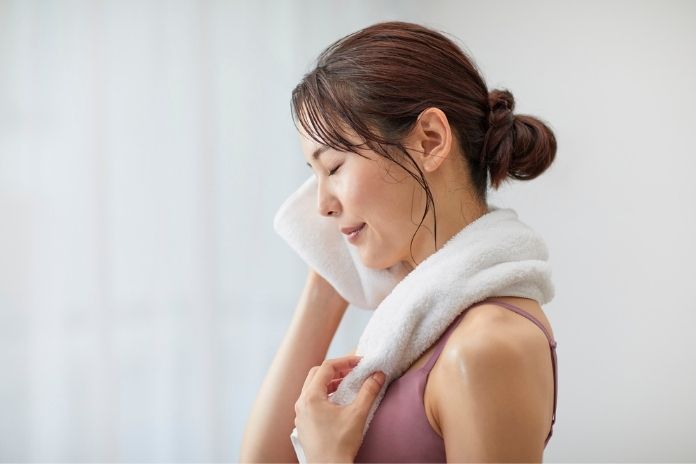
Post-workout chores in your gym clothes may seem convenient, but it’s a recipe for skin disaster. Wet clothing clings to your body, trapping bacteria, oil, and sweat. This is the ideal combination for fungal infections or “bacne.” It can also lead to folliculitis (infected hair follicles) due to repeated friction.
Apart from skin irritation, staying in wet clothing for too long can disrupt your body’s normal temperature regulation.
Tip: As soon as possible, change out of your exercise clothes, shower, and let your skin breathe before dressing in a fresh set of clothes.
8. Tight Waistbands and Belts

Tight waistbands may make your fit look neat, but your digestive system doesn’t agree. Tight belts compress the stomach, making digestion more difficult and promoting acid reflux or bloating. They also restrict your diaphragm’s movement, causing your breathing to be shallow and your posture to be rigid.
Sitting day after day in binding trousers or belts makes matters worse.
Tip: Wear stretch waistbands, sit comfortably, and rest after meals to enhance your digestion and posture.
9. Sleeping in Constrictive or Filthy Clothing

Your body detoxes and heals while you sleep, but dirty or tight pajamas can throw that out of whack. Restrictive clothing narrows blood vessels and limits your body to regulate temperature, and dirty tops get clogged with dead skin cells, oil, and bacteria that lead to breakouts or itchiness.
The result? Restless nights, itchy skin, and a feeling of heaviness despite eight hours.
Tip: Always sleep wearing fresh, loose cotton or bamboo clothes that allow your body to breathe and recover.
10. Not Washing New Clothes Before Wearing
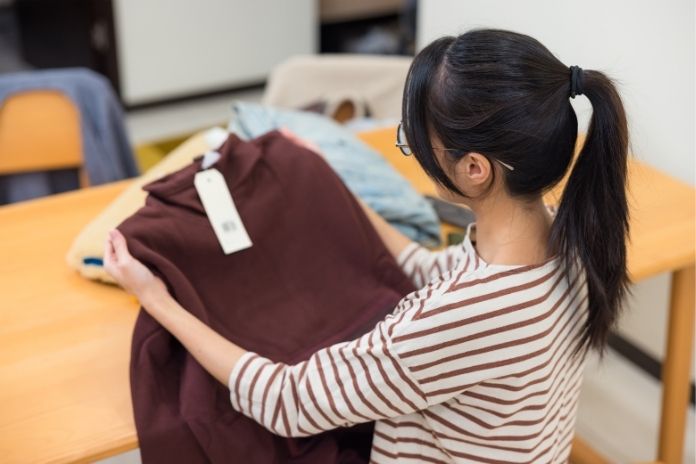
That “new clothes” scent isn’t freshness. It’s a mixture of dyes, finishes, and chemicals that are residues from production. These residues will itch, give rashes, or provoke allergic reactions, especially for sensitive skin. Invisible particles like formaldehyde-based resins can still be on new clothes.
Quick wash before first use removes most irritants and keeps your skin safe from unwanted contact.
Tip: Pre-wash all new items, especially underwear, athletic wear, and babywear, before putting them on.
How to Make Healthier Clothing Choices
Your closet shouldn’t be an enemy; it should complement your body, not exhaust it. The goal is to find a balance between fashion, support, and comfort so that what you put on supports your well-being.
Here are some simple but powerful pointers to dress better every day:
- Begin with breathable clothing. Choose natural fibers like cotton, bamboo, or linen. They breathe, stay dry, and prevent bacterial growth.
- Emphasize fit over form. Your garments should fit without restricting your skin or leaving marks. Fit enables you to move, breathe, and digest better.
- Switch from compression wear. Save your body from having to wear tight pants, bras, or shapewear all the time. Keep them for short events instead of all-day affairs.
- Pay attention to your posture. Notice how clothes and shoes affect your standing or sitting position. Large bags and high heels may subtly alter your posture in the long run.
- Choose functional footwear. Cushioned, supportive shoes support your joints, knees, and back against everyday wear and tear.
- Lighten your load. Carry only essentials, and switch shoulders or use an even-toned backpack whenever necessary.
- Practice clothing hygiene. Wash wet or sweaty clothes as soon as possible, and avoid wearing unwashed new clothes to prevent irritation from chemicals.
- Allow your body to breathe. Get out of tight or wet clothing as soon as possible and give your skin a chance to heal daily.
Subtle, considerate changes in what you wear can make a big difference in circulation, posture, skin color, and comfort. True style ultimately comes from how well you feel, not necessarily how well you look.
Key Takeaway
Fashion is fun, but health is freedom. The wrong clothing habits, if repeated every day, can subtly affect your posture, digestion, skin, and energy levels. By choosing better fabrics, reducing compression, and dressing in sync with your body’s needs, you’ll feel lighter, more comfortable, and more at ease in your skin.
In the end, style should boost your confidence, not compromise your well-being. Clothes are something that not just make or break your appearance, but they have the same effect on your health too. Choose the right comfy airy clothes and style them up as you like!
References
- https://timesofindia.indiatimes.com/life-style/health-fitness/health-news/dangerous-effects-of-wearing-tight-clothes-on-your-skin-blood-circulation-and-digestion/articleshow/123565210.cms
- https://omedhealth.com/insights-hub/tight-clothing-and-ibs/
- https://www.lukecoutinho.com/blogs/miscellaneous/tight-bras-underwear
- https://chirophysic.co.ke/when-you-your-heavy-handbag
- https://www.healthshots.com/fitness/staying-fit/side-effects-of-wearing-sweaty-clothes/
In this Article