














When preparing for your baby’s arrival, shopping for newborn essentials is usually at the top of your to-do list. After all, once your little one arrives, you’ll want to have everything ready.
Setting up the nursery and making sure you have everything you need for eating, sleeping, and changing diapers might keep you busy. Naturally, any soon-to-be parent may be surprised by the quantity of baby items a newborn needs.
But are you trying to figure out which baby items are necessary and which ones can be avoided? No need to worry! If you want a detailed list of what your new baby needs, keep reading.
This article helps new parents make informed choices by clarifying what constitutes a necessity versus a luxury during the early months.
Read More: Top 9 Baby Products Every New Parent Needs: Essentials for Baby Care
What Makes Newborn Gear “Essential”
It’s essential to focus on baby supplies that meet your baby’s basic needs of sleep, eating, safety, and mobility in those first 0 – 3 months of life. These are the building blocks of your daily care that help parents navigate these first weeks without unnecessary stress.
Emphasize simplicity: all a child truly needs are the essentials, food, clothing, and a safe place to sleep. Your lifestyle, available space, feeding preferences, and financial situation can all influence what is considered “essential.”
Making informed decisions is more critical than buying everything.
Must-Have Gear for the First 3 Months
These are a few fundamentals new parents should always have on hand:
- Feeding: Bottles, formula or breast pump, burp cloths.
- Sleeping: A crib, bassinet, or swaddles.
- Diapering: A changing pad, wipes, and diapers.
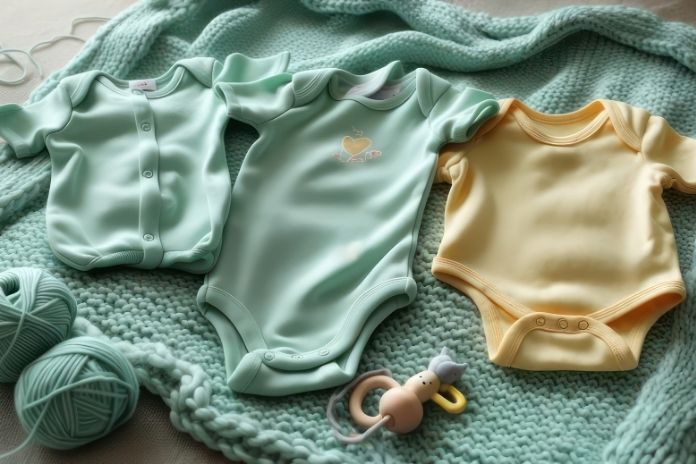
- Clothes: Footed sleepers, mittens, onesies.
- Bathing needs: Soft towels, mild soap, and a tub or bath chair.
- Safety and Health: Nasal aspirator, nail clippers, thermometer.
- On the go: Diaper bag, stroller, car seat.
These essentials fulfill the most critical needs without overloading you with extras: comfort, safety, food, sleeping, and diapering.
- Essentials for a Newborn Nursery
Crib: A crib gives your baby a secure place to sleep, making it one of the most essential newborn necessities. A sturdy crib is an excellent purchase, as your child will sleep up to 16 hours a day during the early years.
Bassinet: You may want to use a bassinet instead of a crib during those initial months. A bassinet is convenient and portable.
Crib mattress: A firm mattress that precisely matches the crib you purchased is one of the most crucial nursery essentials.
Bedding: All you’ll need is a waterproof mattress cover and a few fitted sheets that fit your crib mattress snugly.
Night-light: For late-night feedings, diaper changes, and calming your infant without fully waking them, a low-light alternative can be used.
Clothing storage: You’ll need a place to store baby’s essentials, whether you use a drawer, a wardrobe, or tubs with dividers.
Read More: 6 High-Quality Maternity Products Every Expecting Mother Needs
- Essentials of Newborn Clothes
Blanket for swaddling: During the first few weeks, you might decide to swaddle your baby by wrapping a small blanket tightly around their body.
Sleepers, sleeping sacks, or pajamas: Sleepwear is undoubtedly one of the newborn necessities since your baby will be sleeping for a large portion of the day.
Stretchy pants and T-shirts: For simple, daily ensembles, pair T-shirts with stretchy slacks or leggings.
Jacket or sweater: A lightweight jacket or cardigan is a helpful approach to keep your infant warm.
Mittens: During the colder months, adorable tiny mittens are perfect.
Booties or socks: You might also need booties in addition to plenty of socks.
- Essentials for Newborn Bath Time
Baby bath seat or tub: You will eventually need a seat or tub for bathing your infant, but for now, they will receive a sponge bath until the umbilical cord stump falls.
Shampoo and soap: To cleanse babies’ sensitive skin and hair, use mild, tear-free products made especially for them.
Towels: After a bath, your baby will stay warm and dry quickly with soft, hooded towels.
Baby moisturizer: Although a newborn often doesn’t require special lotions, you can use a non-scented baby moisturizer if your child has dry areas of skin.
- Essentials of Nursing a Newborn
Bibs: A necessary part of a basic baby equipment list, bibs help keep your baby’s clothes free of drool, formula, and milk.
Bottles and Nipples: No matter which method you choose to feed, knowledge of the fundamentals of bottle feeding is essential. Use glass bottles as well as BPA-free plastic. Some of them even come with disposable liners.
Breast Pump: A Manual or electric breast pump will enable you to express your milk while you are away from the baby or taking the necessary steps to control your milk supply.
Formula: Consult your baby’s health care practitioner to choose a brand or type of formula that will do well by your baby.
Bottle Brush: This allows you to clean the insides of your bottles thoroughly.
Bottle Sterilizer: Kills germs in pacifiers, bottles, and nipples, giving you added confidence. It may no longer be needed once your baby is a few months old, but it is highly useful during those early months.
Read More: 10 Must-Have Products for Prenatal Care: Essentials for a Healthy Pregnancy Journey
- Essentials of Newborn Health
A first-aid kit: Keep essentials like petroleum jelly, tweezers, antibiotic ointment, sticky bandages, and a baby thermometer in one location.
Hairbrush with soft bristles: If your newborn develops cradle cap, a brush can help dislodge scales, even if your newborn doesn’t have much hair.
Mild detergent: Wash your baby’s clothes and blankets with a gentle detergent.
- Essentials for Newborns On the Go
Car seat: A rear-facing car seat is essential from day one.
A stroller: Make sure the full-sized stroller, car seat carrier, or travel system you choose fits your family’s demands and safety regulations.
Stroller rain cover: When it rains unexpectedly, a stroller rain cover comes in handy. You can buy a universal model, or some strollers come with one.
Safety Guidelines Every Parent Should Follow
The cornerstone of infant care is safety, and adhering to fundamental rules guarantees your baby’s health from the start.
- Always put your baby to sleep on a good, firm mattress in a crib or bassinet, away from toys, cushions, bumpers, or loose blankets, to prevent breathing problems.
- Straps on your baby carrier should keep your child from falling or crawling out. A strong, padded head support is what you want. Choose a carrier that is appropriate for your baby’s weight and size. Additionally, make sure the leg openings are very small enough to prevent your baby from slipping out and that the carrier is deep enough to support your baby’s back.
- Avoid inflatable tubs and bath buckets as they can be unsafe. A baby bathtub constructed of strong plastic will remain firm in the middle even when the water is heavy.
- Please verify that all infant gear satisfies current safety regulations and check it frequently for recalls.
- Always adhere to the manufacturer’s age recommendations when selecting baby toys. Pay attention to all warnings on toy packaging, as some toys contain small parts that may pose a choking hazard.
Read More: 10 Gentle Workouts Safe for the Postpartum Body
Budget-Friendly Buying Tips and Avoiding Overbuying
Choose necessities first: Pay attention to necessities such as a car seat, diapers, feeding supplies, and a secure sleeping environment. For the first three months, they are essential.
Buy gradually: Hold off on buying “nice-to-have” items until you are familiar with your family’s daily routine and your baby’s preferences. Many people purchase helpful things but never use them.
Choose clothes that can be used for a double or other purpose: Choose clothes that you can make useful, or that will work in different ways, such as a carriage that can later be used for the baby, providing the benefits of a bed. You can choose a baby carriage that expands as your baby grows.
Do not let impulse buying affect you: To help you avoid impulsive purchases, use a practical checklist before you go shopping. Due to social pressure or fear, many parents overspend, but careful planning ensures you purchase only items that will benefit your child in the early months.
Conclusion
Welcoming a new baby into the world is a beautiful but messy time. It is full of joyful firsts, sleepless nights, and limitless learning experiences. It is easy to fall prey to the idea that all the products are necessary in the whirlwind of marketing and recommendations.
However, as time goes by in the first few months, most parents find that the luxury is really in simplicity. It is not the amount of equipment needed for the baby, but the love, security, and tenderness. If parents focus on a few necessities, they can not only care for their baby but also maintain their own peace of mind.
The necessities should include a safe sleeping area, a safe car seat, feeding supplies, and a few comforts. Each family differs, so parents should tailor the baby checklist to their specific needs.
Read More: Breast Milk Color Changes: What’s Normal and When to Worry
References
- https://www.pampers.com/en-us/pregnancy/preparing-for-your-new-baby/article/newborn-baby-checklist
- https://www.thebump.com/a/checklist-baby-essentials
- https://www.babylist.com/hello-baby/babys-first-year-basics
- https://www.parents.com/baby/gear/registries-buying-guides/baby-shopping-guide/
- https://www.cookchildrens.org/health-resources/newborn/preparing/choose-safe-products/
In this Article