














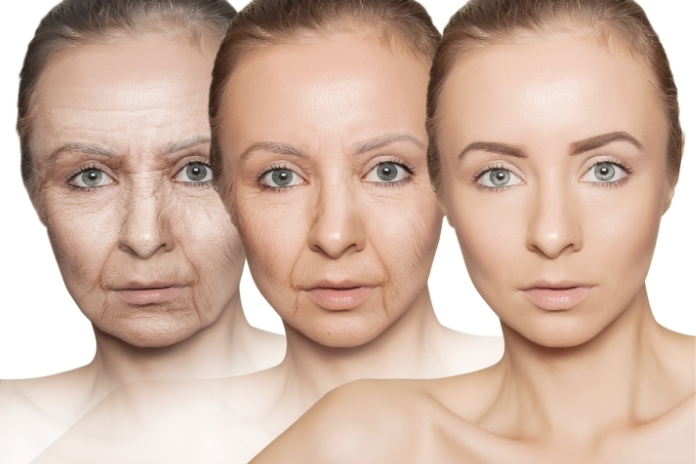
Aging is inevitable, but your skin often shows the first signs. Fine lines, sagging, dryness, rough patches, and uneven tone aren’t just about appearance; they reflect underlying changes in the skin’s structure, barrier function, hydration, and ability to heal. These changes affect not only how your skin looks, but also how well it protects and repairs itself over time.
Understanding why skin ages and what accelerates the process is key to slowing it down. Factors like sun exposure, smoking, poor nutrition, stress, and environmental pollutants all contribute, while genetics and hormonal shifts play a role, too.
This guide explores the biological mechanisms of skin aging, the most common visible changes, and practical, evidence-based strategies, from daily habits and topical products to professional in-office treatments, that can help maintain healthy, resilient skin for decades. The focus is simple: prevention first, targeted repair second.
Why Does Skin Age?
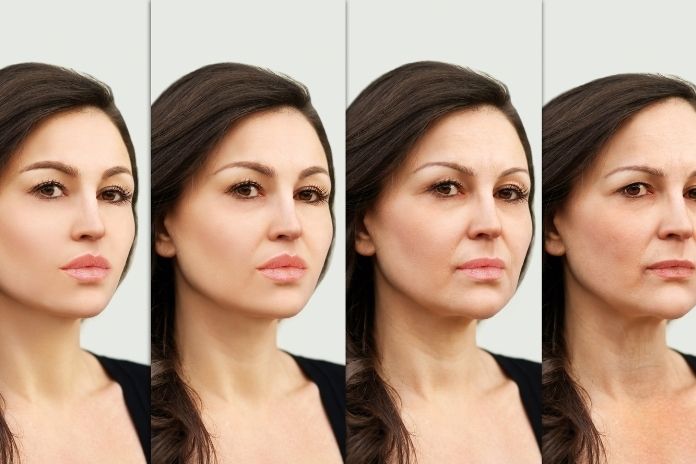
Skin aging comes from two overlapping processes: intrinsic (chronological) aging and extrinsic or environmental aging. Intrinsic aging is the slow, biological decline in cellular function: skin cells divide more slowly, the fibroblasts that make collagen and elastin become less active, and the natural repair systems lose efficiency.
Collagen production begins to drop in early adulthood, roughly about 1% per year, and accelerates around menopause, which explains why skin can change quickly for some people in midlife.
Extrinsic aging is driven by outside insults you can modify: ultraviolet (UV) radiation from the sun and tanning beds, cigarette smoke, pollution, poor sleep, chronic stress, and a sugar-heavy diet (which accelerates glycation).
UV exposure is the single largest preventable cause of premature skin aging, the so-called “photoaging” that produces fine lines, brown spots, and a leathery texture. Genetics and hormones (especially estrogen loss at menopause) also shape how fast and how dramatically your skin changes.
Common Effects of Aging on the Skin

As skin ages, it undergoes both visible and structural changes. Wrinkles, sagging, dryness, and uneven tone are the most noticeable, but beneath the surface, collagen and elastin decline, the skin’s barrier weakens, and its ability to retain moisture and repair itself slows down. Recognizing these common changes helps you understand what’s normal, what can be prevented, and which signs may benefit from targeted care.
A. Wrinkles and fine lines
Wrinkles form when the dermal matrix that holds skin taut, mainly collagen and elastin, weakens and thins. Repeated facial movements (squinting, frowning) create dynamic lines that eventually become static as structural support declines. Fine lines usually appear first around the eyes (crow’s feet), mouth, and forehead. Topical retinoids are the most consistently studied ingredient to stimulate collagen production and reduce fine lines over months of use.
As Stanford dermatologist Dr. Zakia Rahman, MD, explains, “Retinoids help mitigate those issues in a variety of ways. They thicken the epidermis through increased cell proliferation at the top level. They increase the production of natural chemicals (such as hyaluronic acid) in your skin that keep it plump and moist. They stimulate collagen production and inhibit the breakdown of collagen that already exists. ”
B. Dryness and thinner skin
With age, sebum (skin oil) production drops and the epidermis thins, so skin loses moisture more easily and feels rough or itchy. Thinner skin also bruises more readily and heals more slowly because blood-vessel density and cellular turnover decline.
Simple habits, gentle cleansing, regular moisturizing with barrier lipids (ceramides), and keeping humidity up in dry months make a real difference.
C. Pigmentation changes
Sun damage creates irregular pigment (solar lentigines, “age spots”) as melanin production becomes patchy. UV and high-energy visible light can also darken existing spots and create an uneven tone that makes skin look older. Chemical and laser treatments plus topical vitamin C and retinoids can reduce pigment over time; prevention (sunscreen) limits future spots.
D. Loss of firmness and volume
Aging reduces subcutaneous facial fat and bone density in the face, so cheeks hollow and the jawline sags. Elastin breakdown makes skin less springy. Restoring volume (fillers) or stimulating collagen (microneedling, lasers) addresses these issues differently: fillers replace lost volume immediately, while collagen-stimulating procedures aim for gradual tightening.
Lifestyle and Environmental Triggers that Speed Skin Aging

Not all aging is destiny. These modifiable factors accelerate visible aging:
- UV exposure: Cumulative sun damage causes the majority of visible signs of aging; daily sun protection is the single most effective preventive measure. A randomized trial found that daily sunscreen use significantly slowed skin aging over 4.5 years.
- Smoking:Tobacco smoke increases matrix-degrading enzymes and reduces collagen production; smokers show more pronounced wrinkling and a leathery texture. Quitting uncouples a major accelerated-aging driver.
- High sugar intake/glycation: Excess sugar forms advanced glycation end-products (AGEs) that stiffen and damage collagen and elastin, contributing to sagging and crepe-like skin. Reducing refined sugar helps protect structural proteins.
- Poor sleep and chronic stress: Both impair repair systems; studies link chronic sleep disturbance to diminished skin barrier function and signs of faster intrinsic aging. Prioritizing sleep supports the skin’s nightly restoration cycle.
Read More: 8 Common “Healthy” Habits That Could Be Aging You Faster
How to Slow Down Skin Aging Naturally
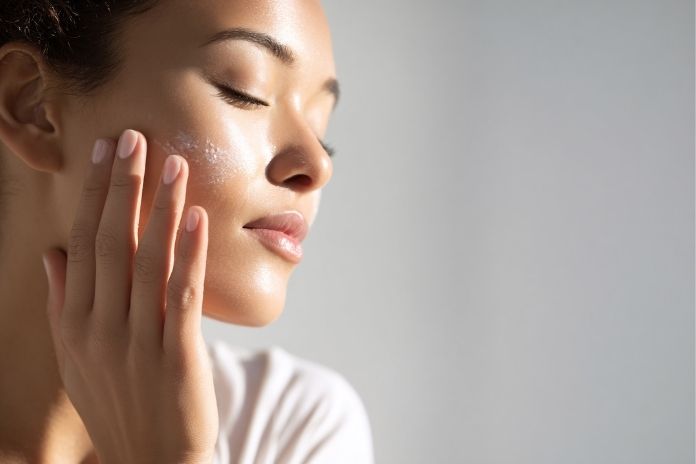
While aging is inevitable, the pace and visible impact on your skin aren’t entirely out of your control. Daily habits, lifestyle choices, and simple self-care routines can make a meaningful difference in maintaining skin health and resilience. From sun protection and proper hydration to nutrition, sleep, and gentle skincare, natural strategies focus on prevention first, helping your skin stay strong, smooth, and vibrant for longer.
A. Skincare habits that actually work
- Sunscreen every day (broad-spectrum SPF 30 or higher) is non-negotiable, apply liberally and reapply when outdoors. Dermatologists call sunscreen the most powerful anti-aging product you have.
- Retinoids are the topical gold standard for reducing fine lines and stimulating collagen. Start slowly (lower concentrations, alternate nights) and pair with moisturizing to avoid irritation; expect noticeable improvement in 3–6 months.
- Antioxidants (topical vitamin C) protect against environmental free radicals and support collagen synthesis; use in the morning under sunscreen for best effect. Oral diets rich in vitamin C and other antioxidants also support skin repair.
- Moisturizers with ceramides and hyaluronic acid restore barrier lipids and attract water, improving plumpness and reducing the appearance of fine lines. Gentle cleansing avoids stripping natural oils.
B. Lifestyle changes that matter
- Eat a nutrient-dense, antioxidant-rich diet: vitamin C, E, zinc, and omega-3ssupport collagen maintenance and reduce inflammation. Cut back on processed sugar to limit glycation.
- Sleep and stress control:Aim for consistent, restorative sleep and daily stress-management practices (breathing, movement, or meditation). Chronic poor sleep correlates with increased signs of skin aging and slower repair.
- Avoid smoking and limit alcohol:Both harm collagen and microcirculation. Quitting smoking is one of the fastest ways to stop accelerated skin aging.
Read More: Purple Vegetables – Are They the Ultimate Anti-Aging Superfoods?
Dermatologist-Recommended Treatments
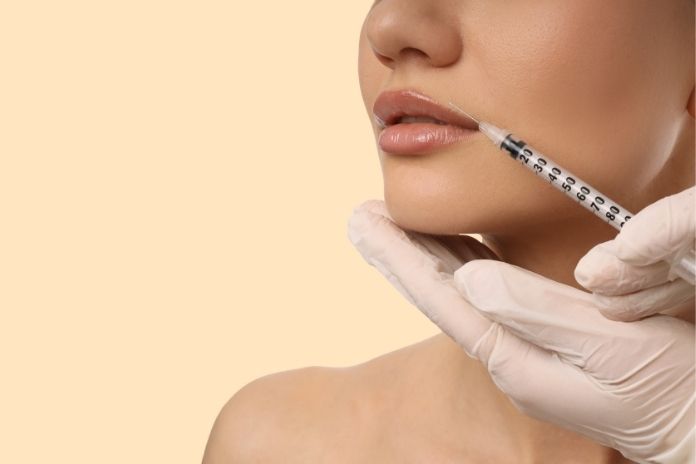
When lifestyle and daily skincare don’t deliver the results you want, dermatologists offer evidence-backed procedures:
- Chemical peels & microdermabrasion improve texture and minor pigmentation by removing damaged outer layers. Good for early photoaging.
- Laser resurfacing and intense pulsed light (IPL) target pigmentation, broken capillaries, and stimulate collagen; effective for texture and tone when done by trained providers.
- Botulinum toxin (Botox) relaxes muscles that cause dynamic wrinkles (frown lines, crow’s feet) and is FDA-approved for several facial indications; effects are temporary (3–4 months) but very predictable.
- Dermal fillers, hyaluronic acid fillers, restore lost volume in cheeks, lips, and under-eye hollows to smooth static folds quickly. They’re widely used and can produce immediate, durable results.
- Microneedling ± PRP, controlled micro-injury stimulates fibroblasts and collagen; recent reviews show improvements in fine lines and texture, though results vary and multiple sessions are usually needed. Evidence for adding PRP (platelet-rich plasma) is promising but mixed.
Any in-office procedure carries tradeoffs (downtime, cost, risks). Discuss realistic expectations and timing with a board-certified dermatologist or plastic surgeon. Combining approaches, a daily sunscreen + retinoid baseline plus occasional in-office collagen-stimulating procedures, is the most reliable path.
Read More: Top 10 Anti-Aging Wellness Products to Support Cellular Health
When to See a Dermatologist
Book an appointment if you notice suspicious, changing, or bleeding spots, persistent irritation that doesn’t respond to basic care, or rapid changes in texture or color. A dermatologist can distinguish normal aging from treatable conditions (actinic keratoses, eczema, or skin cancer) and recommend a targeted plan, topical prescriptions, in-office procedures, or referrals for systemic evaluation. Early assessment is especially important if you have a history of sunburns or immunosuppression.
FAQs
At what age do wrinkles usually appear?
There’s no single answer; genetics, sun exposure, and lifestyle determine timing. Fine lines often start in the 30s for many people, especially around the eyes and mouth, but signs depend heavily on cumulative sun damage.
Can diet reverse skin aging?
Diet can’t fully reverse wrinkles, but nutrient-dense, antioxidant-rich eating slows decline, supports repair, and reduces glycation. Paired with topical treatments and sun protection, diet helps maintain results.
What’s the single best anti-aging ingredient?
From a dermatologist’s standpoint, daily broad-spectrum sunscreen plus a retinoid is the backbone of an anti-aging routine: sunscreen prevents further damage; retinoids repair and stimulate collagen. Add topical vitamin C and good moisturization for complementary benefits.
Does drinking more water improve skin?
Adequate hydration supports overall skin health and barrier function, but water alone won’t erase wrinkles. It helps when combined with moisturizing and good nutrition.
Bottom line
Aging skin is normal, but much of what makes it look older is avoidable. Protect (sunscreen, avoid smoking), repair (retinoids, antioxidants), and support (sleep, nutrition, hydration). If you want faster or more dramatic improvement, evidence-backed in-office treatments (lasers, microneedling, fillers, Botox) can be highly effective when performed by trained specialists. Start with the fundamentals and layer on procedures intentionally; small, consistent changes today pay off in decades of healthier, more resilient skin.
“Many people realize that sun exposure contributes to skin aging, yet there is a significant gap in understanding how to prevent it,” said Elizabeth Houshmand, MD, FAAD, a board-certified dermatologist in Dallas, Texas. “Sunscreen is one of the most effective tools we have to slow premature aging, and unfortunately, this survey shows that many Americans either don’t use it regularly or don’t realize its full benefits.”
References
- https://pmc.ncbi.nlm.nih.gov/articles/PMC11581952/
- https://www.mdpi.com/2079-9284/12/4/144
- https://www.sciencedirect.com/science/article/pii/S0047637418300435
- https://pmc.ncbi.nlm.nih.gov/articles/PMC7403684/
- https://medlineplus.gov/ency/article/004014.htm
- https://www.skin.software/journal/why-skin-ages-the-way-it-does
- https://sites.dartmouth.edu/dujs/2013/01/28/why-does-your-skin-age/
- https://www.researchgate.net/publication/374682294_Enhancing_Skin_Anti-Aging_through_Healthy_Lifestyle_Factors
- https://dermaadvance.in/skin-care/anti-aging-habits/
- https://www.isdin.com/us/blog/skincare/what-is-the-exposome-and-why-it-is-important-to-protect-yourself-from-the-sun/
- https://www.mdpi.com/2079-9284/12/4/144
- https://pmc.ncbi.nlm.nih.gov/articles/PMC6159789/
- https://www.researchgate.net/publication/354120424_The_Effect_of_Lifestyle_on_Skin_Aging
- https://www.sciencedirect.com/science/article/pii/S2590006424002710
- https://www.mdpi.com/2310-2861/11/4/281
- https://au.purefiji.com/blogs/news/13-habits-lifestyle-factors-that-ages-your-skin
- https://www.clinikally.com/blogs/news/unveiling-the-truth-behind-90-of-skin-aging-effects?srsltid=AfmBOopToNzWi8ODI4-myIyPtIijnxVnbVzZt8jvjMu4k_IePrb-hSZm
- https://www.webmd.com/beauty/cosmetic-procedures-aging-skin
- https://www.westlakedermatology.com/blog/common-everyday-activities-that-cause-skin-aging/
In this Article