













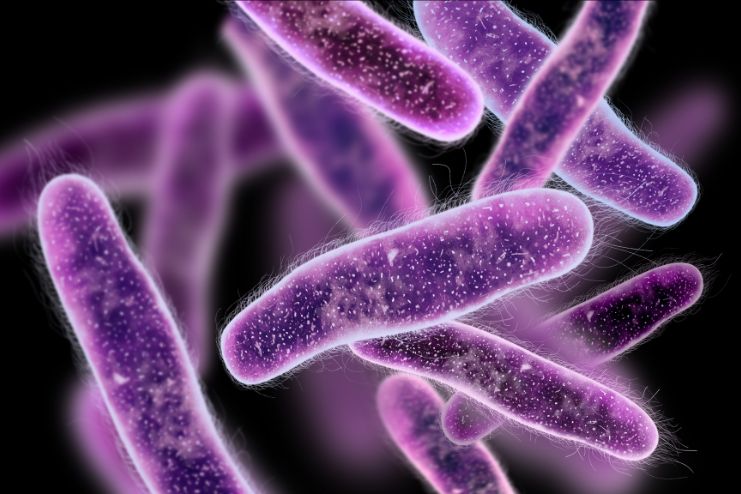
While bacterial infections are prevalent, they can escalate rapidly if left untreated or ignored. Dangerous bacteria cause bacterial diseases. These infections range in severity from mild conditions, such as strep throat, to more serious illnesses, including pneumonia and urinary tract infections.
Along with managing symptoms, prompt and effective treatment of bacterial infections is essential to prevent complications, antibiotic resistance, and the transmission of disease.
Prompt treatment plays a crucial role in health management. Any worsening of the condition may lead to increased morbidity in the absence of appropriate supervision and inadequate methods, such as the overuse of antibiotics, omission of doses, or do-it-yourself treatments.
The article aims to guide the audience on the most effective approaches for dealing with bacterial infections.
Read More: 5 Types of infections That You Must Know in Detail
What are Bacterial Illnesses
Any disease or condition brought on by bacterial growth or toxins is called a bacterial infection. You could become ill when dangerous bacteria enter your skin, lungs, heart, brain, blood, or any other part of your body.
Bacterial infections come in several forms, each with a unique set of symptoms. Antibiotics can treat simple bacterial infections, but other diseases can be more dangerous and have life-threatening consequences.
Severe bacterial infection can be very harmful, particularly for those who have a weakened immune system or if the bacteria are resistant to their treatment.
For instance, “good” bacteria in your digestive tract can help you absorb various vitamins and minerals, as well as digest your food, thereby keeping you healthy. Additionally, bacteria are utilized to make cheese and yogurt.
However, some bacteria can also infect you and make you very ill. We refer to them as infectious bacteria. These bacteria can multiply very swiftly. Many release toxins, or poisons, which can harm your cells and cause illness. Certain bacteria can invade body tissues, leading to tissue damage. Common types of bacteria that cause infections include Streptococcus, Staphylococcus, and E. coli.
How to Identify Bacterial vs Viral Infections

Bacteria infections are caused by bacteria, and viruses cause viral infections. Antibiotics do not treat viruses; instead, they can kill or prevent the growth of bacteria. Antiviral medications help the body eliminate certain viruses.
Determining the cause of any infection can be very challenging. This is because the symptoms of bacterial and viral diseases can be similar. To identify the type of infection you have, your healthcare provider will inquire about the symptoms you’re experiencing.
There are many similarities between viral and bacterial illnesses. Bacteria and viruses are the microorganisms that cause both kinds of diseases, as well as the transmission of these diseases.
- Sneezing and coughing
- Interaction with an infected individual, primarily through sex and kissing
- Interaction with tainted food, water, and surfaces
Both viruses and bacteria are too small to be seen without a microscope, but they are as different as goldfish and giraffes.
Single-celled, relatively complex organisms, bacteria frequently have a rigid cell wall and a thin, rubbery membrane enclosing the fluid within the cell. They are capable of self-reproduction.
According to fossilized records, bacteria have existed for over 3.5 billion years. They can live in various settings, such as the human body, radioactive waste, and extremely hot or cold temperatures.
The largest viruses are smaller than the smallest bacteria; they are all smaller than bacteria. They only have a core of genetic material, either DNA or RNA, and a protein coat. Unlike bacteria, viruses require a host to survive. Viruses can multiply by affixing themselves to other cells. Until the cells rupture and or die, it usually rewires the cells to produce new viruses.
Due to their unique set of symptoms, certain infections can be easily identified and classified as either bacterial or viral. However, it is more challenging to determine whether an illness is bacterial or viral in certain situations, such as pneumonia, meningitis, and specific ear infections.
According to Dana Habash-Bseiso, MD, an internal medicine expert at University Hospitals, “a complete blood count (CBC) contains certain indicators that can help us distinguish between bacterial and viral infections.”
Read More: E. Coli Infections: Understanding the Causes, Symptoms, and Effective Treatments
4 Best Practices for Treating Bacterial Illnesses
1. Get a Proper Diagnosis Before Starting Any Treatment
To prevent the overuse of antibiotics and prescribe the optimal treatment, a healthcare professional must make a proper diagnosis of a bacterial infection.
Diagnosis begins with a thorough clinical evaluation, which includes a careful history and physical examination. Although these assessments have advantages and disadvantages, professionals rarely use them in isolation; instead, they often combine them with other assessments.
A doctor will determine whether you have a bacterial illness by listening to your symptoms, performing a physical examination (including listening to your heart and lungs, palpating your abdomen, and examining your skin), and collecting samples to test for germs.
The results can guide laboratory and bedside testing; clinical testing is typically the next step. The probability of a diagnosis varies with each new piece of information.
If they believe you have germs in your brain, lungs, or another internal organ, they may perform X-rays, ultrasounds, MRIs, or CT scans to check for infection.
2. Use Antibiotics Responsibly and Complete the Full Course
Antibiotics are very effective for bacterial infections, but they are ineffective for viral infections. Antibiotic resistance may result from the improper use of antibiotics.
It entails taking the drug as directed in dosage and length of time. Even if symptoms decrease, it’s essential to finish the entire course of antibiotics to guarantee total infection elimination.
Early treatment termination may result in the survival and multiplication of stronger, more resilient germs. Furthermore, failing to complete the course might not eradicate the infection, leading to a relapse.
You should always take antibiotics exactly as your doctor directs. It means consuming the appropriate dosage for the full duration and at the correct times.
However, overuse of antibiotics, particularly when they are not the proper treatment, can also lead to resistance. For example, if you take an antibiotic for strep throat when you merely have a cold or another viral infection, the antibiotic still targets bacteria in your body, but not the germs that cause illness.
Therefore, antibiotics that have been prescribed to someone else or leftovers should not be taken; they may not be the best course of action for your specific ailment.
Read More: 15 Easy Yet Effective Cold and Flu Remedies
3. Support Recovery with Hydration, Rest, and Nutrition
A balanced, nutrient-rich diet, rest, and hydration should be your top priorities when recovering from a bacterial illness. While getting enough sleep enables the body to concentrate on healing, staying hydrated helps remove toxins and boosts immune function. A balanced diet provides the energy and minerals required to promote tissue regeneration and strengthen immunity.
Maintaining optimal physical and mental health and well-being requires a proper diet and hydration. Consuming a range of foods from the major dietary groups—fruits, vegetables, high-protein foods, dairy products, and substitutes—guarantees that we will obtain all the necessary vitamins, minerals, and nutrients.
Did you know that around 60% of our human body is composed of water? Water is essential to our daily survival, allowing us to feel and function at our peak. Examining the consequences of dehydration can help us better appreciate why maintaining proper hydration is so crucial.
Dehydration may result when we lose more bodily fluids than we consume. Body processes that cause fluid and electrolyte loss might cause this.
According to the U.S. National Academies of Sciences, Engineering, and Medicine, a woman should consume approximately 11.5 cups (2.7 liters) of fluids per day, whereas a man should consume approximately 15.5 cups.
4. Incorporate Probiotics to Protect Gut Health
Antibiotics are essential for treating bacterial infections, but they can also disrupt the delicate balance of beneficial bacteria in your digestive tract. This disturbance can lead to secondary infections, including yeast overgrowth, as well as digestive problems such as bloating, diarrhea, or constipation. A healthy gut microbiome is essential for immunological response, digestion, and general health.
Probiotics are live yeasts and bacteria that are good for health. Your body is already home to these species and many more. Supplementing with probiotics increases the body’s natural supply of important bacteria. They increase your resistance to infections and aid in warding off the less hospitable kinds.
Probiotics are defined as “live microorganisms that, when administered in adequate amounts, impose a health benefit on the host” by the International Scientific Association for Probiotics and Prebiotics.
Some fermented food (such as yogurt, kefir, sauerkraut, and kimchi) include these microorganisms, which are primarily bacteria but also include yeasts. They are also added to some food products and sold as dietary supplements. However, researchers have not shown that every product and supplement labeled as probiotic provides health advantages.
Another option is a probiotic supplement, but it’s best to consult with your doctor to determine the most suitable strain and dosage.
Risks of Improper Treatment

Antibiotic resistance, increased infection severity, and potential adverse drug reactions are just a few of the serious risks associated with improper treatment of bacterial infections.
While side effects can vary from minor to severe, depending on the drug and the patient, antibiotic resistance can make the infections more challenging to cure, possibly necessitating more potent antibiotics or even rendering them incurable.
Read More: 20 Effective Home Remedies for Cold for Fast Recovery
Conclusion
Healing from a bacterial illness requires more than medication; it requires insight into the whole situation. Following your doctor’s instructions, taking antibiotics as directed, and engaging in stomach-friendly activities can all contribute to a good recovery. More significantly, however, it requires a change in mind.
Consider your own healing as a collaborative effort for team health in which you take an active role, using the right tools and data your doctor provides. In the short term, missing doses or ignoring instructions may seem harmless, but such choices can lead to resistance, issues, and subsequent complications.
Be mindful of your role. Take responsibility for your health by taking your prescriptions as directed, seeking information, and adopting lifestyle choices that promote healing.
References
- https://my.clevelandclinic.org/health/diseases/24189-bacterial-infection
- https://www.healthdirect.gov.au/bacterial-infections
- https://medlineplus.gov/bacterialinfections.html
- https://healthforanimals.org/resources/newsletter/articles/three-tools-which-may-help-us-fight-bacterial-infections/
- https://www.health.com/bacterial-infection-8421214
- https://www.webmd.com/a-to-z-guides/bacterial-and-viral-infections
- https://www.mayoclinic.org/diseases-conditions/infectious-diseases/expert-answers/infectious-disease/faq-20058098
- https://www.healthdirect.gov.au/bacterial-vs-viral-infection
- https://www.uhhospitals.org/doctors/HabashBseiso-Dana-1174631436
- https://my.klarity.health/bacterial-infection-diagnosis-and-treatment/
- https://www.mayoclinic.org/diseases-conditions/infectious-diseases/diagnosis-treatment/drc-20351179
- https://www.dignityhealth.org/articles/why-is-finishing-antibiotics-so-important
- https://www.nhslanarkshire.scot.nhs.uk/pulse-nutrition-and-hydration-week/
- https://cdhf.ca/en/the-importance-of-staying-hydrated-general-hydration-and-virus-recovery/
- https://nutritionsource.hsph.harvard.edu/nutrition-and-immunity/
- https://www.albertahealthservices.ca/assets/info/nutrition/if-nfs-eating-well-for-wound-healing.pdf
- https://ods.od.nih.gov/factsheets/Probiotics-HealthProfessional/
- https://my.clevelandclinic.org/health/treatments/14598-probiotics
- https://pmc.ncbi.nlm.nih.gov/articles/PMC3539293/
In this Article