














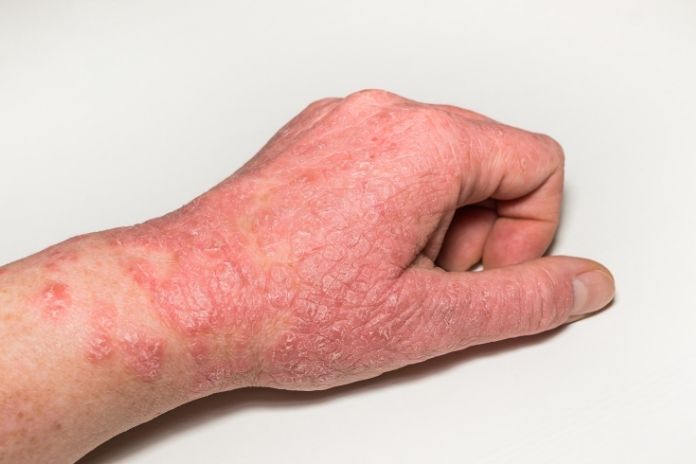
When you eventually quiet down an eczema flare-up, the itching stops and the skin stops feeling irritated, but you still have dark spots, redness, or uneven patches that won’t go away.
When eczema flares up, the skin becomes extremely inflamed and itchy, which can lead to scarring. These scars may appear as varying degrees of textural differences or changes in pigmentation. To treat eczema scars effectively, the first step is to understand the causes.
These pigment changes can take weeks or even months to resolve, but true scars are rare with eczema. The good news? The skin can gradually return to its usual tone with proper attention and effort.
This article will discuss safe and efficient methods for fading discoloration, therapies, and the science underlying eczema marks.
Read More: 10 Everyday Triggers of Atopic Dermatitis (Eczema) Flare-Ups—and How to Avoid Them
Why Eczema Can Leave Scars or Discoloration
Eczema patients are also prone to a different type of scar caused by ongoing itching and scratching. Again, it is not a scar in the sense that it is permanent. Most scratched skin will eventually recover to its natural colour and texture, according to the National Eczema Society of the United Kingdom. Permanent scarring is rare.
According to the Cleveland Clinic, a scar is a mark left on the skin after the body repairs an injury, wound, burn, or even severe acne. By that definition, eczema, with the incessant scratching and even bleeding that it can cause, can definitely leave a scar, says Dr. Scott Elman, M.D., a dermatologist and assistant professor of clinical dermatology and cutaneous surgery at the University of Miami Health in Florida.
“Eczema and other rashes will leave marks on your skin,” he notes. “You can call it post-inflammatory pigmentary alteration. Or you might call it post-inflammatory hyper- or hypo-pigment.”
Pigmentary alteration is another word for changes in color or discoloration, says Veena Vanchinathan, M.D., a dermatologist with a medical group in the San Francisco Bay Area in California. And discoloration is one of the most common ways that an eczema scar would present.
How to Treat Scars from Eczema
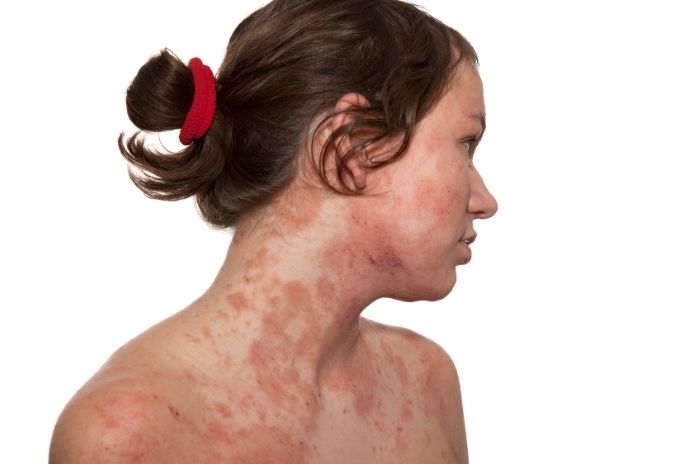
Several skin care techniques, such as sunscreen, diet, and moisturizers, can help reduce the appearance of scars:
Wear Sun Protection: Sunburns and sun exposure can cause scars to darken and not fade, so cover any affected areas until your skin has healed. If potent sunscreens irritate your skin, wearing loose-fitting clothes and finding shade can provide some protection. Apply a broad-spectrum, fragrance-free sunscreen with at least SPF 30 as soon as the region has begun to heal to help reduce discolouration and encourage fading.
Eat for Skin Integrity: Some eczema sufferers would rather attempt to remove scars from their skin organically. Well-nourished skin heals more quickly and thoroughly, and specific nutrients can be crucial for supporting skin health from the inside out. Protein, zinc, and vitamin C are vital nutrients that can help restore your skin’s protective layer.
Vitamin C-rich foods include strawberries and broccoli. Protein-rich foods, such as beans, fish, poultry, and beef, as well as fortified cereals, contain zinc. Before attempting a new diet for eczema or skin health, consult your physician.
Try topical lotions, creams, and moisturizers: Numerous over-the-counter (OTC) and prescription products can help reduce scarring from eczema or other conditions. Which eczema scar removal cream is the best? OTC remedies that contain vitamin E, aloe vera, or onion extract have demonstrated conflicting outcomes in terms of wound healing; however, they are usually regarded as safe and may be helpful to specific individuals.
Hydroquinone: A skin-lightening agent, it is commonly used to treat scars, though its efficacy in reducing scar pigmentation varies. Hydroquinone is available in higher-strength prescription formulations and in 2% OTC.
However, there are certain health risks associated with long-term hydroquinone use. Avoid contact with your eyes and use sunscreen consistently when using hydroquinone. If your skin isn’t tolerating hydroquinone, stop using it.
Read More: 7 Effective Ways to Use Coconut Oil for Faster Relief from Eczema
At-Home Remedies That May Help

It’s best to start with mild and natural at-home remedies, many of which are likely already in your kitchen cupboard, before moving on to more aggressive procedures or prescription-grade treatment for your eczema scarring:
Oatmeal: Oatmeal not only protects the skin while reducing eczema inflammation, but can also help maintain the skin’s pH balance, allowing it to fight off external microorganisms, allergens, and irritants effectively.
Aloe vera: Aloe vera moisturizes the skin and also helps reduce inflammation and the risk of infection as a natural antibacterial.
Honey: Because of its well-known therapeutic qualities, manuka honey is an excellent choice for treating eczema-related dryness and accelerating healing.
Shea butter: Shea butter’s moisturizing properties can help reduce eczema-related swelling, soften skin, and minimize scarring.
Coconut oil: This oil’s fatty acids can provide the skin with a protective layer of moisture while also eliminating bacteria on the skin’s surface that may raise the risk of illness.
Castor oil: By repairing damaged tissue and promoting collagen formation, this oil, which is also rich in vital fatty acids, can aid scar healing.
Chamomile: Chamomile tightens the skin and improves the complexion, and, because of its antioxidant properties, it can help prevent scarring.
Clinical Treatments for Stubborn Eczema Scars

There are several methods for treating eczema scars, including natural products and skin laser treatments. To determine which method would be most effective for you, your skin type, and your eczema, it is essential to speak with a dermatologist.
The most crucial aspect of eczema scar treatment is that it must be started as soon as possible to ensure a smooth outcome and prevent further scar tissue from forming. The more scar tissue that has developed, the more difficult the treatment will be.
Chemical Treatment: If the doctor felt the skin needed to heal thoroughly enough to leave fewer scars, he would prescribe a topical steroid cream to be used at least twice a day for at least three months.
Surgical Treatment: This may be used when eczema and scar tissue cover extensive areas of the skin, or when the patient is unable to follow topical steroid use guidelines and chooses to have surgery instead.
Laser Treatment: Alternatively, laser treatment can be utilized as a type of surgery targeted at the problematic location to remove scar tissue. It is a standard procedure for scar removal because it is significantly less intrusive than other types of surgery and typically requires a shorter recovery time.
Read More: Glycerin Soap: Benefits, Risks, and Why Dermatologists Recommend It for Sensitive Skin
Preventing Eczema Scars
The first step in avoiding eczema scars is to treat flare-ups well. Reducing the frequency and the severity of these painful episodes will also reduce the chances of scarring. Some helpful methods for avoiding eczema scars are:
Regular moisturizing is crucial for eczema and dry skin, as the two conditions are closely related! Ointments and moisturizing lotions for eczema-prone skin can retain moisture and help protect the skin barrier.
Reduce inflammation: Corticosteroids or newer non-steroidal topical medications, such as calcineurin inhibitors, help reduce eczema-related skin inflammation and itching.
Avoiding triggers: It symbolizes the first step in healing your eczema scars, so make sure you identify and avoid environmental triggers such as extremely hot or cold temperatures, allergens, and irritants like scented basic soaps.
Keep your nails short: When someone scratches, small nails are less likely to cause skin injury.
Use the right skincare products: Try products developed for sensitive skin, fragrance-free and dye-free, that also use skin-soothing ceramides to strengthen the skin’s natural barrier.
Think about wet wrap therapy: Wet wraps over moisturizers during severe flare-ups nourish and calm the skin, lowering inflammation and irritation.
Stress management: Since stress can trigger eczema flare-ups, it may be helpful to incorporate stress-reduction practices such as yoga, meditation, or regular exercise.
When to See a Dermatologist
Even though there is no cure for eczema, getting treatment can help people feel better and acquire better coping mechanisms.
If children or adults show any of the following symptoms, a physician should evaluate them:
- Skin that is unpleasant and irritating
- Skin rash
- Leakage or bleeding of the skin
- Round pimples that resemble acne scarring
- Skin infection
- There are many deep lines present on the palm
- Mental health issues
If eczema-related dyspigmentation is negatively impacting your quality of life, consult a dermatologist. Dermatologists can help clients minimize the effects of future eczema flare-ups and enhance their skin’s appearance.
Read More: Essential Oils vs. Synthetic Fragrances: Which One Is Actually Safer?
Conclusion
Eczema can leave marks, often in the form of fading redness or discoloration, as reminders of your skin’s firmness.
These marks are a sign that healing is underway, though some may be harder to budge than others. With a proper skincare routine, patience, and sensitivity, your skin can return to its natural balance and radiance.
Everything you do—from sun protection to moisturization—should be seen as ways to help you trust your skin again. True healing is about bringing ease, confidence, and peace to the skin’s surface rather than just removing scars.
References
- https://www.myeczemateam.com/resources/minimizing-eczema-scars
- https://dermconsult.co.uk/how-to-get-rid-of-eczema-scarring/
- https://www.mydcsi.com/2023/08/28/how-to-get-rid-of-eczema-scars/
- https://www.pierrefabreeczemafoundation.org/en/be-acompanied/useful-advice/does-eczema-leave-scars
- https://www.healthcentral.com/condition/eczema/eczema-scars
- https://my.clevelandclinic.org/health/diseases/11030-scars
- https://www.medicalnewstoday.com/articles/eczema-scars#prevention
In this Article