











Upset digestion often makes the stomach acutely sensitive. The lining of the stomach can be inflamed, acid secretion may become irregular, and intestinal motility may slow down. All in all, it makes you less tolerant of rich, spicy, or heavy food, with frequent nausea, bloating, diarrhea, stomach cramps, or acid reflux after even small meals.
Common triggers that may cause gastrointestinal upset include viral or bacterial infections, food poisoning, overeating, stress, alcohol, hormonal changes, and certain drugs like antibiotics, NSAIDs, or iron supplements. These factors can temporarily disrupt digestive enzymes, gut bacteria balance, and the protective lining of the stomach.
This article explains easy-to-digest foods for an upset stomach, what to avoid, how to eat during recovery, and when symptoms might indicate a more serious problem, helping you make informed, soothing food choices that will help you find relief faster.
Read More: Healthiest Breads to Support Digestion: What to Look For (and What to Avoid)
What Does “Easy To Digest” Really Mean?

Easily digestible foods put minimal burden on the stomach and intestines in terms of digestion, absorption, and propulsion.
They generally have the following features:
- Low-fat, because fat delays gastric emptying and raises the risk of reflux.
- Soluble fiber, since low insoluble fiber can worsen diarrhea and bloating.
- Mild flavour, avoiding spice-induced acid secretion.
- Soft texture, reducing mechanical strain on the gut.
Fatty foods stay in the stomach longer, spicy foods irritate inflamed tissue, and coarse fibers increase intestinal contractions. This worsens gut irritation and inflammation in the stomach. Whereas easy-to-digest foods help reduce exposure to acid, calm the gut lining, and facilitate natural healing.
An effective diet for an upset stomach focuses on nourishment without overstimulation.
Best Easy-to-Digest Foods for an Upset Stomach
1. Bananas
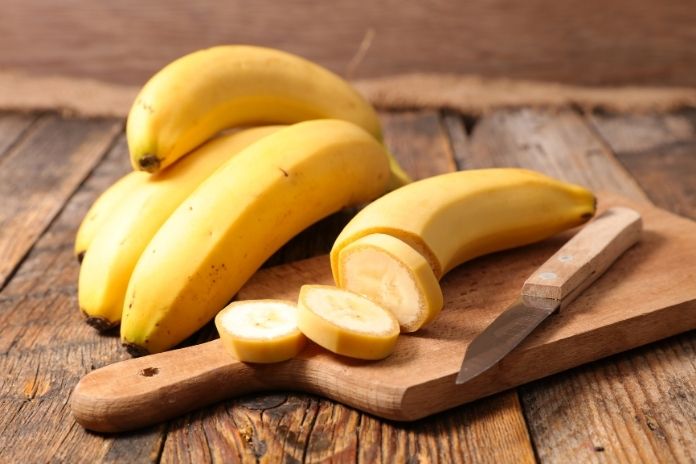
Among the most dependable foods for an upset stomach are bananas due to their digestibility and nutrient profile. Here’s how:
- Soft texture minimizes chewing and gastric effort.
- Naturally low in insoluble fiber, which helps reduce bowel stimulation.
- High potassium content helps correct electrolyte loss due to diarrhea or vomiting.
- Contains pectin, a soluble fiber that can help normalize stool consistency.
Bananas help with diarrhea, nausea, and mild gastritis, and form an integral part of easily digested foods for an upset stomach.
“Bananas are very good at solidifying and soothing the stomach,” says Dr. Christine Lee, M.D., a gastroenterologist at the Cleveland Clinic.
2. White Rice
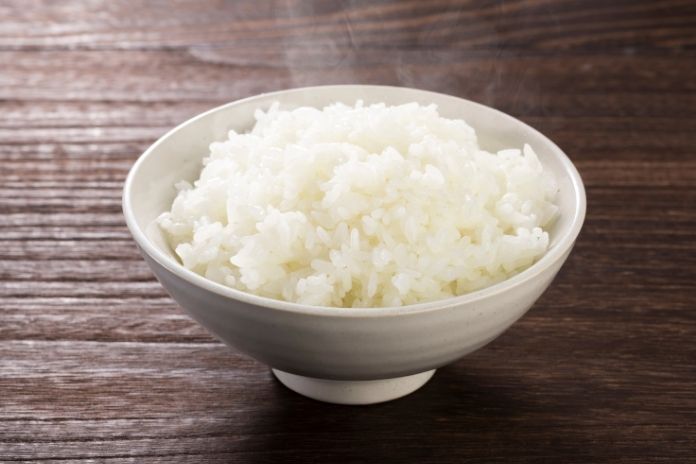
White rice is considered one of the best foods during times of digestive distress. Here’s why:
- Bland and binding, helping reduce loose stools.
- Low in fiber and more gentle compared to brown rice.
- It absorbs excess stomach acid and fluid.
- Provides rapid energy without causing bloating or reflux.
It is due to its simplicity that white rice is considered one of the safest kinds of food when it comes to stomach aches.
3. Toast or Plain Crackers

Toast or plain crackers are the classic gentle foods for digestion, especially when feeling nauseous. This is because:
- Refined carbs are easily broken down.
- Dry texture helps absorb stomach acid.
- Often better tolerated than moist or rich foods.
- Useful when appetite is minimal.
Plain white toast is preferred to whole-grain or seeded bread when you are experiencing symptoms.
4. Applesauce
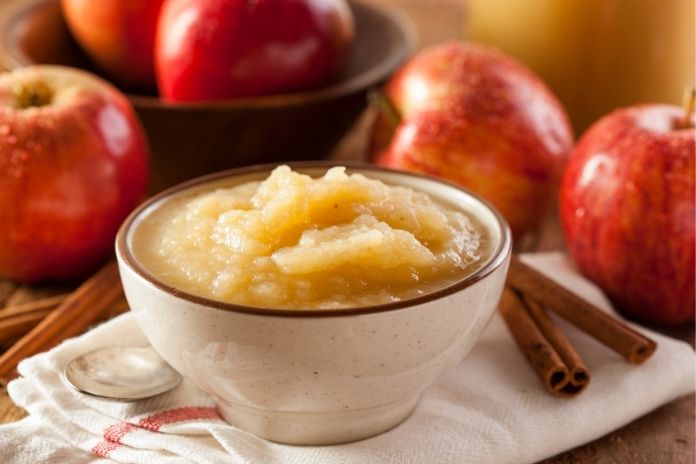
Applesauce provides fruit-based nutrition with no digestive stress. Here’s why:
- Cooking breaks down tough plant fibres.
- Pectin content may reduce diarrhea.
- Mild flavor soothes stomach inflammation.
- Unsweetened varieties help prevent osmotic diarrhea from excess sugar.
It fits well into an upset stomach diet, especially when it is difficult to chew.
5. Boiled or Baked Potatoes
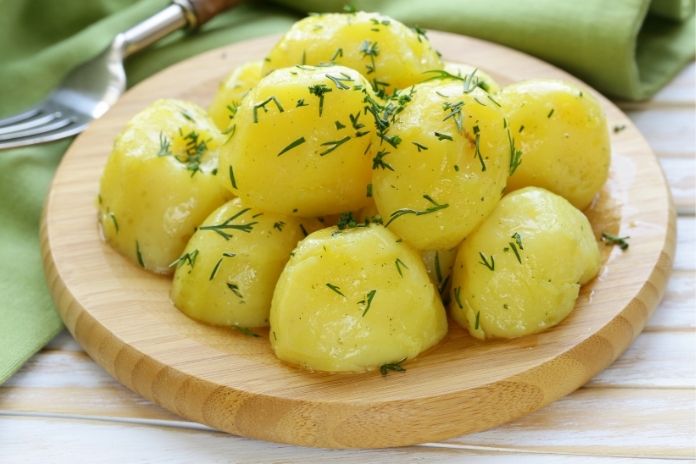
Plain potatoes are comforting, energy-providing foods during recovery from an upset stomach. They are:
- Easily digestible starch fuels the body without any irritation.
- Naturally low in fat and acid.
- Gentle on the inflamed gastric tissue.
- Satiating without heaviness.
Keep potatoes stomach-friendly by avoiding butter, cream, or frying. Opt for plain boiled or baked potatoes.
Read More: How Food Combining Affects Digestion (Does It Really Work?)
6. Plain Yoghurt (If Tolerated)

Yogurt can help your gut heal in some cases. Here are a few reasons:
- Contains probiotic bacteria that may support microbiome balance.
- Best tolerated if plain, low-fat, and unsweetened.
- May be helpful after the consumption of antibiotics.
However, you must avoid dairy products during active diarrhea or if you have lactose intolerance, as this may worsen the condition.
7. Oatmeal
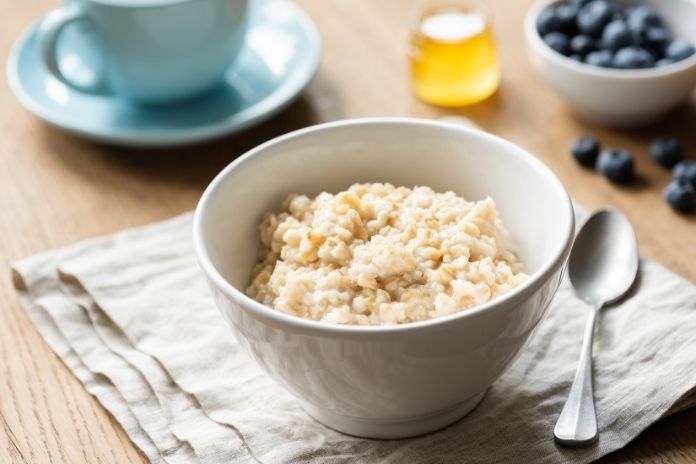
Oatmeal, when cooked well, is soft and soothing. It supports digestion without irritating the stomach, making it easier to tolerate when you have a low appetite or nausea.
- Soluble fiber absorbs excess acid.
- Provides sustained energy.
- Gentle on the stomach when you eat it plain.
- Can help reduce mild bloating.
Avoid nuts, seeds, dried fruit, or sweeteners if experiencing stomach upset.
8. Boiled or Steamed Vegetables
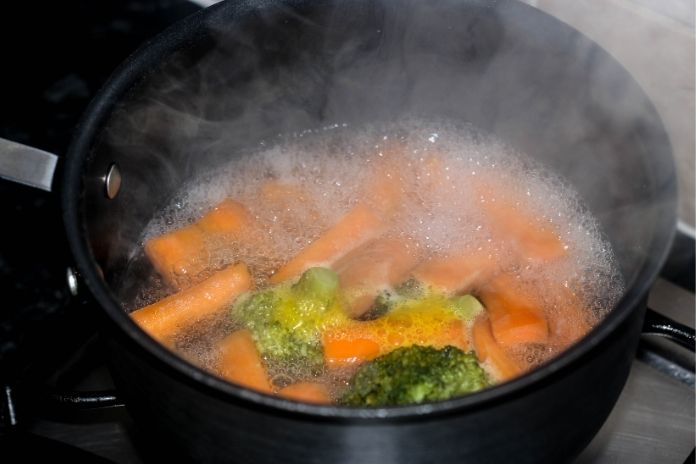
Cooking vegetables significantly improves their digestibility. Best options of boiled or steamed vegetables include:
- Carrots
- Zucchini
- Pumpkin
Cooking breaks down fiber, which reduces gas, bloating, and gut irritation, while still preserving vitamins.
9. Clear Soups and Broths

Clear broths are best consumed when you are experiencing nausea or low appetite. Here’s how they help:
- Help maintain hydration by replacing lost electrolytes.
- Easy to sip and digest.
- Provide warmth without heaviness.
- Helpful during vomiting or diarrhea.
However, you must avoid creamy, oily, or spicy soups.
10. Eggs (Plain and Well-cooked)
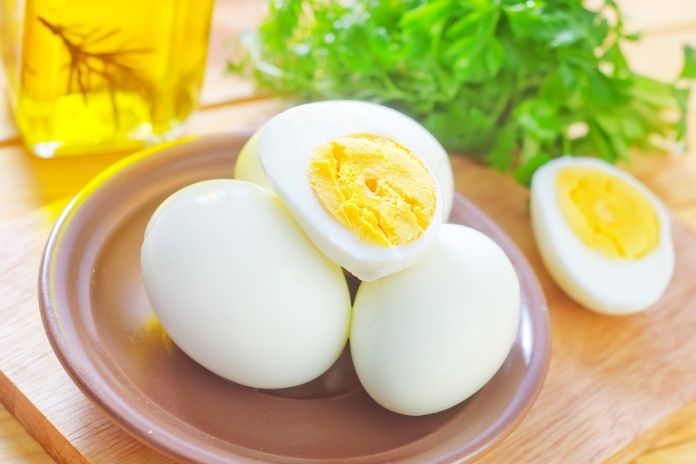
Eggs provide high-quality protein without digestive overload. Reasons to include them in your diet:
- Support tissue repair during recovery.
- Low in fiber and residue.
- Easy to digest when fully cooked.
- Boiled or lightly scrambled eggs, without butter or spices, are best.
Foods to Avoid When Your Stomach Is Upset

Certain foods worsen symptoms and delay gut healing and digestion by stimulating acid secretion or irritating the stomach lining.
- Fried and greasy foods stay in the stomach and worsen nausea.
- Spicy foods stimulate acid production and inflame sensitive tissue.
- Alcohol worsens the stomach lining and increases dehydration.
- Caffeine increases acid secretion and intestinal motility.
- Carbonated drinks introduce gas, further exacerbating bloating.
- Raw vegetables and high-fiber foods strain the digestive system.
- Artificial sweeteners, such as sorbitol and xylitol, may cause osmotic diarrhea
The above foods should be avoided. This can calm stomach inflammation and gastrointestinal upsets.
Read More: Best Teas to Drink After Meals for Better Digestion & Slimming
BRAT Diet: Is It Still Recommended?
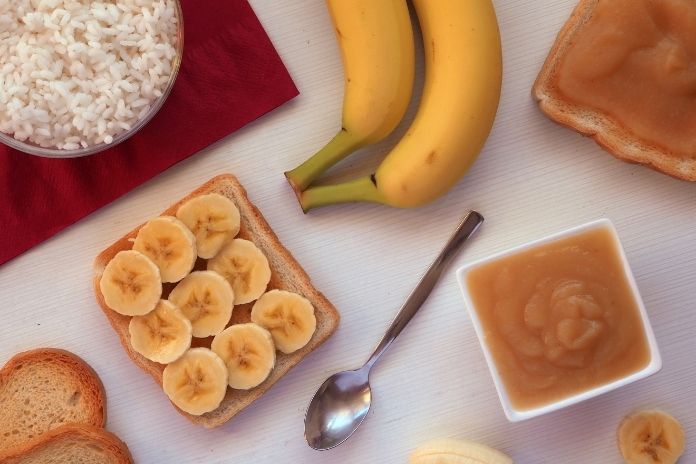
The BRAT diet-bananas, rice, applesauce, and toast has been an age-old approach to treating acute digestive upset.
When it Helps:
- Short-term diarrhea or vomiting.
- Early recovery phase, when appetite is limited.
- Situations that require very low digestive effort.
Limitations:
- Lacking in proteins, fats, and essential micronutrients.
- Not suitable for long-term nutrition.
- Can delay recovery if followed too long.
It is recommended to start with BRAT foods and then gradually introduce other easily tolerated foods.
What To Eat According To Specific Symptoms
For Nausea:
Nausea is made worse by an empty or overstimulated stomach.
- Dry toast or crackers absorb acid.
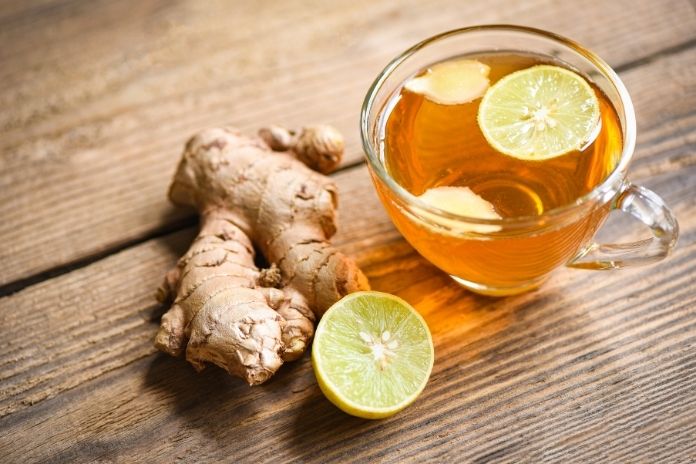
- Ginger tea may decrease the feeling of nausea.
- Small and frequent meals prevent stomach overload.
- Avoid strong odors, greasy foods, and large portions.
For Diarrhea:
Diarrhea causes increased fluid and electrolyte loss.
- White rice, bananas, and applesauce help bind stools.
- Boiled potatoes give energy without irritation.
- Initially, avoid dairy, sugar, and fruit juices.
- Hydration is just as crucial as food choice.
For Bloating or Gas:
Gas is usually caused by fermentation and poor digestion.
- Choose cooked over raw vegetables.
- Plain oatmeal or rice reduces fermentation.
- Avoid legumes, onions, cabbage, and fizzy drinks.
- Eating slowly also minimizes swallowed air.
When and How to Resume Eating
Recovery after a stomach upset can be slow. Here are a few tips that you can follow to aid the same:
- Start with small amounts of food that are very easily digested.
- Eat slowly to reduce digestive stress.
- Space out meals evenly, avoiding large portions.
- Reintroduce fats, fiber, and spices gradually.
- Returning to normal eating too quickly can prolong symptoms and irritation.
When An Upset Stomach Is A Red Flag

When symptoms of an upset stomach indicate something serious, further medical investigation is necessary.
Seek professional care if you have:
- Symptoms that last longer than 3-4 days.
- Severe or increasing abdominal pain.
- Persistent vomiting or an inability to keep fluids down.
- Blood or black stool.
- Fever, dizziness, or symptoms of dehydration.
These may indicate infection, ulcers, inflammatory conditions, or other gastrointestinal disorders.
Final Thoughts
Opting for the right kind of food can help significantly when the stomach is upset. Easy-to-digest foods for an upset stomach ease stress off the digestive system, calm inflammation, and restore normal gut function without aggravating symptoms. Bland, soft, low-fat foods such as bananas, white rice, clear broths, and well-cooked vegetables are generally best tolerated during periods of gastrointestinal discomfort.
An effective upset stomach diet isn’t about eating less; it’s about eating smart. Small portions, a slow rate of eating, and gradual reintroduction to regular foods allow for the digestive tract to heal at its own pace.
If stomach symptoms persist, worsen, or recur, consult the doctor immediately. This may indicate disorders, including gastritis, infections, or food intolerances that need medical attention. Nourishing your gut by making conscious choices concerning food is the first step towards long-term health.
References
- Pittman, S. (2025, May 12). Understanding the BRAT diet: Foods, benefits and uses. MD Anderson Cancer Center. MD Anderson Cancer Center
- Crohn’s & Colitis Foundation. (n.d.). Signs and symptoms of Crohn’s disease. Crohn’s & Colitis Foundation
- Puglisi, M. J., & Fernandez, M. L. (2022). The health benefits of egg protein. Nutrients. PMC
- Doral Health & Wellness. (2025). Stomach flu diet: What to eat and avoid. Doral Health & Wellness
- WebMD. (n.d.). Food slides for stomach upset. Verywell Health
- MedlinePlus. (n.d.). [Image page: MedlinePlus]. U.S. National Library of Medicine. MedlinePlus
In this Article