







When we talk about antioxidants, most of us often think of them as existing in bottles, vitamin C supplements, green powders, or “super antioxidant” formulas. This is a tempting way to think about antioxidants because it can imply a quick fix. The fix is to take a pill, sort the problem, and move on. However, this is not how antioxidant protection actually takes place in the body.
The truth is, the body’s response to oxidative stress is much more dependent on daily antioxidant practices than supplements. What you eat regularly, how you sleep, how often you move, how much stress you are under, and how processed your diet is will all affect how well your cells respond to free radicals. It has also been found that more is not necessarily better when it comes to antioxidants. They act differently in a lab setting than they do with whole foods.
The best way to naturally boost antioxidants would not be through supplements, but with healthy lifestyle habits that work with antioxidants. In this article, you will learn about healthy lifestyle habits that will help you work in harmony with antioxidants without relying on supplements.
Read More: 11 Natural Ways To Reduce Oxidative Stress With Antioxidants
What Antioxidants Actually Do in the Body
To better understand what antioxidants are, it is important to first understand what oxidative stress is. Each time your body derives energy, breaks down food, exercises, fights off an infection, or reacts to environmental exposure, it produces free radicals.
Free radicals are unstable molecules that can damage proteins, cell membranes, and DNA if they are produced at a rate that exceeds the body’s ability to eliminate them.
Antioxidants are useful in regulating this process. They stabilize free radicals and prevent chain reactions that would otherwise damage cells. This is particularly important in the regulation of cellular health and metabolic processes. It is, however, important to note that oxidative stress is not necessarily damaging. In fact, it is useful in controlled amounts.
Issues occur when the oxidative stress becomes chronic. When inflammation rises, the tissues take longer to heal, and the metabolic pathways become challenged.
To avoid this, the body has a system of antioxidant protection, which does not depend on a single nutrient. This system involves the body’s own antioxidant enzymes and dietary compounds like polyphenols, flavonoids, and carotenoids, which work together all the time.
Registered dietician Nicole Hopsecger, RD, LD, says, “Studies are inconclusive about whether or not supplements actually help, or in some cases, cause more harm than benefit,” adding, “Not only can these interact with medications you’re already taking, but you’re also not getting a well-rounded variety, particularly if you’re mega-dosing a single one.”
Why Supplements Aren’t the Best Way to Get Antioxidants
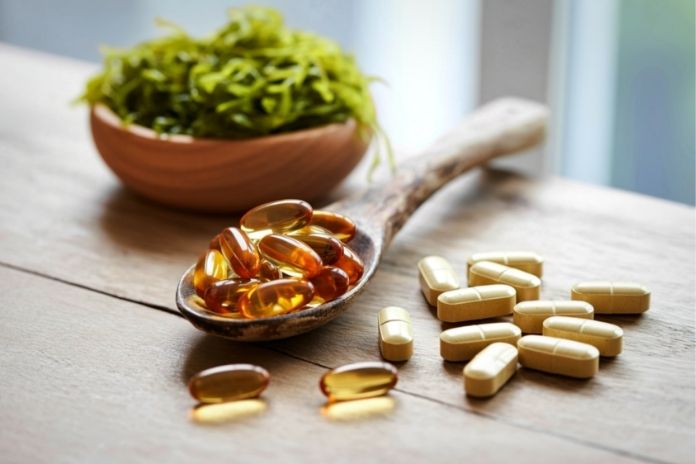
Antioxidant supplements isolate specific compounds and supply them in doses that do not represent their natural occurrence. Within real foods, antioxidants are found in a complex mixture that includes fiber, fats, minerals, and thousands of other phytonutrients that affect the way that these antioxidants are absorbed and utilized by the body.
Significant scientific reviews find that isolated antioxidant supplements often don’t deliver the expected benefits. Sometimes, extremely high doses can even disrupt the beneficial cellular stress signals that help the body adapt and become stronger.
The antioxidants found in whole foods and those associated with healthy lifestyle practices act somewhat differently. Rather than providing cells with isolated compounds, they support the body’s own antioxidant systems, boost metabolic efficiency, and lower baseline inflammation. That is why diets rich in natural antioxidant sources consistently outperform supplements for long-term health outcomes
1. Eat a “Color Mix” at Every Meal
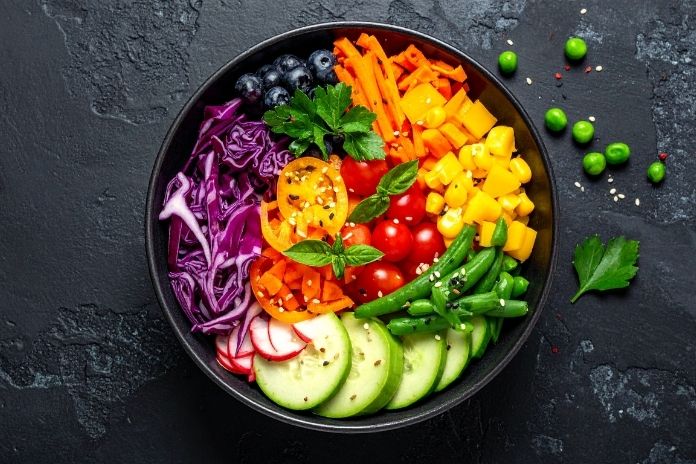
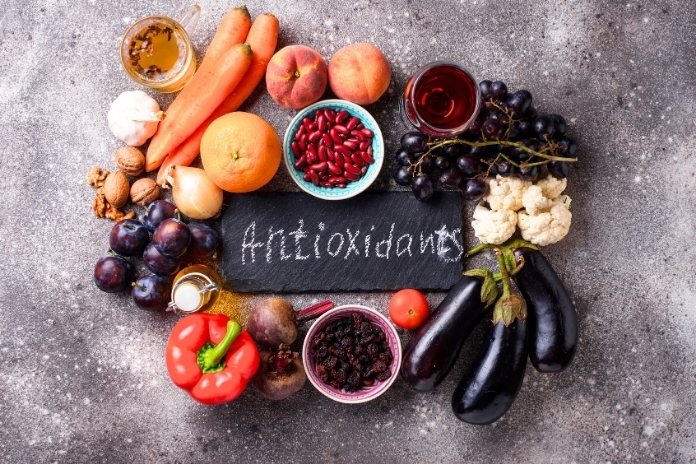
The colors in plant foods are more than just pretty to look at. They serve as signals to various subsets of antioxidants: polyphenols, flavonoids, and carotenoids. Each distinctly reacts to the body, impacting inflammation levels, blood vessel function, insulin sensitivity, and cell repair.
Red and purple foods contain high amounts of anthocyanins, while orange and yellow foods can be attributed to carotenoids. Green vegetables also have rich mixtures of polyphenols. By consuming all colors, you can have high amounts and a variety of antioxidants.
Changes aren’t needed for every meal. Begin by adding one or two bursts of color with each serving. You can have berries with breakfast, spinach with lunch, and roasted vegetables with dinner. This will increase exposure to antioxidants and promote metabolic and cellular protection far more effectively than the pursuit of ‘superfoods.’
2. Choose Antioxidant-Rich Drinks as Daily Defaults
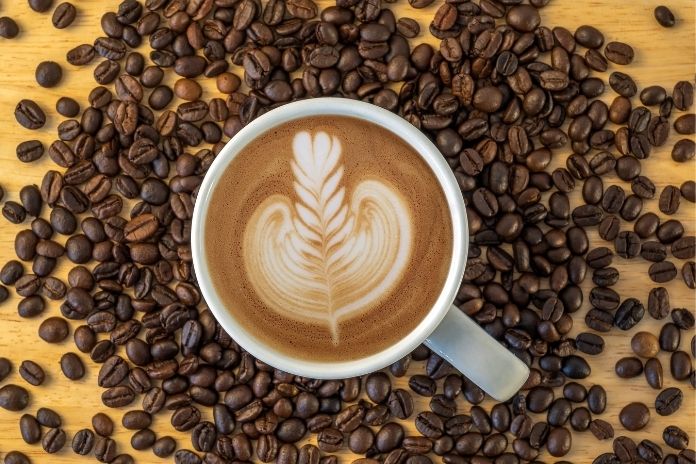
Liquids play an indirect but surprising role in our bodies’ daily antioxidant consumption. Tea and coffee remain among the prominent sources of polyphenols in North America, primarily because people who drink tea and coffee are consistent in their consumption.
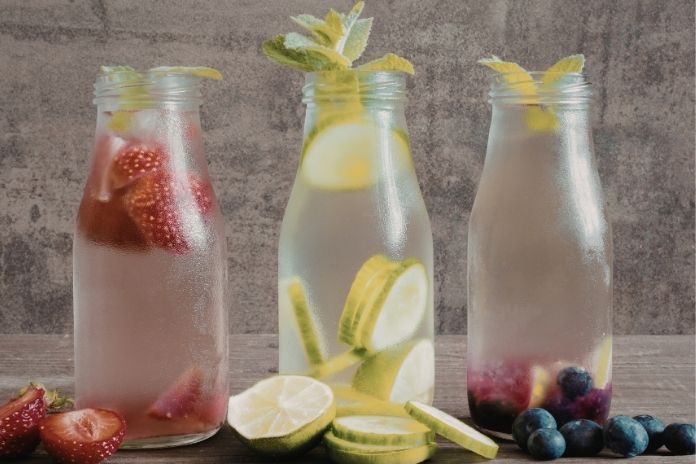
Drinks like water-based beverages infused with herbs, citrus, or berries are quite hydrating without adding to oxidative stress and can increase antioxidants gradually throughout the day.
On the other hand, sugar-sweetened beverages lead to increased inflammation as well as higher levels of free radicals due to rapid glucose levels. Replacing such beverages with drinks that are high in antioxidants could be one of the simplest lifestyle choices that promote higher levels of antioxidants and reduced oxidative stress.
3. Cook Smart to Preserve Antioxidants
Cooking changes the level of antioxidants in the food that we eat. This change does not cause any harm either. Certain antioxidants do not give significant benefits when cooked, while others become easily accessible to our bodies when cooked.
Low, gentle methods such as steaming, simmering, or gently sautéing preserve compounds, like polyphenols or flavonoids. Cooking with healthy fats allows higher levels of antioxidants. particularly those that are fat-soluble, such as carotenoids, to be absorbed. Raw foods are good, but so are cooked ones.
Herbs and spices are also essential. They are rich in highly concentrated antioxidants. Additionally, they increase antioxidant availability when consumed. Cooking smart not only means preventing losses. It also means promoting proper nutrient absorption in our bodies.
Read More: Why You Shouldn’t Toss Cucumber Peels – They’re Loaded with Antioxidants
4. Move Your Body Regularly (Without Overdoing It)

Exercise is a temporary increase in oxidative stress, and this is not a problem but a clue. When you move moderately, this triggers your body to adapt and increase your body’s antioxidant mechanism, resulting in stronger cells.
The CDC provides recommendations about the importance of continuous body movement and exercise to optimize overall health. However, when you do not get adequate recovery periods and engage in high-intensity exercises, it may increase inflammation in the body and exceed the body’s antioxidant mechanism.
The best technique to follow is to move well and perform exercises like walking, strength training, or cycling. However, we must indulge in these activities without disturbing the body’s overall antioxidant mechanism and pushing the body toward increased oxidative stress.
5. Improve Sleep Quality, Not Just Sleep Duration

Sleep is a key component of how our bodies process antioxidants. It is during sleep that cells repair many things in our bodies and revamp our antioxidant systems. When we do not sleep well, we end up disrupting our body clock, resulting in inflammation and reduced levels of antioxidants.
Although the total number of hours may appear satisfactory, factors such as inappropriate sleeping patterns, frequent wakefulness, and excessive light at night may increase oxidative stress. By maintaining a regular circadian rhythm with consistent bedtimes and calming activities before dozing off, our body can function efficiently with the help of antioxidants.
Simple, incremental changes, such as soaking in the morning sunlight, turning off indoor lighting past dusk, and living on a consistent circadian clock, can help significantly reduce one’s oxidation level.
6. Manage Daily Stress in Small, Repeatable Ways

Psychological stress promotes oxidative stress. Constantly released stress hormones increase inflammation and free radicals, which weaken your body’s antioxidants.
However, you do not require drastic or lengthy strategies. Short breaks to manage your stress, such as deep breathing, stretching, or even taking a minute to empty your head, are often more effective and lasting. These tips decrease your body’s oxidative stress, establishing a firm routine for antioxidants.
Read More: Roasting vs. Steaming Broccoli: Which Method Keeps More Nutrients?
7. Reduce Ultra-Processed Foods Gradually
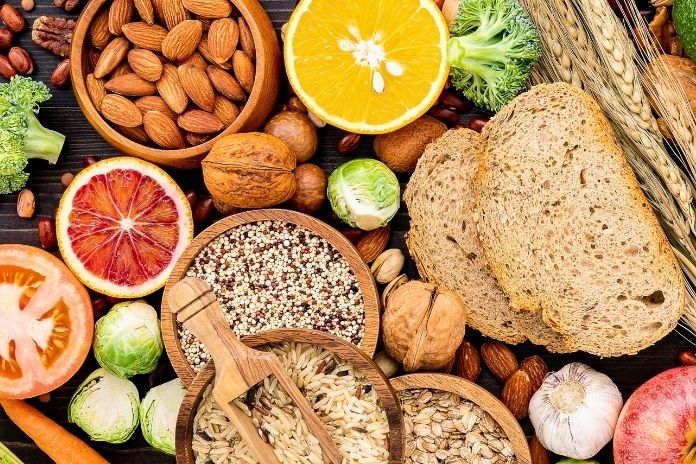
Ultra-processed foods contain several compounds that drive the inflammation process and very few antioxidants. Consequently, with time, the combination of those ingredients fuels the development of oxidative stress and deteriorates cell health.
It is better to switch over gradually. Swap refined grains for whole grains, from packaged snacks to fruits or nuts, and from prepared meals to homemade meals. These modifications will gradually increase the level of antioxidant supplements.
Progress beats perfection. Every single replacement you make reduces oxidative stress and promotes metabolic health, but it will not burn you out.
8. Support Gut Health Through Routine Eating
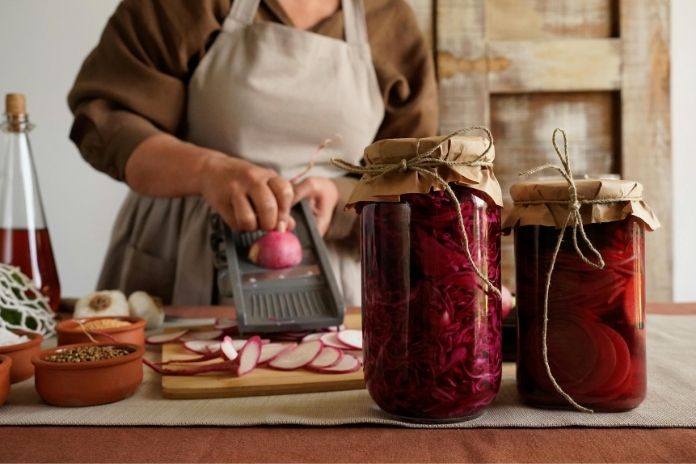
Antioxidant metabolism depends on gut microbes. Several polyphenols and flavonoids require metabolism by gut flora to be more readily utilized by the body. Fiber-rich and fermented foods promote this conversion process. However, irregular timing can disrupt microbial balance and reduce antioxidant bioavailability.
Regular meals focused on antioxidant-containing foods support increased absorption and promote benefits, including inflammation management and overall metabolic health.
What These Anti-Oxidant Habits Will Not Do
These habits will not detox the body solely. Detoxification is managed by the liver, kidneys, lungs, and digestive system. They will not eliminate disease risk overnight or override genetics and environment. Oxidative stress is one factor among many.
Realistic expectations matter because they determine whether habits are sustained. Antioxidant support works through accumulation, not instant transformation.
Who Benefits Most From Antioxidant-Supporting Habits
As people enter their 40s, their natural defenses against oxidation begin to diminish. Hence, their lifestyle choices are more important regarding cell health.
When an individual is under chronic physiological stress, their bodies produce more free radicals as a result of these stresses.
Not living an active life or even eating highly processed foods can cause your system to be under more oxidative damage, so a few simple lifestyle changes can result in positive outcomes.
How to Build an Antioxidant Lifestyle Without Burnout
If you wish to opt for an everyday antioxidant lifestyle, here are a few tips:
- Start with one or two habits that feel manageable.
- Add color to one meal.
- Replace one daily drink.
- Improve sleep timing slightly.
Add new habits to existing routines to reduce effort. Measure success by consistency, not intensity. Antioxidant systems respond to repetition, not extremes.
Key Takeaways
You may not necessarily need supplements to support antioxidant balance. Consistent daily habits, such as what you eat, drink, how you move, sleep, and manage stress, do far more to protect cells from oxidative stress than any pill.
When you increase antioxidants naturally through sustainable routines, you support cellular and metabolic health in a way supplements simply cannot replicate.
References
- Monteiro, C. A., Cannon, G., Levy, R. B., Moubarac, J.-C., Louzada, M. L. C., Rauber, F., Khandpur, N., Cediel, G., Neri, D., Martinez-Steele, E., Baraldi, L. G., & Jaime, P. C. (2019). Ultra-processed foods: What they are and how to identify them. Public Health Nutrition, 22(5), 936–941.
- Centers for Disease Control and Prevention. (2024). Benefits of physical activity. U.S. Department of Health & Human Services.
- Harvard Health Publishing. (n.d.). Understanding antioxidants. Harvard Medical School.
- National Center for Complementary and Integrative Health. (n.d.). Antioxidant supplements: What you need to know. U.S. Department of Health and Human Services.
- Nilofar, Zengin, G., Uba, A. I., Abul, N., Gülçin, İ., Koyuncu, İ., Yüksekdağ, Ö., Ponnaiya, S. K. K., … & Coppola, F. (2025). Antioxidants: A comprehensive review. Archives of Toxicology.
- Charles, D. J. (2012). Antioxidant properties of spices, herbs, and other sources. Springer.
In this Article