












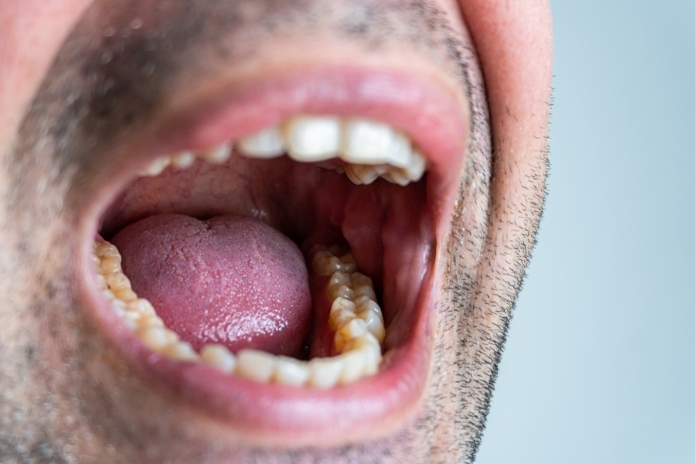
For the past few weeks, I hardly slept. And the reason might surprise you. My dry mouth at night made it extremely uneasy to get proper sleep. Drinking a glass of water helped some days, but other times I just struggled with the condition.
I am sure many of you must have had a similar scenario. To wake up during the night with a dry, sticky mouth is very uncomfortable. Your tongue may feel coarse, your throat raw, and swallowing even a small amount of water may feel hard. This isn’t too uncommon, as there are millions of people who experience dry mouth at night, a medical condition that’s also referred to as xerostomia.
While an occasional episode can happen after a salty meal or a night of poor hydration, constant dryness during sleep is more than just a nuisance. It can disrupt your sleep, affect your oral health, and even point to an underlying condition.
In this article, we will understand what causes nighttime dry mouth, the clear symptoms, and some of the most effective ways to restore moisture and comfort naturally and medically.
What Is a Night Dry Mouth?
Night dry mouth, or nighttime xerostomia, is when your salivary glands do not secrete sufficient saliva during sleeping hours. Saliva is essential as it keeps your mouth moist, helps shield the teeth against decay, helps in food digestion, and removes bacteria.
Under normal circumstances, saliva production decreases while asleep, but in certain people, it falls too low, causing that tacky, cottonmouth sensation. This imbalance may be due to dehydration, medications, mouth breathing, or health issues that affect salivary gland function.
When there is not enough saliva, bacteria get the upper hand, making cavities, bad breath, and gum disease more likely. Knowing why it happens is the first step to keeping it in check.
Read More: 14 Effective Home Remedies For Dry Mouth
Causes of Dry Mouth at Night
Here are a few causes of dry mouth at night. These include:
Dehydration:
Dehydration is one of the easiest yet one of the most common reasons for nighttime dry mouth. If your body is not well-hydrated during the day, your salivary glands are not able to generate enough saliva.
This can happen mostly because of diet and other habits. For instance, alcohol, caffeine, and salty foods, particularly when eaten right before bedtime, worsen this by pulling water from your tissues. Even minor dehydration can reduce saliva flow, drying your mouth out for the night.
Medications:
If you are on certain medications, it can cause dry mouth as well. Several over-the-counter and prescription medicines can result in nighttime dry mouth as a side effect. These include:
- Antihistamines (for allergies)
- Antidepressants and anti-anxiety medications
- Blood pressure and heart medications
- Decongestants and painkillers
These medications can block signals to your salivary glands, slowing down saliva production. If your dryness started after the introduction of a new medication, you must ask your healthcare provider about alternatives or reducing the dosage.
Breathing Issues:
Breathe mouthfully during sleep without knowing. Mouth breathing, usually as a result of nasal congestion, allergies, or sleep apnea, dries out oral tissues.
For instance, people who wear CPAP machines for sleep apnea will experience dryness too. This is due to the continuous airflow drying out the mouth’s moisture. A humidified CPAP mask will correct this problem.
Medical Conditions:
Some medical conditions can have an extreme effect on saliva production. These include:
- Diabetes: Dehydration and decreased saliva may be caused by high blood sugar.
- Sjögren’s Syndrome: A condition in which the immune system attacks the salivary and tear glands, an autoimmune disease.
- Salivary Gland Disorders: Infection, stones, or radiation treatment may cause gland dysfunction.
- Nerve Damage: Trauma to the head or neck can disrupt the nerves that govern saliva secretion.
If you are suffering from chronic dry mouth, it is always advisable to get checked. It may be due to an underlying chronic problem.
Adding to the above reasons, Dr. Katherine France, an assistant professor at the University of Pennsylvania School of Dental Medicine and provider at Penn Dental Medicine, says, “Patients may experience a feeling that they don’t have enough saliva in their mouth or a feeling of dryness—which is subjective. Or, we may be able to determine an objective reason for the dry mouth and notice a clear decrease in saliva for a certain reason.”
Read More: How a Simple Mouth Tape Hack Can Improve Sleep and Reduce Snoring
Common Symptoms

The nighttime dry mouth symptoms are not just limited to thirst. They can interfere with your comfort, oral health, and even the quality of your sleep. Signs include:
- Sticky, dry, or sore mouth in the morning.
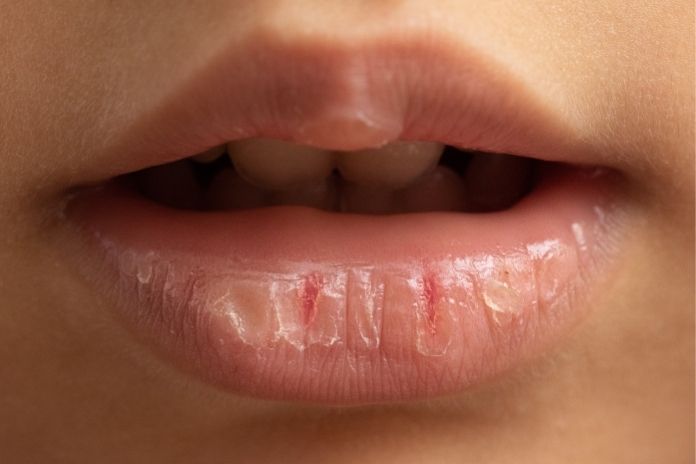
- Cracked corners of the mouth or lips.
- Halitosis (bad breath) from bacterial buildup.
- Trouble chewing, swallowing, or speaking, particularly without water.
- Rough or burning sensation on the tongue.
- Sore throat or hoarseness.
- Oral difficulties, like tooth infection or gum inflammation, are caused by the protective function.
These symptoms tend to worsen during the night or early morning and usually improve somewhat during the day when you eat or drink.
How Dry Mouth During the Night Affects Health
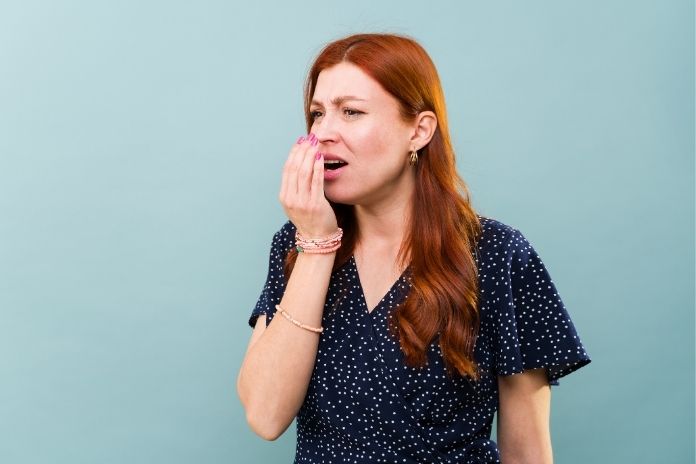
Chronic xerostomia during the night not only disrupts sleep, but it can also have long-term effects on your health. These include:
- You may have a disruption of sleep. Waking up multiple times to get a drink of water breaks up sleep, causing next-day fatigue and poor focus.
- There’s a greater risk of cavities. Since there’s no saliva to neutralize acids and flush out bacteria, your teeth are more prone to decay.
- Increased risk of Infections in the mouth. Less saliva permits infection-causing fungi, like Candida albicans, to develop, resulting in oral thrush.
- You may experience a change in taste. Dryness numbs your taste buds, and food tastes less tasty.
- There can be some digestive distress. Saliva promotes digestion, and lesser amounts can impair food breakdown and swallowing.
In brief, nighttime dry mouth is more than a discomfort at night. It’s a signal that your oral and overall health may require attention.
Cures for Dry Mouth at Night
Here are a few ways you can cure the condition of dry mouth at night:
At-Home Fixes:
You can usually reduce nighttime dry mouth with minor daily changes. These can be:
- Stay Hydrated: Drink water consistently throughout the day, and not only at bedtime. More frequent small amounts are better than big gulps once or twice a day.
- Avoid Dehydrating Products: Cut down on caffeine, alcohol, and tobacco, all of which dry out the mouth. These small changes add up and prevent dry mouth at night.
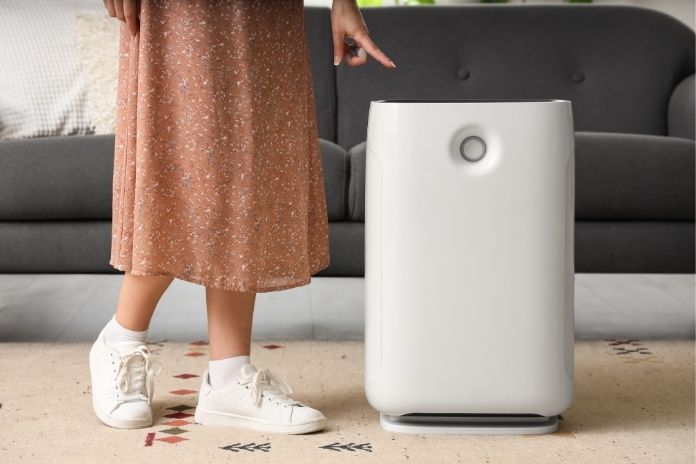
- Use a Humidifier: Humidity in the air in your bedroom can help decrease dryness, especially if you live where it is dry or have an air conditioner often at night.
- Chew Sugar-free Gum or Lozenges: They naturally stimulate the flow of saliva. Opt for xylitol-based ones, which also prevent tooth decay.
- Avoid Alcohol-Based Mouthwashes: They can worsen dryness. Opt for alcohol-free or moisturizing mouth rinses instead.
- Breathe Through Your Nose: If allergies or congestion are making you breathe through your mouth, address it with saline sprays or allergy control.
Basic yet regular hydration routines and lifestyle changes can become easily noticeable in alleviating symptoms.
Medical Treatments:
When home remedies fail to provide relief, medical treatments can be more efficient in controlling dry mouth at night:
- Saliva substitutes, such as prescription or over-the-counter sprays, gels, and rinses, replicate the lubricating action of saliva and can be applied at bedtime.
- Saliva stimulants are prescription drugs such as pilocarpine or cevimeline that stimulate saliva production by activating the salivary glands.
- If the prescribed medicine is the main culprit, ask your physician to adjust the dose or switch over to another tolerable option.
- Treating related diseases, such as diabetes, autoimmune disorders, or sleep apnea, usually restores normal salivary function.
Dental and Lifestyle Support:
Dental care is crucial to controlling xerostomia at night. Regular visits ensure early detection of dryness-related dental problems. Some of the best practices include:
- Use a fluoride toothpaste and mouthwash. Using these strengthens enamel and protects against cavities.
- Aim for regular dental cleaning. This allows for managing plaque buildup, which is made worse by reduced saliva.
- Try breathing and posture correction. You can practice nasal breathing or use nasal strips to promote air flow and decrease mouth breathing.
- Since stress and anxiety can indirectly influence saliva flow, mindfulness, yoga, or relaxation techniques can help regain overall balance.
- The combination of professional dental care along with lifestyle habits provides long-lasting relief.
Read More: 11 Ways to Heal Cracked Mouth Corners & Relieve Pain!
When to See a Doctor

Occasional dryness is not typically a problem, but ongoing dry mouth during the night needs to be assessed by a health practitioner. Consult a doctor if:
- You experience pain, swelling, or mouth sores.
- Dryness occurs with stringy or thick saliva.
- You find it hard to swallow or speak.
- There’s continuous bad breath, even with proper oral hygiene.
- You suspect an underlying condition like diabetes or autoimmune disease.
Early treatment can avoid complications and restore comfort through proper targeted treatment.
FAQs
-
Is dry mouth at night dangerous?
Not necessarily, but long-term dryness can lead to an increased risk of cavities, infection, and sleep disturbance. It’s best to treat it early.
-
Can stress cause nighttime dry mouth?
Yes. Stress and anxiety stimulate hormonal shifts that can slow saliva flow, particularly at night.
-
Does drinking water before bedtime prevent dry mouth?
It aids, but hydration must remain a daily routine. Drinking large quantities at bedtime can also cause interrupted sleep due to multiple trips to the bathroom.
-
What’s the best mouthwash for dry mouth?
Select alcohol-free products with xylitol or glycerin. These mouthwashes retain moisture and protect enamel without irritating.
Conclusion
Nighttime dry mouth is uncomfortable, but it’s also a treatable condition. From dehydration and medications to mouth breathing and medical conditions, several factors can lead to xerostomia at night.
By understanding the cause, staying hydrated, maximizing your sleep environment, and getting professional assistance when necessary, you can safeguard your oral health and get uninterrupted sleep.
If you wake up frequently with a dry, sticky mouth, don’t brush it off. Having a conversation with your dentist or physician may bring lasting relief and help protect your smile and sleep.
References
- https://atglenfamilydentistry.com/what-causes-extremely-dry-mouth-while-sleeping-and-how-to-prevent-it/
- https://www.houstonmethodist.org/blog/articles/2021/may/dry-mouth-at-night-5-reasons-you-may-be-waking-up-thirsty/
- https://www.webmd.com/oral-health/mouth-breathing
- https://www.colgate.com/en-ph/oral-health/dry-mouth/dry-mouth-at-night-the-causes-and-management-tips
- https://www.houstonmethodist.org/blog/articles/2021/may/dry-mouth-at-night-5-reasons-you-may-be-waking-up-thirsty/
In this Article