















If you’re allergic to shrimp or crab, you already know what not to eat. But medications? That’s where confusion starts.
And to understand why so many people get anxious about this, Dr Mark Manegold, a gastroenterologist, points out that “the most common food allergy that we see in the United States is a seafood allergy, which occurs in up to two percent of the population. It can involve either shellfish, like shrimp, or even finned fish, like grouper or salmon.”
This is exactly why so many people end up worrying about medications, supplements, or even basic medical procedures.
People with shellfish allergy often find themselves second-guessing supplements, antiseptics, imaging contrast dyes, and even random skin creams. Some of this caution is justified. Some is pure myth passed from one doctor to another for decades without evidence.
This isn’t about fear. It’s about clarity.
So let’s find more about shellfish allergy medications; what’s actually risky, what’s unfairly blamed, and what needs a quick label check, not panic.
- Real medical triggers linked to shellfish allergy, not assumptions
- Most medicines are safe, even if you have a severe shellfish allergy.
- The confusion around shellfish allergy, iodine, and contrast dye is a myth; shellfish proteins are the allergen, not iodine.
- Some supplements (like glucosamine), wound-care products, and medications may contain shellfish-based ingredients.
- Always tell doctors and pharmacists about your allergy before new treatments, just to avoid accidental exposure.
What Is a Shellfish Allergy Really?
Shellfish allergies are typically caused by tropomyosin proteins found in:
- Shrimp
- Crab
- Lobster
- Prawns
- Clams
- Oysters
- Mussels
Some people react only to crustaceans (shrimp, crab). Others react to both crustaceans and mollusks. A small group reacts even from airborne exposure during cooking. So the real allergen is protein, not iodine, not “seafood essence,” not the ocean. This distinction matters because many products get falsely labelled unsafe simply because they sound marine-related.
One more thing people don’t realise is that even the allergy tests themselves aren’t always perfect. Sometimes the extract used for skin-prick testing doesn’t have enough of the real shellfish proteins.
Dr Thimo Ruethers from the Tropical Futures Institute actually looked into this. He said, “We suspected that some extracts may not even contain the specific allergenic shellfish proteins required for triggering a skin reaction… We tested 16 products from different companies and found a huge variation in allergen content. Some didn’t have enough of the actual shellfish components, so the test can even end up giving a false negative.”
Basically, it means a person might be allergic, but the test doesn’t always pick it up if the extract is weak.
And he also makes another point that most people never think about. “Every single shellfish is different. This is important because, for example, if you test only for calamari and the patient is negative, they may be highly allergic to a different type of shellfish, such as prawns,” Dr Ruethers says.
He explains that it’s not just one issue; there’s regional variation too. He said, “That’s only one element. We then must consider the diversity of each kind of shellfish across regions. The prawns we eat in Australia are quite different from those you would eat in Europe or North America. Yet, Australia’s commercial SPT extracts are produced and imported from Europe and North America.”
In short, the tests are useful, but they aren’t perfect because the extracts may not match what people actually eat in real life.
Read More: How Histamine Intolerance Can Flare Up Around Your Period
Medications and Medical Products to Use with Caution
These aren’t always harmful, but you should always be cautious of shellfish allergy medical alerts.
1. Glucosamine Supplements (for joint health)
Glucosamine is commonly sourced from shellfish shells (chitin). Theoretically, shells shouldn’t contain the allergenic protein, but processing isn’t always perfect.
So there’s a risk, especially with:
- Cheaper formulations
- “Natural” or unpurified versions
- Imported supplements without transparent sourcing
Safer options:
- Products labeled “vegan glucosamine” (usually made from corn fermentation), “Shellfish-free”, Vegan glucosamine, “Corn-based”
- Supplements that clearly mention non-shellfish origin
Simple rule:
If the label does not specify the source, assume it may contain shellfish derivatives.
2. Iodinated Contrast Dye (CT scans, angiography, some X-ray testing)
This is the most persistent medical myth: “Shellfish allergy means no iodine dye.” But this is completely false.
There is zero biological relationship between shellfish proteins and iodine contrast. The reactions patients have to contrast agents are due to osmolarity and the chemical formulation, not seafood.
However, if someone has:
- A history of anaphylaxis
- Asthma
- Multiple drug allergies
Your doctor may give antihistamines or steroids before the scan, not because of shellfish, but because you are a high-risk allergic patient overall.
So the correct message isn’t “No contrast if shellfish allergy.”
It’s: Inform the doctor, but the allergy alone doesn’t restrict you from receiving it.
3. Chitin or Chitosan-Based Medical Dressings
Chitin and chitosan come from crustacean shells. They’re sometimes used in:
- Surgical sutures
- Wound healing dressings
- Haemostatic (bleeding-control) patches
- Some dental materials
Purification removes most proteins, but for someone with a history of anaphylaxis, even a theoretical risk matters related to chitosan shellfish allergy.
If undergoing surgery, mention: “Please confirm if any wound products contain chitosan. If yes, use a synthetic option.”
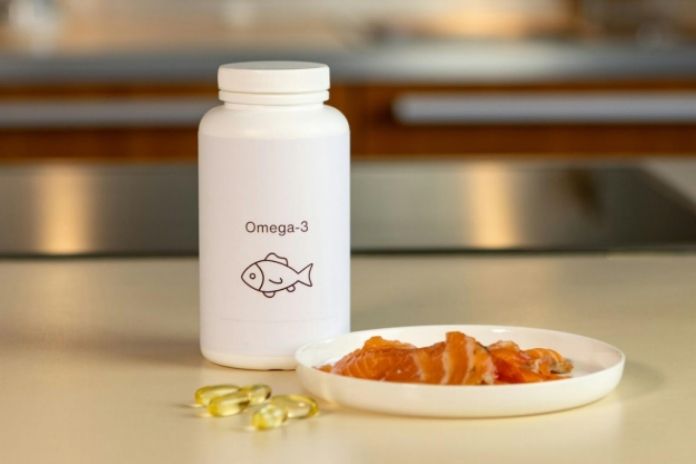
4. Omega-3 Supplements and Marine-Based Oils
People often mix up shellfish allergy with fish allergy.
They’re not the same. But the risk here isn’t fish; it’s cross-contamination in manufacturing.
Products to avoid or double-check:
- “Marine oil blends”
- Unlabeled seafood oil capsules
- Supplements listing shell powder, krill oil, and seafood extract
Safe alternatives:
- Algae oil (plant-based omega-3)
- Products explicitly stating “contains fish only, not shellfish.”
- Krill-free formulations
5. Cosmetics Using Marine Collagen or Shell Extracts
Not a drug, but relevant.
Marine collagen products sometimes include extracts from:
- Oyster shell
- Pearl powder
- Crustacean exoskeletons
Most people tolerate them, but skin reactions may still occur. Patch testing isn’t paranoia, it’s smart.
Read More: How to Reduce Angioedema Swelling: Home Remedies and Medical Treatments That Help
Products and Medications That Are Safe (Even If They Sound Suspicious)
1. Povidone-Iodine (Betadine)
Another common confusion: “I’m allergic to iodine because I react to shellfish.”
This is not true. You cannot be allergic to iodine; iodine is essential for life. Allergies develop to proteins, not to single elements.
Betadine is safe unless someone has a povidone sensitivity, which is rare.
2. Modern Radiology Contrast Agents
Newer contrast dyes are designed to be less reactive and have nothing to do with seafood proteins.
So again, shellfish allergy does not automatically equal contrast dye avoidance.
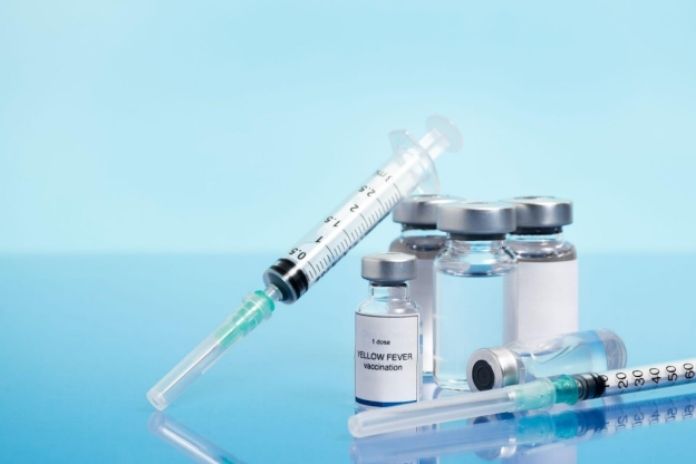
3. Routine Medications
Common medicines like:
- Painkillers
- Antibiotics
- Antihistamines
- Vaccines
- Blood pressure or diabetes medicines
do not contain shellfish derivatives.
Unless explicitly listed, marine-based ingredients are extremely rare in pharmaceuticals.
Read More:Is Your Child’s Hyperactivity Actually a Food Sensitivity?
How to Stay Safe During Medical Visits
A shellfish allergy doesn’t require living with fear, just simple preparation and shellfish allergy precautions.
Here’s what helps:
- Mention your allergy during registration or pre-procedure check.
- If undergoing imaging, ask:
“Is any product used today derived from shellfish?” - Ask your pharmacist to flag your allergy profile permanently.
- If you’ve ever had a life-threatening reaction, carrying an EpiPen is not optional; it’s a responsibility.
Read More: Foods That May Trigger Hives and What to Eat Instead
When Should You Seek Emergency Help?
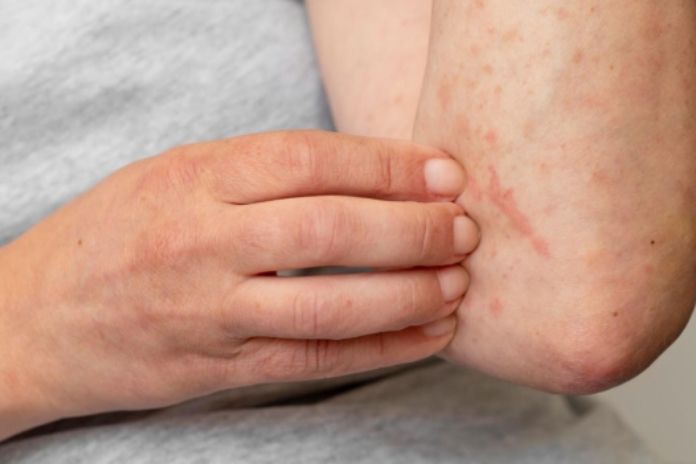
Use an epinephrine auto-injector and seek immediate care if you experience:
- Difficulty breathing or wheezing
- Swelling of lips, tongue, or throat
- Hives spreading rapidly
- Feeling faint or confused
- Sudden drop in blood pressure or collapse
Even if symptoms improve after epinephrine, medical observation is necessary.
Research in this field is also changing. Dr. Christine Yee Yan Wai, a Research Assistant Professor, is working on a new approach to actually reduce sensitivity to shellfish allergens.
She’s developing a DNA-based vaccine method that looks a lot safer than the older immunotherapy options. “This novel method of DNA vaccine bears substantial benefits compared to conventional immunotherapy. In particular, it reduces the risk of anaphylactic shock during treatment and only requires two or three shots, whereas previous methods using native protein allergens required prolonged treatment duration,” she explains.
It’s still early-stage work, but it’s one of the first signs that long-term treatment for shellfish allergy might actually become simpler and safer in the future.
-
- Shellfish allergy is triggered by proteins, not iodine.
- Most medicines and supplements for shellfish allergy are safe.
- Caution is needed with glucosamine, marine supplements, and certain wound-care materials.
- The contrast dye and iodine link is a persistent myth, not a fact.
Final Thoughts
Living with a shellfish allergy doesn’t mean navigating the medical world with constant fear. It simply means asking the right questions and avoiding assumptions shaped by outdated medical storytellers.
Using accurate information, not avoidance, is your best safeguard.
FAQs
1. Can people with shellfish allergy use Betadine?
Yes. The iodine in Betadine is not related to shellfish proteins.
2. Is glucosamine safe?
Yes! Only if it is labeled vegan or non-shellfish sourced, otherwise, it can cause a glucosamine shellfish allergy.
3. Can I receive contrast dye during CT scans?
Yes, unless you have a separate history of severe contrast reaction, not because of shellfish allergy.
4. Are fish oil capsules safe?
Usually yes, but confirm sourcing to avoid blends containing shellfish.
5. Can vaccines contain shellfish?
No. There are no shellfish-derived ingredients in routine vaccines.
In this Article