










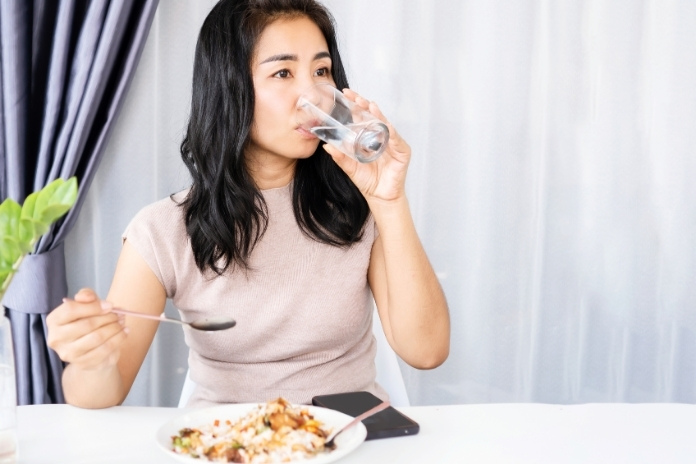
For many years, we have debated whether drinking water during a meal weakens digestion. The idea usually sounds something like this: water “dilutes” enzymes, disrupts water and digestion, changes stomach acid pH. Many of us also think that it might cause discomfort or even bloating. As such, questions like “Does water dilute digestive enzymes and Is drinking water good or bad?” still confuse us.
This myth continues largely because it sounds scientifically plausible. If digestive enzymes are powerful chemicals, then shouldn’t adding water weaken them? And does drinking water with meals affect acidity, too?
In this article, we will understand the impact of drinking water during meals and whether digestive enzymes are diluted when we do so. Let us also learn about water and stomach acids, and how hydration impacts digestion.
Read More: Can Drinking Cold Water Slow Down Digestion? What Science Actually Says
How Digestion Works: Simple Science Needed to Explain the Myth
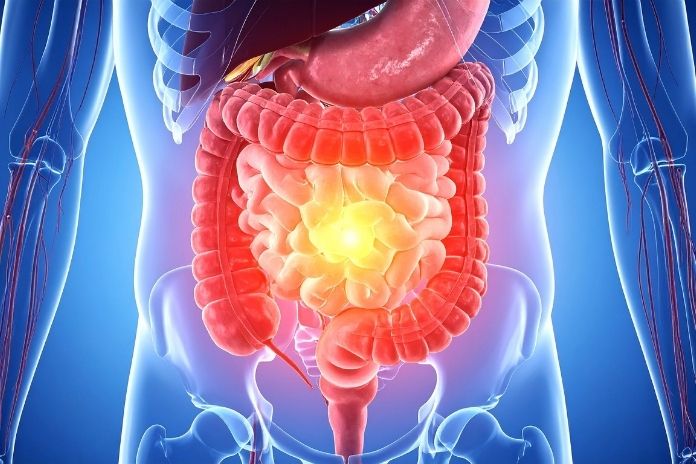
The human body regulates the proper balance of acidity and enzymes. Water does not significantly affect hydration and digestion, whether you drink it during meals or not. Several studies have indicated that drinking water with meals doesn’t interfere with enzymes and stomach acid. And in many ways, it supports rather than hinders digestion.
What Digestive Enzymes Do
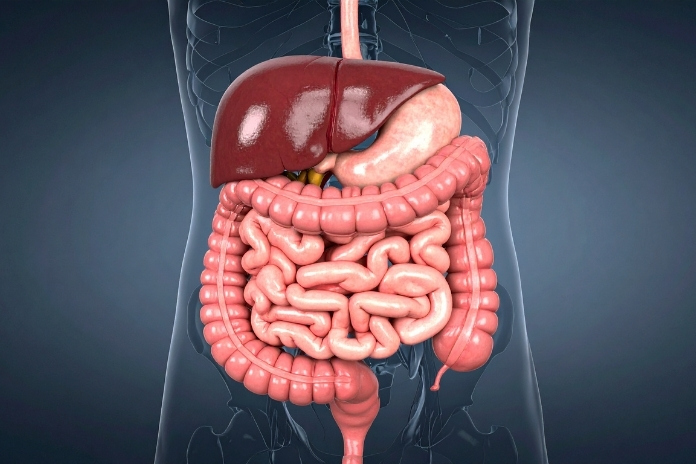
To understand whether drinking water with meals affects digestion, we must understand the function of digestive enzymes. Different enzymes are used in the digestive system, including:
- Amylase digests carbohydrates.
- Lipase enables the digestion of fats.
- Activated at low pH by stomach acid, pepsin digests proteins.
Along with the above enzymes, saliva is essential for better digestion. Saliva contains water and amylase. This means water and digestion naturally coexist, so the idea that drinking water could “wash away” or weaken enzymes is inaccurate.
It is important to note that the stomach is also designed to handle changes in volume and composition. Water may transiently dilute the pH of stomach acid, but the stomach rapidly responds by releasing more acids and enzymes.
This process maintains consistent digestive enzyme activity during meal digestion, regardless of how much water you drink.
How the Stomach Maintains pH
The one common question is: Does water dilute stomach acid?
Yes, but not for long and not significantly.
The pH of the stomach might slightly increase when you drink water. However, the stomach has strong regulating mechanisms. Specialized cells instantly release hydrochloric acid to restore optimal digestion levels. Changes in stomach acid pH last for a few seconds or minutes.
Enzymes such as pepsin can remain stable because they are adaptable, and also because the stomach maintains an optimal environment. The churning motion of the stomach also ensures that water mixes efficiently with the digestive mixture. This mixing process supports hydration and digestion rather than weakening it.
Hence, as per clinical studies and gastroenterologists, water does not dilute stomach acid or interfere with digestive enzyme function. This is true even when you drink large volumes of water with meals. It simply becomes part of the digestive process without causing bloating after water or digestive inefficiencies.
Does Drinking Water Dilute Digestive Enzymes?
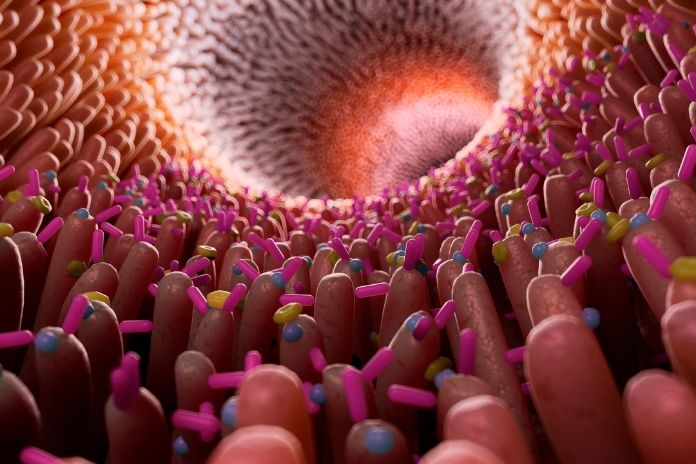
We are still left with one big question: Does water dilute digestive enzymes?
Scientifically, no.
Various studies indicate that drinking water during meals does not significantly affect stomach acid levels or enzyme activity. The digestive system is powerful and adaptive, hence stable. It continues to work efficiently while digesting water during meals.
Gastroenterologists believe that water does not interfere with enzyme concentration because:
- Acid secretion is self-regulated.
- Enzymes remain active in a wide range of concentrations.
- Food contains water, and hydration supports digestion.
- Even concerns that water raises stomach acid pH are invalid beyond the initial seconds. The stomach compensates and balances pH by producing acid immediately.
So, when it comes to drinking water during meals, science supports that it’s perfectly fine, and it doesn’t interfere with digestion.
Read More: Why Eating Too Quickly Hurts Your Digestion (and How to Slow Down)
What Actually Happens When You Drink Water
When you drink water during a meal, several positive things happen:
- Water moistens the food so that the digestive enzymes can easily break down the nutrients.
- It makes swallowing easy, helps prevent the digestive tract from being too dry, and promotes hydration and digestion.
- It helps in moving food through the GI tract, reducing the risk of constipation.
- Water may increase the feeling of fullness, therefore preventing overeating and heavy meals.
Instead of contributing to bloating after water, it usually reduces bloating caused by a dry, slow-moving meal.
This means water and digestion work together, not competitively.
Adding to this, Dr. Rakesh Gupta, Senior Consultant, Internal Medicine, Indraprastha Apollo Hospitals, shares his thoughts. He says, “Consuming around 8-12 ounces (240-360 ml) of water approximately 30 minutes before a meal can stimulate the production of digestive enzymes, such as saliva and gastric juices, which aid in the breakdown of food. This pre-meal hydration can also promote a feeling of fullness or satiety, potentially leading to a reduced calorie intake during the meal.”
Situations Where Water Can Cause Discomfort, Yet Not Enzyme Dilution
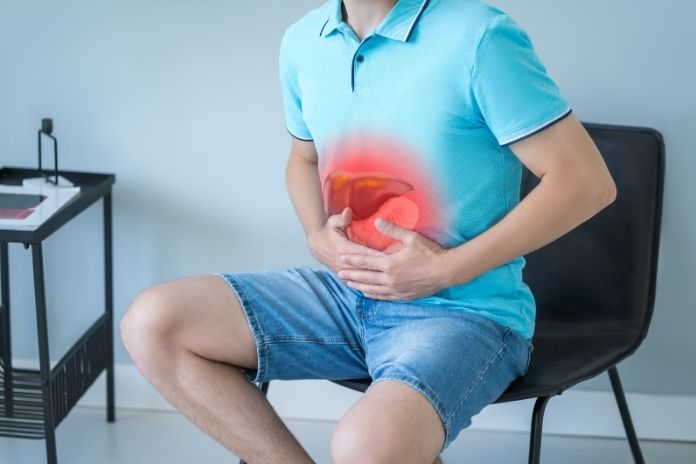
Because water does not interfere with the work of digestive enzymes, some people may experience discomfort during water digestion while eating, but for other reasons:
1. Feeling Excessively Full
When you gulp large amounts of water combined with food, the stomach expands, which may cause temporary pressure. It has nothing to do with whether water affects stomach acid or enzymes, but simply mechanical fullness. The sensation may be perceived as related to bloating after water, though it is related to volume.
2. Individuals suffering from GERD or reflux
Large volumes of water can trigger symptoms in individuals with reflux, not because water dilutes digestive enzymes, but because it increases stomach volume and may cause the contents to rise upward.
3. Sensitive Stomachs
Gulping water can cause discomfort in people with slower gastric emptying. The solution isn’t avoiding water, but rather adjusting fluid intake habits.
How to adjust water intake:
- Sip instead of gulp.
- Spread water intake throughout the day.
- Avoid very cold water if it’s personally a trigger for symptoms.
- Balance hydration to support optimal hydration and digestion.
Even in such cases, water neither denatures enzymes nor significantly changes the pH of stomach acid.
Best Practices for Drinking Water Around Meals
Whether you wonder if drinking water while eating is good or bad, the best approach is flexible and simple.
To support water and digestion, do the following:
- Drink water slowly during meals:
Doing this helps the food pass more easily and prevents stomach bloating. Slow sips maintain proper hydration and digestion without causing discomfort.
- Drink plenty of water daily:
Proper hydration promotes salivary secretion, gastric secretion, and overall digestive enzyme activity. The body digests food more efficiently when well-hydrated.
- Know when to limit large volumes
This can feel uncomfortable with certain surgeries or with the medical condition gastroparesis if you drink too much water during a meal. This doesn’t change the pH of stomach acid, but it can impact fullness.
- Know your body signals
Most individuals have no problem with drinking water with meals. However, if you experience bloating, simply adjust the timing or quantity, not eliminate it entirely.
Ultimately, water is a natural part of healthy hydration and digestion, particularly during meals.
Conclusion
Drinking water with meals does not dilute digestive enzymes or weaken stomach acid. The digestive system is highly capable of managing acidity, fluid balance, and digestive enzyme function, even during meal digestion with water. Water supports healthy hydration, digestion, reduces overeating, and promotes overall digestive function.
Only those with particular medical conditions may want to adjust water intake to avoid post-water bloat. For everyone else, it’s clear whether to drink water when eating good or bad: It’s good and totally safe.
FAQs
Q. Does cold water slow digestion?
Cold water slightly delays stomach emptying. However, it does not weaken the function of digestive enzymes, alter the pH of stomach acid, or increase bloating after water. It doesn’t significantly affect water and digestion or enzyme performance.
Q. Is sparkling water alright at meals?
Yes, sparkling water is hydrating, but the carbonation can cause bloating following the consumption of water for some individuals. It neither affects acidity nor changes the fact that water dilutes digestive enzymes.
Q. Should you drink water before or after meals?
You can drink water at any time. It can be before, during, or after your meals, as it promotes hydration and digestion and doesn’t disrupt enzymes or water during meal digestion.
References
- The Times of India. (n.d.). Does drinking water while eating help or disturb your digestion
- Vinmec International Hospital. (n.d.). Does drinking water after meals cause digestive disorders
- Holtmann, G., Talley, N. J., Liebregts, T., Adam, B., & Parow, C. (2006). Clinical effects of STW 5 (Iberogast) are not based on acceleration of gastric emptying in patients with functional dyspepsia and gastroparesis. Alimentary Pharmacology & Therapeutics, 24(4), 623–628
- Aneurin Bevan University Health Board. (2019). How your stomach, gastric, bowel, and gut work (Patient Information Leaflet PIU675-4)
- National Institute of Diabetes and Digestive and Kidney Diseases. (2017). Your digestive system & how it works. U.S. Department of Health & Human Services.
- Johns Hopkins Medicine. (n.d.). Digestive enzymes and digestive enzyme supplements. Retrieved from
In this Article