






People frequently highlight the numerous advantages of eating fruits and vegetables. Could some, however, be working against us? For many years, controversy has surrounded nightshade fruits and vegetables, including potatoes, eggplants, tomatoes, and peppers. The issue of contention? Whether these foods can trigger flare-ups in certain autoimmune disease patients, particularly those with inflammatory types of arthritis, like psoriatic and rheumatoid arthritis.
The people who eat them believe they can make their symptoms worse. This is hogwash, say several doctors. While there isn’t scientific proof either way, lived experience has a lot to say.
What is the truth, then? Are nightshades a food category to stay away from or a healthy option? We’ll review the facts, discuss the nutritional advantages, and explore whether you should reconsider including nightshades on your menu.
Read More: Best Anti-Inflammatory Foods To Counter Inflammation
What Are Nightshade Vegetables?
The Solanaceae family, which has over 2,000 species, contains nightshade plants. Tomatoes, potatoes (not sweet potatoes), eggplants, and other kinds of peppers, such as bell peppers and chili peppers, are examples of common nightshade vegetables. This family also includes pepper-based spices like paprika, cayenne pepper, and chili peppers.
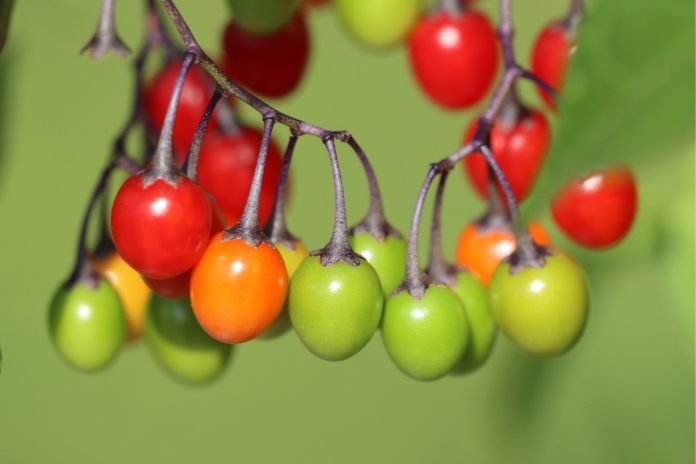
Some nightshades, such as bittersweet nightshade, a tomato-related plant, are infamously poisonous, and many are inedible. All of them include trace levels of solanine, a toxic substance that may be harmful to both people and animals, and aids in insect repulsion.
“Some species of nightshades are non-edible – like the deadly nightshade belladonna and tobacco – and should be avoided, but most edible nightshades are safe and nutritious,” Amanda Spina, a registered dietitian with Banner Health, said.
Many nightshades, like tomatoes and peppers, are actually fruits since they grow from blooms and contain seeds, even though we typically think of them as vegetables.
Cattle, lamb, and pigs are susceptible to solanine and may die from eating the leaves of tomato and potato plants. There is no evidence found for this severe level of toxicity in humans, but you should not eat potatoes once they have turned green from producing excessive solanine.
Who Should Consider Avoiding Nightshades?
Nightshades are safe and healthy for most individuals. However, if you already suffer from an autoimmune or inflammatory disease, such as psoriasis, arthritis, or inflammatory bowel disease, you may be more susceptible to certain foods. Some people are allergic to nightshades or intolerant to them in addition to being sensitive to them.
Any nightshade vegetable should be avoided by those who are allergic to it. A food allergy’s symptoms usually appear an hour after consuming the meal and include:
- Itching or a skin rash
- Swollen tongue or lips
- Swallowing difficulties, a painful or itchy throat, or a swelling sensation in the throat
Think about doing an elimination trial if you experience any pain after consuming nightshades. Take nightshades out of your diet for a few weeks, then gradually add them back to see if your symptoms improve. It is preferable to follow an elimination diet under the supervision of a trained dietitian or your healthcare physician.
“If cutting out certain nightshades relieves unwanted symptoms, there’s a good chance you are at least sensitive to them,” Spina said.
Read More: Diet for Endometriosis: Foods That Help and Foods to Avoid
Nutritional Benefits You Miss When Avoiding Nightshades
If you entirely avoid nightshades, you may lose a variety of vital elements that promote general health.
Edible nightshades are some of the most nutritious foods around and have been consumed as part of healthy diets for centuries, says Sharon Palmer, MSFS, RDN.
“Hundreds of studies have found benefits from eating these foods. In particular, tomatoes have garnished a great deal of research documenting benefits, such as antioxidant and anti-inflammatory benefits, and reduced risks of diseases such as prostate cancer and heart disease,” says Palmer. “They have also been linked to skin and bone protection.”
Like other plant meals, nightshades are a great source of essential vitamins and minerals.
Potatoes: A staple food in many areas of the world, potatoes are known for their high potassium content and support healthy muscles and heart function.
Eggplants: Packed in manganese and fiber, eggplant also has anthocyanins, which may help shield cells from harm.
You risk unintentionally lowering your consumption of these healthy nutrients if you avoid nightshades without a carefully thought-out replacement. For the majority of people, consuming a range of nightshades in moderation can improve their diet’s nutritional richness and general health.
How to Test if Nightshades Affect Your Inflammation
The symptoms of nightshade sensitivity may include the following:
- Intestinal distress
- Diarrhea
- Acid reflux
- Joint pain
- Joint swelling or arthritis
- Heartburn and/or acid reflux
- Itching
- Gut permeability
- Autoimmune conditions or chronic illness.
As you can see, not all of the symptoms will show up immediately, such as those associated with IBS or arthritis. Still, several of them will be apparent immediately after consumption of nightshades.
It may be hard to pinpoint which nightshade—or if any nightshade—is troublesome until you remove them. This is especially true because people sometimes eat multiple nightshade items, such as a tomato sauce with something one night and then chili flakes for dinner the next.
Read More: 5 Foods That Can Sabotage Your Longevity Goals
Nightshade-Free Alternatives for Sensitive Individuals
Patients may find the nightshade issue especially perplexing because, for nutritional reasons, doctors and dieticians frequently advise against eliminating these items from your diet. You don’t have to include nightshades in your diet to stay healthy, as countless other fruits and vegetables are rich in nutrients. Here are a few choices:
Avoid nightshades for two weeks if you think you might be sensitive to them, and then gradually reintroduce them into your diet. Give yourself around three days in between.
“If these foods seem to increase your symptoms, avoid them and substitute other sources of key nutrients,” says Lona Sandon, PhD, associate professor of clinical nutrition at the University of Texas Southwestern Medical Center in Dallas.
Many individuals report sensitivity to nightshades, although food sensitivities can vary widely from person to person.
Aim for a Mediterranean-style or anti-inflammatory diet that emphasizes fresh produce (not just tomatoes and potatoes), healthy fats, and moderate quantities of whole grains. Meals that cause inflammation, such as processed meals, sugar, and red meat, should be avoided. Hundreds of trials have shown the advantages of this diet for inflammatory arthritis.
Because solanine remains persistent in the body for a more extended period of time, if you want to remove nightshades from your existing diet completely, give yourself roughly three months to adjust before deciding or trying any new experiments.
You could use the following replacements for nightshade vegetables and likely adjust to the new diet.
- Purple potatoes, yams, and sweet potatoes
- Radishes and celery, cauliflower
- Melon, orange segments, blueberries, and grapes
- The mushroom
- Use white or black pepper for seasoning rather than red pepper
Expert Recommendations on Nightshades and Diet

Anaphylaxis, a severe and perhaps fatal allergic response, can occur in certain people due to alkaloids. If someone notices or experiences any of the following symptoms, they should get medical help right away:
- Swelling of the throat, mouth, or face
- Coughing
- Breathing problems
- Bewilderment, fear, and astonishment
- Decreased heart rate
When someone is experiencing anaphylaxis, they should contact the emergency services right away. After that, they should wait for an ambulance to arrive while lying on their back with their feet up. To lessen the severity of the allergic response, medical personnel will administer an epinephrine injection.
Read More: Gut Health and Diet: Foods that Promote a Healthy Digestive System
Conclusion
It has become known that nightshades can cause inflammation. Rich in vitamins, antioxidants, and fiber, vegetables like tomatoes, peppers, potatoes, and eggplants can help improve immunity, heart health, and oxidative stress. Although nightshades may cause pain for some people with autoimmune diseases or arthritis, many others benefit from incorporating them into a varied, nutrient-dense diet.
Nightshade veggies are obviously not always harmful. Many of them provide the body with significant health advantages. We cannot entirely disregard even the alkaloid chemicals; studies show that nicotine can lower illness risks, and capsaicin can serve as a helpful painkiller.
However, if you experience symptoms associated with nightshade sensitivity, removing them from your diet and allowing your body time to recover could help prevent long-term discomfort and health issues.
References
- https://www.arthritis.org/health-wellness/healthy-living/nutrition/anti-inflammatory/how-nightshades-affect-arthritis
- https://chhs.source.colostate.edu/nightshades-and-your-health/
- https://arthritis.ca/living-well/2021/nightshades-and-arthritis
- https://www.dietvsdisease.org/nightshade-vegetables/
- https://www.forksoverknives.com/wellness/what-are-nightshade-vegetables/
- https://www.linkedin.com/in/amanda-spina-3702845a/
- https://health.clevelandclinic.org/whats-the-deal-with-nightshade-vegetables
- https://www.goodrx.com/well-being/diet-nutrition/nightshade-vegetables
- https://draxe.com/nutrition/nightshade-vegetables/
- https://www.linkedin.com/in/sharonpalmerrd/
- https://www.entofga.com/nightshades-what-they-are-and-how-to-know-if-youre-allergic
- https://thepaleodiet.com/how-to-tell-if-you-have-a-nightshade-sensitivity/
- https://www.healthyfood.com/ask-the-experts/nightshade-foods/
- https://www.medicalnewstoday.com/articles/321883
In this Article