









Ulcerative colitis (UC) is a chronic inflammatory bowel disease (IBD) that triggers inflammation and ulcers in the colon and rectum. Inflammation can lead to painful symptoms such as diarrhea, abdominal pain, and fatigue. There isn’t a single diet that will heal UC, but the foods that you eat can manage symptoms, reduce the frequency of flares, and help with healing.
Consulting a doctor or a registered dietician is necessary to develop a personalized diet for ulcerative colitis patients as per their food tolerance. In this article, we will learn about foods that soothe inflammation and those that help avoid flare-ups, and will also provide meal-planning advice to control UC naturally.
Understanding Ulcerative Colitis and Digestion

Inflammation in the colon impacts your gut’s ability to absorb nutrients, often leading to deficiencies of iron, vitamin D, B12, and calcium. UC symptoms are often diarrhea, bloating, fatigue, and stomach pain, which make it difficult to eat and digest.
Eating a diet rich in nutrient-rich, gut-friendly foods and anti-inflammatory foods can alleviate symptoms, facilitate digestion, and maintain energy and overall health.
Read More: 7 Warning Signs and Side Effects of Poor Digestion You Shouldn’t Ignore
Best Foods to Eat During a UC Flare-Up
Here are a few of the best foods to be eaten during UC to avoid flare-ups naturally:
1. Low-Fiber (Low-Residue) Foods
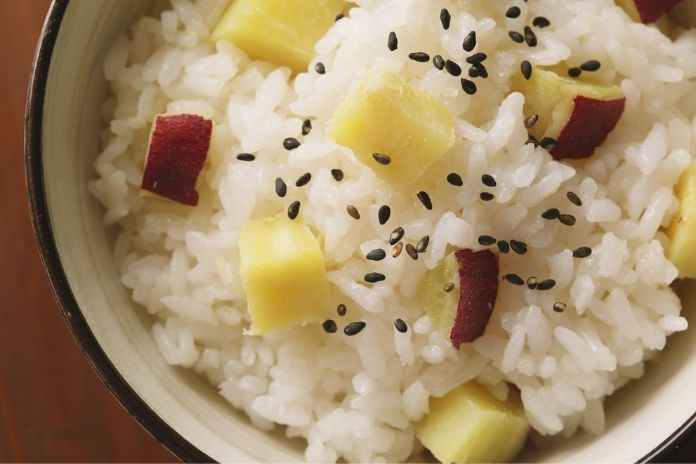
During UC flare-ups, the colon is inflamed and sensitive. Low-fiber foods are easier to digest and help reduce bowel movement frequency and irritation, giving the gut a chance to heal and rest.
Try to include:
- White Rice: White rice is gentle on the stomach and provides easily digestible carbohydrates for energy.
- Refined Pasta: Refined pasta is low in fiber and helps reduce irritation and frequent stools.
- Peeled Potatoes: Opt for potatoes; the peeled ones are rich in potassium and soft, aiding hydration and energy balance.
- Applesauce: It is rich in nutrients and has a pure consistency that is easier on the digestive system than the raw fruit.
- Bananas: Pectin in ripe bananas can harden stool and provide gentle energy.
2. Lean Proteins
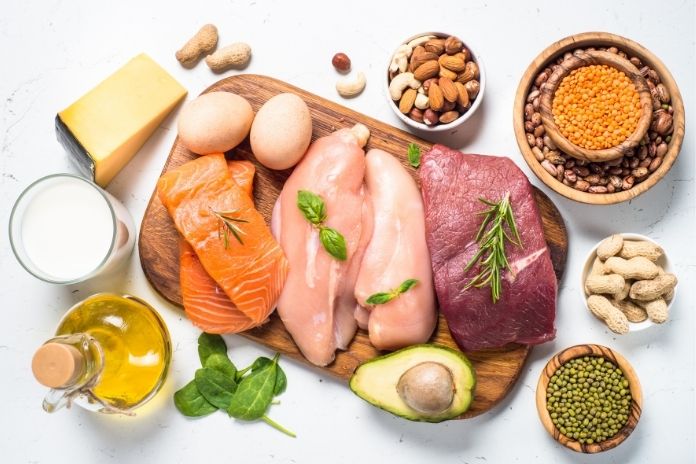
We all know that adding protein to our diets is one of the best things to do. This is because protein supports the repair of tissues, maintains muscle mass, and provides essential amino acids needed for healing during UC flare-ups.
Try to include:
- Eggs: Opt for either scrambled or soft-boiled eggs, as these are easy to digest and very nutritious and protein-rich.
- Chicken: You can eat baked or boiled skinless chicken that has protein without excess fat, reducing gut irritation.
- Turkey: Turkey is a lean meat that helps in healing without overburdening the digestive system.
- Fish: Include fatty fish like salmon and mackerel as these have omega-3s, which reduce inflammation in the colon.
- Tofu: Opt for plant protein that is soft and kind to the digestive tract without causing strain, and promotes muscle repair.
3. Cooked or Steamed Vegetables
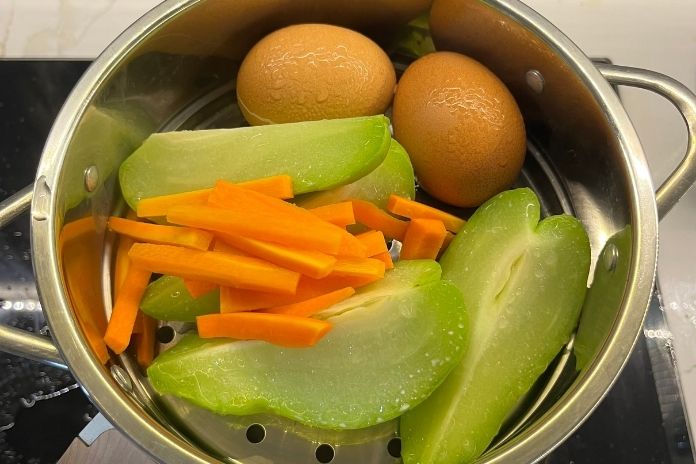
Raw vegetables contain insoluble fiber that worsens the inflamed colon. Whereas cooked vegetables break them down and make them easier to digest while still providing necessary vitamins and minerals.
Try to include:
- Carrots: Carrots are known to be easily digested by the gut and provide beta-carotene for immune function.
- Zucchini: Include zucchini as it has low fiber and is soft, which helps prevent excessive irritation.
- Pumpkin: Pumpkin is rich in vitamins A and C, which promote immune function and provide easily absorbed nutrients.
- Spinach: Spinach that’s cooked is better absorbed and rich in iron, magnesium, and folate.
4. Probiotic Food (If Well Tolerated)
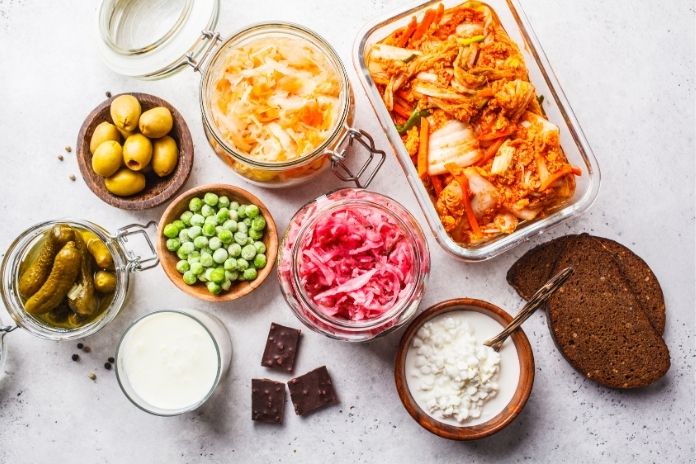
Ulcerative colitis tends to disrupt the gut bacteria, and that makes the inflammation worse. Probiotics are a good choice as they balance the good bacteria, improve digestion, and possibly reduce flare frequency.
Try to include:
- Yogurt: Yogurt is an excellent source of live cultures that support digestion and gut health.
- Kefir: Kefir is a fermented milk drink that’s filled with probiotics that can enhance microbiome balance.
- Miso: Many people use miso, a fermented soybean paste that is rich in beneficial bacteria and nutrients, as a source of probiotics.
- Tempeh: Tempeh is generally easier to digest than nonfermented soy and contains protein and probiotics.
Please remember, some UC patients may be dairy-sensitive. Plant-based or lactose-free probiotic substitutes are best if dairy worsens symptoms.
Read More: 7 Reasons Women Are Quitting Dairy—And What They’re Eating Instead
5. Hydrating Fluids and Electrolytes
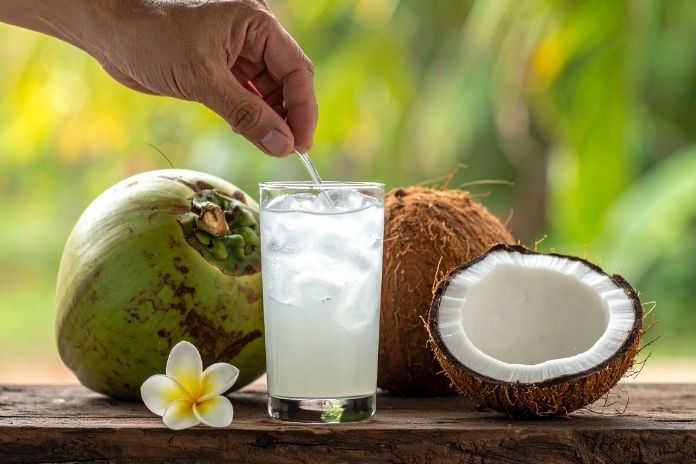
People often experience uncontrolled diarrhea during flare-ups causing dehydration and electrolyte loss, which worsens fatigue and impacts overall well-being. Rehydration solutions replenish fluid and help maintain mineral balance.
Try to include:
- Coconut Water: Coconut water is an easily available natural source of minerals and electrolytes for rehydration.
- Broth: Broth gives hydration as well as minerals like sodium and magnesium.
- Oral Rehydration Options: Solutions that are formulated to replace lost electrolytes and fluids efficiently can also be an option.
Foods to Avoid During a Flare
Now that we know about certain foods to consume, here’s a list of foods to be avoided during a UC flare-up:
1. High-Fiber and Gas-Producing Foods
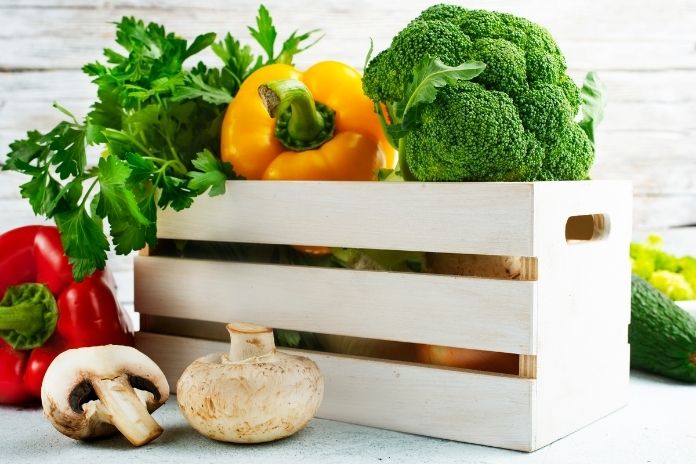
Some fiber-like foods and gas-forming foods can increase bloating, diarrhea, and cramping during an ulcerative colitis flare-up.
Examples:
- Raw vegetables, as they irritate the gut with excess fiber.
- Legumes, rich in fiber and have the potential to cause gas.
- Cabbage and broccoli can cause bloating and discomfort.
2. Fatty, Fried, or Greasy Foods

Fatty foods slow down digestion and can trigger inflammation, making symptoms of ulcerative colitis worse.
Examples:
- Processed meat, such as sausages, bacon, and other processed meats, is full of fat and preservatives.
- Fried foods, including chips, fries, and other fried foods, are irritants to the digestive system.
- Butter-rich foods have high saturated fat content that worsens inflammation.
3. Dairy (for Some People)
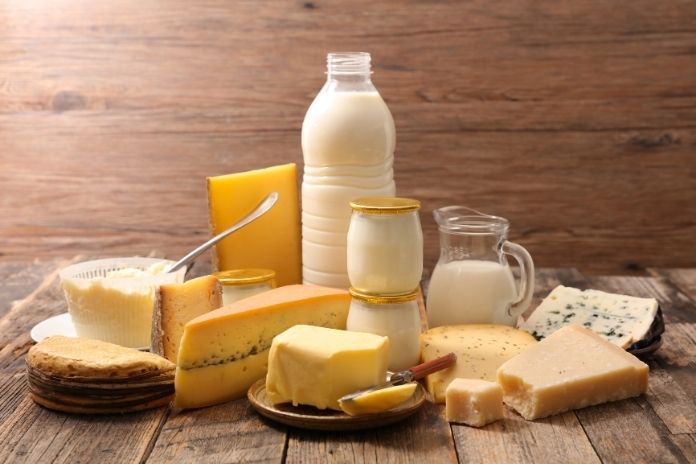
Several people today fall in the category of ‘lactose intolerant’. And, this lactose intolerance is common among UC patients and worsens diarrhea and bloating.
Here are a few alternatives you can try:
- Lactose-free milk provides calcium without gastrointestinal discomfort.
- Plant-based milks such as almond, oat, or soy milk can replace regular dairy.
- Lactose-free yogurt offers probiotics without the issue of lactose irritation.
4. Caffeine, Alcohol, and Carbonated Drinks

Carbonated drinks, caffeine, and alcohol might cause issues with bowel movements, worsen diarrhea, and increase the risk of dehydration.
Here’s what is recommended:
- Avoid coffee, sodas, and energy drinks.
- Limit alcoholic beverages, which can irritate the gut lining.
Read More: 10 Common Symptoms of Malabsorption
5. Hot and Artificially Sweet Foods

Certain spices like hot peppers and artificial sweeteners can irritate the lining of the intestines and trigger UC symptoms.
Examples:
- Hot peppers contain capsaicin, which can potentially bring about more gut irritation.
- Artificial sweeteners (sorbitol, mannitol) trigger bloating and diarrhea.
Dr. David Hudesman, a gastroenterologist and co-director of the Inflammatory Bowel Disease Center at NYU Langone, recommends a Mediterranean-based diet. “So, high in lean proteins — chicken, fish, eggs, fruits and vegetables — avoiding processed foods, artificial sweeteners, fatty foods,” he said.
However, during a flare-up, Hudesman suggests a slight shift. He adds, “You want to keep up with that high protein as I mentioned, but we want to start minimizing highly fibrous foods, so less fruits and vegetables — not that that’s worsening inflammation, but that could worsen how patients feel.”
Best Foods to Eat During UC Remission
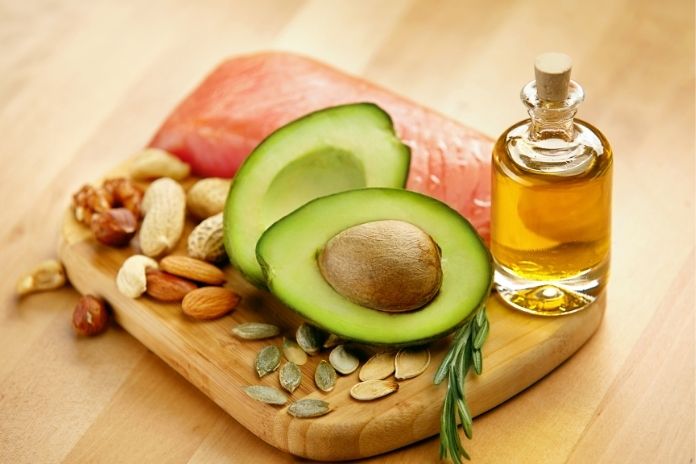
You might think that just preventing a flare with the help of certain foods is important. However, after a flare has passed, focus shifts toward keeping the gut healthy, preventing flare recurrence, and gradually adding nutrient-dense foods.
Here are a few recommendations:
- Gradually increase fiber. You can add oats, chia seeds, and steamed greens. Fiber is beneficial for the colon, but should be added in small amounts.
- Add healthy fats such as olive oil, avocado, and fatty fish to reduce inflammation and contribute to overall nutrition.
- Include probiotics that include yogurt, kefir, or vegetarian alternatives to support microbiome health.
- Hydrate with fluids and electrolytes such as water and coconut water.
Nutrients UC Patients Are Likely to Be Deficient In
There is a high chance that UC patients become nutrient-deficient. Malabsorption, inflammation, and medications can cause deficiencies, worsening fatigue, bone disease, and immunity.
- Iron: Loss of blood during flares may lead to anemia.
- Vitamin D: Supports immune function and bone health.
- Vitamin B12: For energy and neurological health.
- Calcium: For bone health, especially in steroid patients.
Tip: Doctor-recommended supplementation and periodic lab tests are recommended.
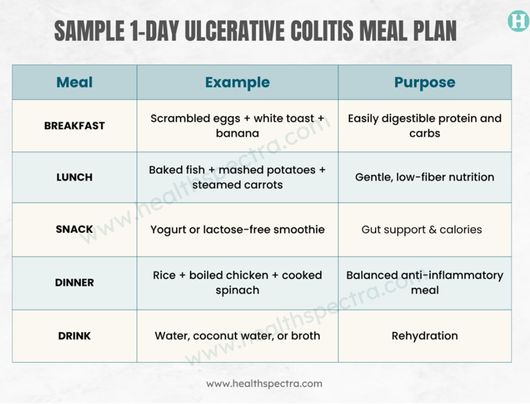
Tips for Managing UC with Diet
Eat small, frequent meals to reduce the workload on the digestive system.
- Keep a food diary to identify personal triggers.
- Be regular and do not miss meals.
- Slowly reintroduce new foods after flares.
When to See a Doctor
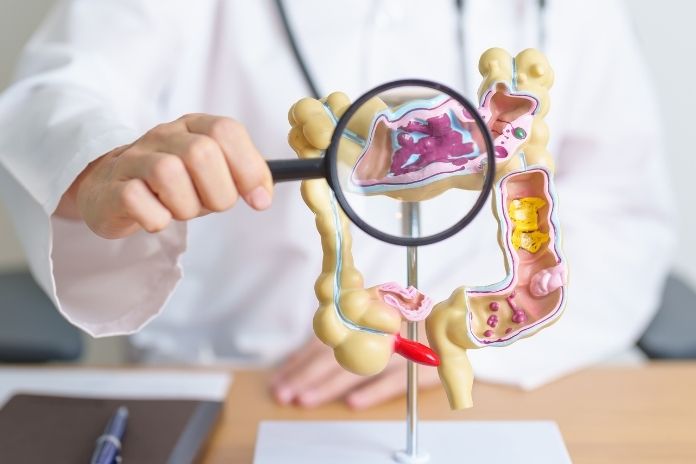
Consult a doctor if you have:
- Recurring diarrhea or there is rectal bleeding
- Unexplained weight loss or are at risk of malnutrition
- Severe abdominal pain or feeling dehydrated.
- The flare-ups do not respond to diet or medication
Key Takeaway
UC is characterised by a few symptoms, which we can identify. Diet plays a role in reducing inflammation and symptoms of UC. There isn’t one particular way to tackle the flares or prevent them. You must go for gentle, nutrient-rich foods, sufficient fluids, and personal food offenders for long-term control.
So the next time you or someone you know experiences UC flares, read this article.
FAQs
- Is ulcerative colitis treatable with diet?
Diet manages symptoms but never replaces medication; always stick to medical advice.
2. Are probiotics helpful for UC patients?
Yes, if tolerated, probiotics can promote the balance of gut bacteria and improve digestion.
3. What is the best diet while in remission?
Nutrient-rich, gradually increasing-fiber diet with good fat and probiotics.
4. Do UC patients need to avoid gluten?
Not unless intolerant; gluten itself does not cause UC flares, but can worsen symptoms in those with intolerance.
5. Can fasting help ulcerative colitis?
Intermittent fasting may be useful for certain patients, but prolonged fasting worsens malnutrition; first consult a doctor.
References
- https://www.goodrx.com/conditions/diarrhea/what-to-drink-for-diarrhea
- https://pmc.ncbi.nlm.nih.gov/articles/PMC10358780
- https://www.tabibmd.com/blog/foods-avoid-inflamed-colon
- https://continentalhospitals.com/blog/diet-tips-for-ulcerative-colitis-what-to-eat-and-avoid
- https://www.mkuh.nhs.uk/patient-information-leaflet/dietary-advice-for-ulcerative-colitis-2
- https://pmc.ncbi.nlm.nih.gov/articles/PMC7175540
In this Article