



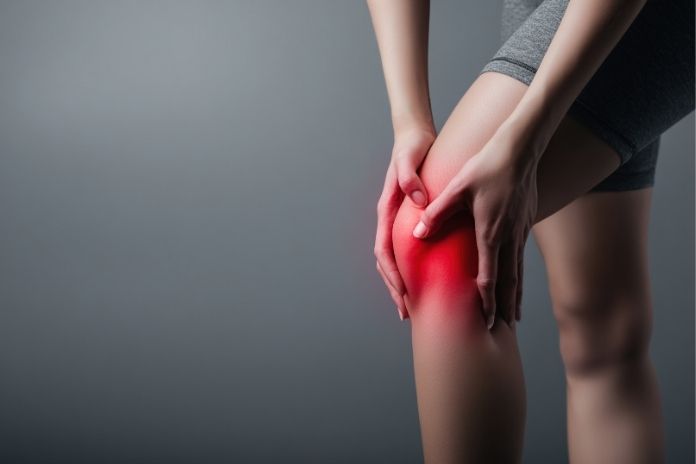

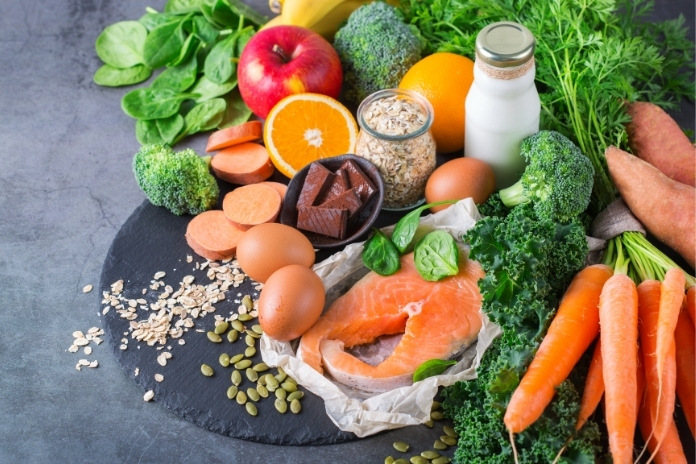
If you are dealing with a lot of pain, fatigue, or bloating associated with endometriosis, food can be part of the solution to finding some relief from your symptoms. Food will not cure endometriosis; however, certain food choices can help make you feel better.
Many people find that by making just a couple of small adjustments to their meals, they feel better. This guide helps you think through what foods can mitigate inflammation and hormone imbalance and what foods may aggravate your symptoms.
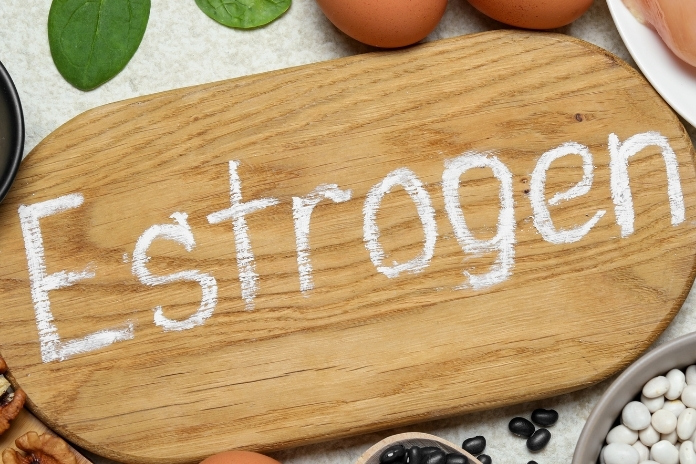
Eating more colorful fruits and vegetables, legumes, whole grains, including foods that are sources of omega-3s, like walnuts, chia, and oily fish, will contribute to less inflammation. Reducing processed foods, limiting red meat, caffeine and sugar, and avoiding gluten may reduce bouts of pain.
Everyone’s body reacts differently, so it’s important to tune in to your symptoms and individualize your diet. Making small adjustments to your plate can provide significant relief in the long run.
Read More: Understanding Endometriosis with Its Symptoms and Treatment
How Diet Affects Endometriosis
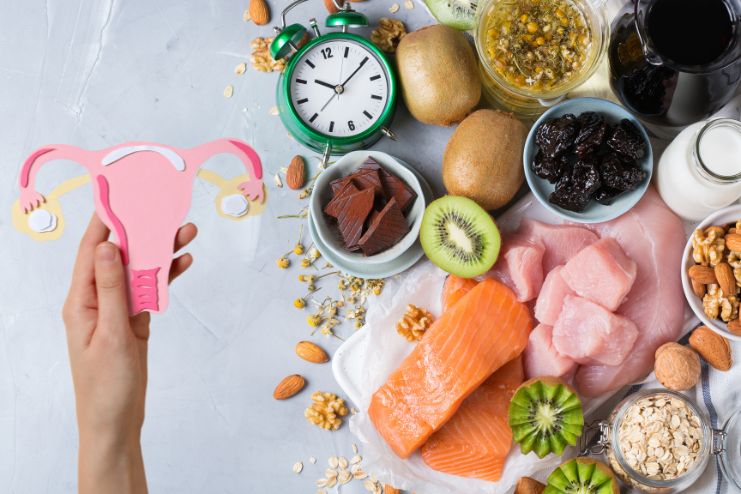
Endometriosis is a complex disease that’s often worsened by inflammation and high estrogen levels. How you eat can either enrage or calm these root causes. That’s why diet is an important element in managing endometriosis symptoms.
How you choose food can support your body’s natural harmony, reduce pain, and improve your overall well-being. The connection between endometriosis and nutrition can guide better decisions.
Inflammation and Estrogen: The Core Triggers
Endometriosis is also associated with chronic inflammation and estrogen sensitivity. Foods like red meat, sweets, and processed foods have been shown to raise estrogen levels and lead to more inflammation, thus worsening symptoms.
On the other hand, plant-based foods with high antioxidant levels, like leafy greens, berries, and nuts, can neutralize inflammation and regulate estrogen levels naturally. An endometriosis-balanced diet can reduce the severity of such triggers.
The Role of Gut Health
Your gut plays an important role in balancing hormones. A healthy gut helps you digest and eliminate excess estrogen from your system. High-fiber foods such as whole grains, fruits, vegetables, and legumes aid in healthy digestion and a healthy gut microbiome.
Fermented foods such as yogurt, kimchi, and kefir provide good bacteria that support gut and immune health. Emphasizing gut-friendly food is an important component of effective endometriosis and nutrition control.
Hormone Balance Through Nutrition
Some nutrients, like omega-3 fatty acids (in fish, flaxseeds, and walnuts), stabilize hormones and inhibit pain. Vitamin D is also thought to stabilize endometriosis-related inflammation.
Since so many are vitamin D deficient, it may be best to check levels and discuss supplementation with a doctor.
Foods to Avoid
Restrict the intake of red and processed meats, dairy, gluten, alcohol, and caffeine. These food variants cause inflammation or disrupt hormone balance.
Fried and highly processed foods should also be excluded, as they contain unhealthy fats and additives that lead to flare-ups. A well-planned diet for endometriosis focuses on whole, nutrient-dense foods and avoids common dietary triggers.
Observation of an Expert
Dr. Piraye Yurttas Beim, Chair of the Endometriosis Foundation of America, stresses the difficulty in diagnosing endometriosis, noting that there’s no simple blood or imaging test for a definitive diagnosis.
She explains that this lack of clear diagnostic tools often leads to delayed detection and treatment. Dr. Beim underscores the urgent need for greater awareness, improved diagnostic methods, and more research to support earlier and more accurate identification of the condition.
Read More: 20 Natural Remedies for Endometriosis
Best Foods for Endometriosis (What to Eat More Of)

If you have endometriosis, the correct foods will reduce symptoms by reducing inflammation, balancing hormones, and feeding your gut. Below are some of the best foods for endometriosis according to research and expert views.
1. Anti-Inflammatory Foods
Leafy greens like kale and spinach, brightly colored berries, turmeric, ginger, and olive oil are excellent anti-inflammatory diets for endometriosis options. They can reduce chronic inflammation that causes endometriosis pain and flare-ups.
Turmeric and ginger both have natural chemicals that fight pain and inflammation, and olive oil has healthy fats that lead to overall well-being.
2. Fiber-Rich Foods
Vegetables like broccoli, cauliflower, Brussels sprouts, whole grains, and flaxseeds are all high-fiber foods. Fiber helps your body release excess estrogen into the gut and liver.
This is important because excess estrogen is a stimulator of endometriosis symptoms. Eating these foods every day will naturally balance hormones and improve endometriosis and gut health.
3. Omega-3 Fatty Acids
Wild salmon, walnuts, chia seeds, and hemp seeds all have omega-3 fatty acids. As per certain studies, Omega-3s are also thought to reduce inflammation and even slow the development of endometrial tissue.
Omega-3s can also reduce menstrual cramps and improve overall health, and are thus some of the most beneficial foods for endometriosis.
4. Iron-Rich Foods
Endometriosis will often lead to heavy menstrual bleeding, which can cause iron deficiency. Iron-rich foods like lentils, spinach, and pumpkin seeds will replace iron loss and prevent fatigue, weakness, and dizziness.
These foods, taken along with vitamin C (e.g., citrus fruits), will increase iron absorption and speed up recovery.
5. Fermented and Gut-Friendly Foods
Probiotic-rich foods include the likes of sauerkraut, kimchi, kefir, and miso. They promote endometriosis and a healthy gut, both of which are crucial for immune system function and hormonal balance.
A healthy gut helps eliminate excess estrogen as well as reduce overall inflammation, both of which are crucial in managing endometriosis.
6. Plant-Based or Anti-Estrogenic Proteins
Lentil, chickpea, and tempeh protein provide you with all the nutrients, minus the hormones in red or processed meat.
Plant-based proteins can lower estrogen levels and are less taxing on the digestive system. They are a healthier option for a balanced anti-inflammatory diet for endometriosis.
Read More: Everyday Toxins that can Disrupt Your Menstrual Cycle
Foods That May Worsen Endometriosis (What to Avoid or Limit)
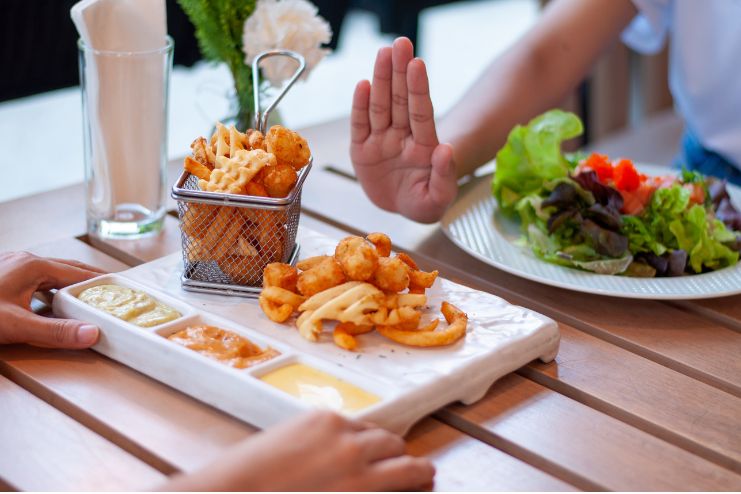
Managing endometriosis isn’t just about scarfing down kale and calling it a day. Honestly, it’s just as much about what you don’t eat.
Some foods can disrupt your hormones, trigger inflammation, or upset your gut, none of which are helpful when you’re already managing endometriosis.
So, let’s talk about a few common endometriosis foods to avoid or for better health.
1. Highly Processed Foods
The shiny bags of chips, packaged meat, fast food burgers, and basically anything that tastes like a science experiment are loaded with unhealthy fats, unnecessary chemicals, and enough sugar to make your dentist rich.
They worsen inflammatory foods and pelvic pain. Cutting back on processed foods is honestly one of the easiest wins if you want to have a healthy lifestyle.
2. Red and Processed Meats
Beware, steak lovers, but beef, bacon, sausage, and other processed meats can really mess with your hormones and dial up inflammation.
Some even come with added hormones or saturated fats that are harmful to people with endometriosis. If you’re craving protein, throw in some chicken, fish, or even plant-based options like chickpeas or tofu.
3. Dairy (for some individuals)
Although dairy isn’t bad for everyone, it will be inflammatory for sensitive individuals. Milk, cheese, and butter contain naturally occurring estrogens and other hormones that impact your hormone levels.
For some, it will impact dairy and hormone balance, which will make symptoms worse. If you think dairy is making a difference, eliminate it for 4–6 weeks and see if symptoms get better.
4. Gluten
There is some research and anecdotal evidence that suggests a decrease in symptoms, especially in individuals with gastrointestinal issues, if they eliminate gluten (in wheat, barley, and rye).
In individuals with endometriosis with gastrointestinal symptoms like bloating, constipation, or IBS, a gluten-free diet can be extremely beneficial.
The relationship between gluten and endometriosis is still being studied, but most people report that if they cut it out, they improve. Always consult a physician or a nutritionist before making extreme changes.
5. Excess Caffeine and Alcohol
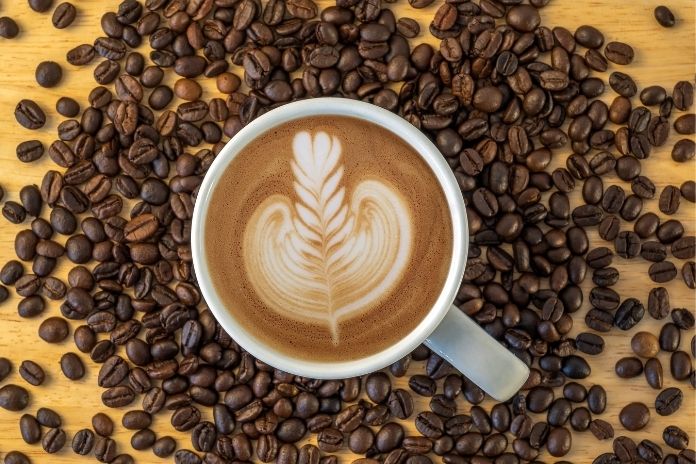
Caffeinated drinks like coffee and energy drinks, and alcohol, overburden the liver, which plays a very important role in hormone metabolism. These, when taken excessively, may lead to other hormonal imbalances and may also induce flares in sensitive patients.
Reducing them or replacing them with herbal drinks may be beneficial in terms of better hormone regulation and less discomfort.
Since everybody is unique, tune in to your body and aim for a diet that heals you physically.
Read More: The Best Cooking Oils for Hormonal Balance and Fertility
Tips for Building an Endo-Friendly Plate

Preparing foods that nourish your body when you have endometriosis helps relieve symptoms such as pain, fatigue, and bloating.
Using simple methods and the right foods, you can use food as one of the natural ways to manage endometriosis. Here is how to prepare an endo-friendly plate:
1. Focus on Whole, Unprocessed Foods
Choosing natural, unprocessed foods supports hormone balance and reduces inflammation.
- Eat fresh fruits and vegetables every day
- Choose whole grains like quinoa, brown rice, and oats
- Include legumes, seeds, and nuts for protein and fiber value
- Avoid processed foods, packaged meat, and sugar
- They help in alleviating inflammation and managing estrogen dominance and food sensitivity
2. Use Anti-Inflammatory Spices
There are some spices that not only add flavor to your dish but also fight inflammation naturally.
- Add turmeric along with black pepper to your food
- Consume ginger and garlic in soups, stir-fries, and teas
- Put cinnamon in smoothies, oatmeal, or fruit
- These spices can calm pelvic pain symptoms and are part of an anti-inflammatory diet for endometriosis
3. Balance Blood Sugar with Protein, Fiber, and Healthy Fats
Maintaining stable blood sugar levels assists in hormonal equilibrium and consistent energy.
- Add protein such as tofu, eggs, beans, or grilled chicken to every meal
- Add fiber from lentils, apples, berries, or spinach
- Use healthy fats such as olive oil, avocados, and nuts
- Such compounds together control hunger, mood swings, and inflammation
4. Hydrate Well to Support Detox and Digestion
Hydration with proper water removes excess hormones and maintains gut function.
- Goal 8–10 glasses of water in a day
- Try herbal teas like chamomile, peppermint, or ginger
- Add lemon or cucumber to your water for a twist
- Adequate hydration supports hormone metabolism and endometriosis and gastrointestinal health
5. Don’t Forget Omega-3s
Healthy fats, especially omega-3s, are mostly responsible for reducing inflammation and regulating hormones.
- Include wild salmon, walnuts, chia seeds, or flaxseeds regularly
- Omega-3s are anti-inflammatory and can potentially shrink the endometrial tissue growth
- Think about a supplement after consulting with your physician
- These are essential omega-3s for endometriosis and a great addition to your diet
Gradual, subtle changes to your diet can make a big difference in helping to naturally support your health and alleviate endometriosis symptoms.
Read More: How Everyday Products Could be Hurting Your Fertility
Meal Planning and Lifestyle Habits to Support Your Diet
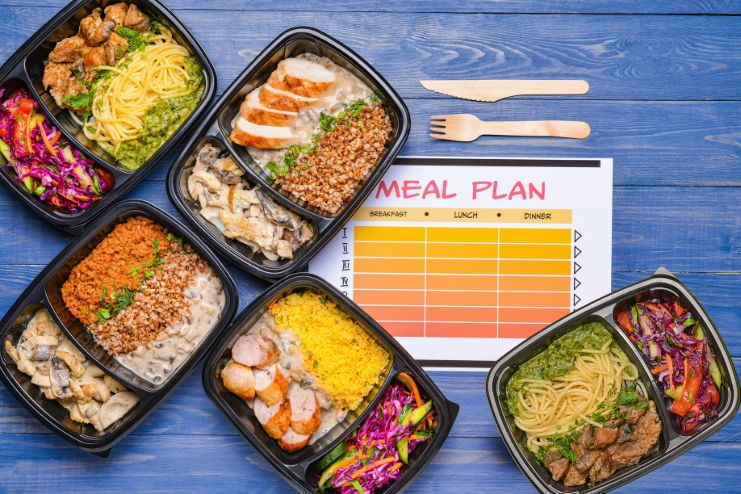
Managing endometriosis isn’t just about what you eat, it’s also about how you care for your body overall. The way you structure your meals and manage your daily routine can have a profound effect on your mood and well-being.
You may increase your energy, lessen flare-ups, and manage pain more effectively with the right kind of food. These useful pointers can help you follow an endo-friendly meal plan.
1. Prep Meals in Advance
Making a plan in advance will help you steer clear of impulsive, unwise eating choices that could exacerbate symptoms.
- Every week, set aside time to prepare meals and snacks
- Store food in portioned containers and cook in batches
- Stock up on anti-inflammatory foods like wild salmon, legumes, and leafy greens
- Making meals ahead of time helps you stick to your endo-friendly diet and prevents you from relying on junk, fast food
2. Keep a Food-Symptom Journal
How individuals with endometriosis respond to specific meals varies. You can identify trends by keeping a food and symptom journal.
- Jot down your meals and your feelings afterward
- Make a note of any symptoms such as mood swings, exhaustion, cramping, or bloating
- Identify foods that cause endometriosis flare-ups, for example, dairy, gluten, or caffeine
- You can better control your digestive symptoms in endo and customize your diet by keeping a record
3. Support Your Body Beyond the Plate
A diet by itself is insufficient; lifestyle decisions are also important. A comprehensive strategy can enhance digestion, balance hormones, and reduce stress.
- Include mild exercise in your regular routine, such as yoga, stretching, or walking
- Use stress-reduction strategies like meditation or deep breathing
- To help your body heal and balance hormones, try sleep for 7 to 8 hours every night
By combining thoughtful planning with mindful lifestyle choices, you can build lasting habits that ease symptoms and support long-term health. Even on tough days, sticking to an endometriosis-friendly diet and avoiding common trigger foods can help reduce discomfort and improve your quality of life.
Read More: Comprehensive Strategies for Easing Menstrual Discomfort
When to See a Specialist

Choosing nutritious foods can help manage endometriosis. Many women find that switching to a hormone-friendly, anti-inflammatory diet helps them feel less tired, bloated, and in pain.
However, it may be time to consult a specialist if your symptoms continue even after adhering to an endo-friendly diet plan.
If Symptoms Don’t Improve Despite Dietary Changes
Diet is an effective tool, but it is not an elixir. It’s crucial to see a professional if you’ve made regular adjustments, such as avoiding popular foods that trigger endometriosis flare-ups, eating more whole foods, and drinking enough water, yet your symptoms persist or worsen.
Prolonged endometrial symptoms, heavy periods, severe exhaustion, or pelvic discomfort may indicate that you require more specialized treatment. Additionally, early management can help stop symptoms from getting worse or interfering with day-to-day functioning.
Consider Working with a Nutritionist Experienced in Endometriosis
Determining which foods are beneficial or detrimental to you might be challenging at times. You can refine your endometriosis-friendly meal plan with the assistance of a licensed dietitian or nutritionist who specializes in endometriosis or women’s health.
In addition to helping you manage nutrient shortages (such as low iron or vitamin D), they may help you navigate elimination diets and ensure that you’re getting the proper proportions of fiber, protein, and fats.
They could also assist you in identifying less well-known causes that might be causing your discomfort, like food additives or foods high in histamine.
Functional Medicine or Integrative Gynecology Support
Consult an integrative gynecologist or a functional medicine physician for a more comprehensive approach. These experts examine all aspects of your health, including your lifestyle, stress levels, gastrointestinal health, and hormones.
Advanced hormone testing, gut-healing techniques, or naturally occurring substances may be suggested by them. Instead of only managing symptoms, functional medicine frequently seeks to address their underlying causes. Your long-term health and well-being may significantly improve with this individualized support.
Remember that you don’t have to work it out alone if you’re feeling overwhelmed or stuck. You can control endometriosis and enhance your quality of life by developing a more straightforward and efficient plan with the assistance of a specialist.
What is the Expert’s Advice
Dr. Tamer Seckin, renowned gynecologic surgeon and co-founder of the Endometriosis Foundation of America, compares visible endometriosis lesions to stars in the night sky, emphasizing that much of the disease remains hidden, like black holes.
His analogy highlights the complex and often overlooked nature of the condition. Dr. Seckin stresses the importance of early diagnosis and comprehensive care to address both the visible and unseen aspects of endometriosis.
Read More: Pelvic Health and Its Common Issues
Final Thoughts

Although food cannot treat endometriosis, it can be an effective symptom management and long-term health support strategy. Consider your nutrition as a component of a larger healing plan that also includes stress reduction, exercise, and sleep.
Be mindful of how your body reacts to specific foods and don’t disregard symptoms like mood swings, exhaustion, or bloating. You can find what really works for you by keeping a food and symptom log.
Over time, incorporating anti-inflammatory foods like leafy greens, omega-3 fatty acids, and vegetables high in fiber, as well as nourishing your gut and regulating your hormones, can have a significant impact. You can feel more in control and reduce discomfort by making even minor, regular adjustments.
Are you prepared to move forward? Make one positive adjustment today, and then gradually, carefully, and patiently expand on it. Share your experience here and help other readers too.
References
- https://www.medicalnewstoday.com/articles/321471
- https://www.apollohospitals.com/diseases-and-conditions/endometriosis-diet-foods-to-eat-and-avoid
- https://www.bswhealth.com/blog/endometriosis-diet-what-to-eat-if-you-have-endometriosis
- https://www.endofound.org/10-foods-endo-women-should-avoid
- https://pmc.ncbi.nlm.nih.gov/articles/PMC9983692
- https://www.ssmhealth.com/SSMHealth/media/Documents/slucare/services/obstetrics-gynecology-womens-health/endometriosis-diet-booklet.pdf
- https://puresportsmed.com/blog/posts/what-to-eat-and-avoid-with-endometriosis
- https://www.artfertilityclinics.com/in/en/art-blog/endometriosis-and-diet-foods
- https://www.bswhealth.com/blog/endometriosis-diet-what-to-eat-if-you-have-endometriosis
- https://health.clevelandclinic.org/endometriosis-diet
- https://www.verywellhealth.com/endometriosis-diet-7105372
- https://intermountainhealthcare.org/blogs/6-tips-for-eating-with-endometriosis
- https://uvihealth.in/blog/post/endometriosis-diet-plan-dos-donts
- https://www.stlukeshealth.org/resources/5-tips-for-living-with-endometriosis
- https://www.ssmhealth.com/SSMHealth/media/Documents/slucare/services/obstetrics-gynecology-womens-health/endometriosis-diet-booklet.pdf
- https://www.bswhealth.com/blog/endometriosis-diet-what-to-eat-if-you-have-endometriosis
In this Article