










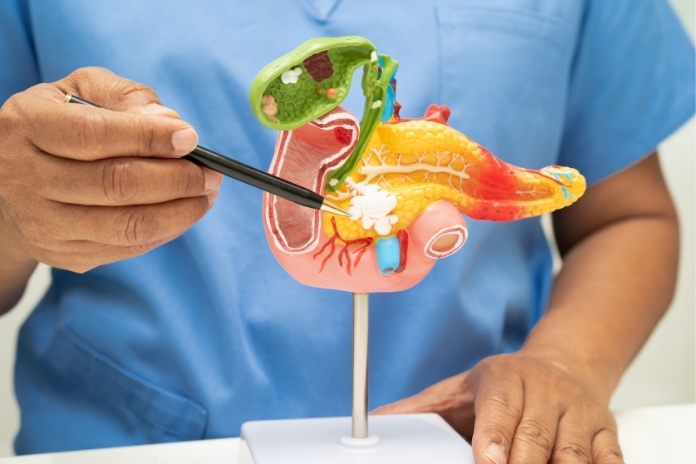
Facing a pancreatic cancer diagnosis can feel overwhelming, not just emotionally, but in terms of your body’s basic functions. The pancreas, tucked behind your stomach, plays a double role: it helps digest food and regulates your blood sugar. Cancer treatments like surgery, chemotherapy, or radiation can disrupt both. Suddenly, digestion becomes difficult, energy levels plummet, appetite fades, and maintaining weight turns into a full-time battle.
That’s where intentional diet and lifestyle choices can make a tangible difference. These changes aren’t about following a rigid diet plan; they’re about giving your body the best possible foundation to absorb nutrients, manage fatigue, and maintain strength and comfort.
Small shifts, like choosing easy-to-digest protein, pacing yourself with meals, staying hydrated, incorporating gentle movement, and managing stress, can improve recovery, reduce side effects, and enhance your quality of life.
In the sections ahead, we’ll tackle how to eat and move wisely after a diagnosis, including tips post-surgery and strategies for enzyme deficiency, blood sugar balance, digestion, and emotional resilience. Every suggestion is rooted in medical insight, from leading cancer organizations to research, and keeps the focus squarely on what people really need: practical, evidence-based advice that fits into real life.
Why Nutrition and Lifestyle Matter After a Pancreatic Cancer Diagnosis
The pancreas isn’t a flashy organ, but it’s essential. It releases enzymes that break down fats, proteins, and carbohydrates, and it produces insulin and glucagon, hormones that keep blood sugar stable. When pancreatic cancer or its treatment disrupts these functions, the ripple effects are immediate: food doesn’t digest properly, nutrients aren’t absorbed efficiently, and blood sugar can swing unpredictably.
If you’re living with cancer, your doctor will be able to suggest the best eating pattern for you and your condition. They will also be able to discuss your treatment plan and how diet may affect your cancer. Being flexible with what you eat and how much you eat can help combat side effects, says dietitian Joseph Dowdell, RDN, LD. While it’s important to focus on healthy foods, it’s also important to prevent malnutrition while you’re living with cancer.
Impact of treatment on nutrition
- Surgery (like the Whipple procedure) often removes part of the pancreas, which can significantly reduce enzyme production. Without those enzymes, food passes through the gut only partially digested, leading to bloating, greasy stools, diarrhea, or weight loss.
- Chemotherapy and radiation can add nausea, fatigue, taste changes, and appetite loss to the mix, making it harder to eat well.
- These treatments can also accelerate muscle breakdown and weaken the immune system if nutrition is inadequate.
Read More: Cancer-Fighting Recipes: Nutrient-Packed Meals for Wellness
Why Nutrition Matters?
When food is not digested or absorbed properly, the body misses out on essential calories, protein, vitamins, and minerals. Malnutrition can weaken immunity, slow wound healing, and make it harder to complete treatment. Studies from the American Cancer Society emphasize that maintaining a healthy weight and preserving muscle mass improve survival and treatment tolerance.
“Eat the rainbow” is a good rule of thumb, according to the American Cancer Society. The pigment that gives fruits and vegetables their color has ingredients that may reduce cancer risk. Aim to eat at least three different colors of fruits and vegetables each day.
Why Lifestyle Matters?
Beyond food, habits like gentle activity, rest, stress management, and avoiding alcohol or smoking all contribute to recovery. Exercise, even light walking, has been shown in cancer research to reduce treatment-related fatigue and improve mood. Meanwhile, smoking and alcohol place additional strain on the pancreas and should be eliminated to reduce the risk of complications or recurrence.
Taken together, diet and lifestyle form a powerful support system, not a cure, but a way to improve comfort, strength, and day-to-day functioning.
Diet Tips for Pancreatic Cancer Patients
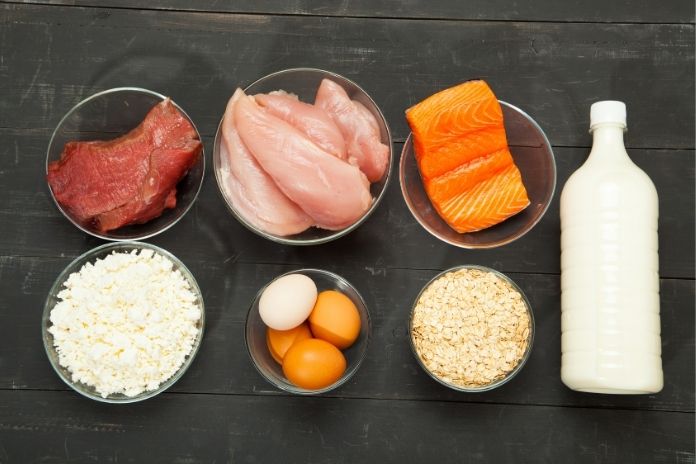
Nutrition plays a major role in how well patients cope with pancreatic cancer and its treatments. Because the pancreas helps with digestion and blood sugar regulation, changes in diet are often necessary to manage symptoms, maintain strength, and support recovery. Eating the right foods in the right way can ease digestive stress, reduce discomfort, and help the body get the nutrients it needs.
1. Eat Small, Frequent Meals
Instead of three large meals, aim for 5–6 smaller ones spread throughout the day. Large meals overwhelm a compromised digestive system and can cause bloating, cramping, or diarrhea. Smaller meals are easier to handle and keep energy steady. A mid-morning snack of yogurt, an afternoon smoothie, or a piece of toast with nut butter before bed can all help meet calorie needs without straining digestion.
2. Focus on Easy-to-Digest, Nutrient-Dense Foods
Because nutrient absorption may be reduced, every bite matters. Choose foods that are gentle on the gut but pack in protein, vitamins, and minerals:
- Lean proteins: fish, skinless chicken, eggs, tofu.
- Cooked vegetables instead of raw, since cooking softens fiber and makes them easier to digest.
- Soft fruits like bananas, peaches, or melon are less likely to irritate digestion.
- Smoothies and pureed soups for patients who struggle with chewing or swallowing.
These foods provide concentrated nutrition without adding digestive stress.
3. Include Healthy Fats in Moderation
The pancreas plays a key role in breaking down fat. After surgery or during treatment, fatty meals can trigger greasy stools and discomfort. Instead of avoiding fat completely, focus on small amounts of heart-healthy fats that provide energy and support weight maintenance:
- Avocado, olive oil, nut butters, chia or flax seeds.
- Avoid fried foods, heavy cream, or fatty cuts of meat, which are harder to digest.
Moderate intake supports nutrition without overwhelming the gut.
4. Manage Pancreatic Enzyme Deficiency
Many patients need pancreatic enzyme replacement therapy (PERT) to properly digest food. These prescription capsules contain the enzymes the pancreas can no longer make. The key is timing: they must be taken with the first bite of a meal or snack for best absorption. Skipping them can lead to diarrhea, gas, and malnutrition even if you’re eating well.
A dietitian or oncologist can help determine the right dose. Patients often report improved comfort and energy once enzymes are properly used.
5. Stay Hydrated
Dehydration is common with pancreatic cancer due to diarrhea, reduced appetite, or treatment side effects. Aim for 8–10 cups of fluid daily, focusing on water, herbal teas, diluted juices, or broths. Carbonated and sugary drinks can worsen bloating and diarrhea, while alcohol should be avoided altogether. Hydration supports digestion, circulation, and overall healing.
6. Watch Blood Sugar Levels
Because pancreatic function is often compromised, blood sugar swings are common, and diabetes can develop after treatment. Strategies include:
- Choose complex carbohydrates like whole grains, lentils, and starchy vegetables instead of refined sugars.
- Pair carbs with protein or fat to slow absorption and reduce spikes.
- Monitor blood sugar regularly if advised by your doctor.
Keep your added sugar content low to keep your weight in a healthy range and lower your cancer risk. The American Heart Association recommends no more than 24 grams of added sugar per day in women and a maximum of 36 grams per day for men.
7. Limit Processed and Red Meats
Processed meats (like bacon, sausages, deli meats) and large amounts of red meat are linked with higher risks of cancer progression and digestive discomfort. Replace them with plant-based proteins (beans, lentils, tofu) or lean meats like chicken and turkey. This not only supports digestion but also contributes to long-term cardiovascular and metabolic health.
Read More: Top 7 Nutritional Supplements for Cancer Recovery
Lifestyle Tips for Recovery and Well-being

Recovering from pancreatic cancer isn’t just about treatment; lifestyle choices play a big role in how well the body heals and how strong you feel day to day. Small, steady changes in movement, stress management, and daily habits can ease side effects, boost energy, and improve long-term outcomes. Here are some key areas to focus on:
1. Gentle, Regular Physical Activity
Movement helps maintain muscle mass, improve circulation, and lift mood. You don’t need intense workouts; light activity done consistently is more effective than pushing yourself too hard. Options include:
- Daily walks, even short ones, to keep the body active.
- Gentle yoga or stretching to improve flexibility and reduce stiffness.
- Light resistance training (like bands or small weights) if energy allows.
The key is to stop before exhaustion. Think of exercise as a tool for recovery, not performance.
Read More: Exercise and Cancer: Tailoring Workouts for Health and Energy
2. Stress Management
Emotional strain is common during and after treatment, and chronic stress can affect appetite, sleep, and immunity. To keep stress in check:
- Practice mindfulness or breathing exercises for a few minutes each day.
- Keep a journal to process emotions or track gratitude.
- Explore prayer or meditation if it fits your routine.
- Consider a support group or counseling for connection and perspective.
“Distress is a normal reaction to an extreme situation like cancer. Managing stress during treatment helps people feel more in control, conserve energy, and reduce side effects such as nausea or pain.” – Dr. Rachel Millstein, Psychologist, and Dr. April Hirschberg, Psychiatrist, Mass General Brigham Lifestyle Medicine Program
Managing stress isn’t just about calm moments; it helps your body stay resilient through recovery.
3. Maintain a Healthy Weight
Weight swings are common, but balance is important for healing.
- If losing too much weight: Work with a dietitian to increase calories with nutrient-dense snacks like smoothies, nut butters, or yogurt.
- If gaining too quickly: Avoid sugary foods that might increase weight, focus on whole grains and proteins that stabilize blood sugar.
Regular weight monitoring ensures treatment isn’t disrupted by malnutrition or metabolic issues.
4. Avoid Alcohol and Smoking
Both habits can worsen recovery and increase complications.
- Alcohol stresses the pancreas and liver, slowing healing.
- Smoking raises the risk of recurrence and weakens overall health.
Quitting both provides one of the biggest boosts you can give your recovery.
5. Prioritize Rest and Sleep
Healing takes energy, and the body repairs itself best during sleep. Aim for 7–9 hours each night. To improve the quality of rest:
- Keep a consistent bedtime and wake-up time.
- Limit screens before bed and try calming activities like reading or warm tea.
- Create a quiet, comfortable sleep environment.
Good rest strengthens the immune system, improves mood, and helps the body respond better to treatment.
Read More: Healthy Sleep Patterns: Impact on Cancer Prevention and Recovery
When to Seek Medical and Dietitian Support
Even with the best diet and lifestyle practices, professional guidance is critical. Call your healthcare team if you experience:
- Persistent diarrhea, greasy stools, or rapid weight loss.
- Signs of malnutrition (weakness, muscle wasting, or frequent infections).
- Poor blood sugar control despite careful eating.
A registered dietitian specializing in oncology can create a personalized meal plan, adjust enzyme dosing, and recommend supplements if needed. Regular follow-ups with oncologists and dietitians ensure that your nutrition strategy evolves alongside your treatment.
Emotional and Mental Well-Being
A pancreatic cancer diagnosis doesn’t just challenge the body; it deeply impacts the mind. The sudden shift in life’s normal rhythm can bring fear, uncertainty, and emotional overwhelm. Many patients experience stress, anxiety, or depression alongside their physical struggles, and these mental health challenges can influence appetite, digestion, and overall recovery. That’s why caring for the mind is just as important as caring for the body during this journey.
One of the most effective ways to protect emotional health is through stress management practices. Techniques such as meditation, deep breathing, and gentle yoga can calm the nervous system, reduce tension, and help the body cope better with treatment side effects. Even setting aside just 10 minutes a day for mindfulness can improve mood, stabilize emotions, and encourage better sleep, all of which play a role in supporting the immune system.
For those who prefer less structured approaches, listening to calming music, journaling, or walking in nature can also serve as powerful tools for easing stress. The key is finding something that feels natural and sustainable rather than forcing a routine that adds more pressure.
Writing allows you to process your own story, to share challenging thoughts on the page that you don’t want to speak aloud. “Narrative writing helps people cope with the existential concerns that come up with cancer, like the fear of death, sadness over pain and fatigue, and their changing roles in relationships,” says William Breitbart, M.D., Chief of Psychiatry at Memorial Sloan Kettering Cancer Center in New York.
Building Strong Support Systems

Equally important to emotional resilience is having a reliable circle of support. Family and friends often become the anchor that keeps patients grounded during treatment. Simple acts like accompanying someone to appointments, preparing meals, or just being present can make a huge difference in how supported a patient feels.
Professional counseling also plays a valuable role. It provides a safe space to process feelings that may feel too heavy to share with loved ones. Many cancer treatment centers offer access to psychologists or therapists trained in oncology support who can help patients work through complex emotions.
Support groups are another lifeline. Connecting with others who are navigating similar experiences reduces feelings of isolation and fosters a sense of belonging. Patients often find strength in sharing struggles and victories with people who truly understand. Whether in-person or online, these communities offer encouragement and practical coping strategies.
Caregivers are part of this equation, too. Their encouragement and compassion significantly ease a patient’s mental burden, but they must also look after their own well-being. Respite care, counseling, or joining caregiver support groups can prevent burnout and create a healthier balance.
Emotional resilience doesn’t mean never feeling anxious or sad; it’s about learning to manage those feelings and move forward. Patients who cultivate realistic hope, celebrate small wins, and maintain strong emotional connections often report a better quality of life, even during treatment.
Final Takeaway
Life after a pancreatic cancer diagnosis isn’t just about medical treatment; it’s about learning to live differently, with new rhythms and mindful choices. It’s an adjustment of body, mind, and spirit. While the diagnosis itself can’t be changed, how you respond to it makes a powerful difference. Small but intentional shifts in diet and lifestyle can ease discomfort, rebuild strength, and bring back a sense of stability in the midst of uncertainty.
Simple steps matter: eating smaller but nutrient-rich meals, taking enzymes at the right time, staying hydrated, balancing blood sugar, and moving your body gently all help reduce symptoms and restore energy.
Just as important are the choices beyond food, managing stress, permitting yourself to rest, and avoiding habits like smoking or drinking that put extra strain on the body. Together, these habits form not just a care routine but a holistic foundation for resilience and healing.
Above all, remember this: you don’t have to face it alone. A strong partnership with your healthcare team, especially dietitians, can turn generic advice into a personal roadmap for your unique needs. Pancreatic cancer may reshape your body and routines, but it does not take away your ability to live with strength, dignity, and purpose. With the right support and tools, you can reclaim control, one meal, one choice, one day at a time.
References
- https://www.hopkinsmedicine.org/health/conditions-and-diseases/pancreatic-cancer/pancreatic-cancer-nutrition
- https://pmc.ncbi.nlm.nih.gov/articles/PMC4924449/
- https://www.pancreaticcancer.org.uk/information/managing-symptoms-and-side-effects/diet-and-pancreatic-cancer/
- https://letswinpc.org/disease-management/diet/nutrition-what-to-eat/
- https://pmc.ncbi.nlm.nih.gov/articles/PMC3907069/
- https://pancare.org.au/cancer/pancreatic-cancer/pancreatic-cancer-diet-nutrition/
- https://pancan.org/news/5-things-to-know-about-nutrition-after-pancreatic-cancer-diagnosis/
- https://www.sciencedirect.com/science/article/pii/S0959804920313770
- https://www.trovanow.com/5-lifestyle-changes-to-make-after-pancreatic-cancer-diagnosis/
- https://www.aicr.org/news/pancreatic-diet-tips-for-cancer-american-institute-for-cancer-research/
- https://www.mayoclinic.org/diseases-conditions/pancreatic-cancer/diagnosis-treatment/drc-20355427
- https://www.cuh.nhs.uk/patient-information/pancreatic-cancer-nutrition-activity-and-improving-the-way-you-feel/
- https://pancan.org/facing-pancreatic-cancer/living-with-pancreatic-cancer/diet-and-nutrition/after-a-whipple-procedure/
- https://ar.iiarjournals.org/content/34/1/9
- https://www.farnorthsurgery.com/blog/how-can-nutrition-support-patients-with-pancreatic-cancer
- https://www.cancerresearchuk.org/about-cancer/pancreatic-cancer/living-with/diet
In this Article