











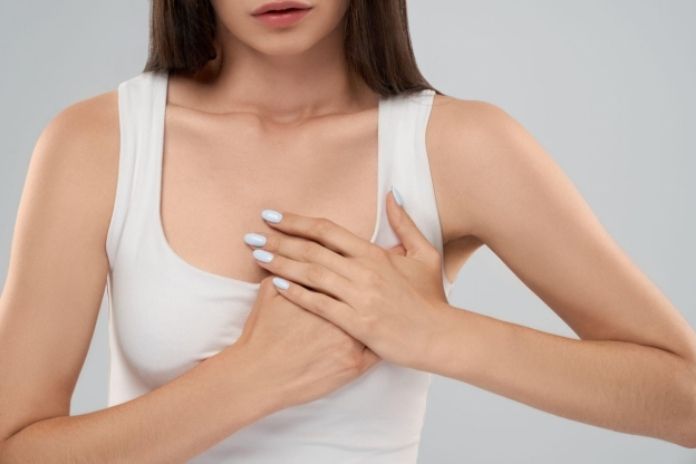
Many women notice darkening of skin under the breasts and immediately think it is poor hygiene, sweat, or “normal pigmentation.” But skin in this fold area behaves differently from the rest of the body. It reacts faster to friction, moisture, hormones, and even blood sugar changes.
Not every dark patch is the same. Some are metabolic signals. Some are inflammation. Some are infections. And they can overlap, making confusion more common than clarity.
This article is not intended to scare you. It’ll help you observe your skin with logic, not guesswork. The aim is simple; when you look at that patch under the breast, you should have a fair idea what category it may fall into before you decide what to do next.
Why the Skin Under Your Breasts Changes Color
Before discussing diseases, we must understand the environment of the skin.
Skin folds are biologically designed to be warmer, more humid, and under constant friction. Sweat evaporates slowly here. The fabric rubs repeatedly. Skin touches skin for hours.
Under-breast skin has the following:
- More sweat retention
- Frequent friction from bras and movement
- Less air circulation
- Higher microbial growth chances
- Stronger response to hormonal changes
When irritation or internal imbalance continues for weeks or months, the skin protects itself by thickening or increasing pigment. That is why color change happens; it is often a defense reaction, not just cosmetic.
This is why two women with the same color patch may have completely different causes.
Now, let us separate the three most commonly confused conditions, not just by appearance, but by biological reasoning.
Read More: Effects of Aging on the Skin: What Happens Over Time and How to Slow…
1. Acanthosis Nigricans: The “Velvety” Dark Patch
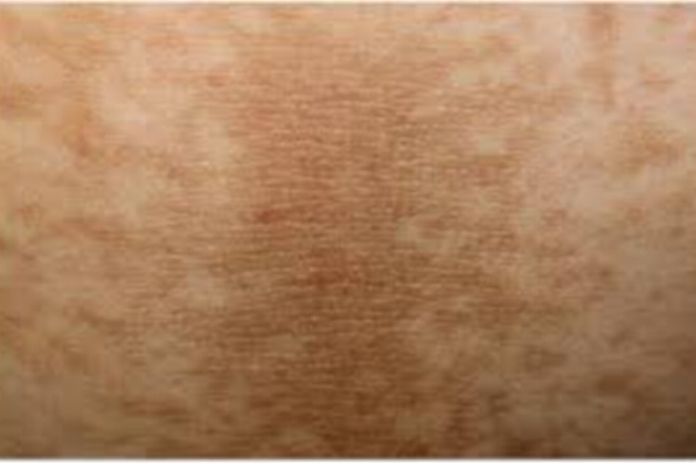
How It Looks and Feels
This is not a rash. It is more like a texture change.
- Skin becomes darker gradually, not suddenly
- The surface feels thicker and slightly raised
- Often described as velvety or suede-like
- No burning, no redness
- Usually symmetrical on both sides
It does not peel. It does not itch much. The color looks “settled” into the skin rather than inflamed. Many women ignore it for years, thinking it is “normal pigmentation.”
Why It Happens
This condition is mostly linked to insulin resistance. When insulin levels remain high in the blood, it stimulates skin cells to multiply faster. That causes thickening and darkening.
It is commonly seen in:
- Pre-diabetes
- Polycystic ovary syndrome (ovaries produce excess male hormones)
- Obesity
- Thyroid imbalance
- Family history of diabetes
It may also appear on the neck, armpits, groin, and elbows. The under-breast area is a common location because skin folds react faster to hormonal signals.
How It’s Treated
Creams alone do not work well because the root cause is internal. Management usually includes:
- Blood sugar regulation
- Weight reduction
- Treating hormonal imbalance
- Mild exfoliating creams, if advised
When insulin improves, pigmentation may reduce slowly. But it takes time, months, not days.
Read More: 10 Healthy Drinks That Can Boost Your Skin & Hair Naturally
2. Intertrigo: The Red, Raw Friction Rash
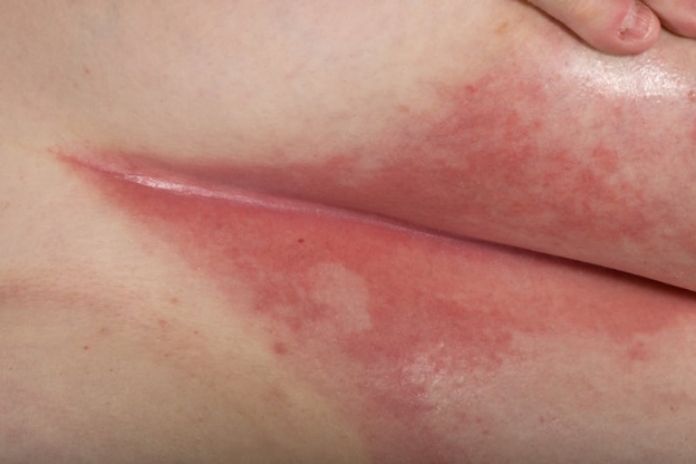
How It Looks and Feels
Intertrigo is irritation first, pigmentation later.
- Red or pink rash at the start
- Burning sensation common
- Skin may look raw or shiny
- Can develop a mild odor
- Later may leave darker marks
Pain while sweating or walking is common.
Why It Happens
When skin surfaces rub repeatedly in moist conditions, the outer protective barrier breaks down. This leads to inflammation. Once inflammation continues for days or weeks, secondary infections, such as fungal or bacterial infections, may occur.
Triggers include:
- Tight bras
- Heavy sweating
- Larger breast size
- Humid weather
- Poor air circulation
- Prolonged use of damp clothing
- Higher body weight
Everyday habits can quietly prolong moisture exposure without people realizing it, especially around workouts.
“Some people also don’t cool down from their workout before a shower and are still sweating when they’re done showering, prolonging their exposure to moisture and predisposing them to a rash,” says Dr. Lori Benjes, a dermatologist with Harvard University Health Services. “We want you to exercise, but getting out of sweaty clothing immediately after your cool-down needs to be a priority.”
In skin folds like under the breasts, this lingering moisture accelerates friction damage and makes intertrigo more likely, particularly in humid climates or with tight sports bras.
How It’s Treated
Treatment focuses on dryness and reducing friction. Common approaches:
- Keeping the area dry
- Barrier creams
- Antifungal powders, if infection is suspected
- Wearing breathable fabrics
- Short-term medicated creams if severe
Early action prevents pigmentation from becoming long-term.
Read More: Why Is My Skin Suddenly Very Dry Even Though I Use Moisturizer
3. Ringworm (Tinea Corporis): The Circular Itchy Rash
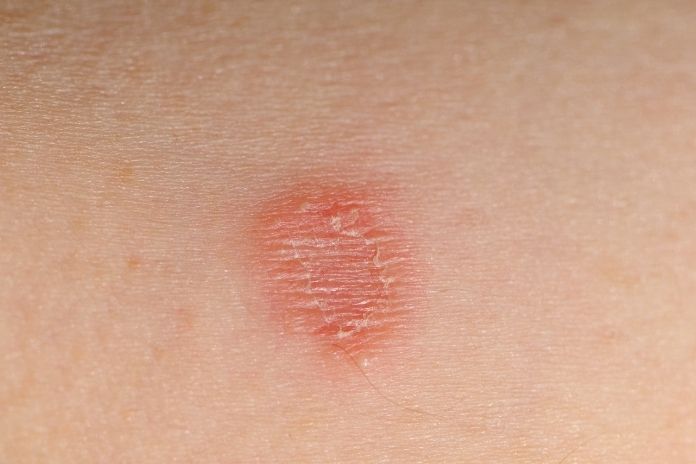
How It Looks and Feels
This one has a very distinct pattern.
- Circular or ring-shaped patch
- Edges are redder than the center
- Itching is strong
- May spread outward slowly
- Sometimes flaky borders
It often starts small and enlarges to the surrounding tissues. The border is active. The center may appear healed while the edge expands.
Why It Happens
Ringworm is a fungal infection. Warm and moist skin folds are ideal for fungal growth. Risk increases with:
- Sweating
- Scratching
- Sharing towels
- Tight clothing
- Poor drying after bath
- Gym or public surfaces
It is contagious and can spread to other body parts.
How It’s Treated
Antifungal treatment is necessary.
- Topical antifungal creams
- Keeping the area dry
- Regular washing of bras and fabrics
- Avoid tight synthetic materials
- Avoid steroid creams unless prescribed
- Continue treatment even after the rash fades
Stopping early often leads to recurrence.
Read More: How to Fade Dark Spots From Pimples: Dermatologist-Approved Treatments
How to Tell Them Apart at Home
 Observation over days gives more clues than a one-time inspection.
Read More: 17 Effective Home Remedies and Treatments for Ringworm
When to See a Doctor
You should not delay medical opinion if:
- The patch spreads rapidly
- Severe itching disrupts sleep
- Pain or pus appears
- No improvement after home care
- Sudden darkening with weight gain
- Family history of diabetes
- Recurring ring-shaped patches
Dermatologists and breast specialists emphasize that changes under the breast should not be ignored when they escalate quickly.
“A persistent redness with thickened skin that covers at least one-third of the breast and is getting worse quickly should be a sign to seek immediate medical attention,” says Dr. Manpreet Chadha, MD, a breast medical oncologist.
While most under-breast skin changes are benign and related to friction, infection, or metabolic shifts, rapid progression or extensive involvement needs professional evaluation to rule out less common but serious conditions.
Read More: Ringworm Explained: Causes, Symptoms, Stages, and the Best Diet for Faster Healing
Prevention and Skin Care Tips
Prevention here is more about environmental control than beauty care.
- Dry the fold gently after bathing
- Use soft cotton bras
- Use talc-free absorbent powders
- Avoid tight elastic bands
- Avoid perfumed soaps
- Change sweaty clothes quickly
- Maintain stable body weight
- Monitor blood sugar if risk factors exist
- Avoid random steroid creams
Consistency matters more than intensity.
Read More: Why Is My Baby’s Neck Turning Dark? Common Reasons Explained
Final Thoughts
Skin under the breasts is often ignored until it becomes uncomfortable. But this area acts like a mirror, reflecting metabolic stress, mechanical irritation, or infection. Velvety patches usually signal metabolic changes. Red moist rashes suggest friction and yeast. Circular, itchy lesions indicate fungal infection.
The important thing is not to self-label everything as pigmentation. Texture, sensation, and pattern always give better diagnostic clues than color alone.
When women understand their skin signals and changes early, treatment becomes simpler and outcomes better.
- Skin folds act as early indicators of metabolic imbalance; this area deserves more clinical research.
- Texture changes often provide more diagnostic value than color alone.
- Friction-related rashes can later turn into long-term pigmentation if ignored.
- Fungal infections in body folds are underreported due to embarrassment.
- Limited dermatology studies focus specifically on inframammary skin changes in women across different metabolic profiles.
FAQs
1. Can sweating alone cause dark skin under the breasts?
Sweating mainly causes irritation first. Long-term friction with inflammation may lead to pigmentation.
2. Is it safe to use home remedies like lemon or baking soda?
These can worsen irritation. Skin folds are sensitive and react strongly to harsh substances.
3. Does weight loss reduce pigmentation?
If linked to insulin resistance, gradual improvement may happen with weight reduction.
4. Can ringworm heal without treatment?
It may reduce temporarily but usually spreads if untreated.
5. Should I stop wearing bras if I have a rash?
Not necessary. Switching to breathable, well-fitted bras helps prevent recurrence.
References
- Cleveland Clinic. (2021, August 24). Intertrigo: What Is It, Causes, Symptoms & Treatment. Cleveland Clinic.
- Cleveland Clinic. (2022, October 21). Ringworm (Tinea Corporis): What It Looks Like, Causes & Treatment. Cleveland Clinic; Cleveland Clinic.
- Hughes, E. K., Brady, M. F., & Rawla, P. (2023). Acanthosis nigricans. Nih.gov; StatPearls Publishing.
In this Article