














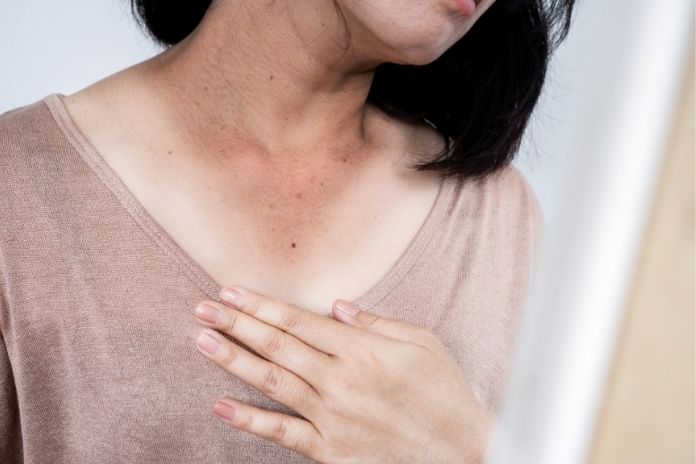
We’re all guilty of neglecting to take care of our necks until our mirror suddenly points out a dark patch that we didn’t even notice before. While dark neck pigmentation isn’t dangerous, a mismatch between your face and neck tone can feel unsettling and affect confidence.
However, this change in skin color can, in some instances, be more than just a cosmetic issue: it can indicate a health problem. A common condition that can produce dark, thick, velvety patches on the neck or other body folds is called acanthosis nigricans.
This condition often indicates an underlying hormonal or metabolic problem, most commonly insulin resistance, that can emerge even before diabetes is diagnosed. With good skincare and lifestyle adjustments, this can be managed and improved.
This article breaks down what’s happening under the skin, key contributing factors, and the lifestyle steps and tests that help uncover and manage the cause.
Read More: Why Your Neck Hurts: Uncovering Hidden Causes
Why Your Neck Is Darkening — Even Without Diabetes
You’re not alone if you’ve seen dark, velvety areas on your neck that are resistant to everyday skincare products. Acanthosis nigricans is the medical term for these patches, which are very common in skin folds around the neck, armpits, groin, and knuckles, and affect millions of individuals globally. Although these brown-to-black patches may appear to be a cosmetic concern, they often indicate significant changes occurring within your body.
These patches may be light brown or darker, with a characteristic rough or velvety feel. They remain after you wash off the dirt, and, unlike freckles and tans, they slowly grow over months to years. It is essential to know how they arise and what they indicate regarding health, so we can get rid of them and prevent them.
About 90% of instances of acanthosis nigricans are caused by insulin resistance, making it the most common cause. Your pancreas produces extra insulin to make up for decreased sensitivity in your cells to the hormone. Increased insulin levels cause keratinocytes and dermal fibroblasts, skin cells, to proliferate rapidly, giving the skin its distinctive thickness and darkening.
Understanding Acanthosis Nigricans (AN)
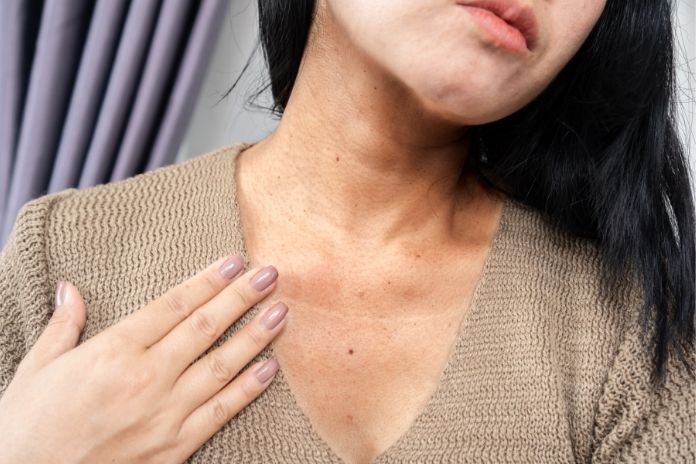
Dark, velvety patches can appear on the neck, armpits, groin, and other skin folds due to acanthosis nigricans. It may also show up on the cheeks, knees, elbows, and hands. The affected skin may feel rough, thick, and even irritated. Although anyone can get this condition, people who are overweight, have insulin resistance, or have type 2 diabetes are more likely to get it.
Other Non-Diabetic Causes of a Dark Neck
Unhygienic Cleansing: Dirt, sweat, and dead skin may cause the neck to get dark and thickened.
Exposure to Sunshine: Melanin formation in response to gradual UV light exposure results in tanning and a darker neck.
Friction: Constant rubbing from a necklace, collar, or synthetic cloth may irritate the neck, making it appear dark.
Overuse of Products: Some fragrances, deodorants, and lotion ingredients can irritate and darken the neck.
Insulin Resistance & Obesity: Acanthosis nigricans is the medical term for the darkening and thickening of the skin around your neck due to increased insulin levels. This elevated insulin level causes cells on the skin’s surface to multiply faster than usual.
Hormonal Disorders: Thyroid issues, PCOD, and other hormonal disorders can result in neck darkening.
Heredity: Certain people may inherit hyperpigmentation of the neck.
Read More: How To Get Rid Of Neck Pain? 14 Effective Remedies And Exercises
Why It Happens Despite “Normal” Blood Sugar

Even though their blood sugar readings appear to be perfectly normal, many people experience confusion when they start to develop a dark neck. Your cells stop reacting to insulin effectively in the early stages of insulin resistance. Your pancreas compensates by producing more insulin to keep the blood sugar levels within the normal range.
This quiet imbalance may take years before lab results ever mention diabetes. A high level of circulating insulin during this period may cause skin cells to proliferate and produce more pigment, leading to acanthosis nigricans, which is often observed on the neck.
How to Confirm the Hidden Cause
It is crucial to see a dermatologist or skin specialist because pigmentation may be a sign of an underlying illness. The consultation could consist of:
- Complete review of medical history
- Blood work or tests to assess thyroid issues, insulin levels, or other issues
- Determining whether certain drugs might be a factor
- Evaluating any symptoms that go beyond the skin
Seeing a doctor is also necessary to get an accurate diagnosis and choose the best course of action.
Read More: How to Treat a Rash on the Neck
How to Treat and Prevent Further Darkening
Prevention
The skin at the base of your neck receives the same amount of wear and tear as the skin on your face. To avoid the skin from becoming too oily or dirty, be sure it gets the same care and thorough cleansing.
Never forget to scrub the back of your neck every morning with a mild face soap and the toilet preparations recommended by your physician.
- Sun exposure can cause pigmentation and darkening of the neck, so always remember to wear sunscreen there.
- Avoid wearing clothes that are too tight around the neck since they can collect dirt and perspiration. Instead, opt for relaxed, cozy necklines that let the skin breathe.
- Maintaining a healthy weight and following a balanced diet can help prevent dark neck, as obesity and insulin resistance are the major contributors to the illness.
- Managing blood sugar levels and getting frequent checkups can help avoid diabetes and PCOS in people who already have these problems.
- Wearing a wide-brimmed hat, which can provide additional protection for your neck whenever you’re out in the sun, helps prevent further UV radiation-induced darkening of the skin.
- Preventing dark pigmentation around your neck can be achieved with a little extra attention.
Treatment
If you are worried about a dark neck, there are several neck dark removal treatment options available for consideration. The right choice will all depend on the underlying cause and severity of the condition.
Below is an overview of some of the more effective treatment options:
Laser Toning: Laser skin toning can treat persistent dark pigmentation on the neck and other hyperpigmented areas. With the Q-switched Nd: YAG laser, the extra melanin in the skin is shattered and disintegrated. It is the best treatment for people who have tried every available method and still have not improved.
Chemical Peel: For dark necks, chemical peels can be highly effective for removal. This condition, which reveals brighter, clearer skin by peeling the epidermis’s surface layer, is often treated with glycolic acid, salicylic acid, or a stronger trichloroacetic acid peel, depending on the strength and number of peels.
Topical Exfoliants and Creams: Over time, topical lotions and creams containing hydroquinone, retinoids, kojic acid, azelaic acid, and alpha-hydroxy acids (AHAs) may help lighten skin. They encourage the turnover of skin cells and block melanin production.
Microdermabrasion: People who want the pigmented appearance to look its best can enhance it with this non-invasive, painless exfoliation procedure performed by a skilled provider to freshen and improve the skin’s surface. Youcan achieve the best results if you have the procedure reapplied every 2-4 weeks, or as recommended by your dermatologist.
When to See a Doctor

If you’ve observed:
- Skin that thickens or becomes velvety.
- The affected skin changes color quickly.
- Additional signs include skin tags, thinning eyelashes, or inexplicable exhaustion.
Making an appointment with a skin specialist is usually a good idea.
Read More: 6 Yoga Poses to Relieve Neck Pain and Stiffness
Conclusion
A neck that’s darker and doesn’t go away could be a sign of an internal problem that is worse than aesthetic concerns. It is more common for insulin resistance to show in acanthosis nigricans. Still, the latter can also be due to hormonal imbalance, drug side effects, heredity, or, very rarely, a serious condition.
Knowing it’s not a hygiene problem removes much of the stress and guilt around the condition. Listening to what your body is telling you is the most crucial step.
References
- TOI Lifestyle Desk. (2025, August 30). Dark ring around the neck: A silent sign your body should not ignore.
- Nall, R. (2023, July 17). Causes and treatment of a black neck.
- SiPhox Health. (2025, August 5). Why do I have dark patches on my neck?
- UMass Memorial Health. (2026). Understanding acanthosis nigricans.
- Bakersfield Dermatologist. Understanding acanthosis nigricans: What you need to know.
- Perfect Skin Solutions. (2025, August 28). Understanding pigmentation on neck: Causes & treatment options
- Mayo Clinic Staff. (2025, April 30). Acanthosis nigricans: Symptoms & causes.
- Cleveland Clinic. (2021, February 11). Acanthosis nigricans: Causes, diagnosis & treatment.
- Radhakrishnan, R., & Shaikh, J. How do you get rid of a dark neck?
In this Article