










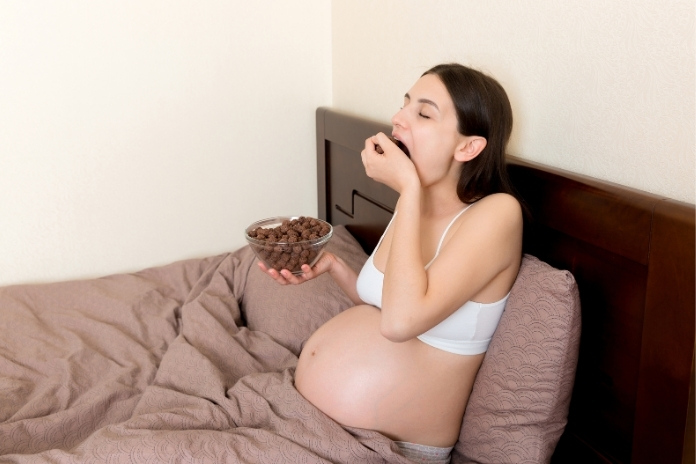
It is pretty standard for expectant mothers to experience a greater craving for sweets, and chocolate is often at the top of the list.
However, you may wonder if it’s okay for you and your child to indulge in dark chocolate. When consumed in moderation, chocolate is generally considered safe for most pregnant women. Antioxidants, which are abundant in it, support heart health. Eating dark chocolate can help elevate your mood.
According to one study, consuming chocolate may help the fetus grow and develop. Consuming small amounts of dark chocolate during the first trimester can improve placental function. However, you shouldn’t eat too many, as it may elevate your caffeine levels and be harmful to your fetus.
In this article, we will discuss the benefits of consuming dark chocolate during pregnancy, as well as any potential drawbacks. To enjoy your favorite delicacy worry-free, you will also learn about the suggested limitations. Let’s explore the facts regarding dark chocolate during pregnancy that every expectant mother should be aware of.
Read More: Pregnancy Guilt and Emotional Overwhelm: What’s Normal and What’s Not
Why Dark Chocolate Is Different From Milk Chocolate
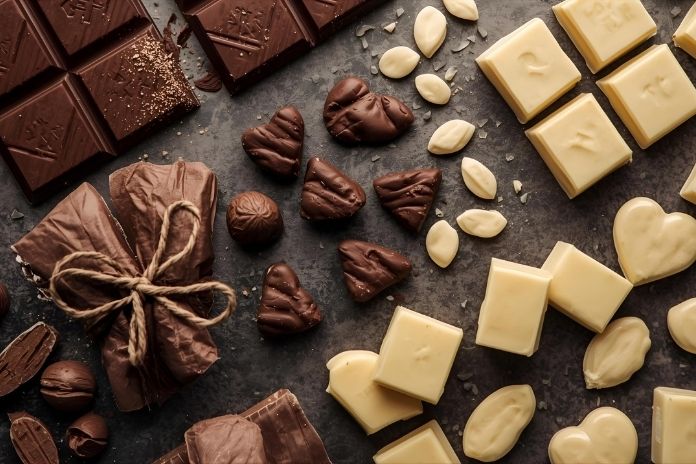
It’s normal to have doubts about the foods you eat throughout pregnancy, particularly when cravings start to appear. Is dark chocolate safe to consume while pregnant? It is a frequently asked question. Knowing the differences between dark chocolate and milk chocolate, which you may be more familiar with, will help you answer that question.
For many people, chocolate is a sinful pleasure. Chocolate is a popular choice due to the variety of applications it can be used for, such as topping hot fudge over sundaes, coating our favorite fruits, or enjoyed by the bar. However, did you realize that some chocolate varieties may be healthier than others?
Ingredients are the primary distinction between milk and dark chocolate. Chocolate and cocoa are made using ingredients from cacao plants. Compared to milk chocolate, dark chocolate has a significantly higher cacao content.
Milk chocolates typically contain 10–50% cacao, while dark chocolates can contain 50–90%. The variation in the proportion of cacao explains the difference in taste between the two. Generally speaking, milk chocolate tends to be sweeter than dark chocolate.
The milk content of the chocolates also varies. For milk chocolate to be called “milk chocolate,” it must have a minimum of 12% milk solids. The milk may come in liquid, fat, or powder form. Dark chocolate, on the other hand, is milk-free. Instead, chocolatiers smooth the chocolate using cocoa butter, which comes from the cocoa bean.
“Dark chocolate does not contain milk or milk solids, and dark chocolate is typically lower in added sugars,” said registered dietitian Camille Finn, N18, who was a dietetic intern at Frances Stern Nutrition Center at Tufts Medical Center.
“As the cacao percentage increases, the chocolate becomes stronger in flavor and contains more compounds from the cocoa beans that may be beneficial,” Finn said.
Benefits of Dark Chocolate During Pregnancy

There might be potential advantages of consuming moderate quantities of dark chocolate in your pregnancy diet. Some minerals and compounds found in chocolates that are high in cocoa content can assist in improving your overall health during pregnancy. The benefits of dark chocolate include the following:
Rich in Antioxidants: Dark chocolate is high in flavonoids, and these antioxidants can reduce damage to the cells in the body caused by free radicals. Potential benefits may also include a reduced risk of health problems during pregnancy, such as preeclampsia, and improved overall heart health.
Regulates Blood Pressure: One component of cocoa, called theobromine, may help regulate blood pressure in pregnant moms by dilating blood vessels.
Reduces Stress: As stress can develop during pregnancy, dark chocolate offers benefits through its bioactive constituents, previously mentioned, which help reduce stress-related hormones, such as cortisol. Another way of consuming it is therapeutic and comforting.
Protects against Heart Disease: The antioxidant effects of dark chocolate can also help protect against heart disease and generally improve cardiovascular system effects. Darker chocolate with a higher cocoa content may offer more health benefits, specifically for heart health.
Stimulates Blood Flow: Flavonoids in dark chocolate may help improve circulation and blood flow, thereby delivering more oxygen to both you and the developing child, while also enhancing cardiovascular health.
Controls Cholesterol: Dark chocolate is low in fat and sugar, and its flavonoids improve maternal health by reducing the oxidation of bad cholesterol, increasing good cholesterol, and stabilizing blood sugar levels. Flavonoids can also improve blood flow by improving the elasticity of blood vessels.
Good sources of Magnesium and Iron: Approximately 100g of dark chocolate provides 55% of the required daily intake, for example, about 67% of the daily iron intake. Iron is needed frequently during pregnancy to help maintain stable levels of hemoglobin. Magnesium also serves a greater purpose in helping to process fats into fuel.
Read More: Anemia in Pregnancy: 6 Prenatal Vitamins to Support Healthy Iron Levels
Risks of Eating Too Much Dark Chocolate in Pregnancy
Though dark chocolate is typically safe, there are a few cautions to consider:
High Caffeine: You may want to monitor your caffeine intake. Keep in mind that taking more than a total of 200 mg daily may result in miscarriage. Dark chocolate contains 31 mg of caffeine in a 1.5-ounce piece, so when, in addition to the chocolate, you have tea, coffee, or other liquids, you could easily exceed or approach 200 mg.
Weight Gain: Consuming excessive calories during pregnancy can lead to unnecessary weight gain, so it’s essential to be mindful of portion sizes. These provisions also apply to chocolate and chocolate-derived products, including cocoa butter. You should consume them in moderation because they can increase fat and calorie intake, potentially leading to excessive weight gain.
In the end, if you gain too much weight, you are at a higher risk of varicosities, gestational diabetes, hypertension, and cesarean delivery.
Heartburn Aggravator: Heartburn is a common discomfort during pregnancy, and it can be exacerbated by eating chocolate.
Blood Pressure: Excessive consumption could affect your blood pressure because of the elevated caffeine levels.
Allergic Response: Some individuals may experience rashes and gastrointestinal issues when consuming dark chocolate due to an allergic reaction.
How Much Dark Chocolate Is Safe in Pregnancy?
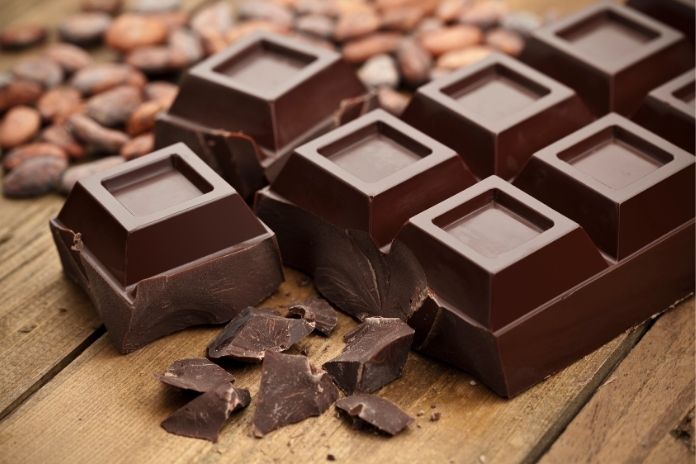
Pregnancy cravings are entirely normal, but moderation is key, especially when you find yourself craving chocolate. Many mothers wonder how much dark chocolate is safe to eat while pregnant.
Chocolate is good for you because of the percentage of cocoa it contains. Darker chocolate will be more beneficial for both mother and baby. Milk chocolate is less ideal during pregnancy because it is mostly sugar, but that does not necessarily mean it is banned.
Research at Yale showed that chocolate could decrease the risk of pre-eclampsia by 70%. It could be related to the presence of theobromine, a diuretic, cardiotonic, and vasodilator.
We recommend consuming 30 grams of dark chocolate, starting in the first trimester, to help manage episodes of poor circulation and high blood pressure. Chocolate is also known to increase serotonin and endorphins in the brain, which help regulate mood and reduce stress.
If you love chocolate, there is no reason not to enjoy dark chocolate while pregnant, as long as it is of good quality, in moderation, and part of a nutrient-rich diet. In conclusion, eating chocolate while pregnant is very permissible.
Read More: I Ate an Anti-Inflammatory Diet During Pregnancy — My OB Was Shocked
Best Ways to Enjoy Dark Chocolate While Pregnant
You don’t have to forgo your favorite foods during pregnancy; you can make wise choices:
- If you eat chocolate, opt for dark chocolate (preferably 72% or higher cocoa content). Avoid white chocolate or milk chocolate.
- Check the ingredient list to avoid the potentially harmful additives, excessive sugar, or unhealthy fats (including both trans fat and saturated fat).
- If you do eat chocolate, avoid it when it contains saturated or trans fats or artificial sweeteners.
- Use high-quality chocolate and cocoa beans from a sustainable source.
- When selecting chocolate, consider your nutritional needs as well as any potential allergy or intolerance.
- Consult with a good, qualified healthcare provider who specializes in prenatal nutrition and nutrition for expectant mothers.
When to Limit or Avoid Dark Chocolate
While pregnant women can enjoy dark chocolate as a healthy indulgence, they should consume it in moderation. There may be certain circumstances where limiting or avoiding it is preferred.
For instance, if you have gestational diabetes, the sugar or calorie content of chocolate may not meet your requirements for blood sugar stabilization. Caffeine and theobromine in dark chocolate may also exacerbate your pre-existing high blood pressure.
Some women may experience side effects from dark chocolate, such as migraines, acid reflux, and/or heartburn. Listening to your body pays off when you consume a treat, as pregnancy may exacerbate some of these symptoms.
Read More: Is It Safe to Follow a Vegan Diet During Pregnancy? What Experts Want You to Know
Conclusion
Benefits may come from incorporating moderate amounts of dark chocolate into your diet during pregnancy. Due to its high nutrient density, antioxidants, mood-enhancing properties, increased blood flow, and potential for stress relief, it can be a satisfying snack. Although it does have some nutritional benefits, dark chocolate can be a healthier option than many sugary snacks you might consume.
While having dark chocolate in moderation can be a delicious and nutritious treat while you are pregnant, having too much dark chocolate can be harmful.
The key is moderation, which means eating small amounts of higher-quality dark chocolate a few times per week and considering caffeine from other sources as well.
Every pregnancy is unique, so it is always best to discuss your diet with your OB-GYN throughout its duration. Work the insight from your doctor and moderate your chocolate intake, and dark chocolate can be included in your healthy pregnancy evolution.
References
- https://www.babycenter.com/pregnancy/diet-and-fitness/is-it-safe-to-eat-a-lot-of-chocolate-during-pregnancy_1245156
- https://www.momjunction.com/articles/amazing-benefits-of-eating-chocolates-during-pregnancy_0081419/
- https://www.eurekalert.org/news-releases/707618
- https://now.tufts.edu/2023/02/14/dark-chocolate-healthier-milk-chocolate
- https://www.linkedin.com/in/camille-finn
- https://longevity.technology/clinics/5-potential-side-effects-of-dark-chocolate-you-should-know/
- https://www.madeformums.com/pregnancy/is-chocolate-safe-to-eat-when-pregnant/
- https://www.healio.com/news/womens-health-ob-gyn/20230327/limit-dark-chocolate-consumption-in-pregnancy-to-avoid-excess-heavy-metals
In this Article