












Chocolate is something most of us love. Grabbing a bar of chocolate after a meal is one of my favorite things to do. And especially the dark one. Dark chocolates are what we usually find in several desserts. But do you know it can be a healthy addition to your diet? So much so that dark chocolate can promote your heart health. Confused? Read further!
Chocolate and well-being are not typically linked. Chocolate is typically a guilty indulgence. However, it is not just a sweet dessert filled with sugar and calories. Increasing scientific evidence indicates that dark chocolate is an unusual exception. While milk or white chocolate offer nothing, dark chocolate boasts a rich content of cocoa flavanols and antioxidants that can help improve cardiovascular well-being and circulation.
Recent research has shown that dark chocolate may offer several potential benefits, including improved blood vessel function and the ability to regulate blood pressure. Scientists have noted links between daily dark chocolate intake in moderation and lower risks for heart disease, stroke, and other cardiovascular-related disorders.
This article examines the effects of dark chocolate, the findings of relevant research, and safe consumption practices for the heart.
Read More: How to Strengthen Your Arteries Naturally: What Doctors Suggest for Better Heart Health
Why Dark Chocolate Stands Out

Dark chocolate is very different from milk or white chocolate. Dark chocolate’s principal ingredient is cocoa, which is derived from cocoa beans that naturally contain high levels of flavanols, the bioactive compounds with strong antioxidant properties. Flavanols are believed to have beneficial effects on cardiovascular health through improved blood vessel function, reduced inflammation, and free radical scavenging.
Compared to milk chocolate or white chocolate, dark chocolate contains a higher percentage of cocoa ( a minimum of 70%) and less milk solids and sugar. Therefore, it is a more nutritionally dense option for someone interested in promoting heart health. A typical serving provides magnesium, iron, potassium, and fiber. These healthy compounds support heart function, enhance nerve signals, and promote metabolism.
Due to its nutrient composition and flavanol content, the heart health benefits of dark chocolate are increasingly evident. It is no longer a guilty indulgence; it can be part of a heart-smart diet if consumed in moderation.
How Dark Chocolate Affects Circulation

Here’s how dark chocolate affects circulation:
Flavanols & Nitric Oxide:
One of the most significant ways dark chocolate supports circulation is through the production of flavanols and the release of nitric oxide. Flavanols induce the endothelium, the inner lining of the arteries, to release nitric oxide, a chemical that instructs the arteries to relax and dilate. The dilation increases flow, reduces blood vessel resistance, and keeps blood pressure at a healthy level.
Increased nitric oxide release is critical for cardiovascular function. In addition to maintaining circulation, it reduces the workload on the heart, promoting oxygen delivery to the rest of the body. Moderate amounts of high-flavanol dark chocolate consumed every day have been shown in some studies to lead to modest but significant reductions in systolic and diastolic blood pressure, particularly among individuals with prehypertension or mild hypertension.
By helping to relax the blood vessels, the circulation-boosting effects of dark chocolate provide a natural enhancement to overall cardiovascular health, offering a science-backed rationale for incorporating it into a balanced diet.
Improved Vessel Function:
In addition to nitric oxide, dark chocolate enhances endothelial function. It is the blood vessel’s ability to adapt dynamically to physiologic demand. Normal endothelial cells regulate vascular tone, blood clotting, and inflammation, all are crucial to long-term cardiovascular health.
Flavanols and other antioxidants in dark chocolate can protect endothelial cells against oxidative stress and inflammation, common triggers of arterial stiffness and atherosclerosis. Increased endothelial function translates to improved blood flow, reduced heart burden, and a lower risk of cardiovascular complications.
Having moderate amounts of good-quality dark chocolate has been linked with increased vascular responsiveness, particularly in the elderly or those with risk factors for cardiovascular disease.
Read More: Heart-Healthy Kitchen Essentials: 6 Best Salt Substitutes for Hypertension Management
Heart Health Benefits Supported by Research
Blood Pressure Control:

There is strong evidence to suggest that cocoa flavanols and blood pressure are closely linked. Several randomized controlled trials have confirmed that regular intake of high-flavanol cocoa powder or dark chocolate can result in small but consistent decreases in blood pressure. For instance, findings show that 30–60 grams of at least 70% cocoa dark chocolate reduces systolic blood pressure by approximately 2–5 mmHg and diastolic pressure by 1–3 mmHg.
The blood pressure-lowering effect is more pronounced due to the higher flavanol content, making dark chocolate the preferred choice over white chocolate. While the reduction is slight, it is clinically relevant, and when coupled with other healthy cardiovascular lifestyle habits, such as exercise, a wholesome diet, and reduced stress.
Cholesterol & Blood Sugar:
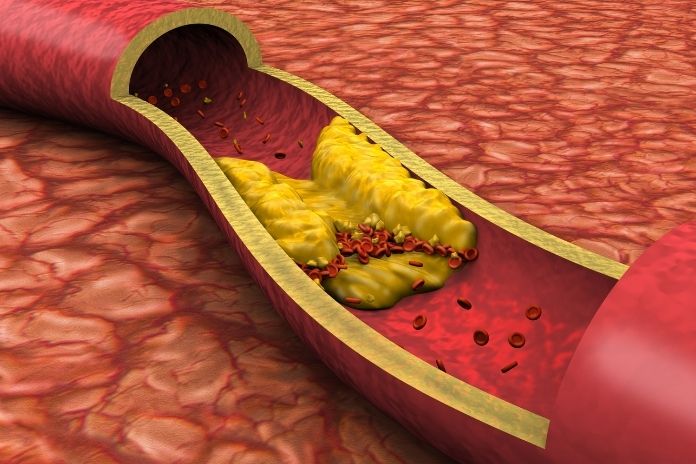
Dark chocolate can also help regulate cholesterol and blood sugar. Flavanols are known to raise HDL, or “good cholesterol,” which removes LDL (“bad cholesterol”) from the blood. Good cholesterol levels reduce the risk of heart disease by keeping plaque out of the arteries.
Furthermore, dark chocolate may improve insulin sensitivity. Increased insulin function can manage blood glucose, blunt glucose surges, and indirectly enhance cardiovascular health by reducing the onset of type 2 diabetes. It is a condition closely linked with cardiovascular disease. Moderate dark chocolate intake has been shown in several studies to improve postprandial glucose and insulin levels in those with impaired glucose tolerance.
By supporting both cholesterol and reducing blood sugar, dark chocolate provides higher cardiovascular protection, in addition to its pleasant taste.
Lower Risk of Cardiovascular Disease:

Certain studies indicate that frequent, moderate consumption of dark chocolate is associated with reduced risk of cardiovascular disease, including heart attacks and strokes. While we need more robust studies, certain observational research suggests that compounds in dark chocolate are likely responsible for its long-term cardiac benefits.
For example, populations that regularly consume flavanol-rich cocoa have experienced lower rates of heart disease compared to those with low or no consumption of dark chocolate. This protective effect improves heart function, reduces blood pressure, and healthier metabolism.
Dark chocolate is no one-all solution, but when consumed as part of a heart-healthy diet, its effects are quantifiable for cardiovascular well-being.
How Much is Healthy Dark Chocolate?
Dark chocolate may be savored in small portions. Experts recommend consuming approximately 1–2 ounces (30–60 grams) a few days apart. That provides enough of the benefits for heart health without providing excess sugar or calories.
When choosing chocolate, opt for 70% cocoa or higher to contain the most flavanols with the least amount of sugar. Omit brands that contain excess milk solids, palm oils, or added sugars because they may counteract health benefits. Dark chocolate that is organic or minimally processed will typically be a better choice, as it contains greater amounts of native flavanols and antioxidants.
By selecting better products, you can enjoy the cardiovascular benefits without compromising the pleasure of a delicious treat.
Who Should Be Careful

Although it is beneficial for your health, dark chocolate may not be suitable for everyone. It contains a high number of calories, and overconsumption can lead to weight gain, potentially undoing the cardiovascular benefits. Caffeine and theobromine levels should also be included in the consideration; such substances will interfere with sleep if consumed in the evening or close to bedtime.
Some digestive illnesses, for instance, gastroesophageal reflux disease (GERD) or irritable bowel syndrome (IBS), may cause discomfort after eating dark chocolate. Some people prone to migraines may also experience headaches caused by cocoa. In such cases, moderation or the lesser intake of lower-cocoa items may be advised.
Prof Thomas Lüscher shares his thoughts on consuming dark chocolate. Chocolate is a joy for our CV [cardiovascular system], if consumed in dark, bitter form. “It is important that chocolate contains little sugar and fat, which are obviously not healthy. In particular, white chocolate is not healthy at all.”
Generally, dark chocolate is considered healthy for the heart, but personal tolerance and moderation are essential to enjoy its benefits safely.
Read More: Cooking for Heart Health: Delicious Recipes to Lower Cholesterol
Conclusion

The high flavanol and antioxidant content of dark chocolate makes it a viable option to add to your heart-healthy diet. Due to its nitric oxide synthesis, it not only promotes circulation but also helps regulate blood pressure, glucose levels and improves cardiovascular health. Regular but moderate consumption may well reduce the risk of heart attack and stroke.
The key is having it in moderation. 1–2 ounces, a few times a week, of high-quality, 70% cocoa or higher dark chocolate can be beneficial for the heart without adding calories or sugar. Consider it a heart-healthy indulgence, not a free pass to overindulge. With careful use, dark chocolate can promote health and also be a tasty addition to your day. So the next time you think twice about grabbing that piece of dark chocolate, go ahead!
References
- https://www.theguardian.com/society/2021/nov/19/good-or-bad-top-cardiologist-gives-verdict-chocolate-coffee-wine?
- https://www.rbht.nhs.uk/specialists/professor-thomas-luscher
- https://lec.org/blog/life-enriching-communities/how-much-dark-chocolate-can-i-eat-every-day/
- https://health.ucdavis.edu/blog/good-food/dark-chocolate-health-benefits-the-good-and-the-bad-to-this-sweet-treat/2023/02
- https://lec.org/blog/life-enriching-communities/how-much-dark-chocolate-can-i-eat-every-day/
- https://pmc.ncbi.nlm.nih.gov/articles/PMC12008093/
In this Article