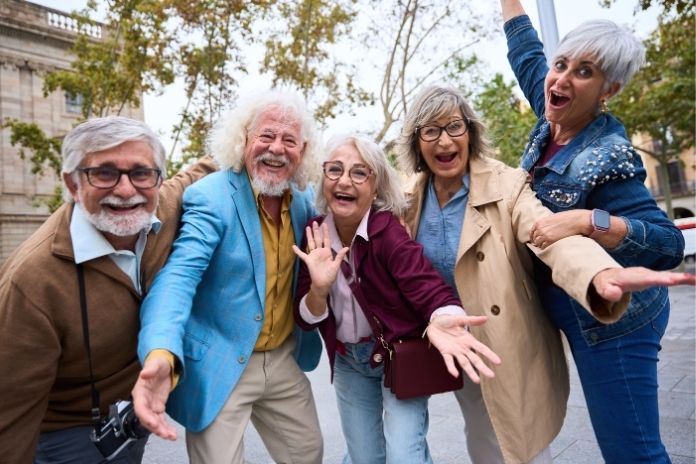













Living up to 100 years of age seems fascinating. And, when we consider people living beyond age 100, it is easy to see that genetics play a key role, but how we eat, move, sleep, and engage socially are equally important.
This is especially true for people living in Blue Zones. These regions around the world are where people live longer and healthier lives than the average lifespan across the globe. These areas have a higher concentration of centenarians, individuals who live to be 100 years or older.
The communities, spread across Okinawa in Japan, Sardinia in Italy, Nicoya in Costa Rica, Ikaria in Greece, and Loma Linda in California, share the same daily routines. It’s not special diets or better medicine that make their lives so remarkable, but simple, sustainable routines.
These daily routines for longevity are evidence-based and can be practiced by anyone looking for ways to increase lifespan and enhance healthspan.
Read More: The Role of Heat Shock Proteins in Muscle Recovery and Longevity
Let us examine the life of people who live to 100 years of age, from waking up in the morning to the way they eat, move about, and sleep at night.
Morning Routine

Here’s the morning routine most people who live up to 100 years follow:
- Wake Up to Natural Light:
Centenarian mornings begin when the sun rises. Instead of an alarm clock, these people wake up naturally as sunbeams enter their homes. Morning sun resets the circadian rhythm, the internal clock of the body that regulates sleep, metabolism, and hormones.
Scientific studies confirm that morning sunlight exposure enhances alertness, improves mood, and promotes better nighttime sleep. Ten minutes a day of outdoor walking in the morning is sufficient to align the body’s rhythms. Such a daily routine grounds centenarians on the natural rhythm of the day, which is the secret to successful aging.
- Mindful Start (Prayer, Gratitude, or Meditation):
When they wake up, centenarians generally start with silent contemplation. In Okinawa, the elderly may perform thankfulness exercises. In Sardinia, it may be morning prayers. Others do meditation or simple deep breathing exercises.
Far from symbolic, these rituals lower cortisol, inflammation, and emotional distress. Chronic stress ages us prematurely, but beginning the day with mindfulness boosts resilience. Not only does this ritual calm the mind, but it also instills a consistent rhythm in the day.
- Light Physical Activity:
Exercise is also part of the morning routine. Instead of rushing to go to work, centenarians stretch, practice tai chi, or go for a stroll in the garden. This light exercise loosens the joints, circulates the blood, and activates metabolism.
Studies show that daybreak light exercise maintains mobility and prevents age-related loss. The routine maintains the body flexible, strong, and prepared for the day.
Morning rituals may feel mundane, but they collectively help in overall health.
Dietary Habits
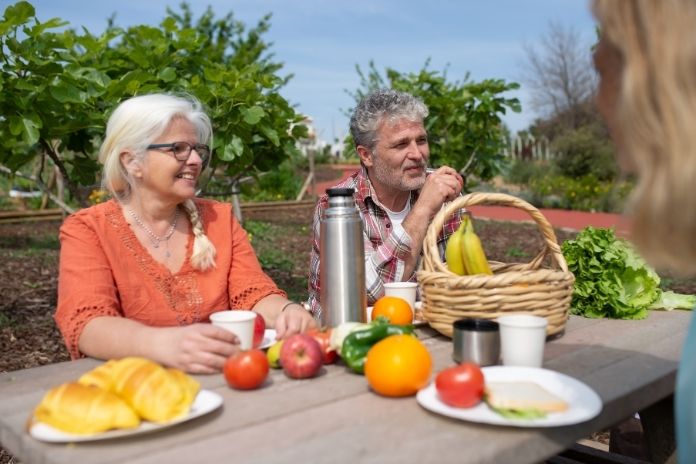
Here’s how a 100-year-old follows a diet and avoids certain foods, contributing to their overall health:
- Plant-Forward Diet:
All day, their life revolves around food. In every Blue Zone, plant-based diets are the standard. Vegetables, legumes, whole grains, nuts, and seeds complete the standard meal, with animal foods eaten sparingly.
Harvard research shows that plant-based diets lower heart disease, diabetes, and risk of early death. Vegetables have antioxidants, fiber, and phytonutrients that battle inflammation and support digestive health. For example, Okinawans eat purple sweet potatoes and greens, and the Sardinians consume whole grains and beans.
- Portion Control (Hara Hachi Bu):
With a veggie diet, portion control is likewise a science-based lifestyle. Okinawans embrace Hara Hachi Bu, or eating to 80 percent full. This prevents one from eating too much and maintains a healthy weight.
Studies show that caloric restriction reduces disease risk and results in increased lifespan. Lowering their metabolic rate by eating to satisfaction but not overeating, centenarians protect their digestive system and avoid metabolic stress.
Read More: The Link Between Flexibility and Longevity – How to Keep Your Body Young
- Processed Foods and Restricted Sugars:
Perhaps the most significant difference between Blue Zone diets and contemporary diets lies in their exclusion of processed foods. Centenarians hardly ever have sodas, white sugar, or packaged snacks. Foods, rather, are cooked at home using whole foods.
Studies have shown that processed food increases the risk of obesity, heart disease, and even cancer. By maintaining meals natural and nutrient-rich, centenarians maintain healthy energy levels and foster long-term health.
Movement During the Day
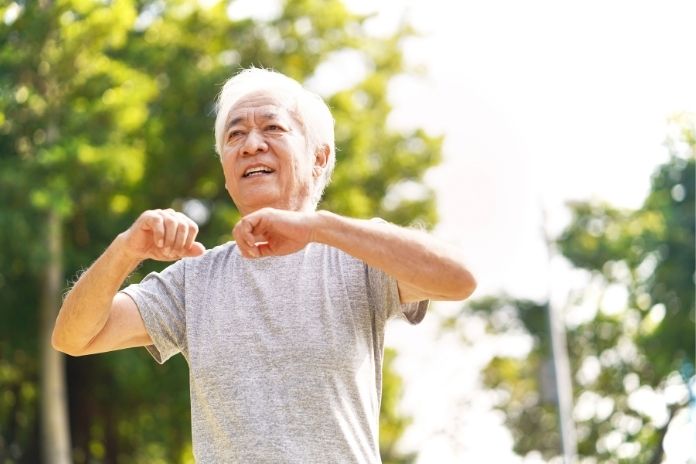
These people try to move throughout the day. These simple movements help them stay active and fit overall.
- Exercise:
Unlike contemporary habits isolating exercise from daily life, centenarians build activity into their daily routines naturally. They walk to visit neighbors, garden, and prepare food from scratch. These low-intensity, effortless movements add up to hours of activity each day.
The American Journal of Lifestyle Medicine notes that non-exercise physical activity is as important as exercise for health. Non-exercise physical activity maintains cardiovascular health at its peak, improves circulation, and improves mood.
- Maintaining Strength:
Strength is also maintained by doing activities daily. Shopping for groceries, running errands, kneading, or walking up a hill are examples of natural resistance exercises. Such exercises keep muscle mass and bone strength, which are crucial in preventing falls and injuries.
A study discovered that higher muscle strength is directly linked to th lower risk of mortality. The mere fact of continued physical activity guarantees that centenarians to be independent and mobile for a long time in old age.
Here, exercise is not a planned workout, but a lifestyle incorporated into all activities.
Read More: Chair Yoga for Seniors: Simple Moves to Improve Strength and Flexibility
Social Bonding
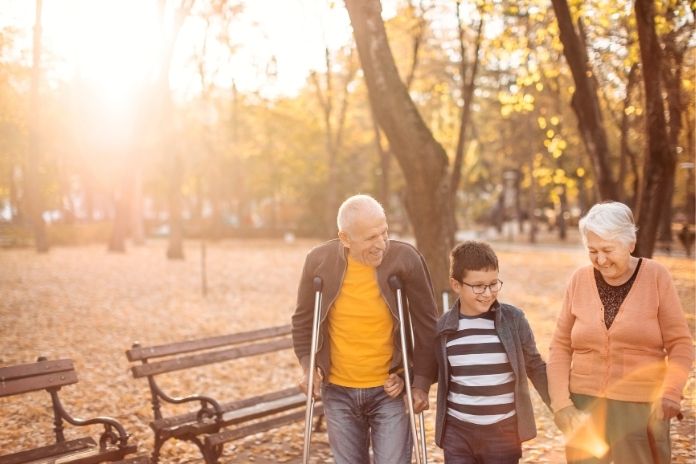
Social interactions aren’t just a great way to keep in touch; they can also boost your longevity, according to Dr Micheal Mosley, a doctor and journalist who emphasized the importance of social interactions. He linked them to longevity. Speaking on his podcast Just One Thing, the doctor said, “Social connections may help you live longer.” “ When scientists analysed the results of nearly 150 different studies, which included over 300,000 people, they found those with the strongest social relationships had the greatest life expectancy,” he added.
Apart from diet and exercise, people who live longer need to be emotionally strong. Social interactions help keep them happy and stay away from mental health disorders.
- Daily Interactions:
One of the hallmarks of Blue Zone living is strong social bonding. Centenarians mingle with neighbors, dine with them, and maintain close friends. These friendships provide them with a sense of belonging, which studies show reduces mortality by nearly 50 percent.
Social isolation, on the other hand, is linked with more inflammation and chronic disease. By keeping their focus on community, centenarians protect both body and mind.
- Family Time:
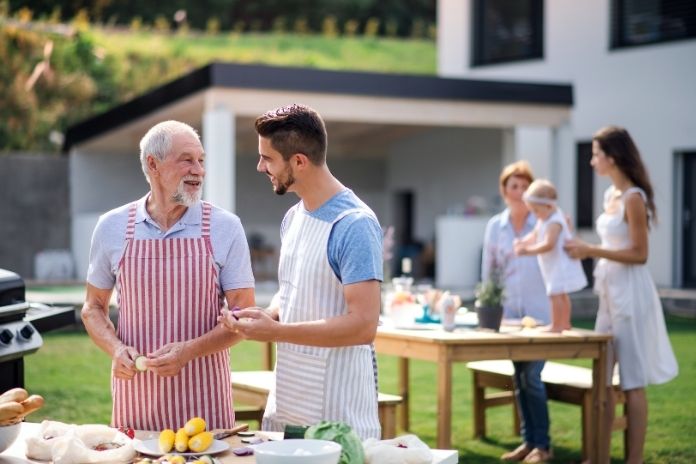
Family grounds longevity. Multigenerational families are the norm, and the elderly are cherished for their insight and experience. Sharing meals with family, taking care of grandchildren, and being supported emotionally by loved ones promote life in terms of love and purpose.
Research consistently shows that strong family ties increase a sense of well-being and reduce depression. With centenarians, family is not just a support group—it’s a health maintenance routine.
Together, community and family offer a buffer against hardship and a foundation for resilience.
Mental Well-being
- Continuous Learning:
Keeping one’s mind active is as important as keeping one’s body active. Centenarians learn, read, and stimulate their brains with hobbies or by teaching others. This kind of activity creates mental reserve, which guards the brain against degeneration.
A recent study indicated that mentally stimulating activities slow down dementia and maintain cognitive function in top form. An endless desire for learning and a passion for knowledge are great brain protectors against aging.
- Purpose in Life:
Equally vital is a sense of purpose. In Okinawa, it is known as ikigai, a reason to rise every morning. In Nicoya, it is referred to as plan de vida. Purpose gives meaning, organization, and happiness in life.
JAMA Network Open studies have shown that those who have a high level of purpose live longer and have fewer chances of developing chronic disease. Purpose fuels resilience and provides life with a reason to keep moving forward, even in the latter decades.
Mental health is not an isolated activity. It happens throughout the day and affects how centenarians perceive the world.
Rest and Recovery
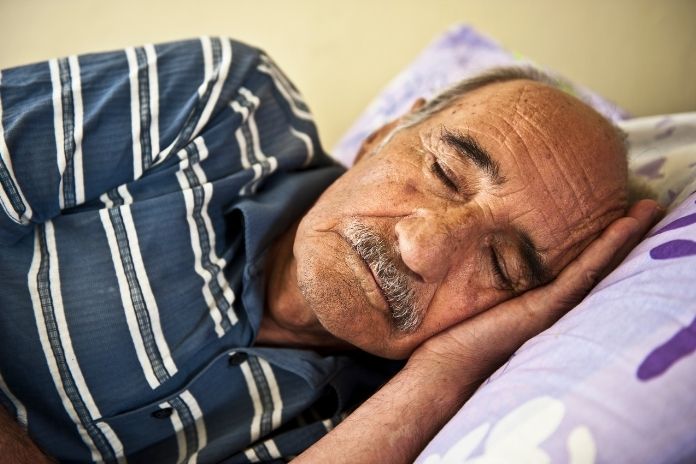
As much as activities, social life is important. Old people need sufficient rest and sleep to function efficiently.
- Quality Sleep:
Sleep is considered a need, not a preference. Centenarians wake and sleep according to natural light, with routine habits. The routine character of daily life ensures deep sleep, hormonal equilibrium, and cell healing.
Studies confirm that seven to eight hours of quality sleep is linked with lower risks for heart disease, diabetes, and early death. Disrupted sleep, on the other hand, accelerates aging and weakens immunity.
- Afternoon Rest:
Most centenarians also take naps or rest for short periods in the afternoons. Anything but a luxury, it has been discovered to reduce stress and lower the risk of heart disease.
A 2023 study discovered that occasional napping was linked to improved cardiovascular health. Even 20 to 30 minutes of napping can revitalize the body and ward off cardiovascular disease long-term.
Rest encompasses not only sleeping at night but also listening to the body’s desire to rest and heal during the day.
Breaking Harmful Habits
Another practice by a 100-year-old is moderation. A person is rarely seen smoking, and there is no heavy drinking. Drinking, when it occurs, is in moderation with meals in social company.
For example, Sardinians enjoy an antioxidant-rich glass of red wine with family or friends. This cautious practice differs from binge drinking, which is liver- and heart-damaging.
By shunning unhealthy lifestyles and embracing moderation, centenarians take a burden off avoidable illnesses and shine the spotlight on their healthy lifestyles.
Conclusion
Longevity does not entirely depend on luck or rare genes. It is based on everyday habits. From waking up to sunlight to eating plant food, exercising frequently, engaging in community, and sleeping well. These tips, using science to promote longevity, create lives that are long and meaningful.
The habits of 100-year-olds are simple, inexpensive, and adaptable. You don’t need to move to a Blue Zone to enjoy the rewards. Small steps, such as walking, being more grateful, or having more vegetables, have ripple effects that add up over time.
If you’re seeking healthy aging tips and genuine advice on longevity, this article is here to help. By adopting these daily practices into your own life, you can increase your chances of living longer, but most importantly, living better. The sooner, the better, with one small step toward a lifestyle that promotes vitality for years to come. Remember, spend each day happily, as happiness makes each day meaningful, adding years to life!
References
- https://www.bluezones.com/2017/08/longevity-link-how-and-why-wine-helps-you-live-longer/
- https://www.heart.org/en/healthy-living/healthy-lifestyle/sleep/benefits-of-napping
- https://www.news-medical.net/news/20250818/Irregular-sleep-patterns-linked-to-higher-mortality-risk.aspx
- https://www.frontiersin.org/journals/psychology/articles/10.3389/fpsyg.2024.1330720/full
- https://jamanetwork.com/journals/jamanetworkopen/fullarticle/2734064
- https://pmc.ncbi.nlm.nih.gov/articles/PMC4889622/
In this Article