














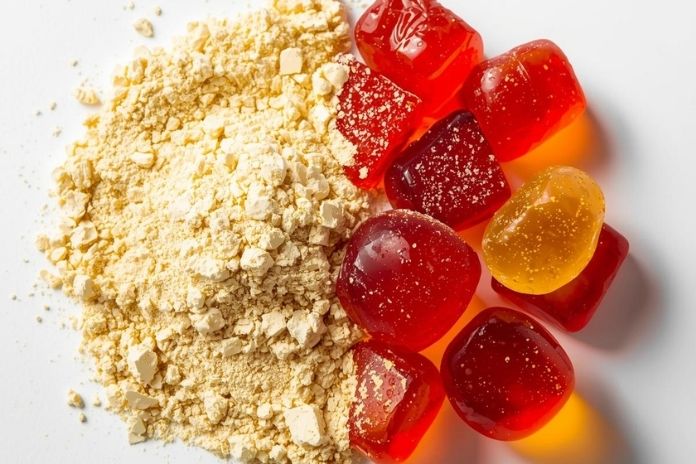
Creatine supplementation used to be pretty straightforward. You picked up a tub of powder, mixed it with water, and let your training do the rest. Today, creatine gummies have entered the market, promising the same benefits. These include muscle strength, better performance, and faster recovery without the hassle of scoops or shakers.
This shift naturally raises important questions about effectiveness and outcomes. Are creatine gummies vs powder equally effective once they’re absorbed by the body? Is one of these options better suited for building muscle and supporting the progress of strength training? Perhaps most importantly, does choosing a more convenient format mean compromising on real and measurable results over time?
This article breaks down creatine powder versus gummies in detail with regard to effectiveness, absorption, dosage accuracy, sugar content, hydration needs, cost, safety, and how each form best fits different fitness goals. If you’re trying to choose the best form of creatine, this article will help you make a decision grounded in science, not marketing.
What Is Creatine, And How Does It Work?
Creatine is an endogenously synthesized compound made from amino acids. The majority of this is stored in skeletal muscle. It is essential for energy metabolism, which helps in replenishing the ATP (adenosine triphosphate), a molecule your muscles use for quick bursts of power.
When you engage in activities such as weightlifting, sprinting, or high-intensity interval training, ATP is used up very fast. Creatine helps the body replenish ATP more quickly in order to sustain effort longer and recover more efficiently between sets.
Consistent creatine supplementation has been proven to help in:
- Increased muscular strength and power.
- Improved performance in high-intensity exercises.
- Better training volume over time.
- Supports gains in lean muscle mass.
Of all creatine types, creatine monohydrate is the most researched and steadily effective. It’s the type utilized in the majority of clinical trials and serves as a basis for both creatine powders and gummies.
Carolyn Brown, R.D., a nutrition counselor at Indigo Wellness Group, says, “If you’re going to add a supplement in, make sure it’s creatine monohydrate,” Brown says. “A lot of other supplements out there will have a lot of junk that you don’t need, and they’ll be much more expensive.”
Creatine Powder: How It Works
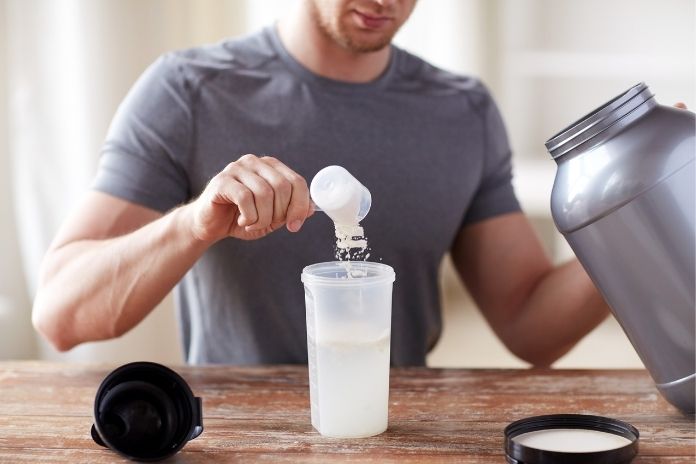
What is Creatine Powder?
Creatine powder is pure creatine monohydrate, sold without flavoring or lightly flavored. It is designed to be mixed with water, juice, or a post-workout shake and consumed daily.
Advantages of Creatine Powder
Creatine powder remains the standard for any creatine supplement comparison due to its dependability and scientific evidence.
Highly Researched and Well Absorbed:
Creatine monohydrate powder has been studied for decades across athletes, older adults, and recreational exercisers. Its absorption profile is well understood, predictable, and efficient.
Excellent Dosage Accuracy:
One serving of creatine powder typically offers 3-5 grams. It is the dose supported by significant research for providing strength, muscle growth, and performance. This helps avoid under-dosing, one of the biggest ways people end up believing creatine ‘doesn’t work.’
Lower Cost Per Serving:
Powder offers the highest creatine and is cost-effective, especially in the context of long-term daily use. This is important because creatine works best when taken consistently, rather than occasionally.
No Added Sugar Or Fillers:
Most of the powders are just creatine, which is ideal for those who are focused on body composition, calorie control, or clean supplementation.
Disadvantages of Creatine Powder
- Some people do not prefer its texture or aftertaste.
- Liquid access and mixing are required.
- Less convenient for travel or busy schedules.
Creatine Gummies: How They Work

What Are Creatine Gummies
Creatine gummies are chewable products that mix creatine with sweeteners, flavoring agents, and binding ingredients. They are designed this way to make supplementation feel easier and more enjoyable, particularly for people who wish to avoid powders.
Benefits of Creatine Gummies
High Convenience:
Creatine gummies need no scoops, no water, and no shaker bottle. Gummies can be taken anywhere, at any time.
Improved Compliance for Some Users:
People who consistently forget powders might be more consistent with gummies, which matters when it comes to long-term results.
Palatable Taste:
Gummies can reduce the psychological barrier to supplementation for beginners or people sensitive to textures.
Creatine Gummies: The Cons
Lower Creatine Per Serving:
Many gummies have only 1-2 grams of creatine per serving, requiring multiple servings to reach the effective 3-5 gram range.
Added Sugars or Sugar Alcohols:
These ingredients add calories and can result in bloating or discomfort, possibly due to frequent use.
Higher Cost Per Gram:
You often pay more for flavor and convenience than you do for actual creatine content.
Greater Risk Of Under-Dosing:
Since gummies feel like candy, users may take too few or take them inconsistently, limiting results.
Effectiveness: Powder versus Gummies
From a physiological standpoint, creatine works the same once it’s absorbed. The body doesn’t differentiate between creatine delivered via powder or gummies.
What determines effectiveness is:
- Total daily intake
- Consistency over time
Most scientific evidence suggests taking 3-5 grams of creatine per day, with or without a loading phase of 20 grams per day for 5-7 days, divided into doses.
Underdosing is highly common with gummies, particularly when users depend on one serving that does not reach effective levels. That is why powder often seems much ‘stronger’ even when the compound itself is identical.
Simply put, dose matters more than form, but powder makes correct dosing easier.
Absorption and Bioavailability
Absorption of creatine through the intestines is the most effective. After ingestion, it enters the bloodstream, where it is transported into the muscle cells by specific transporters.
There is no significant evidence that creatine gummies improve bioavailability or absorption compared to powder. Creatine monohydrate is already absorbed very well by the body. Hence, there’s little need for extra delivery methods or added enhancements.
Marketing claims of superior absorption from gummy forms have little support from current research.
Sugar, Calories, and Digestive Considerations
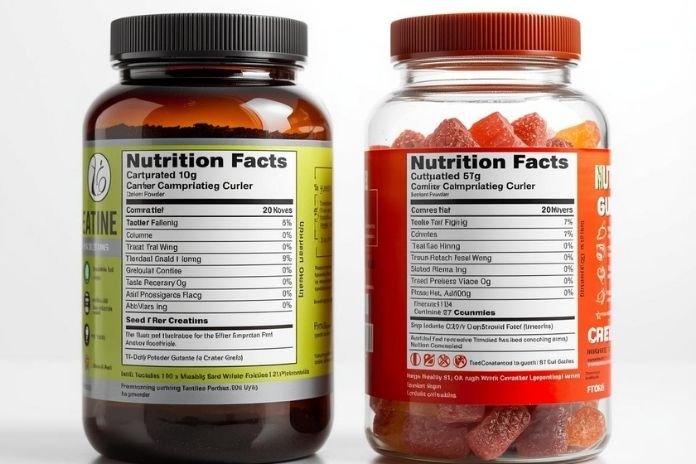
This is one of the biggest practical differences.
Creatine powder may contain:
- Zero calorie
- No sugar
- No artificial sweeteners
Creatine gummies often include:
- Sugar alcohols or added sugars.
- Calories that accumulate with day-to-day use.
The sugar alcohols sorbitol or maltitol in sweeteners can cause bloating, gas, or loose stools in certain individuals. If someone is cutting weight, managing blood sugar, or cares about gut comfort, then creatine powder is usually the better option.
Cost Comparison
- Creatine powder is considerably cheaper in the long run.
- Lower cost per gram of creatine.
- More servings per container.
- More suited to long-term daily supplementation.
Gummies may appear cheap at first, but when you consider their quantity for an effective dose, the costs add up fast.
Which Is Better For Different Goals?

For Muscle Gain and Strength:
Creatine powder is preferred typically. It supports accurate dosing, aligns with research protocols, and integrates easily into structured training routines.
For Convenience and Compliance:
If the main obstacle to consistency is convenience, then gummies make sense, whether one is a frequent traveler or a busy professional.
For Cutting or Weight Management:
The powder is generally the better option since there is zero sugar and calories, along with better intake control.
For Beginners:
While gummies can ease a complete beginner into supplementation, learning correct dosing with powder early usually leads to better long-term results.
Safety and Who Should Be Cautious
Creatine is considered to be safe for healthy adults when taken in appropriate amounts.
Key safety considerations include:
- Adequate hydration should be maintained, as creatine increases intracellular water retention.
- Avoid excessive dosing.
Individuals who should consult a healthcare professional before using creatine include:
- People with kidney disease.
- People with chronic medical illnesses.
- Anyone on medications known to impact renal function.
How To Choose The Right Creatine Form
When opting for any creatine supplement, look out for:
- Serving amount of creatine.
- Addition of sugar or other fillers.
- Third-party testing for purity.
- When it comes to supplements, less is often more.
- With fewer unnecessary ingredients, the results can be far more predictable.
Final Takeaway
Both creatine powder and gummies can support muscle growth, strength, and performance, provided the daily dose is sufficient.
However, creatine powder is more economical, evidence-based, sugar-free, and accurate. Convenient and tasty, creatine gummies compromise on precision in dosage and are rather expensive. Ultimately, the best choice is the one you’ll take consistently, at an effective dose, while supporting your broader training and nutrition goals.
References
- Antonio, J., Candow, D. G., Forbes, S. C., Gualano, B., Jagim, A. R., Kreider, R. B., Rawson, E. S., Smith-Ryan, A. E., VanDusseldorp, T. A., Willoughby, D. S., & Ziegenfuss, T. N. (2021). Common questions and misconceptions about creatine supplementation: What does the scientific evidence really show? Journal of the International Society of Sports Nutrition, 18(1), 13.
- Elsevier. (n.d.). Creatine. In ScienceDirect Topics.
- Harvard Health Publishing. (n.d.). What is creatine? Potential benefits and risks of this popular supplement.
- Jinfiniti. (n.d.). Creatine gummies vs. powder: Which one is better?
- Wellversed Health. (n.d.). Are artificial sweeteners like maltitol bad for your gut?
In this Article