













If you’ve spent any time in a gym locker room or fitness subreddit, you’ve probably overheard someone debating creatine HCl vs monohydrate like it’s a question of loyalty. One person swears that adding monohydrate added 10 pounds to their max bench.
Someone else insists HCl is smoother on the stomach and mixes like a dream. If you’re trying to decide which form belongs in your routine, it can feel like you’re choosing between two completely different supplements.
Here’s the thing: both forms exist to do the same job, help your muscles produce more energy so you can train harder and grow stronger. But they go about it differently, and that’s where the debate gets interesting. The differences in solubility, dosage, cost, side effects, and research strength actually matter, especially if you’ve struggled with bloating, digestion issues, or plateaued performance.
This guide breaks everything down in a clear, human way. You’ll understand how each form works, how your body handles it, and, most importantly, how to figure out which one suits your training style and stomach.
How Creatine Works in the Body
Before comparing forms, it helps to get the physiology straight.
Creatine’s job is simple: it helps you regenerate ATP, the molecule your muscles burn during intense effort. Think sprinting, heavy squats, or anything explosive. Your ATP stores run out fast, usually within seconds. Increasing your muscle creatine stores gives you a larger fuel tank so you can push harder for longer.
According to research on creatine supplementation, increasing intramuscular phosphocreatine levels enhances the rapid regeneration of ATP during high-intensity exercise, allowing for improved strength output and training volume.
Both creatine monohydrate and creatine HCl work toward this same biochemical goal. The differences lie in how they dissolve, absorb, and affect your stomach, not the core mechanism.
Creatine Monohydrate: What to Know
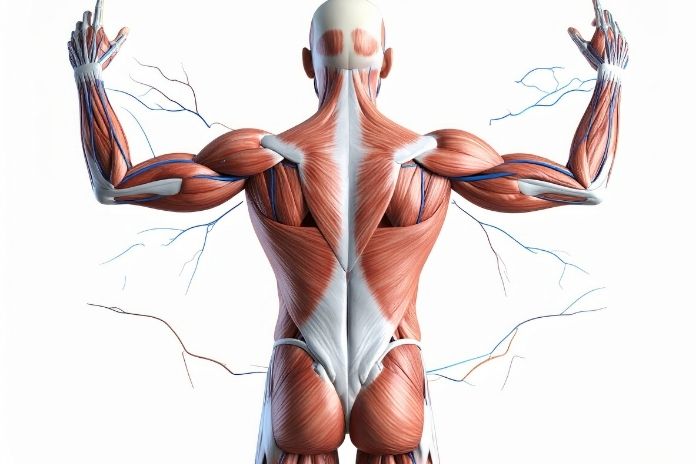
Creatine monohydrate is the classic version of creatine that most people think of. It is creatine bound to a single water molecule, which makes it simple, stable, and easy for the body to use. It’s been around since the early 90s and has become the reference point for almost everything we know about creatine’s effects.
You’ll usually find two versions:
- Regular monohydrate.
- Micronized monohydrate with smaller particles that dissolve more easily in water.
Here’s the thing: because monohydrate is cheap to produce, highly stable, and widely studied, it became the standard in research trials, sports science, and high-performance training plans. When you see big claims about creatine, they’re almost always referring to monohydrate.
Evidence and Effectiveness
No other form of creatine has research support anywhere close to monohydrate. The scientific literature is stacked with studies covering beginners, trained athletes, power sports, bodybuilding, and even older adults.
A review in the Journal of the International Society of Sports Nutrition calls creatine monohydrate “the most effective ergogenic supplement available to athletes.” What this really means is that creatine isn’t hype; it consistently works.
Studies show improvements in:
- Strength
- Power output
- Lean muscle mass
- High-intensity performance
According to a 2022 meta-analysis published in Nutrition, combining creatine supplementation with resistance training increases lean body mass by about 1.1 kg compared with training alone. The analysis found that creatine plus resistance training produced greater lean body mass gains than resistance training by itself, highlighting how well creatine pairs with strength programs.
Absorption and Water Retention
Some people notice a bit of water weight when they first start taking creatine. The key detail: this water isn’t sitting under your skin. It’s drawn inside your muscle cells, where creatine is stored.
That shift usually adds a pound or two early on, sometimes three. Coaches consider this a performance advantage because better-hydrated muscle cells tend to contract more forcefully and recover faster. So while the scale might nudge up, your training usually feels stronger.
Side Effects
Creatine monohydrate is well-tolerated for most people. The usual complaints are:
- Bloating
- Mild stomach discomfort
- Gas or heaviness, especially if the powder clumps
Micronized monohydrate helps a lot because the finer particles dissolve more completely, making it easier for your stomach to handle. Taking it with food and splitting your dose can also reduce discomfort.
Who Benefits Most From Monohydrate
Monohydrate is a smart pick if:
- You’re new to creatine.
- You want the strongest research-backed results.
- You don’t struggle with digestion.
- You’re okay with a small amount of initial water weight.
Most lifters, athletes, and everyday gym goers start with monohydrate and never feel the need to switch because it checks every box: effective, affordable, and backed by decades of real data.
Creatine HCl: What Makes It Different?

Creatine hydrochloride (HCl) is simply creatine bonded with hydrochloric acid. That chemical pairing dramatically increases solubility, so it mixes almost instantly in water and leaves almost no residue. As a result, supplement companies often argue that the body absorbs it more efficiently than monohydrate.
Here’s the thing: the idea makes sense on paper, but real-world evidence isn’t strong enough yet to say HCl works better. Most of the performance benefits we associate with creatine still come from research done on monohydrate, not HCl.
Potential Advantages
Creatine HCl does bring a few practical benefits that users notice quickly:
- Superior solubility with zero chalky texture.
- Less stomach discomfort for sensitive users.
- Lower daily dose recommendations (usually 1 to 2 grams instead of 3 to 5).
According to the Cleveland Clinic’s coverage of creatine supplements, different forms of creatine can cause varying degrees of digestive responses, and some people report fewer stomach issues when they choose forms that mix easily and absorb well, suggesting that higher-solubility options like creatine HCl may be gentler on the gut for those who struggle with monohydrate.
Side Effects
Most people find HCl very easy on the stomach. Common user feedback includes:
- Minimal bloating.
- Less water retention.
- Better tolerance during fasted workouts or on rest days.
Many lifters who switch from monohydrate report feeling lighter and less puffy, even if their performance remains similar.
Limitations
This is where HCl loses some points. There are two significant concerns:
- Not much long-term research: Monohydrate has decades of controlled trials behind it. HCl has only a small collection of studies, which makes it hard to compare long-term strength and muscle outcomes.
- Marketing claims outrun the science: Companies love the word absorption, and HCl does dissolve beautifully, but better solubility doesn’t automatically mean better muscle growth. We just don’t have enough head-to-head data yet to say it outperforms monohydrate in real training environments.
Who Benefits Most From Creatine HCl
HCl makes the most sense if:
- Monohydrate causes GI discomfort.
- You prefer taking smaller servings.
- You’re cutting weight and want minimal water retention.
- You want something that mixes instantly in any liquid.
In short, HCl is about comfort and convenience rather than superior muscle-building power. If your stomach hates monohydrate, HCl can feel like a relief. If monohydrate works fine for you, there’s usually no reason to switch.
Read More: Do You Need Creatine Even If You Don’t Lift Heavy? Benefits Explained
Key Differences Between Creatine HCl and Monohydrate
Creatine HCl and creatine monohydrate are the two forms most people compare, and for good reason. They’re both designed to raise creatine levels inside your muscles, but they go about it in slightly different ways. Monohydrate has a long-standing scientific foundation and the strongest performance track record. HCl focuses more on comfort, mixability, and ease of digestion.
What this really means is that neither form is universally better. It depends on your goals, your stomach, and how much you care about water retention or serving size. Here’s how they stack up side by side.
Solubility
This is the category where HCl clearly stands out. It dissolves almost instantly in just a few ounces of water, so there’s no gritty texture and no chalky residue at the bottom of your shaker.
Monohydrate, especially the non-micronized type, can clump if you don’t stir it well. That doesn’t make it ineffective, but it can be annoying. Higher solubility also means fewer undissolved particles reaching your stomach, which may reduce bloating or digestive pressure in sensitive people.
Absorption
A critical review on creatine and related compounds notes that, despite marketing claims about improved bioavailability or faster absorption with creatine HCl, there’s no reliable evidence that HCl is absorbed more effectively than creatine monohydrate in humans or that lower doses deliver superior performance or muscle growth outcomes.
Here’s what actually matters: absorption only matters if it improves muscle creatine saturation. Right now, monohydrate remains the most reliable option for increasing creatine inside muscle cells and improving strength outcomes.
Dosage Requirements
- Monohydrate: 3–5g per day (with an optional loading phase of 20g per day for 5–7 days).
- HCl: 1–2g per day, with no loading phase.
If you dislike taking multiple scoops or larger servings, the smaller HCl doses are more convenient. Performance results, however, seem similar once saturation is reached.
Water Retention Differences
Monohydrate pulls more water into muscle cells. That’s part of how it works. This can show up on the scale, especially during the first couple of weeks. Many strength coaches view this as a good sign because well-hydrated muscle cells tend to perform better.
People who use HCl often report feeling tighter because they don’t notice the same increase in intracellular water. There’s no convincing evidence that this affects performance either way.
Dr. Jose Antonio, PhD, professor of health and human performance and co-founder of the International Society of Sports Nutrition, explains that the early weight gain seen with creatine monohydrate is largely due to increased intracellular water, not fat gain. He notes that this cell hydration is “a normal and expected response” and is often associated with improved training capacity rather than bloating or poor performance.
What this really means is simple: monohydrate’s water retention happens inside the muscle cell, where it supports performance. HCl users may not notice the same scale jump or fullness, but current evidence doesn’t show that this difference leads to better or worse strength outcomes.
Read More: Does Taking Creatine Make You Gain Weight? What Science Really Says
Cost
HCl is significantly more expensive. Most brands price it two to four times higher per serving. Over months of consistent use, the cost difference becomes noticeable, which is why many lifters stick with monohydrate unless digestion is an issue.
Research Strength
This comparison isn’t close.
- Monohydrate:Decades of human research, strong consensus, and proven performance outcomes
- HCl:Limited long-term data, promising for digestion and solubility, but not clearly superior where it counts
If scientific backing is important to you, monohydrate remains the safest and most supported choice.
Performance Comparison: Which One Works Better?
According to research comparing creatine HCl and creatine monohydrate in resistance-trained men, both forms significantly improved strength and body composition outcomes but did not produce statistically superior performance effects for HCl compared with monohydrate in measures like strength gains, lean mass, and hormonal responses.
In other words, the performance benefits were similar regardless of creatine form. So while HCl may feel better on your stomach, monohydrate isn’t lagging in actual muscle or strength outcomes.
Read More: Creatine vs. Pre-Workout: Key Differences, Benefits, and Which One You Should Choose
Digestion, Comfort, and Side Effect Differences
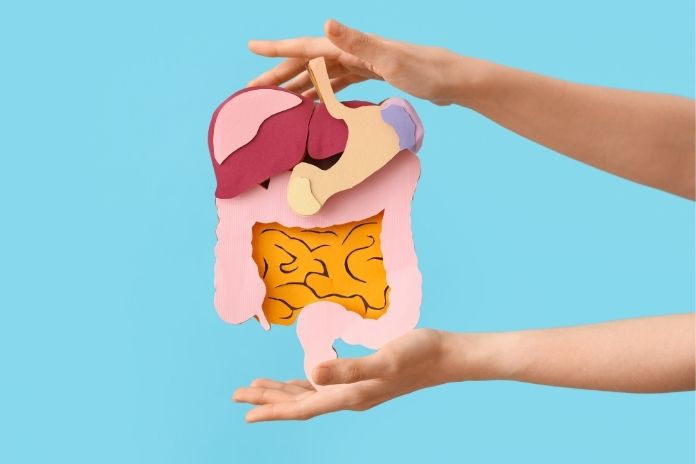
Monohydrate doesn’t always dissolve fully, especially if you’re using a regular (non-micronized) powder. When undissolved particles reach your stomach, they can sit there for a bit, pull additional water into the digestive tract, and create a mild feeling of heaviness or bloating.
Micronized monohydrate reduces that issue because the smaller particles mix more evenly in liquid and leave less sediment behind. Many people who struggled with standard monohydrate notice an immediate improvement when they switch to the micronized form.
Why HCl May Feel Better Digestively
Creatine HCl virtually disappears in liquid. Because it dissolves so well, there’s less chance of particles irritating your stomach lining. That’s why many lifters who experience discomfort with monohydrate say HCl feels smooth, even when taken on an empty stomach or before training.
Dr. Jose Antonio, PhD, a noted exercise scientist, points out that creatine salts like hydrochloride are developed to address solubility issues. He notes that improved solubility “is the only real difference” between creatine HCl and monohydrate, which is what manufacturers rely on when they discuss easier digestion and reduced stomach irritation.
For people with sensitive digestion, this convenience alone can make HCl worth considering.
Water Retention Explained
Monohydrate increases water inside muscle cells. That’s part of how it works, not a side effect. More intracellular water supports creatine storage, which helps strength and power. The temporary bump on the scale is simply your muscles holding more fluid.
HCl usually pulls in less water overall, so some users feel slightly tighter or lighter. It’s a noticeable sensation for some, but there’s no solid evidence that it changes muscle performance or training outcomes.
How to Choose the Right Creatine for You

Choosing between monohydrate and HCl usually comes down to what your body tolerates best and what you value most in a supplement. Both raise muscle creatine levels, but they offer different strengths.
Choose Monohydrate If…
- You want the most research-supported option.
- You prefer something affordable for long-term use.
- You don’t notice digestion issues.
- You want the strongest performance results per dollar.
Monohydrate is still the benchmark. If you respond well to it, there’s no real reason to switch.
Choose HCl If…
- Monohydrate leaves you bloated or uncomfortable.
- You like taking a very small serving.
- You want something that dissolves instantly.
- You’re cutting weight and prefer minimal water retention.
HCl is more about comfort and convenience than outperforming monohydrate in strength or muscle gain.
Here’s the way to look at it: both options increase creatine stores. One has the longest scientific track record, while the other feels easier on your system. Your ideal choice depends less on hype and more on how your body reacts and what feels sustainable for your routine.
Dosage and How to Take Each Form Safely

Figuring out the right dose isn’t complicated, but it helps to understand how each form works in your body. Both monohydrate and HCl aim to saturate your muscles with creatine, but the amount you need and the best way to take it can vary. The good news is that both are simple, safe for most people, and easy to add to a daily routine once you know the basics.
Creatine Monohydrate
Daily dose: 3 to 5 grams
Loading phase: optional
- 20 grams per day, split into four doses for 5–7 days.
- Helps you reach full muscle saturation faster, but it isn’t essential.
Timing: anytime. Most research shows total daily intake matters far more than the clock. Some studies suggest slightly better uptake after training when creatine is taken with carbs and protein, but the difference is minimal unless you’re optimizing every detail of your routine.
Creatine HCl
Daily dose: 1 to 2 grams
Loading phase: not needed. Because it dissolves so easily, you can mix it in just a few ounces of water and take it whenever it’s convenient. Timing doesn’t seem to influence results, as long as intake is consistent.
Tips for Both
- Stay hydrated, especially during heavy training.
- Take it every day, not just on training days.
- Look for third-party testing (NSF, Informed Choice, USP) to avoid contamination.
When it comes to effectiveness, consistency beats timing by a mile. Your body simply needs a steady intake to keep muscle levels saturated.
Safety Considerations
Creatine has a long safety record in healthy adults when taken in recommended amounts. Most side effects are minor and usually related to digestion rather than organ function. That said, there are situations where medical guidance matters.
You should talk to a doctor if you:
- Have existing kidney disease.
- Are you taking medications that affect kidney function?
- Are you undergoing major medical treatment or chemotherapy?
Final Verdict: Which One Should You Use?
If you want the most reliable results with the strongest research behind them, creatine monohydrate is still the go-to. It’s affordable, widely studied, and consistently delivers improvements in strength, muscle mass, and high-intensity performance.
If digestion has been an issue, or you just prefer a small, instantly dissolving serving, creatine HCl is a smart alternative. It’s built for comfort and convenience, rather than outperforming monohydrate head-to-head.
Both forms help you add strength and muscle. Your best choice depends on how your stomach feels, what you’re willing to spend, and how much you care about water retention or serving size.
In short
- Monohydrate: best value, best evidence.
- HCl: easiest on digestion and easiest to mix.
Quick Summary
Creatine HCl vs monohydrate mostly comes down to solubility, dosage, and digestive comfort rather than a difference in muscle-building results. Both forms raise muscle creatine levels and support strength, power, and long-term training progress.
Monohydrate remains the most researched form and usually delivers the best value for the money. That’s why athletes, coaches, and clinical researchers still consider it the standard.
HCl makes the most sense for people who feel bloated on monohydrate or just prefer a tiny serving that mixes instantly. The performance outcome is similar, so the choice is less about results and more about how your body responds day to day.
For healthy adults, safety is well established. As long as you use reasonable doses and stay consistent, both forms fit easily into most training routines and support the same end goal: stronger lifts, better recovery, and steady muscle growth.
References
- Baptist Health. (n.d.). Creatine: What is it & what does it do?
- DrugBank Online. (n.d.). Creatine (DB00148)
- Harvard Health Publishing. (n.d.). What is creatine? Potential benefits and risks of this popular supplement.
- Herbalife Nutrition. (n.d.). Creatine guide: Benefits, uses, and safety.
- Journal of the International Society of Sports Nutrition. (2021). International society of sports nutrition position stand: Creatine supplementation and exercise.
- National Center for Biotechnology Information. (1997). Creatine supplementation and exercise performance.
- National Center for Biotechnology Information. (2021). Common questions and misconceptions about creatine supplementation:What does the scientific evidence really show?
- National Center for Biotechnology Information. (2022). Creatine supplementation in health and disease.
- Physio-pedia. (n.d.). Creatine and exercise.
- Thorne HealthTech. (n.d.). Creatine 101: What’s it for, why take it, how to get it.
- UCLA Health. (n.d.). Why everyone’s talking about creatine.
- WebMD. (n.d.). Creatine.
- Wikipedia contributors. (n.d.). Creatine.
- BSW Health. (n.d.). 6 creatine benefits for your body and brain.
In this Article