












One of the most studied supplements in both sports and clinical nutrition, creatine is oddly misunderstood for women. Traditionally pitched to male bodybuilders and strength athletes, it has led many women to wonder if creatine is safe for them. Many wonder if it causes unwanted weight gain or messes with hormones and the menstrual cycle.
The uncertainty isn’t about a lack of evidence; it’s about how it is presented. We have to look closely at the science. Creatine isn’t a shortcut to bigger muscles or a hormone-altering substance. It’s about cellular energy support, and it works in women’s bodies just as it does in men’s. Furthermore, the results may be largely shaped by female physiology, training style, and overall lifestyle.
This article breaks down what creatine does in women, the common myths, and helps you decide if creatine for women works for your goals or whether you are better off skipping it.
What Is Creatine and How Does It Work in the Body?

Creatine is a compound derived from the amino acids glycine, arginine, and methionine. Your body makes creatine mainly in the liver, kidneys, and pancreas, and it stores about 95 percent of it in skeletal muscle. The remainder is found in the brain and throughout the nervous system.
Dietary sources of creatine include red meat and fish, so women who eat little animal protein, particularly vegetarians, tend to have lower baseline creatine stores.
Creatine and Muscular Energy (ATP)
Creatine is mainly used to help generate adenosine triphosphate, better known as ATP, the energy molecule that provides the short sprints. Weight training, sprinting, and rapid stair climbing all task the ATP stores, depleting them within seconds. Creatine helps recycle ATP more efficiently, allowing muscles to continue contracting forcefully for longer periods of time.
The increased availability of energy is the reason creatine improves strength and performance. Importantly, this process is unrelated to hormones. Creatine does not directly stimulate muscle growth; it simply makes them work better before fatigue takes over.
Why Creatine Does Not Change Hormones
One of the common myths is that creatine acts like a steroid or affects levels of estrogen or testosterone. Over the years, studies have consistently shown this is not true. Creatine acts at the level of cellular energy and, as such, does not affect the pathways of hormones.
Studies conducted on women find no interference with estrogen, progesterone, or regularity of the menstrual cycle, making creatine fundamentally different from compounds that act on hormones.
Read More: Does Taking Creatine Make You Gain Weight? What Science Really Says
Is Creatine Safe for Women? What the Evidence Shows

Safety Data in Healthy Women
Creatine is one of the best-studied supplements on the market. Between clinical trials and long-term observational studies, it has consistently been proven safe for healthy adults, including women, at prescribed dosages.
Results of studies conducted on female athletes, older women, and recreational exercisers indicated that adverse kidney damage or systemic harm can occur in healthy individuals with normal kidney function upon creatine supplementation.
Concerns about kidney stress come mainly from early misunderstandings and case reports from individuals with predisposed health problems rather than the general population.
Why Creatine Is Not a Steroid or Hormone
People, at times, treat creatine like the flashier performance tools seen in gyms. However, scientifically, it is different from steroids and hormones. It does not have an effect on the tugging of androgen receptors. It also does not boost testosterone.
Long-term Use and Tolerance
Research on creatine use has been conducted for more than five years. Most women tolerate it better when hydrated well and dosing sensibly. There might be some slight digestive discomfort or bloating at the start, especially with higher doses. This is usually dose-related and often resolves if you temporarily reduce your daily dose.
Safety Data in Healthy Women
Currently, creatine is among the most researched sports supplements available. Based on various studies, research, and observation, creatine has proved safe for healthy adults, especially women, when taken in proper dosages.
Research studies show that creatine is evidently safe for female athletes, older women, and other women involved in physical exercise. It shows no adverse effects on the kidneys and general health in women who do not have existing conditions in their kidneys. The concern about straining the kidneys is an old misconception among women with other health concerns.
Potential Benefits of Creatine for Women
Strength and Muscle Support Without “Bulking”
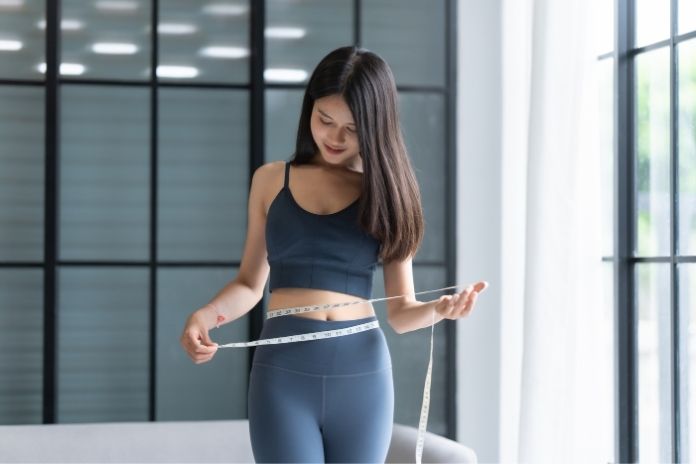
One thing worrying some women who are considering taking creatine supplements for the first time is the possibility of it causing them to look bulky. The truth is, while it does increase strength, it doesn’t increase muscle mass. Also, women don’t have high levels of testosterone, unlike males.
Instead, a firmer, more chiseled look from defined muscles, a noticeable improvement in exercise performance, and a gradual accretion of lean body mass that helps facilitate metabolism, support, and functionality would be witnessed.
“Strength training is one of the best ways to fight muscle loss as we age, and creatine may give that process an extra boost. When combined with resistance training, you can improve muscle strength, power, and even muscle mass — and that’s not just in athletes,” says Dr. Amir Khan, an NHS doctor and author of “Sunday Times” bestsellers, including “The Doctor Will See You Now.”
Improved Exercise Performance and Recovery
Creatine excels in exercises that rely heavily on rapid, consecutive efforts, such as weight training, high-intensity interval training, and most recreational sports.
Creatine helps replenish ATP and thus helps women to maintain intensity in their workouts. Thereby, it leads to increased workout quality or performance while also improving recovery between efforts. Moreover, this reduces the initial feeling of fatigue associated with workouts.
Muscle Preservation During Fat Loss or Low Activity
Women can easily lose muscle mass if calorie intake is limited, the level of physical activity is low for an extended period of time, or as one ages. The loss of lean muscle mass is detrimental to one’s metabolic, bone, and strength functions.
Creatine supplementation can promote muscle energy during these periods. Hence, helping bone and muscle functions, especially among women above 30 years old or those who want to resume physical activities.
Brain Energy and Mental Fatigue (Emerging Research)
Beyond muscle, creatine also plays a role in brain energy metabolism. Early research suggests potential benefits for mental fatigue, cognitive performance under stress, and sleep deprivation. While this area of research is still emerging, it highlights creatine’s broader role beyond physical performance.
It is important to differentiate between proven physical benefits and evolving cognitive research, which is promising but not yet definitive.
Read More: Do You Need Creatine Even If You Don’t Lift Heavy? Benefits Explained
Common Concerns Women Have About Creatine—Explained
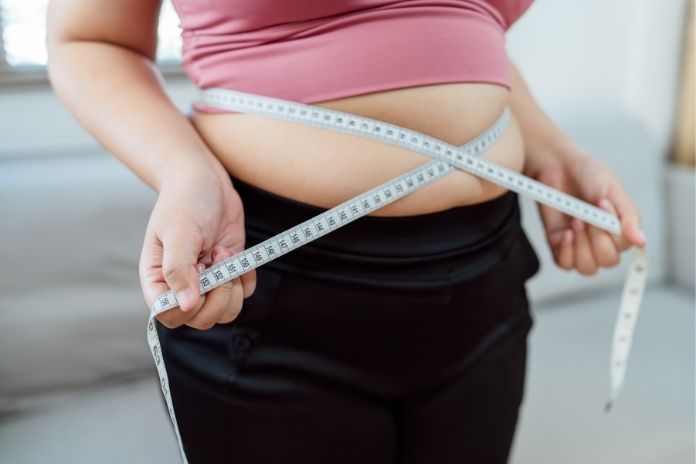
Does Creatine Cause Weight Gain in Women?
The relationship between creatine and women and weight gain can be confusing. Creatine absorbs a little extra water in muscle cells, which can manifest as a small weight increase in the early stages. This is not weight gain, as it does not impact the fat content of the body.
Women who have less muscle mass in their bodies or those who are using creatine supplements for the first time can see the impact in the initial stages.
Does creatine affect hormones or the menstrual cycle? At present, there is little evidence in current research regarding the impact of estrogen, progesterone, and ovulation, and it does not affect these hormones.
Some women notice they feel bloated at times in their menstrual cycle. It is probably due to regular fluid shifts in the body, not the supplement. Sensitive women, especially those with water retention, can opt to change their supplement intake or take a break, if need be.
Is Creatine Safe for Long-Term Use?
Long-term studies show creatine supplementation to be safe when taken regularly in moderate dosages. Staying hydrated helps to reduce the chances of side effects. There is no need to cycle creatine supplementation, though women may want to cycle the dosage according to their own preferences.
Who Benefits Most from Creatine for Women
People who prefer taking creatine are weight-training females and women who have crossed 30-40 years and want to support muscle and bone mass. They may also be vegetarians who consume low amounts of creatine or females who want to return to their exercise routine after a break or an injury.
Creatine works as an energy booster for the muscles (ATP) and helps women develop effective training sessions.
When Creatine Might or Might Not be Necessary or the Best Option
If your lifestyle is sedentary and you do not practice strength-based physical activity, the potential benefits of taking creatine supplements may be limited. Sensitive individuals with concerns about water retention or gastrointestinal problems may also choose to avoid this supplement. Anyone with existing kidney conditions should first consult their doctor.
Read More: Can You Mix Creatine with Coffee? What Happens When You Combine Them
How to Take Creatine Safely for Women

The most researched and proven creatine type for women is creatine monohydrate. The recommended dosage is 3-5 grams daily. There is no need to take creatine cycles. It is better to emphasize timing. Moreover, you can take creatine either with or without food, either before or after exercise.
Staying well hydrated can help reduce potential creatine side effects, as creatine increases water retention inside muscle cells. Creatine actually has a true benefit for muscle strength and maintenance. It is especially valuable for females who regularly exercise or experience muscle aging.
Creatine is not a supplement everyone needs. It is more like an aid to use, not a requirement for taking care of your body.
Bottom Line
Creatine is considered safe for use, as it is effective for women beyond building large muscles. It is always important for women to know what creatine can or cannot do, as it helps them use the supplement without fear or misunderstanding.
Understanding what creatine can and cannot do empowers women to make informed decisions, use the supplement confidently, and avoid common misconceptions about weight gain, hormonal effects, or “bulking.”
Ultimately, creatine is a versatile tool that can complement a healthy lifestyle, supporting women’s fitness goals, cognitive energy, and long-term physical well-being, without being mandatory or intimidating.
FAQs
Q. Can women take creatine without lifting heavy weights?
A. Yes, creatine supports muscle energy, strength, and daily physical function even without heavy weightlifting.
Q. Does creatine make women look bulky?
A. No, creatine improves strength and lean muscle support without causing excessive muscle size in women.
Q. Is creatine safe during weight loss?
A. Yes, creatine is safe during weight loss and may help preserve lean muscle while calories are reduced.
Q. Should women cycle creatine or take it daily?
A. Daily use at recommended doses is safe and effective, and cycling is not required.
References
- de Guingand, D. L. (2025, September 15). Best creatine for women: Safe & effective supplement guide. The 5XL Nutrition.
- Herbalife Nutrition. (n.d.). Creatine for women: Benefits, effects, and safety.
- Kreider, R. B., Kalman, D. S., Antonio, J., Ziegenfuss, T. N., Wildman, R., Collins, R., Candow, D. G., Kleiner, S. M., Almada, A. L., & Lopez, H. L. (2017). International Society of Sports Nutrition position stand: Safety and efficacy of creatine supplementation in exercise, sport, and medicine. Journal of the International Society of Sports Nutrition, 14, 18.
- Smith-Ryan, A. E., Cabre, H. E., Eckerson, J. M., & Candow, D. G. (2021). Creatine supplementation in women’s health: A lifespan perspective. Nutrients, 13(3), 877.
- de Guingand, D. L., Palmer, K. R., Snow, R. J., Davies-Tuck, M. L., & Ellery, S. J. (2020). Risk of adverse outcomes in females taking oral creatine monohydrate: A systematic review and meta-analysis. Nutrients, 12(6), 1780.
- Ostojic, S. M., Forbes, S. C., & others. (2022). Creatine and its role in human health. Nutrients, 14(19), 4030.
- Candow, D. G., Forbes, S. C., Chilibeck, P. D., Cornish, S. M., Antonio, J., & Kreider, R. B. (2019). Effectiveness of creatine supplementation on aging muscle and bone. Nutrients, 11(7), 1621.
In this Article