














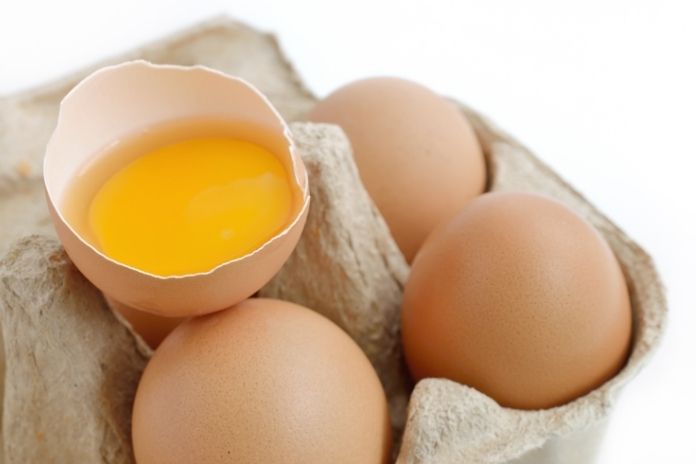
The last time I ordered eggs, there was one cracked egg in the carton. Puzzled, I questioned myself whether I should use it or not. Does it happen to you as well? You open your fridge, reach for the carton, and notice one egg with a small crack down the side. You pause and think: Should I still eat this or throw it away? Today, we will learn how to handle a cracked egg in the carton.
While eggs may seem strong, their shells are often much more fragile than they appear. A thin crack can be an open invitation to unwanted bacteria, such as Salmonella enteritidis, that need to find a way in. When and how the break happened, as well as whether the egg has been stored properly, all shape our answer.
In this article, let’s break down when a cracked egg is safe to use, when it’s not, and what you should do to avoid foodborne illness.
Quick Summary: What You’ll Learn
- When to eat a cracked egg, and when to toss it
- Why cracks increase bacterial risk
- What to do in case a cracked egg is found in the carton
- Tips for safe handling and storage of eggs
- Common myths about egg freshness and safety
Read More: 20 Interesting Health Benefits Of Quail Eggs
Why Cracked Eggs Can Be Unsafe
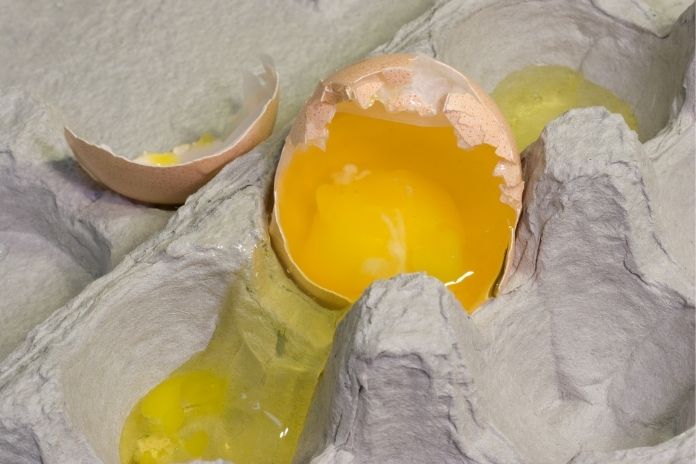
Here are a few situations where a cracked egg can be unsafe to consume:
1. Cracks Let Bacteria In
That eggshell isn’t just for appearance. It is a natural barrier to keep microbes out. Once that breaks, bacteria can easily enter the porous surface.
The USDA’s Food Safety and Inspection Service warns that eggs with cracked shells can become contaminated with Salmonella and other pathogens. This is particularly true if the egg comes into contact with moisture or is kept at room temperature.
A small crack exposes the interior of an egg to air, moisture, and other contaminants, accelerating spoilage and the growth of bacteria. If bacteria enter the egg, they can multiply rapidly, especially if the egg remains within the “danger zone” between 40°F and 140°F (4°C–60°C).
In a Q&A session by Tufts University, Lynne Ausman, DSc, RD, director of the Master of Nutrition Science and Policy program at Tufts’ Friedman School, says,“‘Bacteria associated with food-borne illness (food poisoning), including Salmonella, can enter eggs through cracks in the shells.
Even if a cracked egg appears fine, it may still harbor invisible microbes. Salmonella enteritidis infections can cause nausea, diarrhea, fever, and cramps–sometimes in as little as 6 to 72 hours after eating a contaminated egg.
2. Temperature and Time Matter
The longer the egg with a crack has remained unrefrigerated, the more time bacteria have to multiply. According to the FDA Food Code, eggs should be stored under refrigeration at 40°F (4°C) or below to limit bacterial growth.
If the egg sits out at room temperature for more than two hours, it is no longer safe to eat. Warm air accelerates bacterial growth, which may pass through the eggshell and membranes.
However, if the crack occurred recently, such as during transport from the store to your home, and the egg was refrigerated immediately, you may still be able to use it safely under the right conditions.
When a Cracked Egg Might Still Be Safe to Use
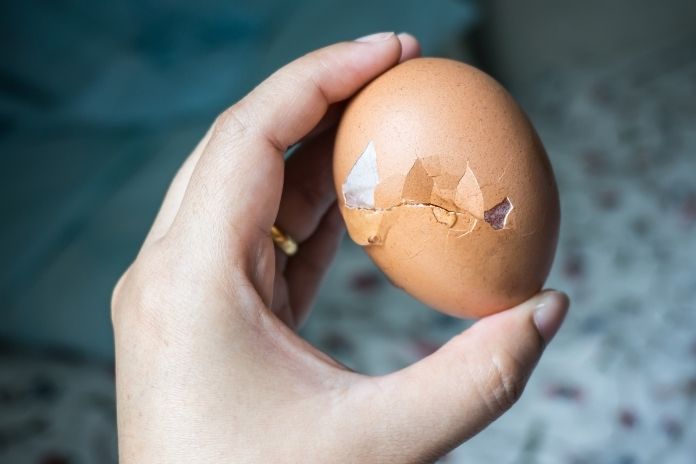
That’s where things get a little tricky. A cracked egg isn’t always a lost cause, provided you take immediate action.
If you crack an egg when you’re putting away groceries or bump the carton on the counter, the name of the game is speed and cleanliness. According to Southern Living, a freshly cracked egg that’s promptly refrigerated may still be usable-just not for long.
Follow these steps:
- Transfer the egg immediately. Crack the egg into a clean, airtight container such as a small glass jar or bowl with a lid.
- Refrigerate immediately. Keep it below 40°F (4°C).
- Use within 1–2 days. Eggs perish very quickly after being exposed to air.
Cook until the yolks are firm and the whites are set. Scrambled eggs, omelets, and baked goods are great options. Avoid recipes that use raw or undercooked eggs, like mousse, Caesar dressing, or hollandaise.
Cracked eggs should only be consumed if cooked thoroughly, as this kills bacteria and reduces the risk of foodborne illness.
So yes, you can use that cracked egg. The condition is only if it’s fresh, clean, cold, and cooked well. Otherwise, toss it.
What to Do If You Find a Cracked Egg in the Carton

Step 1 — Carefully Inspect
First, check the severity of the crack:
- A small, hairline crack in the egg without leakage or residue; found within hours after buying, might be usable.
- Major crack or leak: Sticky residue, broken shell, or oozing yolk. The egg needs to be discarded immediately.
- Dirty or contaminated shell: If the egg is sticky or has dried liquid, bacteria have probably entered.
Note: If the crack looks deep enough to have broken the inner membrane, don’t take chances; throw it out!
Step 2 — Separate and Refrigerate
If you do keep an egg with a slight crack, take it out of the carton to prevent cross-contamination. Store it in a clean, covered bowl or container, but never with intact eggs.
The USDA suggests keeping all cracked eggs separate from uncracked ones, since bacteria can spread through contact or through moisture inside the carton.
Step 3 — Use Soon and Cook Thoroughly
Use cracked eggs within 24 hours. Cook them until the yolks and whites are firm. They work best in dishes that are fully heated, such as frittatas, quiches, or casseroles.
Avoid recipes that use raw or soft-cooked eggs. Even when refrigerated, a cracked egg’s defense is weakened, and the risk increases as it remains in that state.
Read More: How Diet Impacts Body Toning: What to Eat While You Tone
How to Safely Handle Cracked Eggs

In case, like me, you have questions about ways to safely handle and consume cracked eggs, here are a few tips:
1. Never Buy Cracked Eggs at the Store
This is the first step/tip that you must follow to avoid trouble later. Before you leave the grocery aisle, open the carton and check each egg. The USDA prohibits the sale of visibly cracked eggs due to the risk of contamination. If you find one, ask for a new carton or get the egg replaced.
Retailers usually destroy or re-pasteurize chipped eggs for sale. But in homes, there is no such guarantee. This makes checking them even more important before you make the purchase.
2. Hand Washing and Surface Cleaning
After handling cracked or raw eggs, wash your hands with warm, soapy water for at least 20 seconds. Try to clean up any surfaces, counters, or bowls that came into contact with egg residue with a disinfectant.
Eggshells can harbor bacteria even when intact, and when they crack, the potential for cross-contamination skyrockets. Never put cracked eggs or shells back into the carton, as the moisture can spread bacteria to the rest of the eggs.
3. Refrigerate Correctly
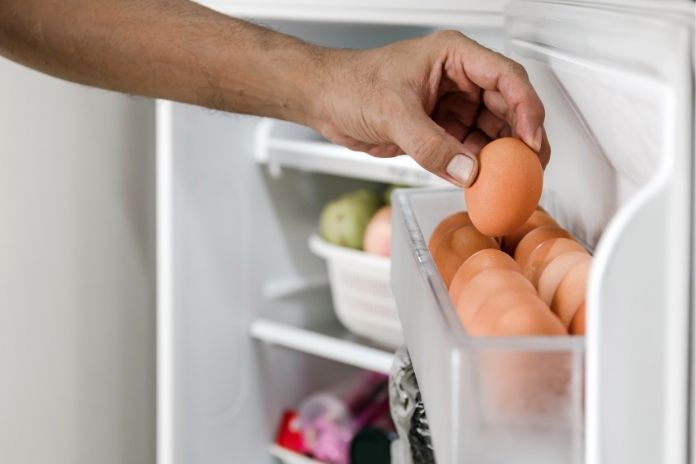
To keep eggs safe, temperature control is an important factor. Keep your refrigerator at a temperature below 40°F (4°C); store eggs in their original carton, rather than on the fridge door, where the temperature fluctuates.
The USDA Food Safety and Inspection Service also states that constant cold storage preserves the freshness and delays microbial development.
Signs a Cracked Egg Has Gone Bad
If you are unsure how long an egg with a crack has been in your refrigerator, check it carefully before using it. Here are a few signs to look out for:
- Unpleasant Odor: The existence of a strong smell of sulfur or of something rotten serves as proof of bacterial spoilage.
- Discoloration: Pink, green, or grayish whites suggest bacterial growth. Cloudy whites can be normal in fresh eggs, but off-colors indicate contamination.
- Too Runny or Too Thick: A very thin, watery egg white or an excessively lumpy yolk may indicate deterioration.
- Mold or Residue: Any visible mold or sticky substance near the crack means discard immediately.
A bad egg will smell “off” long before it looks spoiled. So when in doubt, trust your nose.
The rule of thumb is: when in doubt, throw it out. No meal is worth a bout of food poisoning.
Can You Freeze or Cook Cracked Eggs for Later?
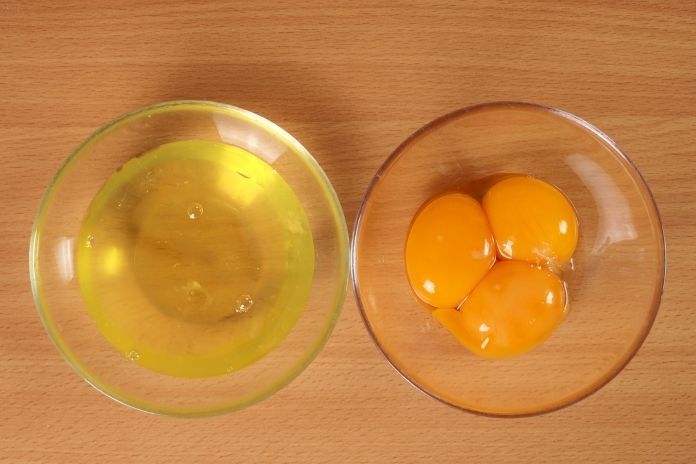
Freezing is one method to salvage a freshly cracked egg. However, it is useful only if handled immediately. You can safely freeze the contents of a freshly cracked egg as long as they’re clean and uncontaminated.
Here’s how to do it right:
- Break the egg into a clean bowl, while discarding the shell.
- Beat lightly, if freezing whole; for separation, divide whites and yolks.
- Transfer to a freezer-safe bag or an airtight container.
- Label and date the container.
Frozen eggs can be stored for up to 6 months and should be used only in completely cooked dishes, such as baking or scrambling eggs. Don’t use frozen eggs in any recipe that requires raw eggs because freezing doesn’t destroy bacteria; only heat does.
Read More: Cold-Weather Immunity: Zinc, Vitamin D, Sleep, What Actually Helps
Quick Recap
Cracked eggs can be safe, but only under very strict conditions.
If the egg was cracked at the store, left unrefrigerated, or leaking, throw it away.
If the crack happened recently, the egg is clean and cold, and you’re planning on cooking it thoroughly within 1–2 days, it’s generally okay. You must always wash your hands, sanitize surfaces, and store eggs at 40°F or below.
But when in doubt, throw it out. A few cents saved isn’t worth a trip to the ER. Egg safety begins with awareness, proper refrigeration, and safe cooking practices. Handle them right, and your breakfast stays both delicious and safe.
The bottom line: Don’t risk eating cracked eggs raw or undercooked, because Salmonella can thrive inside even a small crack.
Safe handling isn’t just about avoiding waste; it is about preventing illnesses!
FAQs
1. Can I eat a cracked egg that’s been in the fridge overnight?
The answer is yes. However, only if it has cracked recently and has been kept cold and covered. Use it within 24 hours and cook it fully. If you’re unsure how long it’s been cracked, better to discard it.
2. Is it okay to consume an egg that cracked while boiling?
Yes. If the egg cracked during boiling, it’s still safe, because heat kills bacteria. The USDA confirms that such eggs are safe to eat as long as they are fully cooked.
3. Can you bake with cracked eggs?
Yes, but only if refrigerated immediately after cracking and used soon. Baking fully cooks the egg, thereby reducing bacterial contamination.
4. How do I know whether a cracked egg is still fresh?
Check the odor, color, and texture: A fresh egg has a neutral smell, firm yolk, and thick white. Any sour or sulfur-like smell means that it has spoiled.
5. Can washing a cracked egg make it safe to eat?
No. Washing simply pushes the bacteria further into the shell and does not remove contamination.
6. At what temperature should I store eggs to prevent spoilage?
Always refrigerate eggs at a temperature below 40°F (4°C) and avoid storing them in the refrigerator door.
7. How long are cracked eggs good for in the refrigerator?
If transferred to a clean container and refrigerated immediately, use within 1–2 days. Beyond that, bacterial risk increases.
In this Article