















What if your drive home was also your workout?
All these years, my work commute involved a little walk to the bus stop and then hopping on the bus and dozing off there. Surprisingly, I could have managed to work out even while doing so. Surprised? Read on to know more.
For most, the daily commute is a source of stress. We’re just sitting in traffic, dashing for the bus, or wedging into crowded trains. Hours are wasted simply driving home from work and back again, with little time for physical exercise. The final result? Fitness resolutions are easily pushed to the back burner.
But what if we turned the tables? Rather than viewing commuting as dead time, more individuals are finding active commuting. It is a low-key yet effective way to incorporate fitness into your routine without requiring extra time. By walking, biking, or even jogging portions of your route, you create your daily commute into a formal training session.
And this has nothing to do with light strolling or gentle pedaling. Using the right methods, such as intervals, hills, resistance, or rucking, you can transform your commute into a productive, results-oriented workout that builds endurance, torches calories, and enhances overall health.
This article is about how you can rethink your commute. We’ll take a look at what an active commute actually is, the numerous benefits it offers, and step-by-step tips to enhance both walking and cycling into efficient workout regimes. You’ll even see example commute WODs (Workouts of the Day) to get started immediately.
Read More: 6 Outdoor Workout Ideas for Fresh Air and Vitamin D Boost
What Is an Active Commute?

An active commute is any type of direct trip to and from the workplace that is done with exercise. Instead of sitting in the driver’s seat or back of an Uber, you’re powering yourself using your body. You can do this by walking, biking, running, or sometimes using a combination of means in between.
One of the great things about active commuting is the flexibility. These are some of the typical methods:
- Walking Commute: A simple choice for individuals who reside no more than a few miles from work. Depending on the distance and speed, it can become an effortless endurance exercise.
- Cycling Commute: Best for medium-distance travel, cycling is quicker than walking but no less good for cardiovascular and muscular health.
- Run-commuting: A higher level of option, commonly selected by runners who prefer substituting car rides for mileage.
- Hybrid Methods: Some walk part of the way and use public transport, or cycle to work but take the train home.
- Altered Commutes: Even if you use an e-scooter or car, parking further away or walking some of the distance can incorporate movement into your day.
What makes active commuting powerful is that it turns routine travel into consistent exercise. Unlike a gym workout that requires motivation and scheduling, commuting is non-negotiable; you’re doing it anyway. By making small adjustments, you ensure that activity becomes built into your lifestyle.
Benefits of Turning Your Commute Into a Workout

Transforming your commute into exercise pays off in ways that go far beyond burning calories. Here’s why thousands are adopting the approach:
- Time Efficiency: In contemporary living, time is the greatest obstacle to daily exercise. By doubling your ride into your fitness session, you address two issues in one shot. Rather than spending an additional 60 minutes at the gym, those minutes represent travel you’re already undertaking daily. In a week, that might translate to 3–5 hours of added activity without changing your schedule.
- Cardiovascular Fitness: Both cycling and brisk walking increase your heart rate, conditioning your cardiovascular system. Walking and cycling daily lowers the risk of stroke, heart disease, and high blood pressure, as reported by studies. Even moderate exercise, if practiced consistently, enhances circulation, lung function, and overall stamina.
- Weight Management and Metabolism: Walking a mile would burn 80-100 calories, whereas a cycling commute at moderate intensity would burn 40-50 calories per mile. Multiplying this over months and weeks, the calories stack up, rendering active commuting an effective means of weight retention and fat loss.
- Mental Health Benefits: Commuting is usually equated with stress. But if you make it a movement, then it is a mood booster instead. Exercise causes endorphins, lowers cortisol, and promotes focus. You get to the office more charged and come home calmer.
- Green and Pocket-Friendly: Aside from health benefits, commute workouts also save on fuel expenses, parking, and public transportation costs. From an environmental perspective, it lowers carbon footprints, promoting eco-living while enhancing one’s own health.
- Daily Consistency: When we compare workouts that are optional to skip, commuting is a daily activity. Commuting is something we cannot avoid in our daily lives. This daily routine keeps you active even on hectic weeks, establishing a built-in exercise habit that takes little additional willpower.
How to Make Walking a Workout

Walking is too easy to qualify as training, but with purpose, it is a very efficient method of exercise. Here’s how to upgrade your walking commute:
- Add Intervals: You can add intervals by alternating between fast walking and regular pace. For instance, walk quickly for two minutes, and slowly for one minute. Continue this pattern throughout your commute. This interval method promotes cardiovascular conditioning and consumes more calories than constant walking.
- Opt for Inclines and Stairs: Look for streets with uphill sections, ramps, or staircases. Walking up hills demands more muscle activity, especially in the glutes, calves, and quads. This makes your commute both a strength and cardio exercise.
- Rucking (Weighted Walking): Wearing a weighted backpack, or even your work bag with some added weight, turns walking into resistance training. Begin light (5–10% of body weight) and build up. Rucking improves endurance, burns calories, and builds back and core strength.
Read More: Cycling for Cardio: Exploring the Benefits of Indoor and Outdoor Cycling Workouts
Form and Posture Make a Difference
Have your head up, shoulders down, and core tight. Pendulate your arms to keep the momentum going. Good posture avoids injury and makes your walk more effective.
Extend Your Route:
Insert another block or short detour to increase your distance. Even 10 extra minutes can significantly increase your step count, equating to increased weekly activity.
Walking exercises are within reach, joint-friendly, and customizable, making them ideal for newbies or those with walkable transit to work.
How to Turn Cycling Into a Workout
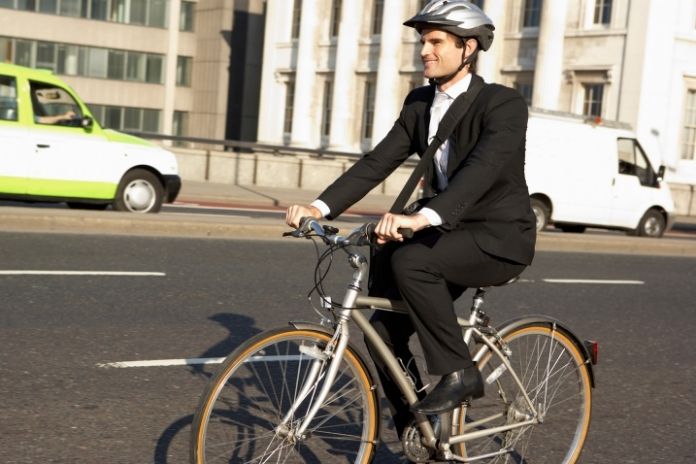
Cycling is another great commuting choice. It is faster than walking but still great for cardiovascular fitness and muscle endurance. Adding structure can turn a casual bike ride into an intense cycling workout:
- Use Interval Training: Switch between bursts of high intensity (sprint for 20–30 seconds) and steady recovery rides. These intervals increase speed, endurance, and stamina.
- Seek Out Hills or Bridges: Rather than skirting around hills, take them on. Hills work more muscles, work cardiovascular strength, and simulate resistance training for the lower body.
- Opt for Gearing: Pedaling in a heavier gear works harder per pedal stroke, and it increases leg strength. Mix heavy and light gears to simulate resistance training.
- Track and Measure Progress: You can go for fitness apps/ trackers to measure your performance. Strava or Garmin apps not only record distance but also pace, heart rate, and elevation. A tracking device will enable you to set goals and maintain consistency.
- Think of a “Commute Loop”: If the route is too short, do a loop or detour before reaching work. Even 10 minutes extra will make your session more productive.
Cycling commutes are a great way to enjoy low-impact cardio while still providing a strong challenge to the lower body. With regular cycling over time, aerobic capacity is enhanced, joints are made stronger, and the risk of chronic disease is diminished.
Example Commute WODs (Workout of the Day)
Want to put it all together? Here are organized commute workout routines you can start immediately.
1. Walking Commute WOD (20–30 min):
5 minutes: Light warm-up pace
Start your walk at a comfortable, easy pace. This warms up your muscles, increases blood flow, and gently prepares your joints for more intense walking. Think of it as your body’s signal that movement is starting. You can do it just like stretching before a gym session, but in motion.
Following the warm-up, switch between fast walking (imagine walking in a hurry to a meeting) for two minutes and a leisurely pace for one minute. Repeat this five times. Brisk walking gets your heart rate up, uses bigger muscle groups, and utilizes far more calories than an easy walk. The one-minute recovery allows you to catch your breath and maintain the workout for the entire commute without exhaustion.
5 minutes: Cool-down walk
End with a slower walk. Gradually cooling down reduces your heart rate, decreases the risk of post-walk stiffness, and gets your body into “work mode.” If you’re walking to the office, this phase also avoids walking in soaked clothes.
Why this works: This format mimics classic interval training, shown to improve cardiovascular endurance and fat burn without extending your commute. You’re essentially turning everyday walking into a structured calorie-torching session.
2. Cycling Commute WOD (25–40 min):
5 minutes: Gradual pedaling warm-up
Begin with easy pedaling at a low gear. This prepares your leg muscles and cardiovascular system for harder work ahead, much like an athlete easing into a training ride. A warm-up also helps reduce the risk of strain, especially if you’re starting the ride in cool morning air.
30-second sprint / 90-second steady ride × 8 rounds
Following the warm-up, change pace: pedal fiercely and quickly for 30 seconds and then maintain a consistent, comfortable speed for 90 seconds. Do this eight times. These bursts of sprinting boost aerobic capacity, create leg strength, and simulate the method of interval training that competitive cyclists employ during performance rides. The steady periods provide your body with only enough recovery to sustain intensity during the commute.
5–10 minutes: Light pedaling to cool down
Finish your ride with slow pedaling at low resistance. This cool-down process helps your breathing and heart rate return to normal before you start your day. It’s particularly useful if you’re entering an office setting directly, as it prevents stiffness and undue post-ride tiredness.
Why this works:
This workout turns a basic bike commute into a powerful cardio session. You’ll burn more calories, strengthen lower-body muscles, and improve stamina.
Dr Shuchin Bajaj, Founder & Director, Ujala Cygnus Group of Hospitals, says cycling is the best way to promote health and fitness. “Cycling has a positive effect on the health of almost all people. During cycling, the deeper breathing helps to cleanse the lungs better. That is optimal when it comes to virus protection. It not only keeps you at a distance from others but also reduces the risk of contamination by touching surfaces,” says Bajaj.
Hybrid Commute WOD:
Walk the first mile at a brisk pace.
Begin with walking, preferably the initial mile of your journey if the road allows. Walking beforehand slowly wakes up the body, loosens the muscles, and increases heart rate before shifting into cycling. A fast walk (around 3.5–4 mph) finds the right balance between effort and maintainability.
Cycle the remaining time with 3–4 hill repeats or sprint bursts.
After converting to cycling, incorporate formal intensity: either do three or four hills with significant effort or incorporate brief bursts of sprinting every 5–10 minutes. Hills create leg strength and simulate strength training, while sprints build cardiovascular endurance. Both create variation, so the workout does not get stagnant.
How it works:
Hybrid commuting combines low-impact walking with the strength and stamina of cycling. It is particularly effective for longer journeys as it divides the trip into two manageable halves with a full-body training effect. Also, alternate between cycling and walking to avoid repetitive strain and make active commuting easier over the long term.
Read More: The 3D Core Workout – Why You Need More Than Just Crunches
Safety Reminders for Commute Workouts

Commuting and exercising put you in proximity with roads, sidewalks, and public areas—so safety is not an option. Keep these basics in mind:
- Wear Proper Shoes and Gear: Choose supportive shoes for walking, and always wear a helmet for cycling. Ill-fitting shoes or poor gear can cause injuries.
- Stay Visible: Use reflective clothing, headlamps, or bike lights if commuting early or late. Visibility reduces the risk of accidents.
- Hydrate Before and After: Carrying water might not always be convenient, so drink before leaving home and rehydrate upon arrival.
- Warm Up and Cool Down: Even just 2–3 minutes of stretching or gentle movement helps prevent stiffness and injuries.
- Be Aware of Surroundings: Keep headphones low volume or use open-ear options. Stay mindful of traffic, pedestrians, and obstacles.
- Follow Local Laws: Obey traffic signals, ride in designated lanes, and avoid jaywalking. A safe commute is a sustainable commute.
Who Benefits Most from Commute Workouts?
Active commuting is for all, but certain demographics appreciate it especially:
Busy Professionals: Commuting workouts allow individuals with tight schedules to stay fit without taking additional time off for the gym.
Urban Residents: Inhabitants of cities that have walkable streets or bike lanes can transform short journeys into efficient everyday exercise.
Eco-Conscious Individuals: If an interest in carbon footprint reduction is one that will shape your decisions, active commuting is one of the easiest, most influential ways to change your lifestyle.
People Seeking Sustainable Fitness: Others dislike gyms or struggle to find motivation for formal workouts. Active commuting offers regular, daily exercise without the stress of formal work.
Weight and Health Management Seekers: Individuals who want to lose weight, manage their blood pressure, or reduce stress can achieve quantifiable health improvements through regular active commuting.
Conclusion
Active commuting is not just an exercise trick. It’s an upgrade to your lifestyle. It takes something you’re already doing each day, going to work, and makes it a chance to move, get stronger, and de-stress.
Cycling and walking commutes can be done with intervals, hills, or strength to suit your fitness needs. They save time, boost health, and contribute to creating a better world.
Rather than considering your commute as lost time, think of it as training time. Experiment with brisk intervals during your walk, pedal harder on your bike commute, or add a few blocks to your route for extra steps. Small daily increments add up to achieve long-term gains in strength, endurance, and general well-being.
So next morning, when you are catching your shoes or riding your bike, don’t just consider how you will get to work, think about how strong you are getting in this process!
References
- https://www.betterhealth.vic.gov.au/health/healthyliving/cycling-health-benefits
- https://www.strava.com/
- https://www.polar.com/en/journal/interval-training-running
- https://timesofindia.indiatimes.com/life-style/health-fitness/weight-loss/rucking-new-walking-trend-that-can-help-with-instant-weight-loss/articleshow/112993755.cms
- https://pmc.ncbi.nlm.nih.gov/articles/PMC7540011/
- https://hornback.bike/blogs/blog/how-to-convert-your-daily-commute-into-a-workout
In this Article