












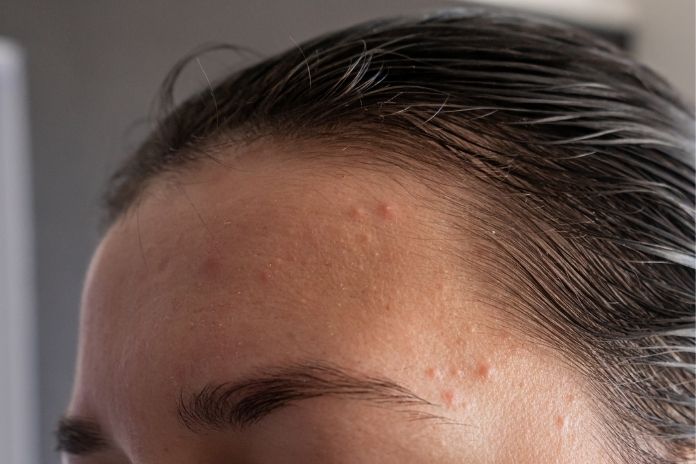
Have you ever wondered about the origin of those bothersome skin colored pimples on your forehead? Unfortunately, they usually move in groups and are an irritating skin condition known as closed comedone. They are currently popular on TikTok because, to be honest, they interfere with your “Clean Girl” appearance. Instead of the desired glass-skin smooth surface, they usually introduce roughness to the skin.
The good news? Closed comedones are very common and can be cured with the appropriate method. The first step to having clearer skin is knowing what they are and why they arise.
This article will give you the valid reasons behind these stubborn pimples, ranging from plugged pores to potentially harmful skincare practices.
Read More: Can Too Much Biotin Cause Acne? The Surprising Connection
What Are Closed Comedones?

When oil, dead skin cells, and bacteria become trapped within a pore beneath a thin layer of skin, closed comedones form. Because they are not exposed to air, unlike blackheads, they remain pale or flesh-colored rather than darkening. Comedonal acne is a common, moderate form of acne that affects both adolescents and adults.
These pimples are a particular manifestation of comedone acne. The forehead, cheeks, or the area around the chin and jawline are common locations for closed comedones. Although they are tiny, they can make the skin feel rough or cause uneven skin texture.
“Closed comedones are a form of acne that results when a pore becomes completely blocked with dead skin cells and excess oil,” says Dr. Marie Hayag, a board-certified dermatologist in NYC and Skincare.com consultant.
Closed Comedones vs Whiteheads: What’s the Difference?
People frequently use the terms “whiteheads” and “closed comedones” interchangeably, and it makes sense. Both involve clogged pores and show up as tiny, elevated pimples on the skin. Dermatologists differentiate between them because the pores function differently internally, which also affects how each is treated.
Whiteheads: Whiteheads are among the most prevalent forms of acne. They develop when a mixture of germs, dead skin cells, and oil clogs pores. In contrast to blackheads, whiteheads have a closed top, which gives them the traditional appearance of a white or flesh-colored bump.
Closed comedones: Sometimes mistaken for whiteheads, these are another type of acne lesion. They appear as small bumps beneath the skin’s surface when pores are clogged with sebum and dead skin cells.
Knowing the difference makes it easier to set reasonable expectations, particularly when under-the-skin bumps that are hard to get rid of don’t behave like regular breakouts.
What is the Cause of Closed Comedones?
Below are some of the causes for the formation of closed comedones:
Daily Factors:
- Overproduction of sebum
- Accumulation of dead skin cells
- Applying thick or oil-based skincare products and makeup
- Improper cleaning, particularly after applying makeup or sunscreen
Lifestyle and Environment: Hot weather, humidity, and sweating, as well as touching the face and tight headgear, can exacerbate tightness by retaining dirt and oil on the skin.
Hormones and Drugs: Hormonal fluctuations from menstruation, stress, or puberty can increase oiliness, and in some individuals, certain medications may contribute to closed comedones.
Read More: Acne Scars 101: How to Treat Different Types of Scars Effectively
Common Areas Where Closed Comedones Appear
In regions such as the forehead, nose, and chin, where oil glands are most active, closed comedones are most common. They can, however, appear anywhere on the face, including the back and top of the chest, which are home to many sebaceous glands.
Acne on the cheeks doesn’t cause inflammation. Usually, neither pus nor the bacteria that can cause acne are present in the lesions. Additionally, they typically don’t feel red or sensitive to the touch. However, in aperson suffering from acne, they may or may not coexist with inflammatory blemishes.
What Makes Closed Comedones Worse
People often attribute the persistence of closed comedones to routine activities that unknowingly worsen the condition. One of the most significant contributors is excessive exfoliation.
Exfoliating the skin may help remove dead skin cells, but doing so too often can irritate the skin barrier and increase oil production, which can further clog pores. Aggressive washes and acids cause bumps to grow rather than quickly clearing them up.
Heavy covering products can likewise worsen closed comedones. Unless they are described as “non-comedogenic”, thick creams, balms, and even some oils can trap sweat, bacteria, and debris within the pore, creating an environment that makes it harder for the pore to “breathe,” resulting in increased congestion.
How to Treat Closed Comedones Safely
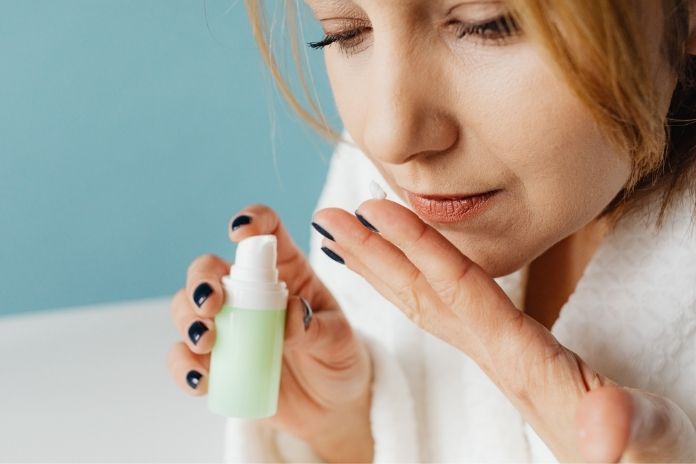
For most people, consistent gentle care at home is the most effective treatment for closed comedones.
Cleansing: Use a mild cleanser without abrasives, and wash your face twice daily. Always remove your makeup before going to bed, and cleanse your face after working out to help keep your pores clear without drying your skin.
Moisturising: Even if you have oily skin, you should still moisturise. When you want to keep your skin hydrated and maintain a healthy oil balance, use a non-comedogenic, lightweight moisturizer. It decreases the amount of sebum that your skin produces, which is beneficial.
Sun Protection: Shielding your skin from ultraviolet rays helps you maintain a healthy skin barrier. You should select a non-comedogenic sunscreen suitable for your skin.
Product Choices: When selecting a product, look for a fragrance-free and moderate skincare product. Prevent clogged poresby avoiding thick lotions or oils. Ingredients such as coconut oil can aggravate congestion and cause comedones. Mild, soap-free cleansers can help maintain balance.
Practical Daily Habits: Do not pop closed comedones, as doing so can cause irritation or scarring and may also harm your skin barrier. You should avoid this practice, even though it may seem sound and routine. When you exercise, keep your hands away from your face, change your pillowcases frequently, and shower to eliminate sweat and oil.
Read More: Acne Around the Mouth? Here’s What Your Skin Is Trying to Tell You
Should You Extract Closed Comedones?
People who have closed comedones sometimes try to pop them, which is one of the most common mistakes. Because these lumps lie beneath the surface, pinching them will only damage the surrounding skin, increasing the likelihood of inflammation, infection, and even scarring. Instead of aggressive extraction, it is advised that you refrain from using your hands and let consistent skincare do the work.
Also, make an effort to avoid behaviors that can make breakouts worse, such as smoking and eating an excessive amount of sweets, as both of these behaviors can have a detrimental impact on the overall health of the skin.
Skincare Routine Tips to Prevent Closed Comedones
Closed Comedones in minor cases can frequently be avoided or minimized. The following are some steps that you can take to help maintain clear pores:
- Wash acne-prone skin only twice a day, because washing more often can worsen the condition.
- Regular exfoliation helps remove dead skin cells.
- Use non-comedogenic, oil-free makeup and skincare products.
- Make sure all of your cosmetic applicators and brushes are spotless.
- Don’t touch your face.
- Before you go to bed, always take off your makeup.
- After working out or other physically demanding activities, take a shower right away to avoid letting sweat and oil linger on your skin.
Even when a person takes good care of their skin, closed comedones can still grow. The following steps to stop closed comedones from developing in this situation are over-the-counter acne treatments or prescription drugs.
When Closed Comedones Need Dermatology Care
When in doubt, see a dermatologist, even if many closed comedones respond to a gentle, steady approach. Bumpiness under the skin’s surface that’s worsening and spreading can often indicate something more profound that needs medical exploration—hormonal changes, congestion, or a skin condition.
When regular treatment fails to improve, dermatologic care becomes even more crucial. A dermatologist can modify your strategy if you’ve been using retinoids, non-comedogenic products, and a balanced routine for at least 8 to 12 weeks without seeing any improvement.
They might advise in-office extractions, prescription-strength medications, or a diagnosis of milia, fungal acne, or early inflammatory acne rather than closed comedones.
Read More: Fungal Acne vs. Bacterial Acne: Spot the Difference and Treat Effectively
Conclusion
Despite their stubbornness, closed comedones can be very common and very treatable when approached with the proper care. Knowing what these lumps under the skin on the face are and how they differ from whiteheads can help set realistic expectations for treatment and results. Gentle, regular skincare is essential, as is avoiding practices such as picking or excessive exfoliation, which can exacerbate congestion.
Keep in mind that the healing of closed comedones is a slow process, taking weeks or even months as the skin regenerates. Being patient will definitely pay off. Additionally, dermatological care can offer clarity and more effective solutions when blemishes get worse, spread, or begin to undermine your self-esteem.
References
- La Roche-Posay. Closed comedones: Causes and treatment of comedonal acne.
- E45. Closed comedones: What they are and how to care for them.
- Oakley, A., Ngan, V., & Morrison, C. (2014). Comedonal acne
- Reforme Labs. Understanding the Difference Between Whiteheads, Milia, and Closed Comedones.
- Skincare.com. Jordan Julian. (2022, November 4). How to get rid of closed comedones.
- Pauline. (2024, October 16). How to get rid of closed comedones
In this Article