





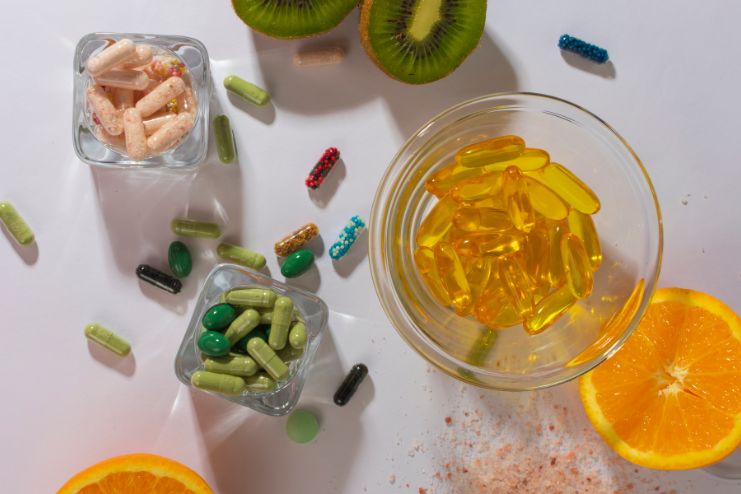
Taking care of your heart means managing cholesterol levels, and with so many methods available, it’s important to explore all the options for achieving and maintaining healthy cholesterol. One solution that’s gaining popularity is cholesterol-lowering supplements. Whether used as a standalone treatment or alongside traditional methods, these supplements are becoming more commonly considered by people looking for natural ways to support their heart health. As interest grows in these alternatives, it’s essential to take a deeper look at how they work, their effectiveness, and what the science says about them.
This article aims to give you a clearer understanding of cholesterol-lowering supplements by diving into the evidence available. We’ll explore both the potential benefits and risks associated with these supplements, helping you make an informed decision about whether they’re right for you. It’s important to know what you’re getting into, as not all supplements are created equal, and their effects can vary based on individual needs and health conditions.
Ultimately, we want to empower you with the knowledge to make proactive, informed choices when it comes to managing your cholesterol. Whether you’re considering supplements, lifestyle changes, or other treatment options, understanding the full picture will help you find the most effective approach for your heart health. By giving you the facts, we hope you feel confident in taking the next steps toward a healthier, well-balanced life.
Read More: Symptoms Of High Cholesterol
Common Cholesterol-Lowering Supplements
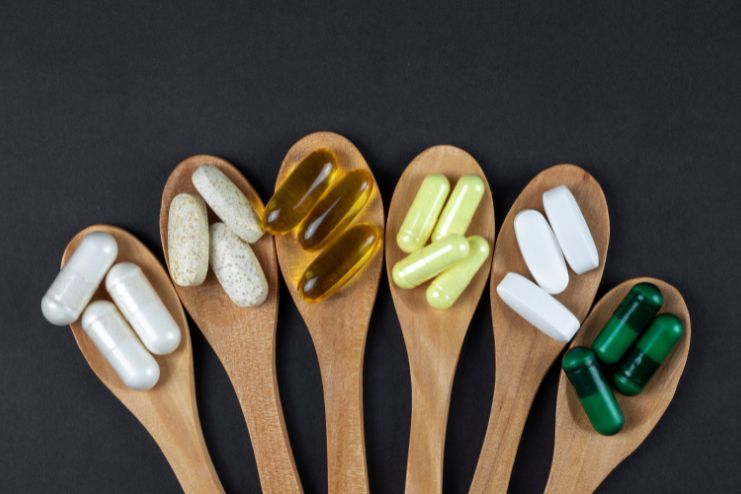
Understanding Plant Sterols and Stanols
Plant sterols and stanols are naturally occurring compounds found in plants that have gained attention for their ability to help reduce LDL (low-density lipoprotein) cholesterol, often referred to as “bad” cholesterol. Structurally similar to cholesterol, these compounds work in a unique way to support heart health by lowering cholesterol levels. By understanding how they function, we can better appreciate their role in cholesterol management.
How Plant Sterols and Stanols Work
These plant compounds reduce LDL cholesterol by interfering with its absorption in the intestines. Essentially, plant sterols and stanols compete with dietary cholesterol for absorption, leading to a reduced amount of cholesterol entering the bloodstream. This process helps lower overall cholesterol levels, which can be beneficial for individuals looking to improve their cardiovascular health.
The Evidence Behind Their Effectiveness
A wealth of scientific research supports the effectiveness of plant sterols and stanols in reducing LDL cholesterol. Numerous studies have demonstrated that incorporating these compounds into a balanced diet can lead to a significant reduction in cholesterol levels. Their ability to help manage cholesterol has made them a promising natural option for people aiming to improve heart health.
By integrating plant sterols and stanols into your diet, you can take a natural and scientifically backed approach to managing your cholesterol levels. This method can complement other heart-healthy strategies, contributing to a holistic approach to cardiovascular well-being.
Understanding Omega-3 Fatty Acids and Their Impact on Cholesterol Levels
Omega-3 fatty acids, notably eicosapentaenoic acid (EPA) and docosahexaenoic acid (DHA), are essential nutrients predominantly found in fish oil supplements. These compounds play a pivotal role in regulating cholesterol levels, thereby supporting cardiovascular health.
Key Benefits of Omega-3 Fatty Acids:
- Lowering Triglycerides: Omega-3s have been shown to reduce triglyceride levels, which are a type of fat in the blood associated with heart disease risk.
- Increasing HDL Cholesterol: Regular consumption of EPA and DHA can boost high-density lipoprotein (HDL) cholesterol, often termed the “good” cholesterol, which aids in removing low-density lipoprotein (LDL) cholesterol from the bloodstream.
- Modifying LDL Cholesterol: While EPA does not significantly affect LDL levels, DHA has been observed to increase LDL cholesterol concentrations. However, the clinical significance of this change remains a subject of ongoing research.
Incorporating Omega-3s into Your Diet:
To harness the cholesterol-regulating benefits of omega-3 fatty acids, consider the following dietary sources:
- Fatty Fish: Regularly consuming fatty fish such as salmon, mackerel, and sardines can provide substantial amounts of EPA and DHA.
- Supplements: For individuals who may not consume sufficient fish, fish oil supplements are available. It’s essential to consult with a healthcare provider before starting any new supplement regimen.
Considerations and Recommendations:
- Potential Side Effects: While omega-3s offer numerous benefits, excessive intake can lead to side effects such as gastrointestinal discomfort, increased bleeding risk, and elevated LDL cholesterol levels. It’s crucial to adhere to recommended dosages and seek medical advice when necessary.
- Whole Foods vs. Supplements: Some studies suggest that obtaining omega-3s from whole food sources like fatty fish may be more beneficial than relying solely on supplements. Whole foods provide additional nutrients that contribute to overall health.
Read More: Daily Supplements for Heart Health: Vitamins and Minerals to Manage Cholesterol
Herbal Supplements
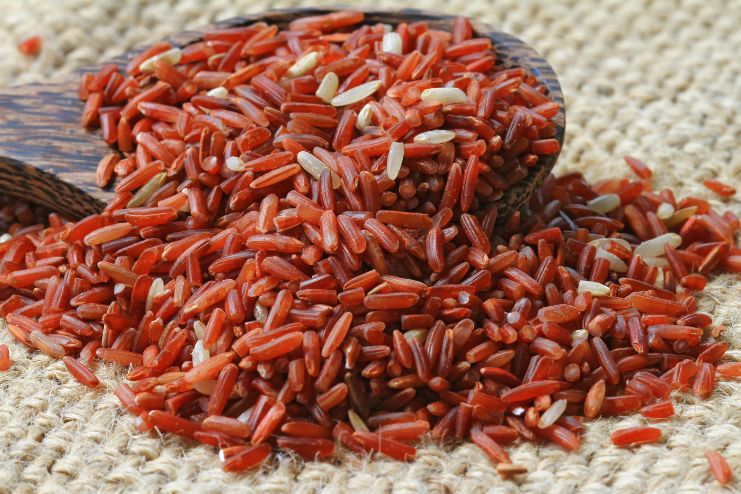
Red Yeast Rice:
Red Yeast Rice: A Natural Supplement with Potential Risks
Red yeast rice has gained popularity as a natural supplement purported to lower cholesterol levels. Produced by fermenting rice with the mold Monascus purpureus, it contains compounds known as monacolins, particularly monacolin K, which is chemically identical to lovastatin, a prescription statin used to manage cholesterol.
Potential Benefits:
- Cholesterol Reduction: Studies suggest that red yeast rice can effectively lower LDL (“bad”) cholesterol levels. A 2019 review indicated that daily consumption of monacolin K from red yeast rice could reduce LDL cholesterol by 15–25% within 6–8 weeks.
Safety and Side Effects:
While red yeast rice may offer cholesterol-lowering benefits, it’s essential to be aware of potential risks:
- Variable Monacolin K Content: The amount of monacolin K varies significantly among red yeast rice supplements, leading to inconsistent effectiveness and safety profiles. Some products may contain no monacolin K, while others have amounts comparable to prescription statins.
- Potential Side Effects: Similar to statins, red yeast rice can cause side effects, including:
○ Muscle pain or weakness
○ Liver toxicity
○ Kidney issues
○ Gastrointestinal discomfort such as bloating, gas, or stomach pain
○ Headaches and dizziness
- Citrinin Contamination: Some red yeast rice products may contain citrinin, a mycotoxin that can cause kidney damage. Although recent studies have found no citrinin in certain products, the risk persists, emphasizing the need for careful product selection.
- Regulatory Concerns: Inconsistent manufacturing practices can lead to products with varying quality and potency. For instance, a 2020 study found that monacolin K content in red yeast rice supplements varied over 60-fold among different brands.
Garlic Supplements:
Garlic Supplements: Exploring Their Role in Cardiovascular Health
Garlic has long been celebrated for its potential cardiovascular benefits, with its use dating back to ancient civilizations. Many turn to garlic supplements as a natural approach to enhance heart health, particularly for their purported cholesterol-lowering properties.
Potential Benefits of Garlic Supplements:
- Cholesterol Reduction: Some studies suggest that garlic may have a modest effect on lowering LDL (“bad”) cholesterol and triglycerides. A meta-analysis indicated that garlic supplementation could reduce total cholesterol by approximately 12% compared to a placebo.
- Blood Pressure Regulation: Garlic contains bioactive compounds like allicin, which have been associated with improved blood pressure control. Regular consumption may contribute to better cardiovascular function.
Considerations for Incorporating Garlic Supplements:
- Individual Variability: The effects of garlic supplements can vary among individuals, influenced by factors such as dosage, supplement form, and personal health conditions. It’s essential to approach these supplements with realistic expectations.
- Complementary Approach: While garlic supplements may offer benefits, they should complement a heart-healthy lifestyle that includes a balanced diet and regular physical activity. They are not a substitute for other proven cardiovascular interventions.
- Consultation with Healthcare Providers: Before adding garlic supplements to your routine, especially if you have existing health conditions or are taking other medications, it’s advisable to consult with a healthcare professional. This ensures that the supplement aligns with your individual health needs and helps prevent potential interactions or side effects.
Evaluating the Evidence
Clinical Studies and Meta-Analyses:
Evaluating the Effectiveness of Cholesterol-Lowering Supplements
Cholesterol-lowering supplements have been extensively studied through clinical trials and meta-analyses to assess their impact on lipid profiles. Research often focuses on supplements such as plant sterols, omega-3 fatty acids, red yeast rice, and garlic.
Plant Sterols:
- Mechanism: Plant sterols work by blocking cholesterol absorption in the intestines, thereby lowering LDL cholesterol levels.
- Efficacy: Studies have demonstrated that plant sterols can effectively reduce LDL cholesterol. A meta-analysis of randomized controlled trials indicated that plant sterols lower LDL cholesterol levels across various dosages.
Omega-3 Fatty Acids:
- Mechanism: Omega-3 fatty acids, particularly EPA and DHA, are known for their anti-inflammatory properties and potential to improve lipid profiles.
- Efficacy: Clinical trials have shown that omega-3 supplements can lower triglycerides and may have modest effects on LDL cholesterol. However, results vary, and some studies report minimal impact on LDL levels.
Red Yeast Rice:
- Mechanism: Red yeast rice contains monacolin K, which inhibits cholesterol synthesis in the liver, similar to statin medications.
- Efficacy: Meta-analyses have found that red yeast rice can significantly reduce LDL cholesterol levels. However, the amount of monacolin K varies among products, leading to inconsistent effectiveness and safety profiles.
Garlic Supplements:
- Mechanism: Garlic is believed to have cholesterol-lowering qualities, potentially through its bioactive compound, allicin.
- Efficacy: While some studies suggest garlic may have a modest effect on lowering LDL cholesterol and triglycerides, evidence is inconsistent, and results vary among individuals.
Variability and Study Limitations:
- Heterogeneity: Differences in participant demographics, study designs, and supplement formulations contribute to variability in study outcomes.
- Standardization Issues: Inconsistent manufacturing practices lead to variations in active ingredient concentrations, particularly in supplements like red yeast rice and garlic, complicating efficacy evaluations.
Incorporating cholesterol-lowering supplements should be considered as part of a comprehensive approach that includes a balanced diet and regular exercise, under the guidance of a healthcare professional.
Considerations and Recommendations

Consultation with Healthcare Professionals:
Consulting Healthcare Professionals Before Starting Cholesterol-Lowering Supplements
Before incorporating any cholesterol-lowering supplements into your routine, it’s essential to consult with a healthcare professional. This step ensures that your approach to managing cholesterol is safe, effective, and tailored to your individual health needs.
Why Consult a Healthcare Professional?
- Personalized Guidance: Healthcare providers can assess your unique health profile, including existing medical conditions and current medications, to recommend supplements that align with your specific needs.
- Safety and Efficacy: Discussing potential supplements helps identify any possible side effects or interactions with your current treatments, ensuring that new supplements won’t adversely affect your health.
- Informed Decision-Making: With professional advice, you can make well-informed choices about which supplements may truly benefit your cholesterol management, avoiding those that might be ineffective or harmful.
Considerations When Discussing Supplements:
- Red Yeast Rice: Contains monacolin K, similar to lovastatin, and may lower LDL cholesterol. However, quality and potency can vary between products, and potential side effects exist.
- Garlic Supplements: Believed to have cholesterol-lowering properties, but evidence is mixed, and high doses may cause adverse effects. Omega-3 Fatty Acids: Found in fish oil, these may lower triglycerides but could interact with blood-thinning medications and affect LDL levels.
- Plant Sterols: May reduce LDL cholesterol, but excessive intake can have gastrointestinal side effects.
Key Takeaways:
- Individual Assessment: Your healthcare provider will consider your health history and current treatments to recommend appropriate supplements.
- Monitor and Adjust: Regular follow-ups can help assess the effectiveness of any new supplement regimen and make necessary adjustments.
- Comprehensive Approach: Supplements should complement a healthy diet and lifestyle, not replace them.
By consulting with healthcare professionals before starting any cholesterol-lowering supplements, you ensure a safe and effective strategy tailored to your health goals.
Conclusion
Exploring cholesterol-lowering supplements reveals a complex landscape with varying degrees of scientific support. Supplements such as plant sterols, garlic, red yeast rice, and omega-3 fatty acids are often discussed for their potential health benefits. However, evidence on their effectiveness is mixed, and some may even pose risks.
For instance, red yeast rice contains monacolin K, similar to the statin lovastatin, and may help lower LDL cholesterol. Yet, product quality varies, and some may contain harmful contaminants like citrinin. Garlic supplements have shown modest effects on cholesterol, but results are inconsistent. Omega-3 fatty acids can lower triglycerides but might not significantly impact LDL cholesterol and could interact with certain medications.
Given these variations, it’s crucial to consult healthcare professionals before starting any supplement regimen. They can provide personalized advice based on your health status and help navigate potential interactions. Relying on scientific evidence and expert guidance ensures that supplement choices are safe and tailored to individual health needs. This approach supports effective cholesterol management and overall cardiovascular health.
References
- https://www.ncbi.nlm.nih.gov/pmc/articles/PMC6163911/
- https://my.clevelandclinic.org/health/drugs/17368-phytosterols-sterols–stanols
- https://www.ncbi.nlm.nih.gov/pmc/articles/PMC2390824/
- https://familydoctor.org/cholesterol-plant-sterols-stanols/
- https://pubmed.ncbi.nlm.nih.gov/22332096/
- https://www.ncbi.nlm.nih.gov/pmc/articles/PMC8413259/
- https://my.clevelandclinic.org/health/articles/17290-omega-3-fatty-acids
- https://www.ncbi.nlm.nih.gov/pmc/articles/PMC6822657/
- https://www.mountsinai.org/health-library/supplement/red-yeast-rice
- https://www.mayoclinic.org/drugs-supplements-red-yeast-rice/art-20363074
- https://www.verywellhealth.com/can-garlic-lower-your-cholesterol-698110
- https://www.verywellhealth.com/fish-oil-side-effects-11710451
- https://www.ncbi.nlm.nih.gov/pmc/articles/PMC139960/
- https://www.consumerreports.org/diet-nutrition/the-health-benefits-of-garlic/
- https://www.sciencedirect.com/science/article/abs/pii/S0140673605673941
- https://jamanetwork.com/journals/jamainternalmedicine/fullarticle/1105635
- https://www.ncbi.nlm.nih.gov/pmc/articles/PMC2686255/
- https://www.ncbi.nlm.nih.gov/pmc/articles/PMC8015314/
- https://www.pharmacytimes.com/view/hyperlipidemia-updated-guidelines-impact-counseling
- https://www.mayoclinic.org/diseases-conditions/high-blood-cholesterol/in-depth/cholesterol-lowering-supplements/art-20050980
- https://www.medicalnewstoday.com/articles/cholesterol-lowering-supplements
In this Article