











From being a basic plant pigment found in leafy greens to becoming a trending wellness ingredient in drops, powders, and supplements, chlorophyll has rapidly gained popularity in recent years.
You probably first encountered chlorophyll in high school biology class, where it was known as the compound that gives plants their green color. Today, however, it has stepped far beyond textbooks, appearing in juice bars, bottled waters, and dietary supplements that promise benefits ranging from detoxification to boosted energy and glowing skin.
This sudden rise naturally raises a fundamental question. Is chlorophyll water genuinely that beneficial, or is it just another wellness trend?
Social media influencers have further fueled its popularity by promoting chlorophyll water for weight loss, clearer skin, and overall vitality, making it a staple in modern health culture. With so many grand claims in circulation, it can sometimes be difficult to tell the science from the sales hype.
In this article, you’ll find out what chlorophyll is, the evidence for its efficacy, common misconceptions, the differences between supplements and foods derived from chlorophyll, the side effects of natural chlorophyll, and who should or shouldn’t use it.
Read More: Don’t Throw Away Beet Greens—They’re More Nutritious Than You Think
What Is Chlorophyll and How Does It Work in the Body?
Plants are green because of the substance called chlorophyll. Chlorophyll a and b are its two main forms. The slightly varying wavelengths of sunlight that each form absorbs are subsequently transformed into energy by plants. Every green fruit and vegetable we eat, including peppers, kale, and parsley, naturally contains chlorophyll.
Chlorophyll is composed of various atoms of carbon, oxygen, hydrogen, and nitrogen, arranged around a metal ion, typically magnesium. Chlorophyll supports a healthy immune system, improved nutritional absorption, and better digestion.
Early studies have suggested that supplements containing chlorophyll may help to lessen the symptoms of inflammatory bowel disease (IBD), but additional research is required. Chlorophyll is renowned for being exceptionally mild, unlike several gut health vitamins.
The potential of chlorophyll to function as an internal deodorant in the digestive tract, helping prevent body odor and foul breath from the inside out, is one of its most well-known characteristics.
Natural Food Sources of Chlorophyll
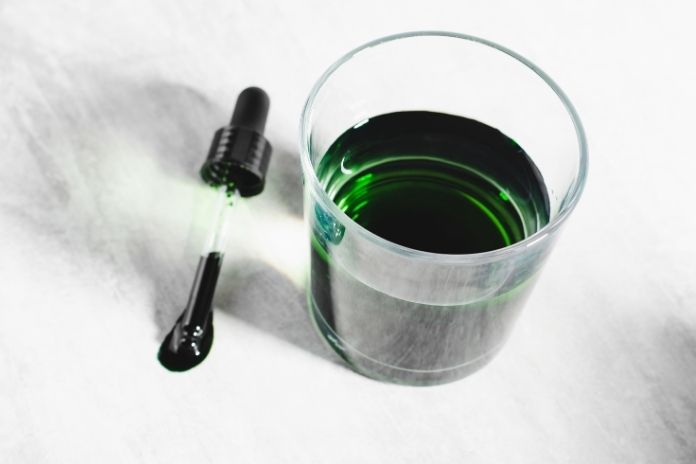
Whole plant meals are the simplest and most natural source of chlorophyll. This potent pigment is abundant in green vegetables, which also contain fiber, vitamins, minerals, and antioxidants that promote general health. These foods offer a complete nutritional package rather than individual components like supplements do.
Eating green veggies is the best and most straightforward way to get real chlorophyll in your diet. Three excellent options are wheatgrass, spinach, and alfalfa. Wheatgrass shots are available at natural grocery stores and most juice shops.
The additional benefits of eating greens, such as minerals like iron and ample dietary fiber, come from eating foods high in chlorophyll.
These foods are high in chlorophyll.
- Spinach
- Collard greens
- Greens with mustard
- Alfalfa
- Parsley
- Broccoli
- Green cabbage
- Asparagus
- Peas with green beans
- Green tea with matcha
Because they contain chlorophyll in its natural form, whole foods differ from supplements. For this reason, nutritionists always advise putting green veggies first and using supplements as an optional addition rather than a replacement for a balanced diet.
Read More: Iron-Rich Leafy Green Salad: Combat Anemia Deliciously
Evidence-Based Health Benefits of Chlorophyll
This section explores how chlorophyll may support antioxidant balance, liver function, odor control, and digestion, along with realistic expectations of its effects:
Antioxidant and Anti-Inflammatory Effects
The term “antioxidant” is popular in the health and wellness industry, and anything shown to have antioxidant properties deserves our consideration.
Free radicals, another name for oxidants, are scavenged by antioxidants. These chemicals cause cell damage, leading to illness and premature aging.
Studies have demonstrated that chlorophyll is a potent antioxidant that can counteract several dangerous oxidants. According to studies, supplements may lessen oxidative damage brought on by radiation and some substances that cause cancer.
Support for Liver Detoxification Pathways
Chlorophyll may also protect body tissue and healthy cells by boosting phase II biotransformation enzymes. These support the body’s natural removal of potentially dangerous pollutants by promoting liver health.
By boosting the activity of these phase II enzymes and eliminating body toxins, chlorophyllin may lower the risk of aflatoxin-induced liver damage or liver cancer, according to some preliminary animal studies.
Aflatoxin-B1 (AFB1) increases the risk of hepatocellular carcinoma and liver cancer because it converts into a carcinogen that alters cells. Chlorophyllin supplementation concurrent with high dietary AFB1 intake dramatically reduced DNA damage in animal experiments.
May Help Reduce Body Odor and Bad Breath
Internal consumption of chlorophyll may help reduce overall body odor. Chlorophyll has long been known to have a deodorizing effect and has been used in medicine as a natural internal deodorant to help control fecal odor in colostomy patients.
Despite conflicting research, one study found that chlorophyll supplements can help reduce trimethylamine levels in those with trimethylaminuria, an inability to break trimethylamines down that results in a fishy odor.
Potential Gut and Digestive Benefits
Chlorophyll can help regulate our intestinal microbiome, the bacterial community present in all of us.
Given that we depend on a healthy population of gut bacteria for everything from proper digestion to a stable mood, this is fantastic news for our overall health.
Chlorophyll and Skin Health — What’s Known

The green pigment chlorophyll colors both land and marine plants. Being in charge of photosynthesis and, consequently, plant growth, it is vital to plant life. Similar to hemoglobin in human blood, chlorophyll can absorb oxygen. An outstanding antioxidant, chlorophyll fights off harmful free radicals that cause premature skin aging.
The body readily absorbs chlorophyll because it resembles hemoglobin, which boosts the flow of oxygen-carrying red blood cells. The outcome is a clean and radiant face. Because of its cleansing qualities, our skin appears incredibly healthy.
Chlorophyll can aid in healing minor skin wounds and infections by purifying the body and inhibiting bacterial growth. Chlorophyll can also help relieve psoriasis, burns, dermatitis, eczema, and sensitive or delicate skin.
Read More: Why Eating Salad Every Day Isn’t Always as Healthy as It Sounds
Liquid Chlorophyll vs Eating Green Vegetables
Liquid Chlorophyll: Supplements containing liquid chlorophyll have gained popularity because they offer a quick, easy way to get chlorophyll without altering regular eating habits. People sometimes refer to liquid chlorophyll as liquid chlorophyllin.
Unlike chlorophyll powder, manufacturers often combine purified water with chlorophyll extracted from leafy green vegetables. The unique green drink is made from purified water and chlorophyll harvested from alfalfa, one of nature’s finest sources of the pigment.
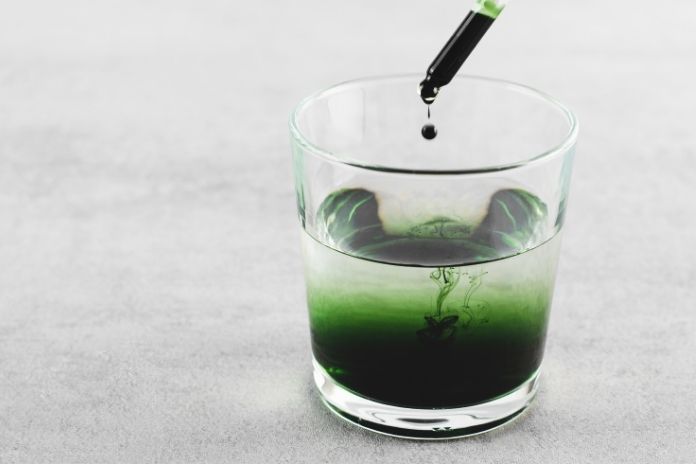
Since it is all-natural, it is free of artificial coloring, sugar, salt, and preservatives. Just add a tablespoon to a glass of lukewarm water, stir, and savor.
Consuming Green Veggies: Green veggies are loaded with the vitamins and minerals we need, while supplements only give us chlorophyll. It is the fiber, vitamins A, C, K, folate, magnesium, and hundreds of other plant compounds in leafy greens that are good for digestion, metabolism, immunity, and heart health. Liquid chlorophyll does not provide this nutritional complexity.
Because they feed the body on multiple levels, vegetables offer more benefits. They aid in preventing long-term illness and regulating blood sugar, as well as supporting gut health through fiber.
What Chlorophyll Does Not Do

People are rapidly embracing chlorophyll, though some of its claims sometimes overstate its benefits. Understanding actual benefits is almost as necessary as knowing what it isn’t capable of.
- Chlorophyll does not speed up fat burning or metabolism. What people often notice when incorporating chlorophyll into their diet is better eating.
- The scale won’t drop suddenly if you consume more greens or drink liquid chlorophyll. Healthy eating habits, regular exercise, and calorie balance are the main keys to long-term weight loss.
- Chlorophyll cannot remove toxins from organs or “cleanse” your blood. The intestines, liver, kidneys, and lungs already handle the detoxification. Chlorophyll may support these systems, but it cannot fully replace them.
Read More: Vegetables That May Cause Inflammation: What to Know (and What to Eat Instead)
Is Chlorophyll Safe? Potential Side Effects
Chlorophyll and chlorophyllin are not known to be harmful to anyone, as they are natural substances. Even in people with compromised immune systems, such as those recovering from cancer, there have been virtually no harmful effects reported.
Although there is minimal risk of toxicity, chlorophyllin supplements may cause mild side effects such as indigestion, diarrhea, or transient tongue or urine discoloration.
The amount of chlorophyll matters, and too much of it can lead to:
- Vomiting or feeling queasy
- Diarrhea
- Feces that are dark or discolored
- Cramping in the abdomen
- Sensitivity to sunshine
- Rash
Who Should Be Cautious With Chlorophyll Supplements
Although chlorophyllin may have certain advantages, we do not have sufficient information on its safety for use by children or by mothers who are breastfeeding.
Because the Food and Drug Administration does not regulate supplements, ensuring their quality and safety is challenging. Despite this, researchers have not recorded any notable adverse effects of chlorophyllin in the past 50 years.
How to Use Chlorophyll Wisely
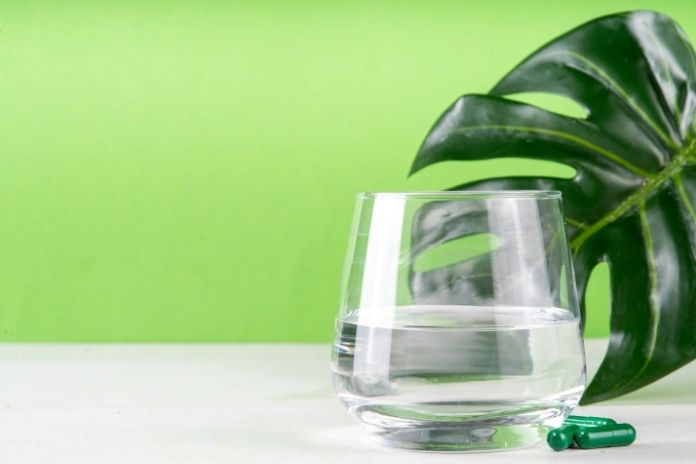
Some supplements offer the benefits of the plant pigment, in addition to consuming green-colored foods that contain chlorophyll. The following are among the supplements and suggested dosages:
Supplements Containing Chlorophyllin: Manufacturers produce chlorophyllin from green algae like chlorella, and most supplements contain it. It is because natural chlorophyll is challenging to consume and highly expensive due to its short shelf life and tendency to deteriorate.
For more than 50 years, chlorophyllin supplements have been taken orally at 100-300 mg daily and have been used successfully to treat ailments with virtually no risk.
Liquid Chlorophyll and Other Popular Sources: Consult a doctor before using chlorophyll supplements if you are taking any other medications. Herbal remedies such as silkworm droppings and alfalfa contain additional chlorophyll.
Try mixing a few drops of liquid chlorophyll into a glass of water once or twice a day if you have access to it. It will give your water a vivid green hue, but it doesn’t taste as unpleasant as it may appear, and drinking it throughout the day may help you feel a little more energized.
Read More: Pescatarian vs. Vegan vs. Vegetarian Diet: Key Differences, Benefits & Which One Is Right for You
Conclusion
Chlorophyll has earned its place in the contemporary discussion about well-being, yet it functions most effectively when it is viewed against the backdrop of a balanced expectation. Whether you’re sipping liquid drops or adding more leafy greens to your plate, chlorophyll is simply one part of a bigger health picture.
It is not a quick fix for rapid results, but it may be a valuable supplement to a nutrient-rich diet, can inspire healthier food choices, and help boost overall well-being.
References
- Cleveland Clinic. (April 2, 2025). Can Chlorophyll Supplements Benefit Your Health?
- Alexander, H. (2021, April 21). 6 things to know about chlorophyll.
- Stephanie Eckelkamp. (July 13, 2023). Are chlorophyll waters and supplements healthy?
- Lauren Leffer. (September 8, 2025). Is chlorophyll actually good for you?
- Integris health. (06, August 202) Chlorophyll: What is it? Is it Good For Your Health?
- Holland & Barrett. (27 May, 2022). Your guide to chlorophyll.
- Jillian Levy, CHHC. (2024, April 11). Chlorophyll benefits, uses, risks, and side effects.
- Katie K. Lockwood, MD, MEd. (2025, October 7). Can chlorophyll supplements reduce my body odor and acne?
- Lauren Armstrong, RDN. (2024, February 13). Liquid chlorophyll: Is there real science behind this wellness trend?
In this Article