


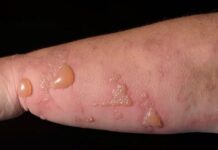













You step out of a swimming pool expecting to feel refreshed and rejuvenated, only to feel tight, itchy, and red on your skin. This unpleasant experience, characterized by an itchy rash after swimming, is very common and is usually referred to as a chlorine rash or a rash due to chlorine.
It is a common misconception that a chlorine rash is an allergic reaction to chlorine. This is not the case, as most people who experience a chlorine rash have a mild case of contact dermatitis due to the effects of chlorine as a chemical irritant to the skin.
According to the American College of Allergy, Asthma, and Immunology, most people who experience a chlorine rash do not actually have an allergic reaction to chlorine; the symptoms of a chlorine rash can be treated and are usually manageable.
Since swimming is a vital activity for fitness and recreation, it is essential to understand a chlorine rash, including its causes, symptoms, treatment, and prevention. In this article, we’ll explain why chlorine can irritate the skin, how to recognize a true chlorine rash, and what treatments actually work. We’ll also share prevention tips that may help you.
Read More: 5 Effects of Hurting Your Eyes After Swimming
What Is a Chlorine Rash?

Chlorine rash is a type of contact dermatitis that occurs when chlorinated water touches the skin. Chlorine is added to water in pools and hot tubs to kill bacteria, viruses, and parasites, making it safe for swimmers to use the water without the risk of infection from these organisms.
However, chlorine also combines with the sweat and oils from the skin and organic matter in the water, causing compounds that irritate the skin and cause it to dry out and become inflamed.
Why Chlorine Can Irritate the Skin
For healthy and well-moisturized skin, the presence of natural oils and a healthy skin barrier is essential. This barrier helps to lock in the natural oils and keep irritants out of the deeper layers of the skin.
Chlorine can weaken the natural barrier of the skin by removing oils, altering proteins, and increasing the evaporation of water. This leads to an increased risk of irritations, itchiness, and redness.
Irritant contact dermatitis occurs when chemicals irritate the outer layer of the skin and disturb the normal moisture level of the skin.
Difference Between Irritation and Allergy
This rash from chlorine usually isn’t an allergy; it is an irritant response because the chlorine actually gets into the skin cells directly. A real allergy to chlorine, on the other hand, is when the immune system overreacts to the chlorine or related compounds.
These are relatively rare and may cause symptoms such as hives, swelling, difficulty breathing, and even life-threatening reactions. The vast majority of rash from chlorinated pools is an irritation response and should improve with good skin care.
Who Is Most Likely to Experience It
Some people are naturally more prone to it than others. Children, competitive swimmers, people with dry or sensitive skin, and people with eczema may be more prone because they may have weaker skin defenses and therefore react to the chlorine they normally encounter in pools.
Those who swim in substandard pools or engage in long, hot tub-type activities may also be at greater risk because the chlorine level may be higher in these types of pools
What Causes a Chlorine Rash?
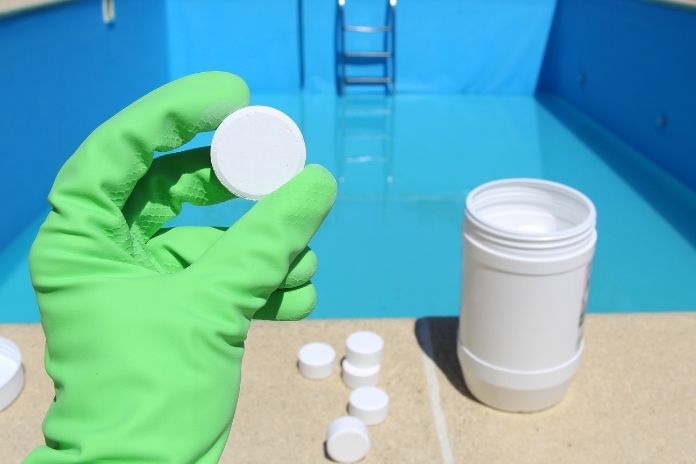
A chlorine rash is the appearance of a rash after the body’s protective mechanisms have been compromised due to exposure to chlorine. Chlorine (chlorine dioxide) is a potent disinfectant that is effective in breaking down organic matter. However, it is also a desiccant that removes the skin’s protective oils. This is why a rash is more likely to appear after exposure to chlorine.
Exposure to chlorine can cause a rash because it reacts with sweat or urine to form chloramines. These compounds cause a more severe rash. This is why a chlorine-based swimming pool is more likely to cause a rash due to the potent smell of chlorine.
Individuals who suffer from eczema or have sensitive skin should be careful. Certain irritants can cause a flare of eczema or worsen the condition. Environmental factors also need to be taken into consideration. Cold weather and hot showers after swimming worsen the condition.
“The more you are exposed to chemicals, the stronger the reaction. You are more likely to get a chlorine rash in pools with high chlorine levels, like at hotels,” said Dr. Steven Rasmussen, MD, a board-certified dermatologist based in Texas.
Chlorine Rash Symptoms
A chlorine rash usually appears a short while after swimming or within a few hours. It usually begins as a prickling or a burning feeling. This is then followed by some redness and a tight or dry feeling. Some people may experience flaky patches or small bumps, and people with sensitive skin may experience cracking or peeling.
A chlorine rash usually appears in areas where the chlorine has a chance to cling to the skin, such as the neck, armpits, groin, behind the knees, and under the straps of a swimsuit.
In most cases, a chlorine rash does not have any associated fever or pus-filled blisters. Most people feel better when the chlorine is eliminated, and a proper skincare routine is followed.
Read More: How to Strengthen Immunity When You Live in a Polluted City
Chlorine Rash vs Swimmer’s Itch: What’s the Difference?
Many swimmers confuse chlorine rash with swimmer’s itch, but they are caused by completely different things.
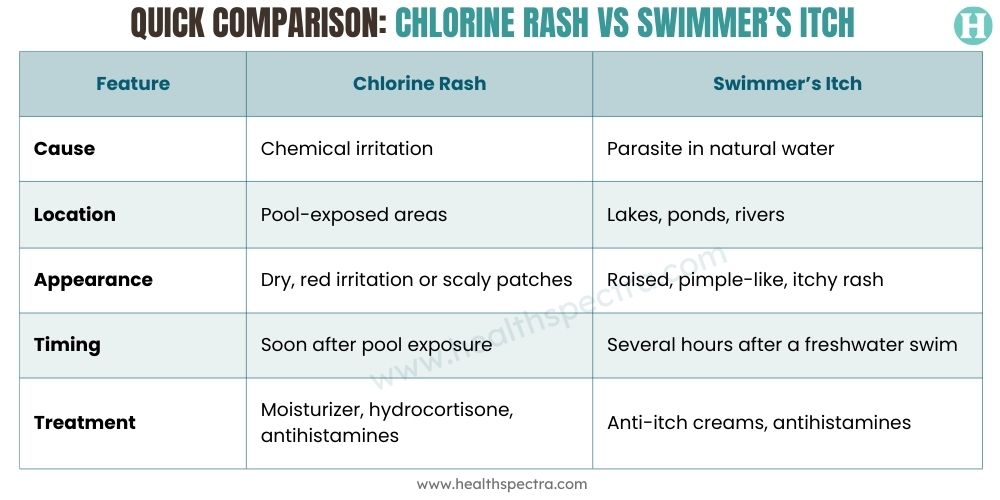 Swimmer’s itch is caused by parasites in natural water, not chlorine. Recognizing the difference prevents misdiagnosis and helps swimmers avoid unnecessary worry.
Is Chlorine Rash an Allergy?
The truth is, an actual allergy to chlorine is not common. What most people experience is an irritant reaction, also known as irritant contact dermatitis, to the chemical. If, however, there are warning signs such as significant swelling, difficulty breathing, or hives, then getting an allergy test might be worth considering.
For most swimmers, though, a chlorine rash simply means that they have sensitive skin that reacts to the chemical.
How to Treat a Chlorine Rash
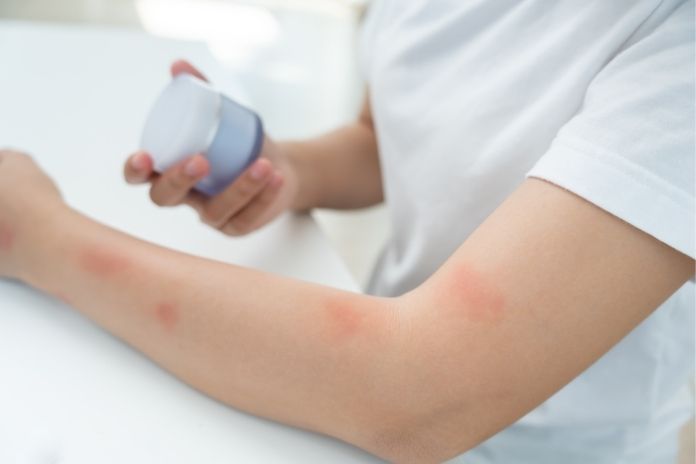
Treatment focuses on removing chlorine residue, calming inflammation, and restoring the skin barrier.
Immediate Steps After Swimming
Rinsing the affected area using fresh water will help remove chlorine from the skin. A mild cleanser will help remove the chlorine from the affected area without worsening the symptoms. The affected area should be dried gently by patting it instead of rubbing.
At-Home Chlorine Rash Treatment
One of the best ways to care for a chlorine rash is to moisturize the affected area. This is important because it will help restore the damaged skin. Moisturizers that are thick and fragrance-free will be more effective than moisturizers in the form of a lotion.
Hydrocortisone cream helps reduce the inflammation caused by the rash. An antihistamine will help reduce the itching caused by the rash. Cool compresses will also help reduce the irritation caused by the rash. It is important to avoid the use of fragrances, exfoliating cleansers, and alcohol-based cleansers until the rash disappears completely.
When Symptoms Last More Than a Few Days
If the rash does not go away or worsens after a few days, it is important to consult a doctor. The doctor may prescribe stronger corticosteroid creams or medicated creams and antibiotics for the rash. This is because a rash that lasts for more than a few days may be a sign of eczema or another skin condition.
How Long Does a Chlorine Rash Last?
A chlorine rash usually improves within two to five days once exposure stops and proper skincare begins. Symptoms may last longer if swimming continues, moisturizers are not used, or underlying eczema is present. Hot tubs can worsen irritation because heat increases dryness and inflammation.
If a rash lasts longer than a week or becomes painful, medical evaluation is important.
Read More: How to Strengthen Immunity When You Live in a Polluted City
How to Prevent Chlorine Rash

Preventing chlorine rash is all about maintaining a healthy skin layer both before and after exposure to the chlorine water. First, take a quick shower before you go swimming; it is easier on your skin and helps it stay moist and healthy, reducing the amount of chlorine absorbed by your skin.
A skin cream or petroleum jelly ointment provides an extra layer of skin protection, and wearing a rash guard swimsuit reduces the time your skin is actually exposed to the chlorine water. After swimming, immediately rinse with fresh water and soap and moisturize when your skin is slightly damp.
It is also important to minimize time spent in chlorinated pools and choose pools with well-maintained water. If you are an avid swimmer, you may want to use moisturizers that are recommended by skin experts to counteract the effects of chlorine exposure.
The Bottom Line
A chlorine rash is usually mild skin irritation, not a true allergy. It happens when chlorine disrupts the skin barrier, especially in people with sensitive skin or eczema. Most cases improve quickly with rinsing, moisturizing, and short-term treatment. Persistent or severe symptoms should be evaluated by a healthcare professional.
With the right prevention strategies, swimmers can enjoy pools without recurring rashes or discomfort.
References
- Healthgrades. (n.d.). Chlorine rash: Symptoms, treatment, and prevention. Retrieved February 2026.
- PeaceHealth. (n.d.). Pool chemicals — A reaction. Retrieved February 2026.
- Sharma, D. (n.d.). Skin care for swimmers to protect skin. Retrieved February 2026.
- WeDerm. (n.d.). Chlorine rash treatment. Retrieved February 2026.
- PubMed Central. (2022). Article indexed under PMC8989112. Retrieved February 2026.
- WebMD. (n.d.). What to know about chlorine rash. Retrieved February 2026.
In this Article