












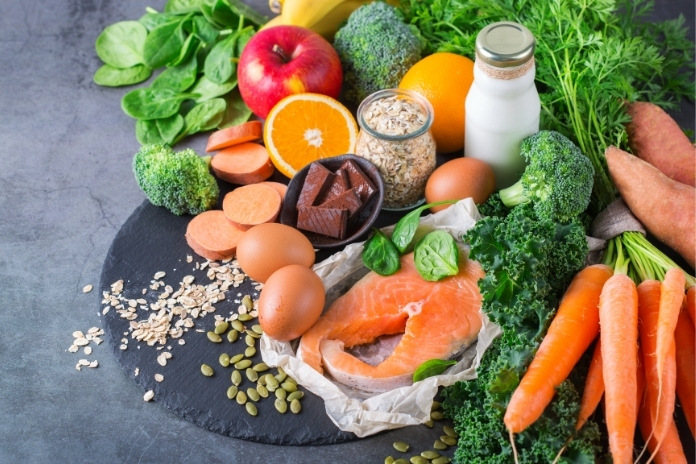
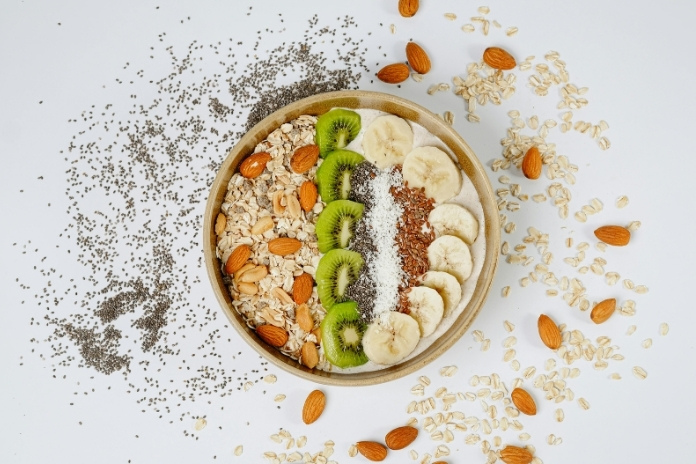
If you’ve ever scrolled through healthy-eating feeds, you’ve probably seen chia seed pudding vs overnight oats pop up as trendy breakfast options. Both are plant-based, nutrient-packed, and super easy to prep ahead, letting you wake up to a ready-to-eat meal. But which one is better depends on what you prioritize: fiber, protein, texture, or digestion.
Chia seed pudding is made by soaking chia seeds in milk or plant milk, and the seeds swell into a gelatinous, pudding-like texture. Overnight oats, in contrast, use oats soaked overnight and result in a thicker, porridge-style consistency.
The two are similar in preparation, but their nutritional profiles differ. Chia seeds are a great source of magnesium, fiber, protein, and omega-3 fats; just two tablespoons can contribute a good portion of daily magnesium needs, helping with sleep, digestion, and heart health. Meanwhile, chia pudding tends to deliver more fiber per serving than overnight oats.
On the other hand, oats bring their own strengths: especially a soluble fiber called beta-glucan that’s known to help lower “bad” cholesterol and support stable blood sugar. Protein levels between the two are comparable, and both can be boosted by choosing milk over water or adding yogurt, nuts, and seeds.
In short, if your goal is maximum fiber (especially with water as your base), chia seed pudding may take the lead. If you want heart-friendly soluble fiber or a creamier, more porridge-like texture, overnight oats may be the better fit. And why not combine both? Mixing chia seeds into your overnight oats gives you the best of both worlds.
Read More: Eat Smart, Stay Healthy
Nutrition Basics: Chia vs Oats
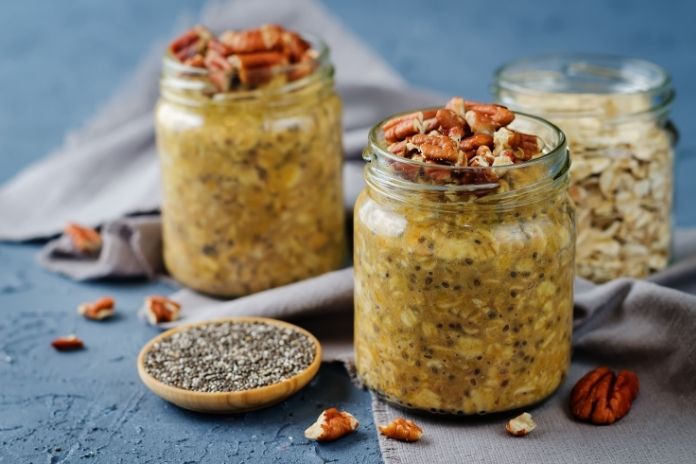
Chia and oats both have strengths. If you want heart-healthy fat and high fiber, chia is great; if you want whole-grain minerals and a balance of carbs + protein, oats are excellent. You can also mix them (for example, adding chia to your overnight oats) to combine benefits.
Macronutrients
- Chia seeds are relatively calorie-dense because of their fat content. A typical serving (~ two tablespoons of chia) provides around 138 calories, with ~4.7 grams of protein, 11.9 grams of carbohydrates, and 8.7 grams of fat.
- Oats(rolled oats) provide more carbohydrates per serving and moderate protein. For instance, half a cup of dry oats has about 5–6 grams of protein and a higher carb load.
- Because chia contains more fat (mostly healthy unsaturated fats), its energy density is higher for the same volume.
Fiber Comparison
- Chia seeds deliver both soluble and insoluble fiber. Their “mucilage” or gel-forming soluble fiber helps absorb liquid and creates a gel in the gut, which slows digestion and supports fullness.
- Oats are especially known for beta-glucan, a soluble fiber type that is linked to lowering LDL (“bad”) cholesterol and helping control blood sugar.
- In total grams, chia often wins in total fiber per serving; oats contribute meaningful fiber, especially when eaten regularly.
Micronutrients: Omega-3 vs Minerals
- Chia seeds are rich in omega-3 fatty acids (especially ALA). Just a couple of tablespoons can exceed daily needs for ALA.
- Chia also gives minerals such as calcium, magnesium, phosphorus, iron, and B vitamins. When soaked in water (as chia seed water), these nutrients are still available.
- Oats shine in minerals like magnesium, iron, copper, zinc, and especially vitamin B₁(thiamine). Oats are known for being a good source of vitamin B₁.
- Oats also supply essential micronutrients found in whole grains: magnesium, phosphorus, selenium, among others.
Overall, in chia seed pudding vs overnight oats nutrition, chia tends to bring more fiber and omega-3s per serving (especially when mixed with water), while oats offer robust carbohydrate energy plus minerals, and especially thiamine.
Read More: Gut-Friendly Overnight Oats with Berries
Health Benefits of Chia Seed Pudding
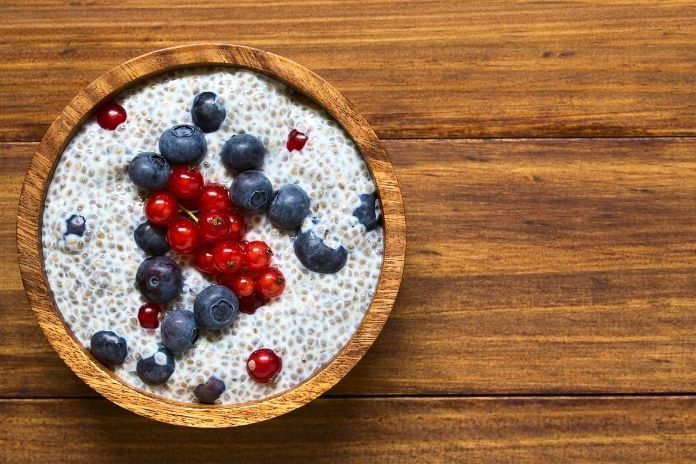
Adding chia seeds to your breakfast pudding has several benefits: the omega-3 fats combat inflammation, the soluble fiber aids digestion, they keep you full longer, and they serve as a gluten-free, adjustable base. All of these make chia seeds useful for breakfast.
High Omega-3 Content → Anti-Inflammatory
Chia seeds contain omega-3 fatty acids (particularly ALA), which decrease body inflammation. Adding chia seeds to your breakfast pudding provides you with a morning boost of these cardiovascular-friendly fats.
Excellent Source of Soluble Fiber → Supports Digestion and Gut Health
When chia seeds are soaked (like in pudding), they have a gelatinous coating due to soluble fiber. The fiber slows down digestion, feeds good gut bacteria, and ensures regular bowel movements. The fiber also sweeps cholesterol out of the system, which aids heart and digestive wellness.
Helps Keep You Full Longer
Because chia seeds soak up a significant amount of liquid (12 times their weight), they fill up your stomach. That makes you feel fuller and more satisfied, so you’re less apt to snack. Plus, when fiber, protein, and healthy fat are mixed together, digestion slows down, and fullness is sustained longer.
Gluten-Free + Versatile Base
Chia seeds are gluten-free by nature, thus making chia pudding an ideal meal for individuals with gluten intolerance. Their subtle taste and gelatinous texture allow them to blend well with milk, yogurt, fruits, nuts, or spices, making them a versatile breakfast meal.
Expert’s Advice
Melissa Majumdar, MS, RD, CSOWM, LDN, commented on the digestibility of chia seeds, “Whole chia seeds are still easy for the body to digest because the surface of the seeds breaks down when they’re exposed to liquid. Use it in its whole form or ground form—whatever is easiest for you to incorporate.”
Read More: Can Chia Seed Oil Help You Grow Your Hair Faster?
Health Benefits of Overnight Oats
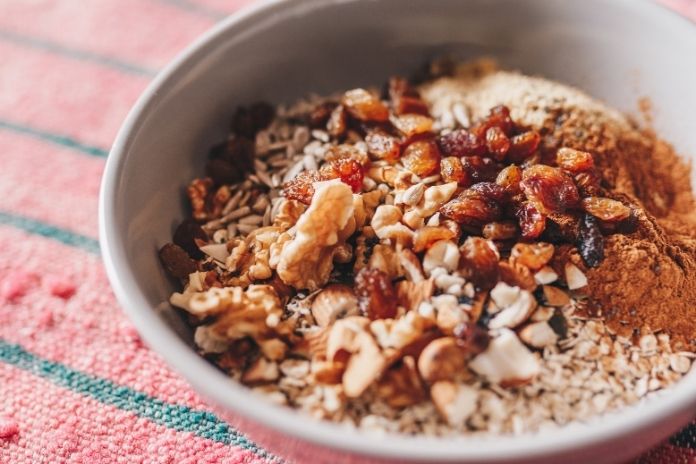
When considering overnight oats nutrition, this breakfast provides you with heart-healthy beta-glucan fiber (lowering cholesterol), keeps blood sugar levels stable and hunger away, provides more protein if prepared with dairy or plant milk, and is extremely flexible to your favorite mix-ins.
Rich in Beta-Glucan Fiber → Lowers Cholesterol
Among the highlights of oats, particularly in overnight oats, is the soluble fiber beta-glucan. Beta-glucan creates a gel in your intestines, assisting your body in eliminating excessive cholesterol and reducing LDL (“bad”) cholesterol levels. Beta-glucan is found to lower cholesterol and protect the heart.
Supports Stable Blood Sugar and Satiety
Because overnight oats are slow to digest and have slow-release carbs, they maintain stable blood sugar levels and avoid sudden peaks. The soluble and insoluble fiber also keeps you full for longer, decreasing hunger pangs between meals.
More Protein (Especially If Made with Milk or Yogurt)
Though plain oats do have some protein in them, you can increase the protein value by making overnight oats using milk, yogurt, or nut butters. Bob’s Red Mill also points out that oats provide both soluble and insoluble fiber and contain plant-based protein, which aids in satiety and muscle recovery.
Easy to Mix with Fruits, Nuts, or Protein Powders
Another benefit of overnight oats is their versatility. You can make them with milk or yogurt, and add fruits, nuts, seeds, or protein powders to flavor and enrich them with the desired nutrients. Since you don’t have to cook them, the mix-and-soak approach allows the added ingredients to combine and blend overnight.
Expert’s Advice
Candida Rebello, Director of Nutrition and Chronic Disease Research Program at Louisiana State University’s Pennington Biomedical Research Center, talks about oats and said, “It has many, many good qualities. Extensive studies have associated oats and oatmeal with plenty of heart-healthy benefits, such as lowering cholesterol (both total and ‘bad’ LDL cholesterol) and helping with weight control.”
Read More: 15 Oats Benefits for Your Health
Which Is Better for Specific Goals?

Choosing between overnight oats and chia pudding depends on your goals. Both are nutritious, easy to prepare, and flexible. But depending on whether you want weight loss, heart support, digestive health, or convenience, one might suit you more than the other.
A. Weight Loss
- Chia pudding tends to have a lower calorie density: the chia seeds absorb liquid and expand, which helps stretch the meal without adding many extra calories. Chia is also loaded with fiber, helping you feel full longer.
- Overnight oats can be more filling if you combine them with protein (yogurt, milk, nuts). The oats add bulk and chew, helping your stomach feel satisfied. Also, oats’ soluble fiber slows digestion, moderating appetite.
B. Heart Health
- Both chia and oats support cholesterol reduction and heart health. Chia’s healthy fats (omega-3) and fiber contribute to cardiovascular benefits.
- Oats bring very strong clinical backing via beta-glucan, a soluble fiber shown to lower LDL cholesterol and support heart health.
C. Gut Health and Digestion
- Chia offers mucilage (gel-forming fiber), which acts like a prebiotic, helping feed good gut bacteria, and supports hydration in the digestive tract.
- Oats provide beta-glucan as soluble fiber, which slows digestion, helps stool move, and is beneficial for gut bacteria and colon health.
D. Meal Prep and Convenience
- Both can be made ahead and stored. That makes them convenient for busy mornings.
- Overnight oats feel more familiar to many people (like a softer porridge) and are easy to mix with milk, yogurt, or protein powders.
- Chia pudding tends to be lighter in feel and more flexible. You can soak chia only (or blend with other ingredients) and use it on its own or mix it with oats. Because chia seeds are mild in flavor, they’re versatile across sweet or savory meals.
Overnight oats vs chia pudding, both have their strengths. If your focus is heart health and you want strong scientific support, oats (with beta-glucan) may edge ahead.
For lighter, fiber- and omega-3-rich meals (especially helpful for weight goals), chia pudding shines. But you don’t have to choose just one; rotating or combining them offers a balanced, convenient way to reach your goals.
Read More: Food That May Trigger Hives and What to Eat Instead
Taste, Texture, and Versatility
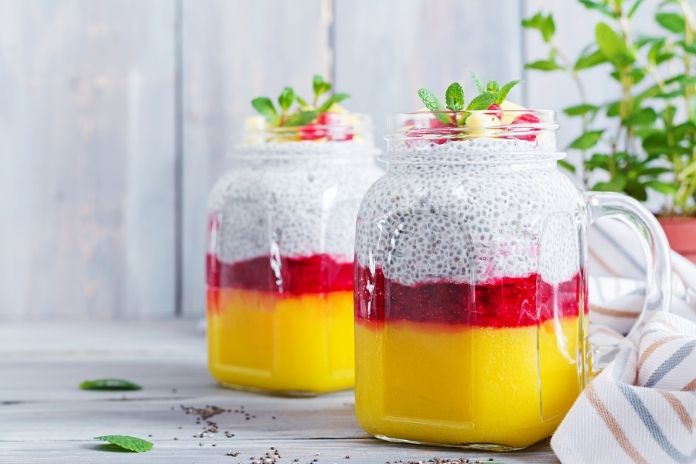
Chia seed pudding and overnight oats have become breakfast favorites for health-conscious eaters. Both are nutrient-dense, easy to prepare, and endlessly customizable. Whether you prefer creamy oats or silky chia pudding, each offers unique benefits for taste, texture, and nutrition.
Chia: Gel-Like, Pudding Consistency
When chia seeds absorb liquid (water, milk, or plant milk), they swell and form a soft gel. The result is a smooth, pudding-type texture, somewhat like little tapioca pearls. Dry chia seeds are tiny and crunchy, but once soaked, they lose most of that bite and become silky. Their flavor is very mild, slightly nutty at best, so they don’t overpower whatever you mix with them. Because the taste is so subtle, chia easily takes on other flavors (fruit, cocoa, spices, etc.).
Oats: Creamy, Chewy, “Comfort Food” Feel
Overnight oats, on the other hand, soak overnight to soften but tend to retain a bit of chewiness and body. Many people describe the texture as creamy and hearty, like a soft porridge you can chew, rather than fully smooth. This chew gives oats a comforting “whole grain” feel. Because oats absorb liquid gradually and hold their structure, they balance softness with slight resistance under your bite.
Both Adapt Well to Sweet or Savory Flavorings
One of the great advantages of both chia and oats is that they serve as blank canvases. You can turn them sweet (fruits, honey, chocolate, vanilla) or savory (yogurt, nuts, seeds, spices). Chia pudding can be combined with coconut milk, fresh berries, nut butters, or spices to suit your taste. Because the base is mild, bold flavors shine through. Overnight oats are extremely flexible; you can stir in nuts, protein powders, seeds, fruits, or even savory ingredients like herbs or vegetables.
In short, chia gives you a silky, gelled texture with neutral flavor, making it ideal for pudding-style breakfasts. Oats provide a creamy but slightly chewy comfort texture. And both are highly versatile; you can flavor them sweet or savory depending on your mood or dietary goals.
Read More: 9 Healthiest Seeds to Eat for Better Nutrition
How to Choose the Right One for You
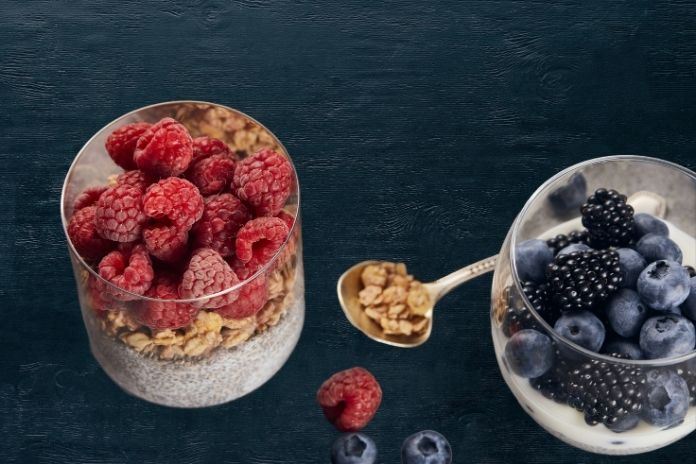
When weighing overnight oats vs chia pudding, align your choice with your health goals, budget, and taste preferences. If possible, mix both in your meal plan (or even in the same bowl).
That way, you benefit from the fiber and omega-3s of chia along with the creamy, whole-grain goodness of oats. Let your schedule, preference, and nutrient needs guide you.
Consider Your Goals
If your focus is weight management, heart health, or following a gluten-free diet, your choice might change. Chia pudding is rich in fiber and omega-3s, which support satiety, digestion, and heart health, making it good for weight control and cardiovascular benefits.
Overnight oats, with their beta-glucan fiber, help lower cholesterol and regulate blood sugar. Since oats are naturally gluten-free (if processed in a gluten-safe environment), overnight oats can fit into gluten-free diets; just pick certified gluten-free oats.
If your priority is filling up with lots of fiber, chia pudding may have an edge. But if you want more whole-grain benefits and a balance of carbs + protein, overnight oats may suit you better.
Variety Is Best: Alternate Both
You don’t necessarily have to pick one forever. Rotating between overnight oats and chia pudding gives you access to a broader range of nutrients and taste experiences.
Some strategies: use chia pudding on days you want lighter carbs and more healthy fats, and have overnight oats when you want more grain-based energy and creaminess. Also, you can combine them; many overnight oats recipes already include chia seeds to boost fiber and texture.
Accessibility and Cost
Oats are inexpensive, widely available, and commonly found in many households. Because they are cost-effective, overnight oats are more budget-friendly.
Chia seeds tend to cost more per serving, but they are nutrient-dense, offering a strong punch of fiber, omega-3 fats, and micronutrients. So, although the upfront cost is higher, chia gives substantial nutrition for smaller doses.
Read More: Turn Your French Toast into a Protein Powerhouse
FAQs
Can I eat chia pudding and overnight oats together?
Yes! Mixing them gives you the best of both worlds. Many recipes combine chia seeds into overnight oats to boost fiber, texture, and omega-3s. This hybrid approach brings together overnight oats nutrition and chia seeds benefits in one bowl.
Which has more protein?
Chia vs oats, oats typically yield more protein per the same volume. For example, half a cup of dry oats gives around 5 grams of protein, while two tablespoons of chia may give only ~2 grams. However, chia seeds offer a complete protein (all nine essential amino acids). You can also boost protein in either dish by using milk, yogurt, or nut butters.
Are they good for kids?
Yes, both can work for kids. Chia pudding is gentle and often easy to eat because of its smooth texture. Overnight oats are hearty, and adding fruit or flavor can make them more appealing. Just ensure the mixture is soft enough, and introduce fiber gradually. Because both are whole-food, nutrient-dense options, they can serve as good, healthy breakfast comparison choices for growing bodies.
Do chia seeds need to be soaked overnight?
Chia seeds need time to absorb liquid and form a gel. You don’t always need a full night: 20–30 minutes may work in some recipes, but for the best texture, overnight is preferred. If eaten dry, they can swell in your digestive tract, which might cause discomfort, so pre-soaking is safer.
Read More: No-Cook Healthy Lunches You Can Take Anywhere
Conclusion
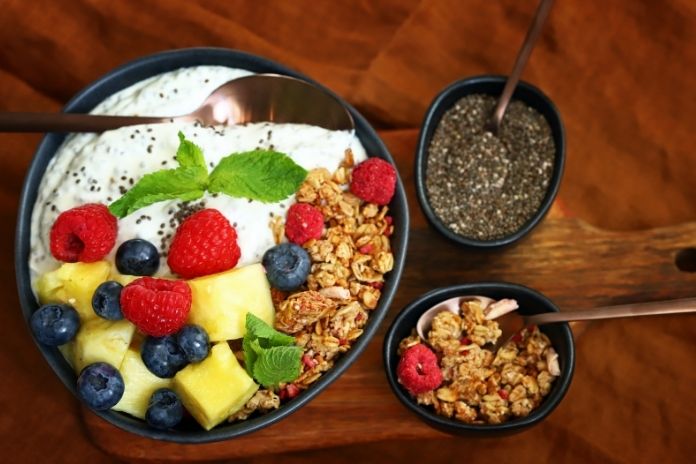
Both overnight oats and chia pudding are excellent options for a healthy breakfast, as they’re easy to make, nutritious, and highly adaptable. You can include fruits, seeds, yogurt, or nuts in the mix to enhance the overall overnight oats nutrition or chia seeds benefits according to your preference.
Although oats are high in protein, beta-glucan fiber, and minerals that promote heart health and energy, chia seeds provide a lighter alternative with soluble fiber, omega-3 fatty acids, and magnesium, which aid in digestion, brain function, and inflammation reduction.
If you need a filling, protein-packed breakfast to begin your day, overnight oats may be the better option. Alternatively, chia pudding is ideal if you’re in the mood for a light, nutrient-dense breakfast that feeds your gut and keeps you satisfied longer. Both are take-along, affordable, and make-ahead-friendly, making them great for hectic mornings.
The best approach? Experiment with both; alternate between them to keep your breakfast routine exciting while getting a variety of nutrients. Ultimately, choosing between overnight oats and chia pudding comes down to personal goals, taste preferences, and how each meal keeps you energized and satisfied.
References
- https://www.tastingtable.com/1483514/chia-seed-pudding-overnight-oats-difference/
- https://www.eatingwell.com/the-1-underrated-food-to-increase-your-magnesium-intake-11756166
- https://www.health.com/chia-pudding-vs-overnight-oats-which-packs-more-protein-fiber-11812901
- https://www.healthshots.com/healthy-eating/recipes/recipes-for-overnight-oats-with-chia-seeds/
- https://www.spatzmedical.com/blog/why-is-oat-healthy/
- https://www.verywellhealth.com/chia-seed-pudding-vs-overnight-oats-11806767
- https://instacare.pk/blog/benefits-of-chia-seed-water-for-weight-loss
- https://www.mayoclinichealthsystem.org/hometown-health/speaking-of-health/chia-seeds-pack-nutritional-punch
- https://massh.in/blogs/top-10-health-benefits-of-chia-seeds-you-should-know
- https://health.clevelandclinic.org/benefits-of-chia-seeds
- https://www.onlymyhealth.com/health-benefits-of-overnight-oats-and-why-they-are-better-than-regular-ones-1623043821
- https://www.bobsredmill.com/articles/5-reasons-try-overnight-oats
- https://www.themerrymill.ie/blog/are-overnight-oats-good-for-health
- https://www.verywellhealth.com/chia-seed-pudding-vs-overnight-oats-11806767
- https://www.thetakeout.com/1775692/oat-mix-perfect-oatmeal-texture/
- https://www.bobsredmill.com/articles/what-do-chia-seeds-taste-like
- https://www.eatingwell.com/recipe/8051021/overnight-oats-with-chia-seeds/
- https://www.verywellhealth.com/chia-seed-pudding-vs-overnight-oats-11806767
In this Article