











Many people these days are taking supplements for anemia, often because iron deficiency is common and increasingly detected through routine blood tests. Not only those who are diagnosed with anemia, but also those with symptoms such as fatigue, poor strength, hair thinning, brittle nails, or low iron levels.
Ferritin deficiency without anemia has become common among menstruating women, vegetarians, athletes, and people with digestive issues.
Vitamin C is often prescribed in combination with iron, but many patients wonder if this practice is evidence-based or traditional. Is taking iron with vitamin C necessary? Does it make a difference in the results? And could that lead to side effects?
The short, science-backed answer is yes. Vitamin C and iron can be taken together, and for most, this combination significantly increases the rate of iron absorption and treatment success.
This article covers how vitamin C promotes iron absorption, the best way to take iron supplements, the ideal timing for iron supplements, and foods and medications that interfere with absorption.
We will also learn about realistic timelines for improvement and who should not combine them. If you want a complete, practical guide grounded in physiology, read on.
Why Vitamin C Helps Iron Absorption
To understand how vitamin C enhances iron absorption, it helps to first look at the digestive process.
The Science Behind the Combination
Iron absorption is chemically sensitive. The two main oxidation states of iron exist in the gut. The absorbable form must remain soluble long enough to pass through the intestinal lining.
This is where vitamin C comes in. Vitamin C acts as a reducing agent; it converts the iron into a form that remains soluble even in the presence of inhibitors such as phytates and polyphenols. This is an essential effect, especially regarding heme vs non-heme iron.
Heme iron is absorbed efficiently and is relatively unaffected by diet. It is found in meat and fish.
Non-heme iron, found in plant foods and most supplements, including ferrous sulfate, is highly susceptible to absorption inhibitors.
Vitamin C protects non-heme iron from binding to the blockers. Without it, much of the iron passes through unabsorbed from the gut. This could be why people consistently take iron and fail to raise ferritin levels.
How Much Vitamin C Helps?
You don’t need gram-level doses. Research has repeatedly demonstrated that a dose of 50–100 mg of vitamin C is sufficient to significantly improve iron absorption.
This amount:
- Improves the solubility of iron.
- Counters dietary inhibitors.
- Does not overload the gut.
Higher doses of 500–1000 mg do not proportionately increase absorption and may cause side effects. These can be nausea, reflux, or diarrhea, particularly when taken together with iron. Small, targeted doses work best for optimizing vitamin C with iron.
Who Benefits Most From the Combo
The combination is particularly useful for:
- People with iron deficiency anemia or borderline ferritin.
- Pregnant persons with increased iron needs.
- Vegetarians and vegans whose diets contain mainly non-heme iron.
- People with low stomach acid, where iron solubility is reduced.
For them, the question of whether vitamin C and iron can be taken together is less about safety and more about efficacy. This is because, without vitamin C, iron therapy is less effective.
Read More: Anemia in Pregnancy: 6 Prenatal Vitamins to Support Healthy Iron Levels
How to Properly Take Vitamin C and Iron Together
Absorption is not just about what you take, but also the timing. This is where many people make mistakes.
1. Best Time to Take Iron
Iron is best absorbed when the stomach is relatively empty. Iron should be taken:
- One hour before meals, or
- Two hours after consumption.
This timing reduces competition from calcium, fiber, and plant compounds. However, iron can irritate the stomach lining. If nausea occurs, taking it with a small, low-calcium snack is acceptable.
In everyday practice, the most effective way to take iron supplements is the one that can be maintained consistently.
2. Best Forms of Iron
Various iron formulations impact both absorption and tolerance:
- Ferrous Sulfate: It is well absorbed, the most studied, but causes more GI side effects.
- Ferrous Gluconate: Lower elemental iron, better tolerated.
- Ferrous Fumarate: Concentrated dose, useful for severe deficiency.
- Polysaccharide Iron Complex: Gentler but sometimes slower ferritin response.
Irrespective of the type, iron is better absorbed when taken with vitamin C.
3. How to Combine Them
Vitamin C and iron need to be in the gut at the same time. Iron and vitamin C should be taken together to improve iron absorption. To make the best use of iron supplements or iron-rich foods, consume them with vitamin C sources such as orange juice, strawberries, or bell peppers.
If taken on an empty stomach or if you take a light snack that does not contain calcium, tea, or high-fiber foods, there will be no interference. Vitamin C changes non-heme iron into a form that promotes absorption. However, always consult your doctor, particularly if you are taking other medications.
In short, you can combine vitamin C and iron by:
- Taking iron and vitamin C together.
- Swallowing iron with citrus juice.
- Combining iron with vitamin C–rich fruit.
Separating them reduces the effectiveness and absorption. For maximum vitamin C and iron absorption, timing is more vital than source.
4. Perfect Matches
Clinically effective combinations of iron and vitamin C include:
- Iron tablet + 1 glass of orange juice.
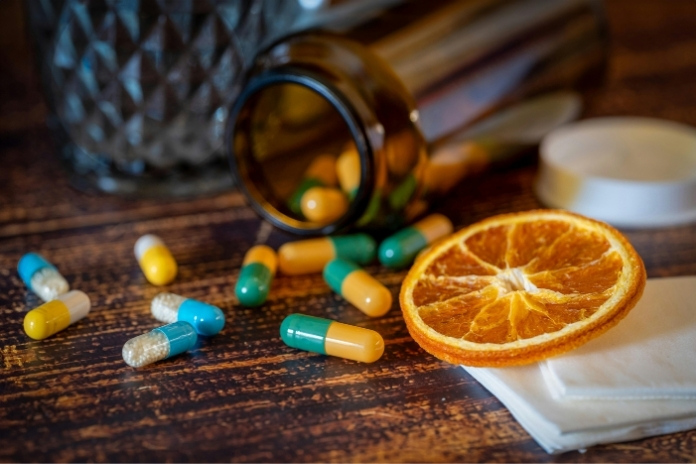
- Iron capsule + 100 mg vitamin C tablet.
- Iron supplement with kiwi or strawberries.
These approaches promote absorption without increasing the pill burden.
Foods and Drinks That Block Iron Absorption
Most people unconsciously block their iron absorption with their daily habits. It is very important to know which foods inhibit iron absorption.
- Avoid 1–2 Hours Before and After Taking Iron:
Certain foods and drinks affect iron absorption. Strong inhibitors include:
- Coffee and espresso (including decaf)
- Green and black tea
- Milk, yogurt, cheese, and calcium supplements
- Eggs contain iron-binding proteins
- High-fiber cereals and bran
- Whole grains, if taken together
For example, drinking coffee within a one-hour window of iron can cut absorption by more than half. If your goal is to increase iron absorption, spacing these items is non-negotiable.
Dr Saurabh Sethi, a California-based gastroenterologist trained at Harvard and Stanford, says, “Don’t take it with coffee, tea, or dairy. These can hamper absorption, making the iron supplements less effective.”
2. Medications to Separate from Iron
Iron also chelates, or competitively prevents the action of some medications. These include:
- Antacids and acid-suppressing drugs
- Proton pump inhibitors
- Thyroid medications, such as Levothyroxine
- Certain antibiotics
Avoid iron supplementation for 2–4 hours after taking medications listed above to ensure they are absorbed effectively.
Side Effects: What happens when you combine Vitamin C with Iron?

Side effects are common but manageable.
Common, Mild Effects
People may experience:
- Nausea or stomach discomfort
- Abdominal cramping
- Constipation or, less often, diarrhea
Vitamin C itself rarely produces these problems at moderate doses. Symptoms are generally related to the iron dose and formulation.
You may reduce or split the dose when these symptoms occur. Try doing these things:
- Take iron with a light snack.
- Divide the dose between morning and evening.
- Switch to a gentler iron salt.
These adjustments allow continued iron supplementation with vitamin C without prematurely discontinuing therapy.
When to Avoid Combining Vitamin C and Iron
Some people should not increase absorption:
- People with Hemochromatosis
- People with high ferritin unrelated to deficiency
- Anyone with instructions from a clinician to limit iron absorption
In these instances, increased vitamin C and iron absorption could worsen iron overload and oxidative stress.
Read More: Potential Side Effects of Iron Supplements: What to Know Before You Start
How Long Does It Take to See the Benefits?
Iron repletion occurs very gradually. It depends on severity, consistency, and absorption efficiency.
Most people notice the following:
- Better energy and stamina
- Improved skin colour and less pallor
- Less dizziness or shortness of breath
- Reduced hair shedding
These changes usually occur within 4–6 weeks. Ferritin usually improves within 2–3 months, while full results may show up in 3–6 months.
The most common cause of poor progress is skipping doses or incorrect timing of iron supplement intake.
Food Sources That Naturally Combine Vitamin C And Iron
Dietary changes may complement or even support in mild cases.
- Iron-Rich Foods + Vitamin C Boosting Foods:
Effective combinations of iron and vitamin C include:
- Spinach in lemon juice dressing.
- Beans cooked with tomatoes.
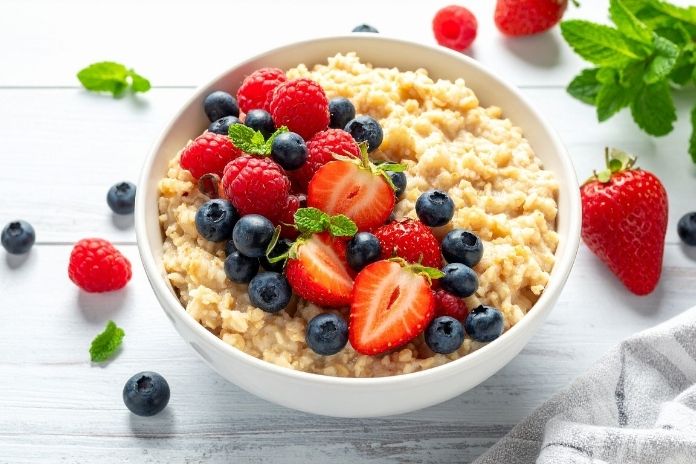
- Oats with strawberries.
- Lentils with bell peppers.
- Stir-fried tofu with broccoli.
These foods maximize vitamin C with iron benefits without pills.
Why Food Pairing Works
Vitamin C prevents the formation of insoluble iron complexes in plant foods. This ensures non-heme iron is available for absorption, which is highly important for plant-based diets and for chronic states of low iron.
Read More: 7 Common Myths About Vitamins and Supplements (And the Facts You Should Know)
Final Takeaway
So, can vitamin C and iron be taken together? Yes, most should. This combination significantly enhances absorption, accelerates ferritin recovery, and improves the success rate of anemia supplements when done properly.
Avoid absorption blockers, respect the timing of iron supplements, and seek medical guidance if there are concerns about iron overload. When used thoughtfully, taking iron with vitamin C makes the treatment more effective and predictable.
Frequently Asked Questions
1. How much Vitamin C should I take with iron?
For increased absorption, about 50–200 mg is adequate.
2. Can I take iron at night?
Yes. Night dosing is acceptable, unless it causes reflux or nausea.
3. Can I take multivitamins with iron?
Depends. Most contain calcium or magnesium, which reduces absorption.
4. Do iron and vitamin C cause constipation?
Iron slows bowel movement. Symptoms improve with proper hydration, gentle fiber, or dose splitting.
References
- Siphox Health. (2025, July 24). How long does it take to increase iron levels?
- Piskin, E. (2022). Iron absorption: Factors, limitations, and improvement methods
- Campbell, N. R., & Hasinoff, B. B. (1991). Iron supplements: A common cause of drug interactions. British Journal of Clinical Pharmacology, 31(3), 251–255
- Everyday Health. (n.d.). Foods that inhibit iron absorption
- Health.com. (n.d.). What happens when you take vitamin C and iron together?
- Li, N., et al. (2020). The efficacy and safety of vitamin C for iron supplementation in adult patients with iron deficiency anemia
- MDLinx. (2019, April 3). Can you get too much vitamin C?
In this Article