














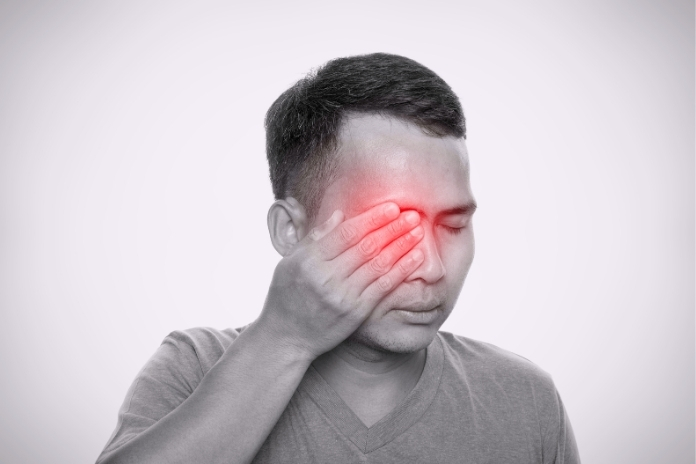
The internet never lets a strange idea die, and few are stranger than the myth that farting on a pillow can give someone a pink eye. It’s been repeated so often that it’s become a half-joke, half-urban legend. You’ll see it in memes, hear it in locker-room banter, and maybe even catch someone confidently claiming it’s “scientifically proven.”
But here’s what’s real: you can’t get pink eye from a fart. Gas itself is just air, not a vehicle for germs. What keeps the rumor alive, though, is that it isn’t completely off base. Conjunctivitis, or pink eye, can be caused by bacteria that are found in fecal matter.
So while the act of farting on a pillow won’t make anyone’s eye swell up, poor hygiene, not washing hands after the bathroom, touching your face carelessly, or sharing contaminated items absolutely can. That sliver of truth is what gives the myth its staying power.
In this article, we’ll trace the fart–pink eye rumor, dig into the actual science of conjunctivitis, and share what doctors really say about prevention and treatment. While the myth makes for a laugh, the reality of protecting your eyes is no joke.
What Is Pink Eye?
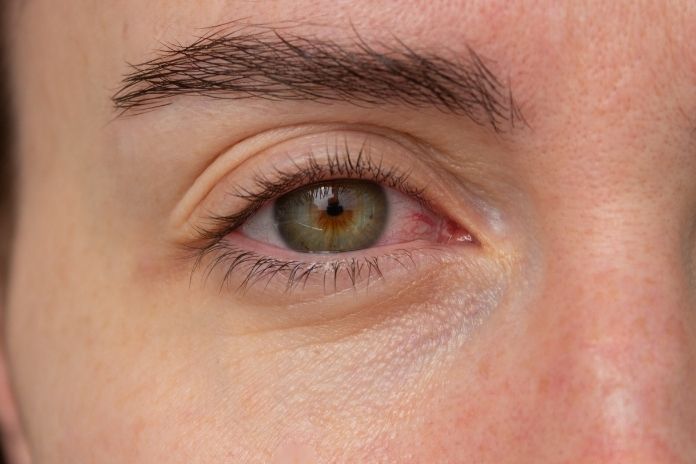
Pink eye, medically known as conjunctivitis, is the inflammation of the conjunctiva, the thin, transparent tissue covering the white of your eye and the inside of your eyelids. When it’s irritated, the eye appears red or pink due to dilated blood vessels.
There are three main forms:
- Viral conjunctivitis – Usually caused by adenoviruses. It spreads easily and is often linked to colds or respiratory infections.
- Bacterial conjunctivitis – Caused by bacteria such as Staphylococcus aureus or Streptococcus pneumoniae.
- Allergic conjunctivitis – Triggered by allergens like pollen, dust, or pet dander. This type is not contagious.
Symptoms include redness, tearing, swelling, itchiness, and discharge ranging from watery to thick and sticky. According to the Centers for Disease Control and Prevention (CDC), bacterial and viral conjunctivitis can spread quickly, especially in schools and crowded environments.
The Fart–Pink Eye Myth: Where Did It Come From?
The idea that farting on a pillow can cause pink a eye didn’t come from medical journals; it came from the internet. What started as a crude joke in gross-out comedy routines and online forums eventually morphed into a full-blown meme. Pop culture picked it up, too, with references in TV shows, YouTube skits, and stand-up comedy, which gave the myth a longer shelf life than most internet jokes usually get.
Part of the reason it spread so easily is that it sounds just plausible enough. Pink eye is often linked to bacteria, and farts come from the same part of the body where bacteria are abundant. Put that together with a pillow, something that touches your face and eyes, and the chain of “fart – pillow – eye – infection” feels like it could check out. It’s gross, it’s funny, and it makes a strange kind of intuitive sense.
But when you step back and look at the science of how conjunctivitis actually spreads, the whole theory falls apart. Gas is simply air being expelled, not a bacterial delivery system. The real culprits behind pink eye are direct contact with infectious material, poor hand hygiene, or sharing contaminated items, not a puff of gas.
Can a Fart Cause Pink Eye? Science Explains
So, can you get a pink eye from a fart? Medically speaking, no.
Here’s why:
- Farts are almost entirely gas. A meta-analysis published in Gut reports that human intestinal gas is composed mostly of nitrogen, carbon dioxide, hydrogen, methane, and oxygen gases that do not cause infection.
- Bacteria aren’t expelled in normal farts. Unless microscopic fecal particles are released, bacteria remain in the digestive tract. And even in that case, the chance of enough bacteria traveling through the air, landing on a pillow, and infecting an eye is practically zero.
- Clothing acts as a barrier. Underwear and pants block any particulate matter that could escape.
- Transmission requires contact. The bacteria that cause [pink eye] can easily spread from person to person through hand-eye contact. Avoid touching your eyes with your hands. … The virus can survive on surfaces for up to two weeks.
In short, while poor toilet hygiene can lead to eye infections, fart gas alone won’t.
Real Causes of Pink Eye

If farting on a pillow isn’t to blame, then what actually causes pink eye? Conjunctivitis isn’t a one-size-fits-all condition; it can stem from infections, allergies, or even environmental irritants. Understanding the different causes not only clears up the myths but also helps you recognize what kind of pink eye you’re dealing with and how to treat it properly. Let’s break it down.
Viral Infections
Viral conjunctivitis is the most common type, caused mostly by adenoviruses. It spreads the same way as colds, through coughing, sneezing, and contaminated surfaces.
According to the American Academy of Ophthalmology (AAO), viral pink eye is highly contagious but usually self-limiting, resolving within 1–2 weeks. Symptoms include watery discharge, redness, and light sensitivity.
Bacterial Infections
Bacterial conjunctivitis is often caused by species such as Staphylococcus aureus, Streptococcus pneumoniae, and Haemophilus influenzae. In rare cases, Neisseria gonorrhoeae can lead to severe eye infections.
It spreads when bacteria are transferred from surfaces, hands, or shared items like towels and pillowcases.
Bacterial conjunctivitis is highly contagious and can spread from person to person in many ways. These include hand-to-eye contact, touching the eyes after contact with contaminated objects, sexual encounters involving eye-to-genital contact, and vertical transmission from mother to baby.
This form often causes thicker yellow-green discharge and requires antibiotic eye drops.
Allergic and Irritant-Related Causes
Not all cases of pink eye are infectious. Allergic conjunctivitis occurs when allergens like pollen, mold spores, or pet dander trigger inflammation. Unlike viral or bacterial conjunctivitis, it is not contagious.
Irritants such as chlorine, smoke, or chemical exposure can also cause conjunctivitis. In these cases, treatment focuses on avoiding the trigger and soothing inflammation with lubricating or antihistamine eye drops.
Read More: Say Goodbye to Pink Eye: 10 Quick and Effective Home Remedies
How Pink Eye Actually Spreads

Contrary to the fart myth, pink eye doesn’t float around in gas. Instead, the infection spreads through direct and indirect contact:
- Touching your eyes with unwashed hands after contact with contaminated surfaces.
- Sharing towels, pillowcases, or cosmetics.
- Poor hygiene in group settings like schools or gyms.
The CDC emphasizes that hand-to-eye transfer is the main culprit.
Dr. Herbert John Ingraham, MD, an ophthalmologist at the Geisinger health system, “It’s usually spread by direct contact, but that direct contact can be pretty simple, you’ve been around your eyes, you’ve got it on your hands … it can spread by touching a doorknob, using the same towel someone in your house used or … touching their pillow.”
Prevention and Hygiene Tips
Preventing pink eye is less about avoiding pillow pranks and more about building good hygiene habits:
- Wash your hands frequently with soap and water, especially after using the restroom.
- Avoid rubbing your eyes, particularly with unclean hands.
- Don’t share personal items like towels, washcloths, or eye makeup.
- Change pillowcases and sheets regularly to limit germ buildup.
- Replace mascara or eyeliner every few months to reduce bacterial contamination.
- Disinfect shared surfaces in schools, gyms, and offices.
Read More: How to Treat a Pink Eye: Home Remedies for Conjunctivitis
Conclusion
The myth that farting on a pillow causes a pink eye has lived a long life online because it’s funny, a little gross, and just believable enough to stick. But when you strip it down to science, it doesn’t hold up. Farts are almost entirely made of gas, not bacteria, and clothing plus distance make them even less of a threat. Pink eye, or conjunctivitis, comes from three main sources: viral infections, bacterial infections, and non-infectious triggers like allergies or irritants, none of which involve flatulence.
What this really means is that the everyday habits people overlook matter far more than the punchline of a meme. Washing your hands after using the bathroom, not rubbing your eyes, changing pillowcases regularly, and avoiding the sharing of towels or makeup are the simple, proven steps that cut down your risk of infection.
So the next time someone repeats the fart–pink eye story, you can smile at the joke but also know the truth. Pink eye isn’t about bathroom humor; it’s about hygiene, awareness, and taking basic care of your eyes.
References
- https://www.mayoclinic.org/diseases-conditions/pink-eye/symptoms-causes/syc-20376355
- https://my.clevelandclinic.org/health/diseases/pink-eye-conjunctivitis
- https://www.aao.org/eye-health/diseases/pink-eye-conjunctivitis
- https://www.webmd.com/eye-health/eye-health-conjunctivitis
- https://kidshealth.org/en/parents/conjunctivitis.html
- https://www.medanta.org/patient-education-blog/when-to-see-a-doctor-for-pink-eye-warning-signs-and-red-flags
- https://www.aoa.org/healthy-eyes/eye-and-vision-conditions/conjunctivitis
- https://www.cdc.gov/conjunctivitis/index.html
- https://prasadnetralaya.com/pink-eye-causes-treatment-and-prevention/
- https://www.hopkinsmedicine.org/health/conditions-and-diseases/pink-eye
- https://www.esht.nhs.uk/wp-content/uploads/2020/12/0869.pdf
- https://health.hawaii.gov/docd/disease_listing/conjunctivitis-pink-eye/
- https://www.nationwidechildrens.org/conditions/conjunctivitis-pink-eye
- https://www.mayoclinichealthsystem.org/hometown-health/speaking-of-health/changing-the-approach-to-pink-eye
- https://www.healthdirect.gov.au/conjunctivitis
- https://myhealth.alberta.ca/Health/pages/conditions.aspx?hwid=cnjts
- https://ada.com/conditions/viral-conjunctivitis/
In this Article