















You just recovered from a rough case of the flu, body aches, fever, the works, only to wake up a few weeks later with the same miserable symptoms: chills, congestion, fatigue, and that telltale sore throat. It’s easy to wonder, “Is it even possible to get the flu again so soon?” Or are you just dealing with a stubborn cold that won’t quit?
Here’s the uncomfortable truth: yes, you can absolutely get the flu more than once in a single season, though it’s not the norm. What usually happens is that you’re exposed to a different strain of the influenza virus; the flu isn’t just one virus, but a constantly shifting family of them.
Even if you’ve built immunity to one type, another variant can still slip past your defenses. Sometimes, it’s not a second flu at all, but waning immunity after the first infection or a misdiagnosis of another respiratory virus with similar symptoms, like RSV or adenovirus.
In this guide, we’ll break down what’s really happening inside your body when you get sick again, how flu viruses evolve, why your immune system’s protection doesn’t always last, how to tell a true reinfection from leftover or overlapping symptoms, and the smartest ways to reduce your risk for round two.
How the Flu Virus Works

To understand how you can catch the flu more than once, it helps to know what you’re actually up against. Influenza viruses are masters of disguise. They constantly mutate, a process known as antigenic drift, where tiny genetic changes alter the shape of their surface proteins.
Those proteins, called hemagglutinin (H) and neuraminidase (N), are what your immune system recognizes and targets. When their structure shifts, your existing antibodies may no longer fit the virus like a key in a lock, allowing new strains to slip through your body’s defenses.
There are four main types of influenza viruses —A, B, C, and D —but only A and B cause the familiar seasonal outbreaks in humans. Within these types, multiple subtypes and lineages coexist. You’ve probably heard of A/H1N1 or A/H3N2; these are two subtypes of influenza A. Influenza B, on the other hand, has two main lineages, B/Victoria and B/Yamagata.
Here’s where things get tricky: because more than one strain can circulate in the same flu season, it’s possible to catch one subtype (say, H1N1) and then be exposed to another (like H3N2) later on. Even if you’ve already had one, your immune system’s antibodies might not recognize the slightly different version, leaving you open to infection again.
So while your first infection does give you some short-term immunity, that protection isn’t bulletproof. The flu’s ability to subtly reinvent itself every few months is what makes reinfection, though rare, entirely possible.
Yes, You Can Get Flu Twice, Here’s Why

Even if you just recovered from the flu, it’s possible to get sick again in the same season. This can happen because flu viruses constantly change, your immunity may not be complete or long-lasting, and your body can be temporarily more vulnerable after an infection. Here’s why reinfection can occur.
1. Strain variation and limited overlap
When you catch one strain, your immune memory protects you best against that “same” strain or very close variants. But in many seasons, multiple strains co-circulate. If you later encounter a different strain (for example, you had an influenza A strain first, then later a B), your existing immune system may not mount full protection.
Denise Pate, MD (internist), emphasizes: “The antibodies your body forms the first time do not provide the same level of protection” against distinct strains.
2. Incomplete or waning immunity
Even after infection, immunity isn’t perfect. Over months, antibody levels decline. A review of antibody longevity found that after one infection, protective antibodies may last up to around 15 months in some individuals. In parallel, studies show neither infection nor vaccination reliably produces sterilizing immunity (i.e., preventing any reinfection) over prolonged periods.
In human challenge studies, when volunteers were re-exposed to the same influenza A strain 7–18 months later, some still became reinfected, indicating prior infection didn’t always prevent reinfection.
3. Temporary immune suppression
After fighting an infection (like the flu), your immune system undergoes a recovery phase. During that time, defenses may be slightly lowered or exhausted, making you more susceptible to different respiratory viruses. Also, some co-infections or overlapping viruses can complicate the picture. This is a suggested mechanism in epidemiologic models of influenza waves.
Read More: 15 Easy Yet Effective Cold and Flu Remedies
How to Tell If It’s a New Flu or Something Else

If you’re sick again, how do you know whether it’s a new flu or something else masquerading? Here are possibilities and clues:
- Different strain infection, new symptoms after a symptom-free interval, possibly with similar severity.
- Lingering post-viral symptoms, such as fatigue, cough, or congestion, may persist for weeks after the initial flu, even after the virus is cleared.
- Other respiratory viruses —cold, RSV, COVID-19, rhinovirus, parainfluenza, etc. —can mimic flu symptoms.
- Flu reinfection symptoms tend to onset abruptly (fever, aches, chills) like the first time. A new flu is more likely to cause a high fever and systemic symptoms.
If symptoms unusually repeat or worsen, your clinician might perform a viral panel or flu PCR test to identify whether it’s influenza or another virus. If you belong to a high-risk group (e.g., elderly or immunocompromised), retesting may guide antiviral therapy.
Can the Flu Shot Protect You From Getting It Twice?
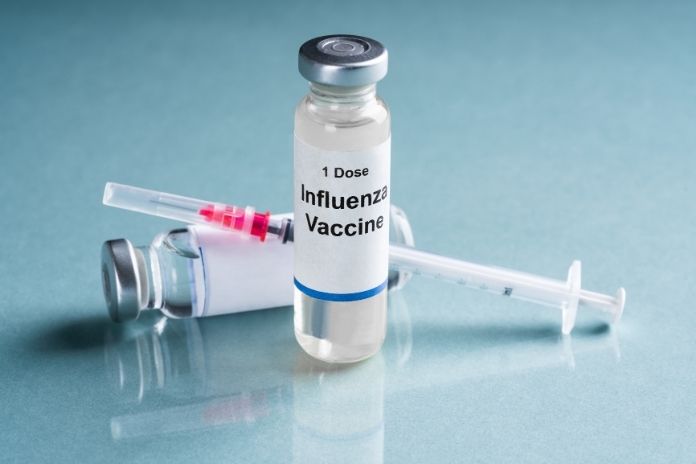
Yes, to a degree. The seasonal influenza vaccine is designed to target the 3–4 most likely circulating strains that year. It can’t cover every possible mutation, but it boosts immunity toward those selected strains.
Even if you’re reinfected by a strain not fully matched, vaccination tends to lessen severity, reduce complications, and shorten illness duration.
However, vaccine effectiveness wanes over time. A meta-analysis found effectiveness against influenza A/H3 drops significantly between 15–90 days post-vaccination compared to 91–180 days. That’s one reason getting vaccinated early in flu season is optimal.
Despite waning, the vaccine still offers better protection than no vaccination at all.
So yes, the flu shot can reduce your risk of reinfection and make a second flu milder if it occurs.
Who’s Most At Risk for Getting the Flu Twice in One Season?
It may not happen to everyone. However, some groups are more vulnerable:
- Young children and older adults because they have comparatively weaker immune systems.
- People with chronic illnesses or immunocompromised diseases (e.g., HIV, cancer, immunosuppressant therapy).
- Healthcare workers and people with repeated exposure to diverse strains are at a higher risk of another infection.
- People who have never been vaccinated or those who have been vaccinated late may face a greater risk of encountering new strains.
If you’re in one of these categories, staying vigilant, getting vaccinated, and following prevention strategies is especially important.
Quick Answer
Yes, it’s possible to get the flu twice in a single season, though it’s relatively uncommon. This usually happens if you’re exposed to a different strain, for example, catching influenza A first and later coming into contact with influenza B. Even if your body has built antibodies from the first infection, those defenses may not fully recognize a new strain.
Other factors, such as the natural decline of immunity over time and the flu virus’s constant mutation, also increase the chance of a reinfection. While you can’t completely eliminate the risk, staying up to date with vaccination, practicing good hand hygiene, and avoiding close contact with sick individuals can help reduce the likelihood of catching the flu again.
Prevention Tips from Doctors
Recovering from the flu doesn’t make you immune for the rest of the season. Flu viruses constantly mutate, and the protection your body develops after an infection can fade over time, leaving you vulnerable to different strains. That’s why it’s important to continue taking precautions, even if you’ve just recovered from the illness.
Dr. William Schaffner, an infectious disease expert at Vanderbilt University Medical Center, emphasizes, “Getting the flu vaccine doesn’t guarantee you won’t get sick, but it significantly reduces the risk of severe illness and complications.”
Here’s what experts recommend to reduce your risk:
- Get your flu vaccine every year, ideally before or at the start of flu season. Annual vaccination helps your body build defenses against the most likely circulating strains and is recommended for everyone aged 6 months and older.
- Practice good hand hygiene, wash your hands frequently with soap and water, or use an alcohol-based sanitizer when necessary. Avoid touching your face, especially your eyes, nose, and mouth, where viruses can enter.
- Stay home when you’re sick; this protects others from infection and reduces your chance of encountering a new flu strain while your immune system is still recovering.
- Support your immune system, get enough sleep, stay hydrated, eat a balanced diet, and manage stress. A well-rested, nourished body is better equipped to fight off infections.
- Avoid close contact with sick people, particularly in crowded or poorly ventilated spaces. Even brief exposure can lead to reinfection, especially after a recent illness.
Following these habits consistently helps minimize your risk of getting the flu again and keeps your overall health stronger throughout the season.
Read More: Zinc for Cold and Flu: Evidence-Based Benefits and Dosage
FAQs
Can you get the flu twice even after a vaccine?
Yes. The vaccine isn’t perfect, and if a strain mutates or a different strain circulates, you can still become ill, though outcomes are often milder.
How long does flu immunity last after infection?
Protective antibodies can last for months to around 15 months for some people, but immunity wanes and drift can erode it.
Is getting the flu twice dangerous?
It can raise your risk of complications (pneumonia, dehydration, hospitalization), especially in high-risk groups. But often the second bout is milder, particularly if vaccinated.
Can you have the flu and COVID-19 simultaneously?
Yes, coinfections are possible. Doctors may use multiplex viral testing (flu + SARS-CoV-2) to guide treatment. Always mention new symptoms to your clinician.
Conclusion
Yes, it is possible to get the flu twice in one season, though it remains relatively uncommon. Reinfection usually occurs when you encounter a different strain, when your immune protection has waned, or when you face high exposure to the virus. Even if you’ve had the flu before or received a vaccination, immunity isn’t absolute, but vaccination remains your most reliable defense against severe illness and complications.
To lower your risk, combine the flu shot with good hygiene practices, immune-supporting habits like adequate sleep, hydration, and nutrition, and prompt care if symptoms return. If you experience flu-like symptoms shortly after recovering, don’t ignore them. Early testing and medical guidance can make a big difference in recovery and in preventing further spread.
For added support, it can be helpful to have visual tools such as a printable infographic that explains how flu reinfection occurs and practical prevention steps, or a quick, patient-friendly guide to follow during flu season. These resources make it easier to understand and share key information with family, friends, or anyone at risk.
References
- https://www.goodrx.com/conditions/flu/can-you-get-the-flu-twice
- https://healthcareassociates.com/can-you-get-the-flu-twice/
- https://www.mayoclinichealthsystem.org/hometown-health/featured-topic/6-common-flu-misconceptions
- https://firstpointmd.com/can-you-get-the-flu-twice/
- https://my.clevelandclinic.org/health/diseases/4335-influenza-flu
- https://www.yalemedicine.org/news/flu
- https://www.health.com/condition/flu/can-you-get-flu-twice-in-one-season
- https://www.today.com/health/cold-flu/can-i-get-flu-twice-in-same-season-rcna192714
- https://www.cdc.gov/flu/about/index.html
- https://health.osu.edu/health/virus-and-infection/common-questions-about-the-flu
- https://www.businessinsider.com/can-you-get-the-flu-more-than-once
- https://www.scientificamerican.com/article/can-you-get-the-flu-twice-in-1-season/
- https://www.imperial.ac.uk/news/164239/adults-only-really-catch-about-twice/
- https://biology.indiana.edu/news-events/news/2019/foster-flu-in-two-waves.html
- https://www.ctpost.com/news/article/it-s-time-get-a-flu-vaccination-here-s-who-needs-21079018.php
In this Article