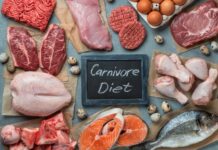













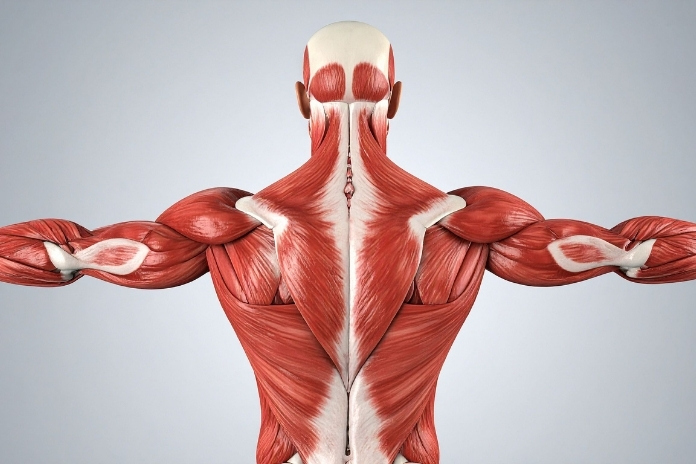
The carnivore diet, built entirely around animal foods like meat, fish, eggs, and limited dairy, has exploded from an internet niche to a mainstream talking point. Proponents range from strength athletes to biohackers, often crediting it with dramatic body recomposition, simplified eating, and surges in energy. In the fitness space, its appeal is obvious: protein is king for muscle growth, and the carnivore diet delivers it in abundance.
But here’s the real question: can a zero-carb, all-meat plan fuel muscle building not just in the short run, but consistently over months or years? The short answer is yes, muscle growth is possible in a carnivore, as long as the fundamentals for hypertrophy are met: enough total calories, sufficient and well-timed protein, and progressive resistance training.
Where things get murkier are in areas beyond the weight room. Performance in high-intensity or endurance exercise, recovery from hard sessions, nutrient sufficiency, and long-term health markers all raise legitimate concerns.
This article cuts through hype and headlines to unpack what the research and expert opinions actually say. We’ll break down how carnivores stack up for hypertrophy, what potential downsides athletes need to watch for, and practical rules to follow if you’re considering testing this diet for muscle growth.
What is the Carnivore Diet?
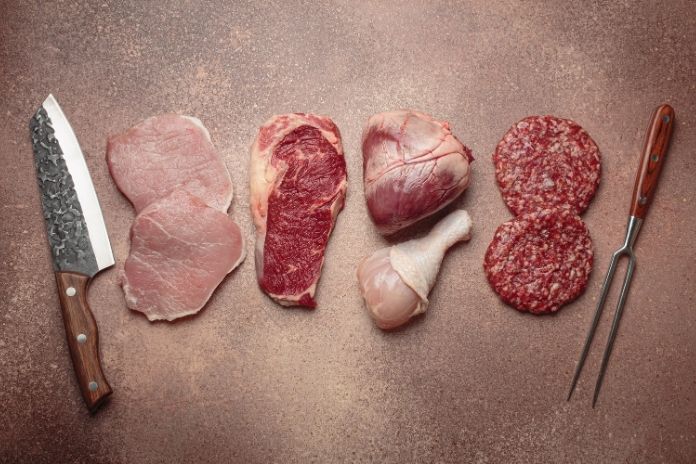
At its core, the carnivore diet eliminates all plant-based foods and relies exclusively on animal products. Staples include beef, pork, poultry, fish, eggs, organ meats, bone broth, and in some versions, small amounts of dairy like cheese or butter. That means no vegetables, fruits, grains, legumes, nuts, or seeds.
Nutritionally, the diet skews toward high fat and moderate-to-high protein, with carbohydrates making up almost none of the intake, usually less than 5% of total calories. Some people adopt this plan for rapid weight loss, others to manage autoimmune or digestive conditions, and athletes or lifters may experiment with it for its simplicity and steady stream of animal protein.
Advocates often highlight dramatic body-composition changes, reduced food cravings, and the “no-thinking” approach to meal planning. However, scientific research on the carnivore diet itself is sparse.
Most of the available insights come from anecdotal reports, individual case studies, short-term trials of ketogenic or very low-carb diets, and nutrient breakdowns of common carnivore foods. This makes it important to separate personal success stories from what’s been reliably studied.
Muscle-Building Basics (what the body needs)
To build muscle, you need three core things:
- Sufficient, high-quality protein to supply essential amino acids and leucine that trigger muscle protein synthesis (MPS).
- A training stimulus, progressive resistance training that stresses muscle fibers.
- Energy (calorie) balance, a modest surplus helps add mass; an aggressive deficit will blunt gains.
Authoritative sports-nutrition guidance says exercising people usually need about 1.4–2.0 g protein/kg/day, with per-meal doses of ~20–40 g of high-quality protein to maximally stimulate MPS. Animal proteins perform well here because they contain all essential amino acids and high leucine content. Meeting total protein and calories is the primary determinant of hypertrophy, regardless of whether carbs are present.
Read More: The Carnivore Diet: Examining the All-Meat Eating Trend
Does the Carnivore Diet Support Muscle Growth?

Building muscle comes down to a few non-negotiables: progressive resistance training, enough total calories, and sufficient high-quality protein spaced through the day. The carnivore diet, by design, nails at least one of those, abundant animal protein, but it raises questions about the others. Can you fuel hard training without carbs?
Does the high-fat load help or hurt hormones? And what about the long-term health tradeoffs of cutting plants entirely? To make sense of this, let’s break it down into four key areas: protein, energy, hormones, and nutritional risks.
A. Protein power, yes, animal protein is ideal for MPS
Meat and animal products are rich in complete proteins, leucine and creatine precursors, all favorable for strength gains. Practical point: if you hit protein targets with frequent 20–40 g doses and enough total calories, your muscle-building machinery has what it needs. A recent systematic look even concluded that meat is “great for hypertrophy and short-term nutrition,” though it warned about other long-term issues.
Meat also supplies dietary creatine (particularly red meat and fish), which boosts short-term high-intensity performance and muscle creatine stores, though supplements give a far more reliable dose than food alone. If you eat a lot of steak and salmon, you’ll get some creatine; if you want the performance ceiling, a 3–5 g/day supplement is well-supported by trials.
B. Energy without carbs, possible, but not identical
When carbs are nearly zero, the body adapts to burn fat and produce ketones. This fat-adaptation can sustain low-to-moderate intensity work and supports weight loss, but it’s not a magic switch for high-power, glycolytic efforts (short sprints, heavy volume sets).
Multiple reviews of ketogenic/very-low-carb approaches show mixed effects: strength can be maintained or even improved in some studies, but hypertrophy and high-intensity performance may suffer in others, especially when athletes do repeated, glycolytic sessions. For athletes whose training depends on glycogen-driven power, the absence of carbs can be a real limit.
C. Hormonal support, fat helps, but the evidence is mixed
High dietary fat is theorized to support androgen production (testosterone) because cholesterol and fat are raw materials for steroid hormones. Some intervention studies show that low-fat diets lower testosterone modestly; others find no change.
In practice, a carnivore diet’s high fat can support hormone levels if energy intake and micronutrient status are adequate, but results vary across individuals. Don’t assume automatically higher testosterone; monitor labs if this matters to you.
D. Nutritional gaps and risks, the tradeoffs
A strict carnivore plan lacks fiber, many phytonutrients, and some micronutrients commonly obtained from plants (vitamin C, certain polyphenols, and fermentable substrates for the gut microbiome). Low-fiber diets alter gut bacteria and can increase markers of inflammation and colon risk in the long term.
There are also consistent signals that are exclusively animal-based, high-saturated-fat patterns can raise LDL cholesterol in susceptible people, a real cardiovascular concern for some. In short: short-term hypertrophy is plausible in carnivores; long-term safety is less clear.
What Experts Say
The research community hasn’t ignored the carnivore trend, but opinions are divided. Sports-nutrition specialists point out its protein strengths, while public-health voices raise red flags about long-term risks. Here’s how leading reviews and experts frame the debate.
- “Meat is great for hypertrophy and short-term nutrition, but a very poor choice when it comes to healthy aging and longevity,” notes a recent systematic review that balanced short-term muscle benefits against possible long-term harms.
- Harvard nutrition experts warn the diet “sounds like basically a terrible idea” for long-term health, given the lack of fiber, antioxidants, and the climate implications of heavy animal-food consumption. That’s a public-health caution worth noting.
- The International Society of Sports Nutrition emphasizes total protein and calorie intake as primary drivers of MPS, and advises endurance athletes to prioritize carbohydrates for optimal performance, a key reason a pure carnivore can be limiting for some sport demands.
Taken together, the consensus from sports-nutrition experts is pragmatic: you can grow muscle on an all-meat diet if you meet protein and calorie needs, but you may trade off glycogen-dependent performance and risk nutrient gaps.
Best Foods for Building Muscle on Carnivore
If you choose to pursue hypertrophy on carnivore, focus on variety and nutrient density:
- Lean and fatty cuts of beef (steak, ground beef) for protein and creatine.
- Fatty fish (salmon, mackerel) for omega-3s and protein.
- Eggs are complete protein, easy to digest leucine per meal.
- Organ meats (liver), dense in micronutrients like B12, iron, and A, useful on restrictive regimens.
- Bone broth and collagen, helpful for connective-tissue support, though not a replacement for complete protein.
If you’re training hard, consider creatine supplementation (3–5 g/day) to reliably top up stores beyond what meat provides, and monitor electrolytes (sodium, potassium, magnesium), which can shift on very low-carb plans.
Workout Performance on Carnivore: what to expect
Building muscle without carbs is possible, but performance outcomes aren’t uniform. Strength can hold steady, even improve, if protein and calories are on point, but repeated, high-intensity work is where carb restriction shows its limits.
- Strength training: Many lifters report preserved or increased strength on very-low-carb or carnivore approaches, especially early on and when calories and protein are sufficient. Gains are reachable with proper programming.
- High-intensity/volume work: Repeated glycolytic efforts (multiple heavy sets, sprint intervals) rely on muscle glycogen. Without carbs, performance can be blunted or fatigability increased; some studies of ketogenic diets found smaller hypertrophy responses under these conditions. If your sport demands explosive, repeated efforts, consider targeted carbs around sessions or periodic refeeding.
Practical rule: Resistance training + caloric surplus + adequate protein wins. If you notice persistent drops in performance or recovery, reintroducing carbs strategically (e.g., peri-workout) often helps.
Quick FAQs
Is carnivore better than keto for muscle gain?
Both diets are very low in carbs, but keto usually includes plant fats and a wider range of micronutrients. Muscle growth is possible on either diet as long as protein and calories are sufficient. However, athletes doing repeated high-intensity or glycogen-heavy training may see slightly reduced hypertrophy on strict low-carb plans.
Can you bulk up on carnivores?
Yes, if you consistently eat more calories than you burn and hit your protein targets, you can gain muscle. The diet provides plenty of protein for hypertrophy, but it can be challenging to get all the necessary nutrients. Long-term adherence requires attention to variety, micronutrient intake, and recovery.
Will I lose strength if I cut carbs completely?
Not necessarily. Many people maintain or even improve strength, especially for low-to-moderate intensity lifting. That said, high-volume or explosive training may suffer due to lower glycogen availability, and recovery can take longer. Monitoring performance and adjusting intake or adding carbs strategically may help.
Do I need supplements?
Supplementation can help cover potential nutrient gaps. Creatine supports strength, vitamin D is often low, and electrolytes are important when carb intake is minimal. If you limit organ meats, consider a multivitamin or targeted nutrients, ideally guided by periodic bloodwork.
Bottom line
Yes, you can build muscle on a carnivore diet if you consistently meet total calories, follow evidence-based protein dosing (1.4–2.0 g/kg/day and 20–40 g per meal), and train smart. Animal foods supply complete protein, leucine, and creatine precursors that support hypertrophy.
But there are tradeoffs: limited glycogen for repeated high-intensity work, possible nutrient shortfalls (fiber, phytochemicals, some micronutrients), and potential long-term cardiovascular concerns for susceptible people. As one recent review put it: “meat is great for hypertrophy and short-term nutrition, but a very poor choice when it comes to healthy aging and longevity.”
If you try carnivores for bodybuilding, plan thoughtfully: rotate foods (include organ meats), measure labs regularly, consider creatine and electrolytes, and be willing to add targeted carbs if your training demands them. Consult a sports dietitian or physician before starting, especially if you have metabolic or heart-disease risk factors.
References
- https://en.wikipedia.org/wiki/Carnivore_diet
- https://www.health.harvard.edu/nutrition/what-is-the-carnivore-diet
- https://www.webmd.com/diet/carnivore-diet
- https://health.clevelandclinic.org/the-carnivore-diet
- https://www.medicalnewstoday.com/articles/carnivore-diet
- https://pmc.ncbi.nlm.nih.gov/articles/PMC11722875/
- https://www.bhf.org.uk/informationsupport/heart-matters-magazine/news/behind-the-headlines/carnivore-diet
- https://www.inspirahealthnetwork.org/news/healthy-living/carnivore-diet-craze-can-eating-only-meat-be-healthy
- https://www.uhhospitals.org/blog/articles/2025/07/the-carnivore-diet-is-extreme-keto-healthy-for-weight-loss
- https://ipan.deakin.edu.au/2022/10/what-is-the-carnivore-diet-and-is-it-a-bad-idea/
- https://www.theguardian.com/commentisfree/2025/sep/03/what-is-carnivore-diet-meat-benefits-science-does-work-why-so-many-influencers
- https://www.bswhealth.com/blog/meat-madness-the-risks-of-the-carnivore-diet
- https://listonic.com/meal-plans/en/meal-plan-for-carnivore-diet
- https://stvincents.org/about-us/news-press/news-detail?articleId=61470&publicid=395
- https://www.verywellhealth.com/carnivore-diet-7486840
- https://www.news-medical.net/health/The-Carnivore-Diet-Healthy-Trend-or-Risky-Fad.aspx
- https://medicalrealities.com/carnivore-diet-no-fluff-meal-plan-food-list-and-what-to-actually-expect/
- https://www.eufic.org/en/misinformation/article/is-the-carnivore-diet-healthy-and-good-for-weight-loss
- https://www.cookunity.com/blog/carnivore-diet-for-beginners
- https://www.icicilombard.com/blogs/health-insurance/hi/carnivore-diet
- https://www.news18.com/lifestyle/what-is-the-carnivore-diet-and-is-it-sustainable-heres-what-experts-think-9036474.html
- https://www.nebraskamed.com/health/healthy-lifestyle/bariatrics-weight-loss/the-carnivore-diet-how-much-protein-should-you
- https://www.medirite.co.za/health-advice/whats-the-carnivore-diet-all-about.html
- https://www.signos.com/blog/carnivore-diet
In this Article