















Any parent who learns that their child or adolescent may have C3 glomerulopathy (C3G), a rare kidney disease, is likely to feel concerned. Although C3G is uncommon, it can develop at any age, including childhood and adolescence, and often presents with few or no early warning signs. This condition affects the kidneys’ glomeruli, the tiny filtering units that remove waste and toxins from the blood.
C3G is rooted in a problem with Complement 3 (C3), a blood protein that is part of the body’s alternative complement system. The complement system is a series of proteins that help bolster immunity and are part of the body’s first line of defense against infection. When unleashed and uncontrolled, the complement system may mistakenly damage the kidneys rather than protect the body.
However, with improved specialist care and increasing awareness of these problems among the medical profession, many of our children with C3G can attend school, keep up with daily life, and live happily.
By learning about their child’s condition and seeking early specialist help, parents can make a real impact on their child’s longer-term kidney health.
Read More: Children’s Eye Health: When to Get Their First Eye Exam and Common Pediatric Vision Problems
What Causes C3 Glomerulopathy in Children
The protein known as C3 complement protein, which is a component of your body’s complement system, is referred to as the “C3” in C3 glomerulopathy. Your blood’s complement system is a group of proteins that support and enhance your immune system.
The complement system malfunctions or becomes overactive in C3 glomerulopathy. The glomeruli, which assist the kidneys in filtering toxins from your blood, become damaged and inflamed due to an overactive complement system.
In C3 glomerulopathy, the complement system is overactive for two reasons:
Due to Genetic Changes in Specific Proteins: Certain proteins in the complement system help regulate and halt its activity when needed, while others can accelerate the system due to genetic changes in specific proteins.
A patient may be more susceptible to developing C3G if there are genetic alterations in either the proteins that regulate the system or the proteins that accelerate the complement system.
Owing to Autoantibodies: Autoantibodies are aberrant proteins that can alter a protein’s capacity to regulate the complement system.
Common Symptoms of C3 Glomerulopathy in Children
Each person may experience different types of symptoms and varying degrees of severity. It’s possible that people with C3 glomerulopathy may not experience any symptoms until the condition worsens significantly.
The following are some indications of C3 glomerulopathy:
- Elevated protein levels in your urine
- Blood in your urine that only a microscope can detect, so you might not be able to see it yourself
- Either black or frothy urine
- Urinating less than usual
- Feeling weary and fragile
- Ankle, foot, and hand swelling
Additionally, C3 glomerulopathy can cause symptoms unrelated to your kidneys. Problems can arise with the eyes, and abnormal fatty tissue distribution may occur beneath the skin.
Fatigue is the ailment that affects C3G patients the most, according to many of them. Here are some strategies for managing this symptom:
- You can schedule activities for times when you’ll have more energy and downtime for times when you won’t.
- Distribute the work throughout the week and complete a small amount each day.
- Seek assistance from friends and family with daily tasks.
How C3 Glomerulopathy Is Diagnosed in Children
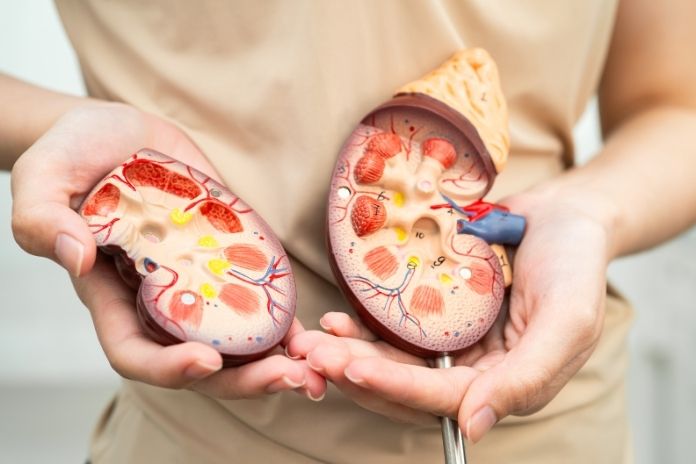
Doctors take blood tests and perform a kidney biopsy to identify C3G. A kidney biopsy involves taking a small sample of the kidney tissue and analyzing it in a laboratory.
Additional tests could consist of:
- Blood tests to determine whether albumin, cholesterol, creatinine, protein, and numerous other elements are present.
- A computation of your glomerular filtration rate (GFR) to gauge your kidney function. Knowing your blood creatinine and urine protein levels will help you determine your GFR.
- Ultrasound to give the kidneys a closer look.
Read More: A Parent’s Guide to Childhood Mental Health: How to Spot and Support Issues
How Pediatric C3 Glomerulopathy Is Treated
There is currently no known cure for C3G. The goal of treatment is to reduce or eliminate urine protein. People with C3G will do better if their urine contains less protein. Managing C3G side effects, like elevated blood pressure, is another aspect of treatment.
Fabhalta, the only therapy ever approved by the FDA specifically for people with C3G, has given rise to new hope for improved disease management and outcomes.
Depending on the needs, your doctor will prescribe medications. ACE inhibitors and angiotensin receptor blockers are examples of drugs used to manage blood pressure. Corticosteroids and mycophenolate mofetil are examples of immunosuppressants.
Individuals with C3G react to therapy in different ways. Compared to adults, children with C3G typically react better.
Can C3 Glomerulopathy Lead to Kidney Failure in Children?

Indeed, C3 Glomerulopathy (C3G) can cause kidney failure in children. Within ten years, up to 70% of children and 30% to 50% of adults with C3G progress to end-stage kidney disease (ESKD).
Although C3G is a dangerous illness that causes gradual kidney damage, there is currently no cure. Instead, supportive care, drugs, and occasionally immunosuppressants are used to delay the disease’s unrelenting advance.
Daily Care and Monitoring for Children With C3 Glomerulopathy
Children with C3 glomerulopathy (C3G) need daily monitoring. Regular bloodwork and blood pressure monitoring will help doctors assess how well your child’s kidneys are functioning and identify any changes, as the disease can lead to abnormal nephron function over time. These regular checks reduce the risk of complications by allowing doctors to adjust treatment promptly when signs of trouble arise.
Getting the child to take medications as scheduled is equally essential. Doctors may prescribe you drugs to suppress the immune system, reduce protein loss in the urine, and control blood pressure.
Better long-term results and stability of kidney function occur when these drugs are taken on schedule as prescribed. Parents play an essential role in establishing easy habits that help the child avoid losing track of taking the medicine and are more likely to adhere to the prescribed plan.
Read More: Alopecia in Children: How Hair Loss Affects Kids, Parents & What to Do Next
Diet and Lifestyle Considerations in Pediatric Care
Kidney protection is the primary focus of diet and lifestyle for pediatric C3 glomerulopathy (C3G). A low-sodium diet, which emphasizes fresh foods, limits processed foods, and also avoids added salt, is essential. Moderate protein (plant-based preferred) and controlled potassium/phosphorus intake are crucial as well.
Regular exercise, healthy weight management, and staying hydrated are essential lifestyle factors for managing blood pressure and reducing kidney stress, ideally under the guidance of a renal dietitian.
Emotional and Family Support Considerations

A child with a chronic illness like C3G may impact the entire family. It’s essential to:
- Describe the situation to your child and other family members
- Discuss with your child the potential effects of C3G on their daily lives
- Be an advocate for your child
- Give your youngster consolation and encouragement
- Seek out a pediatric nephrologist (kidney doctor)
A therapist or other mental health expert may be able to help you and your family. They can guide you through the C3G diagnosis and its possible consequences. If needed, you should discuss with your medical staff the possibility of consulting a mental health specialist.
When Parents Should Seek Immediate Medical Attention

Similar to the situation in adulthood, the amount of kidney damage and the rate at which it occurs vary from child to child who has C3G. At the time of diagnosis, your child is more likely to develop the end stage of renal disease if they already have a significant amount of kidney damage.
You or your child may have unique concerns regarding their health and C3G, and you should discuss such issues with your physician.
Read More: How Graves’ Disease Affects Women Differently: From Menstrual Changes to Bone Health
Conclusion
Even with an unusual diagnosis, children with C3 glomerulopathy can actually lead bright lives with proper management and education, best achieved through a strong partnership of vigilant, experienced involvement and careful attention.
Team awareness gives parents a heads-up on potential problems and helps them identify complications early so they can be treated quickly by the team.
Parental vigilance and habits for successfully managing medications, along with routine clinic checkups and a healthy lifestyle, go a long way toward preserving remaining kidney function.
References
- Reddy, S., Ghante, A., Vankalakunti, M., & Vasudevan, A. (November 28, 2024). C3 glomerulopathy in children: Experience at a resource-limited center.
- NephCure. (2024). Complement 3 Glomerulopathy (C3G).
- American Kidney Fund. (June 25, 2025). Complement 3 glomerulopathy (C3G).
- Amanda Jacot, Pharm.D. (January 7, 2026). Dense deposit disease and C3 glomerulopathy: What’s the difference?
- Cleveland Clinic. (2023, June 10). Complement 3 glomerulopathy (C3G).
- American Association of Kidney Patients. Understanding Complement 3 glomerulopathy (C3G).
- Rachel Reiff Ellis. (2024, August 1). Caring for a loved one with C3 glomerulopathy
In this Article