











The idea that nutrition must come in pill form is relatively new. For most of human history, nutrients entered the body through food and liquids, broths, milk, fermented drinks, teas, and infusions. Supplements arrived much later, largely as a response to industrial diets, soil depletion, and medical needs.
Now the cycle seems to be turning again. People want nutrients without swallowing capsules. Protein drinks, fortified milks, electrolyte waters, antioxidant teas, and “functional” beverages—everything claims to do the job of supplements.
But biology does not respond to trends. It responds to dose, form, timing, and context. So the real question is not emotional (“Are supplements bad?”) or aspirational (“Can drinks be enough?”). The real question is technical:
Under what conditions can beverages supply nutrients reliably, and where do they fail by design? This article looks at the issue without exaggeration, fear-mongering, or wellness clichés, and explains where drinks fit, where supplements still matter, and why “liquid nutrition” is not a free pass.
Why People Want to Replace Supplements With Beverages

This shift is neither accidental nor irrelevant.
First, pill fatigue is real. Many people take 3–6 supplements daily; adding five more capsules every morning feels excessive without any feedback loop. No felt benefit, no visible change. Missed doses are common, not because people are careless, but because routines break. Over time, adherence drops.
Second, digestive discomfort. Iron, zinc, magnesium, and fish oil, as well as many other supplements, cause nausea, bloating, reflux, or bowel changes. Liquids dilute concentration and feel gentler.
Third, behavioural convenience. Drinking is habitual. Coffee, tea, post-exercise drinks, and evening milk, nutrients integrate into routines that already exist.
Fourth, psychological trust. A beverage feels closer to food. Even when fortified, it doesn’t trigger the same “medical” resistance as tablets.
Time pressure amplifies all of this. As nutrition specialist Janice Hermann notes, “People are busy, and schedules are packed. Many people simply don’t have the time to cook from scratch the way we used to. As a result, people are eating more on the run and consuming more processed, convenient foods.” In that context, she explains, supplements can be useful. But for people already making consistently healthy food choices, “it’s unlikely the extra vitamins and minerals are necessary.”
That distinction matters. Convenience explains why people look for beverages to replace supplements. It does not determine whether those nutrients are absorbed, sufficient, or biologically useful. Feeling easier is not the same as working better.
And this is where most discussions stop too early, at behaviour. Biology comes next.
How Nutrient Absorption Actually Works
Most nutrition content oversimplifies absorption as “eat it, and your body uses it.” That is not how physiology works.
Absorption depends on:
- Chemical form (organic vs inorganic, chelated vs free)
- Transporter capacity in the intestine
- Presence of competing nutrients
- Stomach acidity and bile flow
- Fat content (for fat-soluble vitamins)
- Gut health and transit time
Liquids move faster through the stomach. That can be helpful, or harmful, depending on the nutrient.
Some nutrients benefit from slow exposure. Others degrade if they stay too long. Liquids change the environment, not automatically the outcome.
This is why “natural” delivery does not guarantee effectiveness.
Nutrients That Beverages Can Provide Reasonably Well
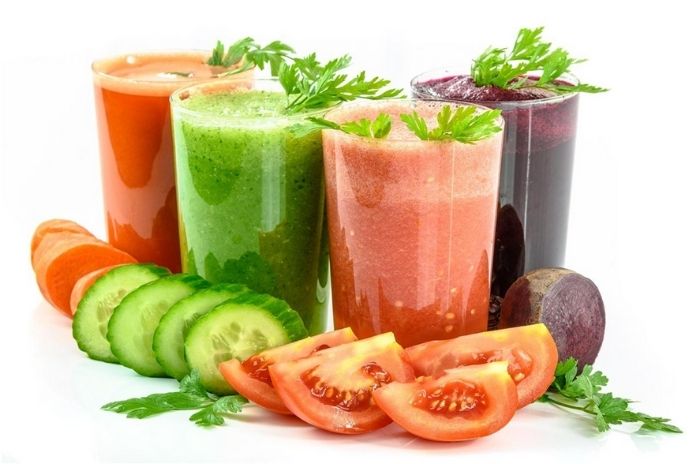
Not all nutrients require pharmaceutical-level precision. Certain nutrients tolerate gradual intake, matrix complexity, and variability, making beverages a viable delivery route under specific conditions rather than a universal solution.
1. Protein
Protein is the strongest case for beverages.
Liquid protein (whey, casein, soy, pea) is efficiently digested. Amino acids enter the bloodstream quickly, which is useful for muscle repair, recovery from illness, or in cases of low appetite.
But liquid protein has a limitation: it does not behave like food.
Chewing, gastric stretch, and digestion time influence satiety hormones. A protein drink rarely reduces appetite the way a protein-rich meal does.
So beverages are good at adding protein, not replacing meals.
2. Calcium and Vitamin D
Calcium absorption from liquids such as milk or fortified plant beverages is reliable at modest doses. Distributed intake works better than large boluses.
Vitamin D is more complicated. Being fat-soluble, its absorption depends heavily on what else is eaten. A fortified drink consumed alone may deliver far less vitamin D than the label suggests.
This is why beverages can support bone health, but often fail to correct deficiencies.
3. Potassium and Magnesium
Potassium is one of the few minerals that beverages genuinely help with. Coconut water, vegetable juices, and mineral waters contribute meaningfully without overdose risk.
Magnesium in beverages may improve tolerance because smaller amounts are consumed over time. This reduces diarrhoea seen with high-dose supplements.
Still, beverages rarely reach therapeutic magnesium levels.
4. Antioxidants and Polyphenols
Here, beverages perform well.
Tea, coffee, cocoa, fruit infusions, and polyphenols work best in their natural matrices. They act locally in the gut and influence signalling pathways rather than functioning like vitamins.
Supplementing isolated antioxidants often fails to reproduce these effects. Beverages retain the complexity that pills remove.
The limitation is variability. One cup may be potent, another weak.
Nutrients That Beverages Struggle to Replace
Some nutrients resist dilution, regardless of intent.
- Iron requires precise dosing and controlled absorption. Beverage iron is often underabsorbed or poorly tolerated.
- Vitamin B12 relies on intrinsic factor. Small doses of beverages are inefficient for deficiency.
- Omega-3 fatty acids oxidise readily in liquids and require fat-stabilising agents.
- Zinc competes with calcium and iron commonly present in drinks.
- Iodine intake from beverages is inconsistent unless deliberately fortified.
These nutrients demand precision, not convenience.
Fortified Beverages vs Supplements: Not the Same Job
Fortification works by adding isolated nutrients back into a food vehicle. This can improve population-level intake but does not guarantee individual adequacy.
Fortified beverages are often marketed as gentler alternatives to supplements. Scientifically, they serve a different role.
Beverages are designed for:
- Taste
- Shelf stability
- Gradual intake
Supplements are designed for:
- Dose accuracy
- Predictable delivery
- Clinical correction
A beverage label tells you what is added, not what reaches your bloodstream. This difference matters more than marketing admits.
Beverages vs Supplements for Different Goals
The usefulness of beverages versus supplements depends less on preference and more on the objective. Maintenance, optimization, and deficiency correction impose different biological demands, and no single delivery form performs equally well across all three.
1. For General Health
Beverages work well here. They reinforce nutrition among people who are already eating reasonably well. They reduce friction, improve hydration, and support baseline intake.
2. For Correcting Deficiencies
Science is clear: beverages are usually inadequate. Deficiencies require:
- Defined doses
- Known absorption
- Time-bound intervention
Liquids rarely meet these requirements.
3. For Older Adults
Liquids help with appetite loss and chewing difficulty. But ageing also reduces absorption efficiency. This paradox means beverages help delivery, but supplements often remain necessary for adequacy.
Risks of Relying Only on Beverages

The biggest risk is nutritional complacency. People assume intake equals absorption. It does not. This misunderstanding often shows up in how people stack drinks on top of meals rather than using them strategically.
“The danger is that people see a lot of minerals and vitamins and think more is better,” says geriatrician Dr. Suzanne Salamon. “If you use the drinks as meal substitutes that might be okay. It’s not okay to eat a full meal and then drink a supplement, unless the goal is to gain weight or stop weight loss. It’s too many calories.”
Nutrients arrive packaged with energy that may not be needed. Other issues include:
- Excess sugars from functional drinks
- Inconsistent daily dosing
- Electrolyte imbalance
- Under-correction of deficiencies
Beverages make nutrition feel easier. Biology does not reward ease.
Read More: Unveiling the Health Benefits of Raisin Water: A Natural Elixir
When Supplements Still Matter
Supplements are not a failure of diet. They are tools. They matter when:
- Blood tests confirm deficiency
- Medical conditions impair absorption
- Pregnancy or ageing increases needs
- Clinical outcomes are required
Avoiding supplements out of principle is not evidence-based.
Read More: Can Coffee Count Toward Your Daily Water Intake?
How to Use Both Without Confusion
The most practical approach is to divide roles.
Use beverages to:
- Support daily intake
- Improve tolerance
- Reduce pill load
Use supplements to:
- Correct deficiencies
- Deliver precision
- Meet clinical targets
This approach respects physiology rather than ideology.
Read More: Foods to Avoid When Drinking Coffee (and Why They Don’t Mix Well)
Final Thoughts
The desire to replace supplements with beverages is understandable. But nutrition is not philosophical; it is mechanical.
Beverages are not diluted supplements. Supplements are not concentrated foods. They answer different biological problems.
Science does not demand purity. It demands clarity.
- Beverages support maintenance, not correction
- Liquid delivery improves tolerance but not reliability
- Protein and polyphenols work well in drink form
- Iron, B12, zinc, and iodine require precision
- Long-term comparative absorption studies between fortified beverages and supplements are still limited.
FAQs
1. Can drinks fully replace supplements?
No, not for deficiencies or clinical needs.
2. Are fortified beverages safer?
They reduce overdose risk but increase underdosing risk.
3. Is liquid nutrition absorbed better?
It is sometimes absorbed faster, not always better.
4. Should healthy people avoid supplements?
Not necessarily. Evidence matters more than ideology.
5. Are functional drinks overhyped?
Often yes, but some serve specific, limited roles well.
References
- Carlsen, M., Kielland, E., Markhus , M., & Dahl, L. (2026). Iodine concentration in tap water, mineral water, and coffee. Nih.gov.
- Ferruzzi, M. G., Tanprasertsuk, J., Kris-Etherton, P., Weaver, C. M., & Johnson, E. J. (2019). Perspective: The Role of Beverages as a Source of Nutrients and Phytonutrients. Advances in Nutrition, 11(3).
- Riley, M. D., Hendrie, G. A., & Baird, D. L. (2019). Drink Choice is Important: Beverages Make a Substantial Contribution to Energy, Sugar, Calcium and Vitamin C Intake among Australians. Nutrients, 11(6), 1389.
In this Article