













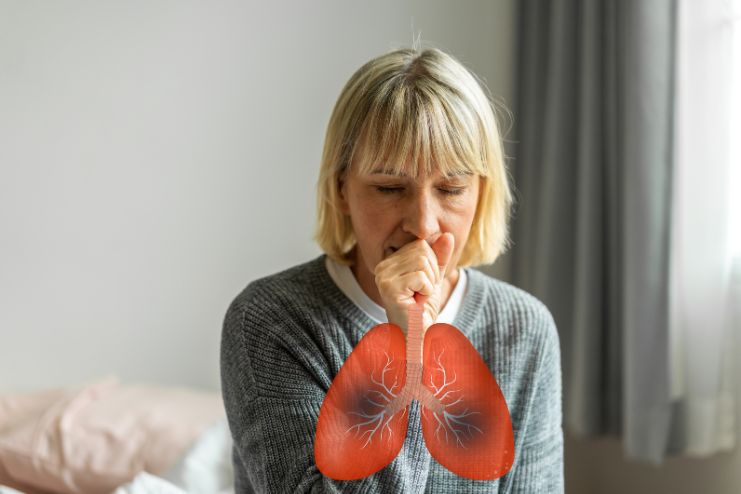
Did you know that bronchitis affects millions of Americans every year, with most cases developing after what seems like a simple cold? This common respiratory condition can turn a minor inconvenience into weeks of persistent coughing and breathing difficulties.
Bronchitis is a condition characterized by swelling and inflammation of the bronchial tubes, which connect the mouth, nose, and lungs. In bronchitis, the lining of these bronchial tubes becomes inflamed, making it difficult to clear phlegm and mucus from the airways.
People with bronchitis often experience reduced ability to breathe and get adequate oxygen into their lungs.
This comprehensive guide provides essential information about bronchitis, including its causes, symptoms, and treatment options. You’ll also discover various home remedies that can help manage bronchitis symptoms effectively.
Read More: Breathe Better: 8 Essential Oils to Soothe Asthma Symptoms
What is Bronchitis?
Bronchitis refers to the inflammation and swelling of the bronchial tubes. This respiratory condition can be classified into two main types: acute and chronic bronchitis.
1. Acute Bronchitis
Acute bronchitis is the more common form and typically develops following a viral infection or cold. This condition causes a productive cough with mucus, fever, chest soreness, discomfort, and shortness of breath. While acute bronchitis is easily treatable, symptoms may persist for several days to weeks.
“Acute bronchitis is usually defined as a self-limited lower respiratory tract infection lasting no more than three weeks,” said Dr. Jonathan Stoever, MD, a pulmonologist with Confluence Health in Wenatchee, Washington, “with symptoms including a cough with or without phlegm, with no other alternative explanation based on clinical or radiographic information.”
2. Chronic Bronchitis
Chronic bronchitis is a more serious condition characterized by a persistent cough that produces mucus for at least two months and can last up to two years. Breathing difficulties are the primary concern for people with chronic bronchitis. Symptoms may fluctuate, becoming better or worse throughout this period.
“There are other forms of bronchitis including chronic bronchitis, nonasthmatic eosinophilic bronchitis and asthmatic bronchitis to name a few,” Dr. Stoever said.
“Chronic bronchitis is a long-term airway inflammation with a persistent, productive cough that lasts for at least three months per year for two consecutive years. This can be caused by a variety of conditions including smoking-related lung disease, vaping, cannabis use, asthma and other diseases,”
When chronic bronchitis occurs alongside emphysema, it can lead to chronic obstructive pulmonary disease (COPD).
What Causes Bronchitis?

The primary cause of bronchitis is inflammation of the bronchial tubes due to viruses, bacteria, and other irritants. The causes differ between acute and chronic bronchitis.
Acute Bronchitis Causes
Acute bronchitis is typically caused by the same viruses and bacteria responsible for colds and flu. Additionally, exposure to lung irritants can trigger acute bronchitis, including:
- Dust
- Tobacco smoke
- Chemical fumes
- Vapors
- Air pollution
Chronic Bronchitis Causes
Chronic bronchitis results from long-term damage caused by prolonged irritation of the lungs and airway tissues. The most common causes include:
- Smoking is the leading cause of chronic bronchitis
- Extended exposure to air pollutants such as dust and environmental fumes
- Repeated episodes of acute bronchitis
Read More: Top 10 Breathing Support Products to Enhance Lung Health Naturally
Signs and Symptoms of Bronchitis
Common signs and symptoms of bronchitis include:
- Wheezing
- Chest tightness
- Persistent cough that may produce mucus
- Shortness of breath
- Sore throat
- Nasal and sinus congestion
- Headache
- Chills and low-grade fever
A significant symptom of acute bronchitis is a cough that can persist for weeks or months, as the bronchial tubes require considerable time to heal completely.
Chronic bronchitis symptoms may worsen more than twice yearly, particularly during the winter months. It’s important to note that a persistent cough that doesn’t resolve can indicate other conditions, such as pneumonia or asthma.
Bronchitis Treatment: How to Cure Bronchitis?
1. Diagnosis
For an accurate diagnosis, your doctor will inquire about your cough symptoms and review your medical history. They’ll assess whether you’ve recently had a cold or flu, if you smoke, or if you’ve been exposed to airborne irritants like fumes, dust, vapors, or air pollution.
Your physician will listen for unusual lung sounds using a stethoscope and may order additional tests, including:
- Chest X-ray
- Blood tests
- Pulmonary function tests
- Mucus analysis
2. Treatment Approaches
Treatment for bronchitis typically involves drinking plenty of fluids, breathing warm, moist air, and using cough suppressants to ease breathing. While acute bronchitis can be effectively treated and resolved, chronic bronchitis has no cure. However, doctors can prescribe medications to help control symptoms.
3. Cough Medicine
Although cough medications won’t eliminate coughing entirely, they help bring up mucus and remove irritants from the lungs.
4. Anti-Inflammatory Medications
These medications help control chronic inflammation symptoms that may cause tissue damage.
5. Oxygen Therapy
This treatment provides supplemental oxygen inhalation for patients experiencing breathing difficulties.
6. Antibiotics
While antibiotics can effectively treat bacterial and secondary infections, they are ineffective against viral infections.
Additional Treatment Strategies
Other remedies that can help treat bronchitis include:
- Quit smoking to eliminate lung irritants
- Use a humidifier to relieve airflow restrictions and reduce wheezing
- Exercise regularly to strengthen breathing muscles
- Practice breathing exercises for improved respiratory function
Read More: 15 Home Remedies To Stop Coughing At Night – Get Some Sleep In
Home Remedies for Bronchitis Treatment
Several home remedies can effectively treat bronchitis symptoms without causing side effects when used properly. Here are some proven natural treatments for both acute and chronic bronchitis:
1. Honey and Lemon Water

Honey is an ancient remedy with significant antibacterial properties that soothes irritated mucous membranes caused by infection. Consuming honey with lemon water provides additional health benefits. However, never give honey to children under one year of age, as it can cause botulism, a rare but serious form of food poisoning.
2. Spicy Foods

Consuming spicy foods such as hot mustard, wasabi, and horseradish helps loosen mucus and reduce phlegm and congestion. Unless you’re allergic to specific spicy foods, incorporating them into your diet is highly recommended for treating bronchitis.
3. Salt Water Gargle

Healthcare experts suggest gargling with salt water several times daily when dealing with bronchitis. This practice helps remove excess mucus from the body. While salt water gargling won’t cure viral or bacterial infections, it can significantly improve symptoms and provide relief.
Take Control of Your Respiratory Health Today
Don’t let bronchitis symptoms linger and worsen. If you’re experiencing a persistent cough, breathing difficulties, or chest discomfort that lasts more than a week, it’s time to consult with a healthcare professional. Early intervention can prevent acute bronchitis from developing into more serious complications.
Schedule an appointment with your doctor if you experience:
- Fever above 100.4°F (38°C)
- A cough lasting more than three weeks
- Blood in your mucus
- Severe shortness of breath
- Repeated episodes of bronchitis
Remember, your health is your most valuable asset. Take the first step toward recovery by seeking professional medical advice and following the treatment recommendations outlined in this guide.
Read More: 19 Home Remedies for Chest Congestion
Frequently Asked Questions About Bronchitis
How long does bronchitis last?
Acute bronchitis typically lasts 7-10 days, though the cough may persist for several weeks as your airways heal. Chronic bronchitis is a long-term condition that can last for months or years and requires ongoing medical management.
Is bronchitis contagious?
Acute bronchitis caused by viral infections is contagious and can spread through respiratory droplets when coughing or sneezing. However, chronic bronchitis is not contagious as it’s typically caused by long-term irritation rather than infection.
Can I go to work with bronchitis?
If you have acute bronchitis with fever, you should stay home to rest and avoid spreading the infection. Once fever-free for 24 hours and feeling better, you can usually return to work, though you may still have a lingering cough.
What’s the difference between bronchitis and pneumonia?
While both conditions affect the respiratory system, pneumonia involves infection of the lung tissue itself, whereas bronchitis affects only the bronchial tubes. Pneumonia typically causes more severe symptoms, including high fever and chills.
Can children get bronchitis?
Yes, children can develop bronchitis, though they’re more commonly affected by bronchiolitis, which affects smaller airways. Parents should consult a pediatrician if their child has a persistent cough, breathing difficulties, or a fever.
When should I see a doctor for bronchitis?
Seek medical attention if you experience a fever above 100.4°F, a cough with blood, severe shortness of breath, symptoms lasting more than three weeks, or if you have underlying health conditions like asthma or heart disease.
Can bronchitis be prevented?
While you can’t always prevent bronchitis, you can reduce your risk by avoiding smoking, washing your hands frequently, getting annual flu vaccines, wearing masks in polluted environments, and maintaining good overall health through proper nutrition and exercise.
References
- https://www.mayoclinic.org/diseases-conditions/bronchitis/symptoms-causes/syc-20355566
- https://www.ncbi.nlm.nih.gov/books/NBK448067/
- https://www.ncbi.nlm.nih.gov/books/NBK482437/
- https://www.nhlbi.nih.gov/health/copd
- https://www.nhlbi.nih.gov/health/bronchitis
- https://medlineplus.gov/chronicbronchitis.html
- https://www.who.int/news-room/fact-sheets/detail/chronic-obstructive-pulmonary-disease-(copd)
- https://my.clevelandclinic.org/health/diseases/3993-bronchitis
- https://find-doctor.ama-assn.org/doctor/jonathan-stoever-md/45596963
- https://www.ama-assn.org/public-health/prevention-wellness/what-doctors-wish-patients-knew-about-bronchitis
In this Article