












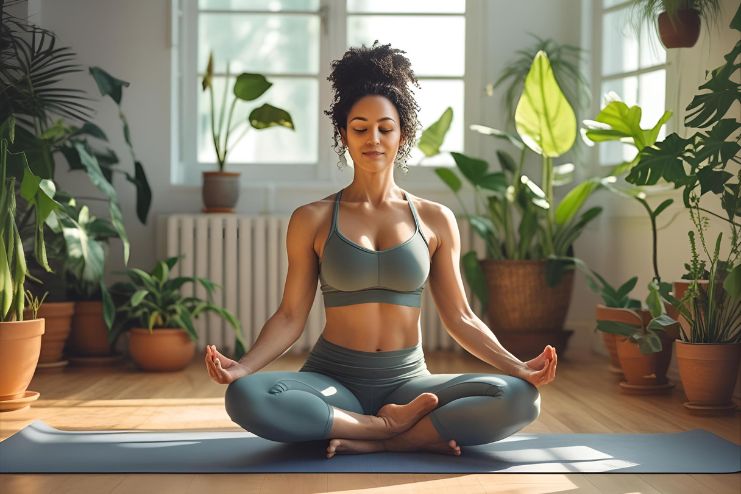
Good breathing habits for pelvic floor wellness are more than mere relaxation aids—they’re the building blocks of core stability, posture, bladder and bowel control, and even sexuality. The connection between the diaphragm and pelvic floor—two vital muscles that harmonize with every breath. Out of sync—due to stress, inactivity, or postpartum factors—they can disconnect, resulting in pelvic floor tension, weak core function, or dysfunction.
Tapping the potential of pelvic floor breathing, particularly diaphragmatic breathing, can relax as well as tighten these muscles naturally. This is crucial for women after pregnancy recovery, women with pelvic tension, or for anyone with stress-induced tightness.
Read More: Pelvic Floor Exercises: Strengthening Solutions for Incontinence
Understanding the Pelvic Floor and Its Connection to Breathing
The pelvic floor is a muscular “hammock” that runs from the pubic bone to the tailbone—it stabilizes pelvic organs (bladder, uterus, rectum), supports continence, assists core stability, and facilitates sexual function. They are anatomically paired with the diaphragm at the top of your core; combined with deep abdominals and back muscles, they make up the “core cylinder.”
Each inhale makes the diaphragm drop, raising intra-abdominal pressure and stretching the pelvic floor downwards; each exhale elevates the diaphragm and pelvic floor upwards. Breathing in sync is crucial to pelvic floor well-being, whereas shallow, chest-only breathing breaks this harmony, causing tension, pain, poor core stability, and dysfunction.
Signs Your Pelvic Floor Might Need Breathwork
Here are a few signs to look out for:
- Long-term pelvic pain or tightness
- Urination/bowel issues (urgency, constipation, leakage)
- Sex pain or decreased arousal
- Poor posture or lower back pain
- Lack of connection between the core/pelvis
These tend to go along with dysfunctional breathing patterns like chest breathing or shallow, tension-driven breaths.
Diaphragmatic Breathing for Pelvic Floor Relaxation
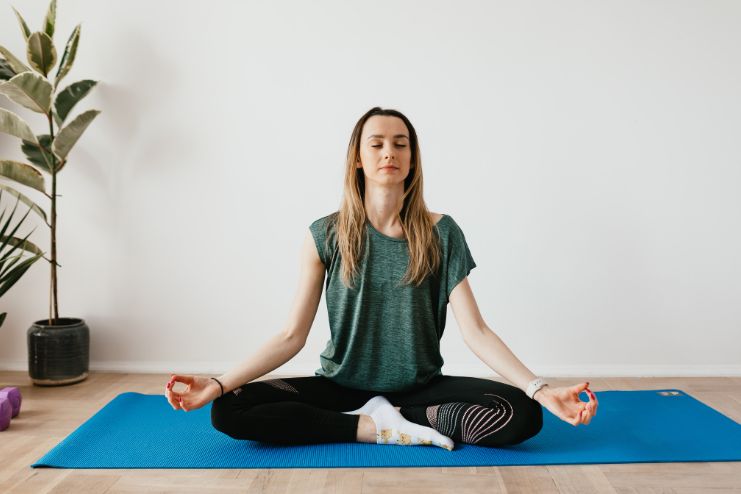
How to Do It:
- Lie on your back with your feet flat and knees bent.
- Put one hand on your belly, the other on your chest.
- Breathe in through the nose, filling the ribs and belly while the chest doesn’t move.
- Slowly exhale through pursed lips or nose, sensing that the belly and ribs tighten, and the pelvic floor softly rises.
- Repeat for 5–10 minutes, once or twice a day.
How It Helps:
Diaphragmatic breathing increases diaphragm and pelvic floor movement, helping in full-range muscle motion. This soothes the nervous system, enhances blood flow to pelvic tissues, decreases pelvic floor tension, and facilitates the release of subconscious tension commonly stored in the core and hips.
Breathing Techniques to Strengthen the Pelvic Floor
Let’s discuss breathing techniques to strengthen the pelvic floor:
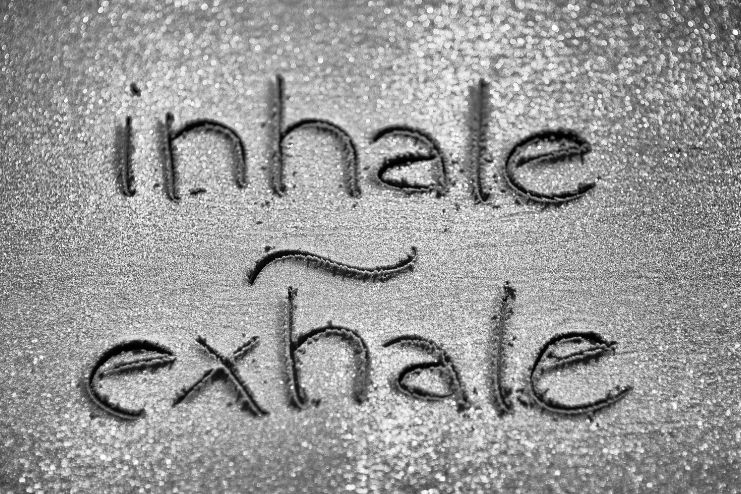
- The “Exhale and Engage” Method:
How to Do It:
- Sit or lie down in a relaxed position.
- Breathe in (pelvic floor relaxes).
- On exhale, stop urination in your mind, gradually contracting the pelvic muscles.
- Hold for 3–5 seconds, then breathe in and release.
- Do 5–10 repetitions, 2–3 times a day.
How It Helps:
The ‘exhale and inhale’ exercise develops control and coordination of the pelvic muscles. Synchronizing engagement as you exhale strengthens muscles without stressing them. It is particularly helpful for postpartum recovery and for inhibiting bladder leakage during activity.
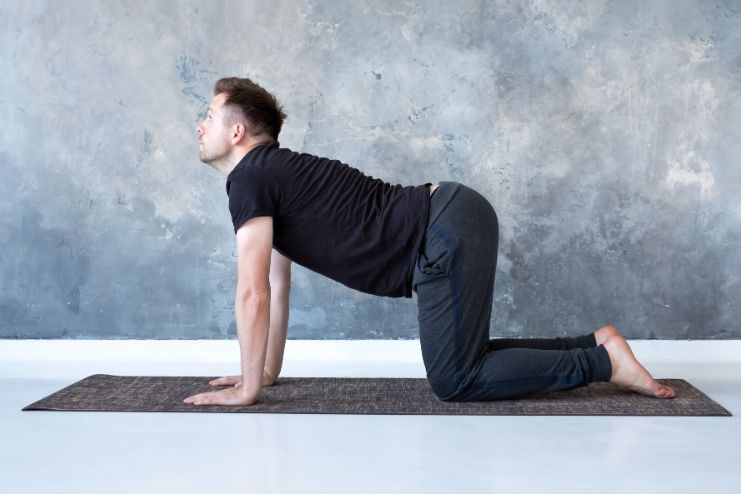
- Cat-Cow with Breath for Pelvic Mobility:
How to Do It:
- Begin on your hands and knees, with wrists aligned under shoulders and knees under hips.
- Inhale (Cow): Arch your spine, let the belly drop, gaze up.
- Exhale (Cat): Round your spine, draw your belly in, and look toward your navel.
- Repeat for 8–10 slow breaths.
How It Helps:
The Cat-Cow pose is a dynamic yoga movement that synchronizes spinal motion with breath. As you inhale, the pelvic floor relaxes; as you exhale, it gently contracts. This coordination helps mobilize the hips and pelvis, enhances flexibility, improves body awareness, and supports tension release.
Read More: How to Strengthen Your Deep Core (Not Just Your Abs)
Yoga and Mindfulness-Based Breath Practices
Below are a few techniques that help make your pelvic floor strong, based on yoga and mindfulness:
- Child’s Pose + Deep Breathing:
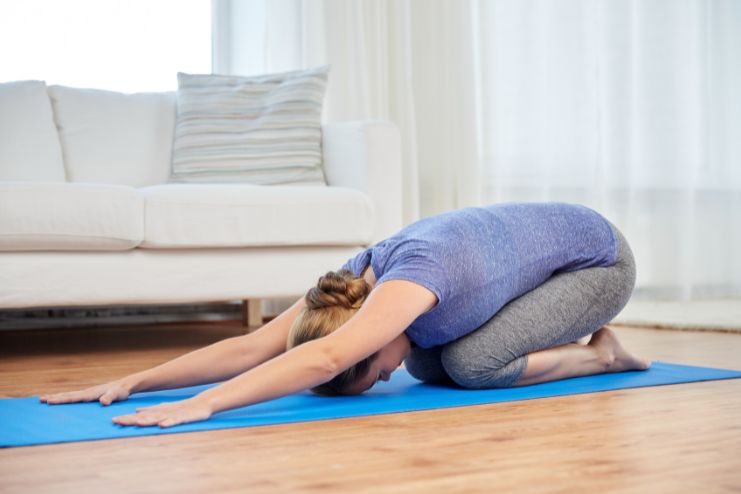
How to Do It:
- Kneel and sit back on your heels, knees wide.
- Fold forward, stretching your arms out in front or placing them at your sides.
- Breathe into your back and belly.
- Slowly exhale, feeling hips sink deeper.
- Hold for 1–3 minutes.
How It Helps:
Child’s Pose allows deeper relaxation through passive stretching of the lower back, hips, and pelvic floor. Combined with deep breathing, it induces nervous system relaxation and pelvic release—perfect for those experiencing chronic tightness or pain related to stress.
- Ujjayi Breathing (“Victorious Breath”):
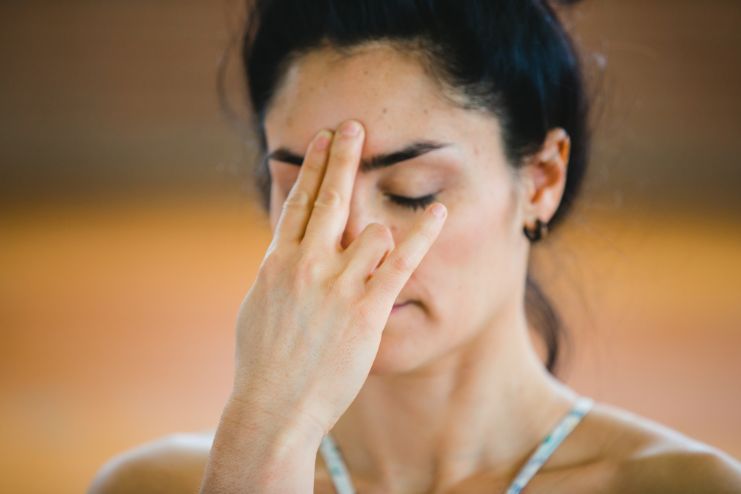
How to Do:
- Sit or stand tall.
- Inhale slowly through your nose while slightly constricting the back of your throat.
- Exhale through the nose with a gentle oceanic sound.
- Continue for 5–10 breaths.
How It Helps:
Ujjayi breath promotes mindfulness and enhances diaphragm engagement, encouraging deeper core activation. This breath also improves vagal tone, which reduces stress and improves pelvic function by calming involuntary muscle tension.
- Progressive Relaxation with Pelvic Focus:
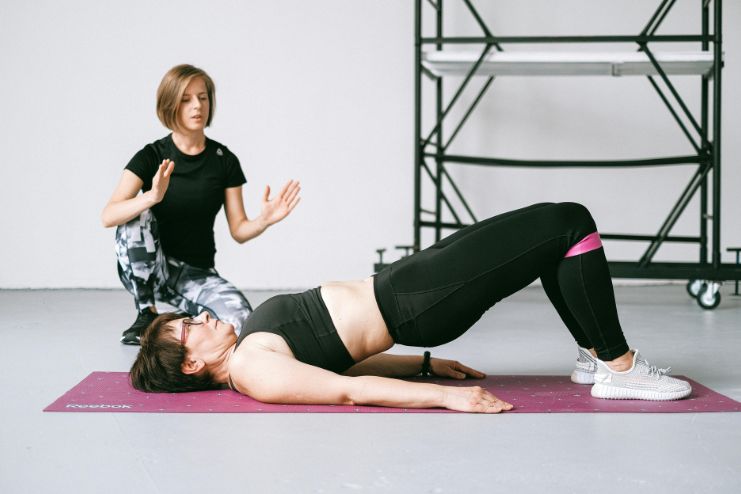
How to Do It:
- Lie down comfortably.
- Start with belly breathing.
- Consciously release particular areas of the body with each exhale, finishing with the pelvic floor.
- Perform a body scan 2–3 times.
How It Helps:
This exercise develops awareness of body holding patterns. Relaxation focuses on the pelvic floor and conditions the muscles to release completely, useful for hypertonic pelvic floors (overly tight), sexual dysfunction, or anxiety-caused tension.
Mistakes to Avoid When Using Breathwork for the Pelvic Floor
While breathwork offers significant benefits for pelvic health, it’s crucial to avoid certain mistakes. Here are common mistakes and why they matter:
- Over-engaging the pelvic muscles is one mistake you must avoid. Many people assume more Kegels mean better strength, but overdoing it can lead to pelvic floor tightness, spasms, and pain. Muscles need recovery and relaxation, not constant tension.
- Breath-holding or chest-only breathing limits effective diaphragm movement, creates uneven abdominal pressure, and reduces pelvic floor activation
- Having limited knowledge, and rushing through breathwork practice is one mistake that most people make. Breathwork is optimal when executed slowly and consciously. Practicing too rapidly compromises the benefits and perpetuates disconnection.
- Using improper posture, that is inadequate alignment (slouching, tilted pelvis, collapsed ribs), limits full breath expansion and can impede pelvic floor function.
- Do not assume that just Kegels are sufficient. Kegels by themselves do not help with coordination, relaxation, or the core’s global function. Pelvic floor exercises are more effective when integrated with proper breathing techniques.
Awareness, patience, and proper form are necessary to gain the benefits of pelvic floor breathwork.
When to See a Pelvic Floor Therapist
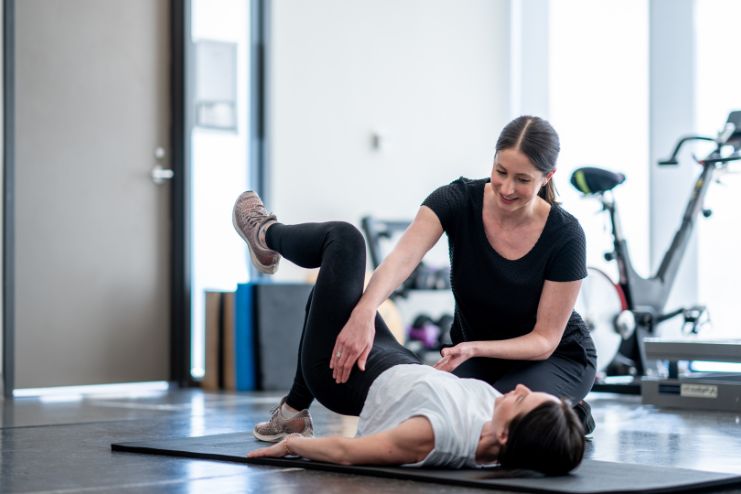
Breathwork is a powerful beginning, but it isn’t always a total solution. If you have the following, consider speaking with a pelvic floor therapist:
- Chronic pelvic pain that doesn’t go away with relaxation strategies
- Bladder or bowel incontinence, urgency, or leakage
- Painful sex, tampon use, or pelvic exam
- The sensation of heaviness or bulging in the vaginal or rectal region (a potential sign of pelvic organ prolapse)
- Trouble feeling or tightening pelvic floor muscles, even with regular practice
An experienced pelvic floor PT (usually with advanced training in women’s health or pelvic rehab) will evaluate for both hypertonic (overly tight) and hypotonic (overly weak) muscle tone. They provide customized, hands-on treatment, biofeedback, posture instruction, and safe progressive plans, making sure breath and movement are in sync.
Therapy can significantly reduce symptoms, particularly when self-help techniques stall. It’s not a failure signal—it’s a thinking move toward recovery.
Read More: Understanding Pelvic Health: Common Issues and Maintenance Tips
Conclusion
Breathing is your key to pelvic floor health. With the everyday practice of diaphragmatic breathing, conscious breath and movement coordination, and yoga-based methods, you can restore strength and relaxation in this vital muscle group.
Begin slowly. Practice regularly. And above all, listen to your breathing—it has a lot more to tell you about your core health than you’d realize.
References
- https://www.physio-pedia.com/Pelvic_Floor_Anatomy
- https://www.va.gov/WHOLEHEALTHLIBRARY/tools/progressive-muscle-relaxation.asp
- https://www.webmd.com/fitness-exercise/how-to-do-childs-pose
- https://www.hingehealth.com/resources/articles/diaphragmatic-breathing-pelvic-health/
- https://www.physio-pedia.com/Pelvic_Floor_Anatomy
In this Article